Italian Greyhound Care Guide: Everything New Owners Need to Know
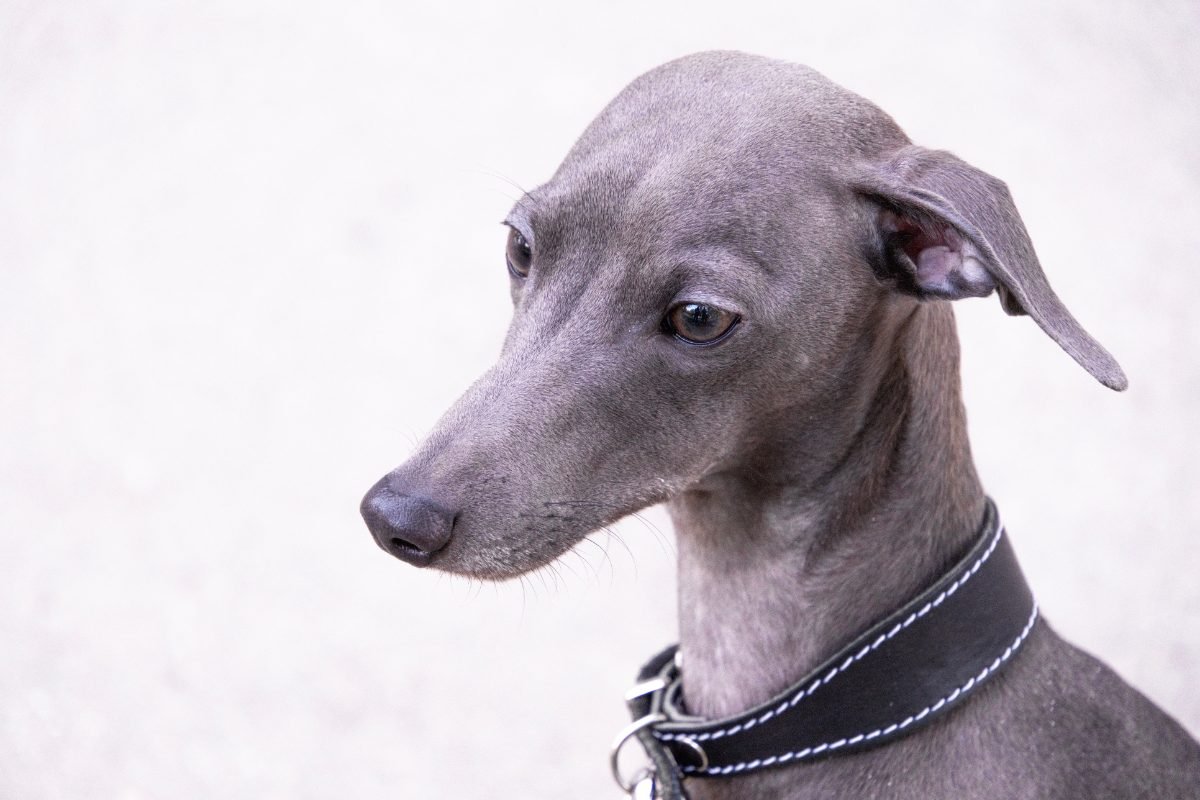
The Italian Greyhound is what happens when you shrink a sighthound down to 10 pounds and keep every ounce of the drama.
He is elegant, ancient, hilariously needy, and permanently convinced he is cold. Roman emperors kept these dogs. So did Catherine the Great. And every one of them almost certainly had an IG under a blanket at that exact moment.
They are wonderful. They are also nothing like the low maintenance apartment dog people assume they are buying. Let’s get into it.
What Exactly Is an Italian Greyhound?
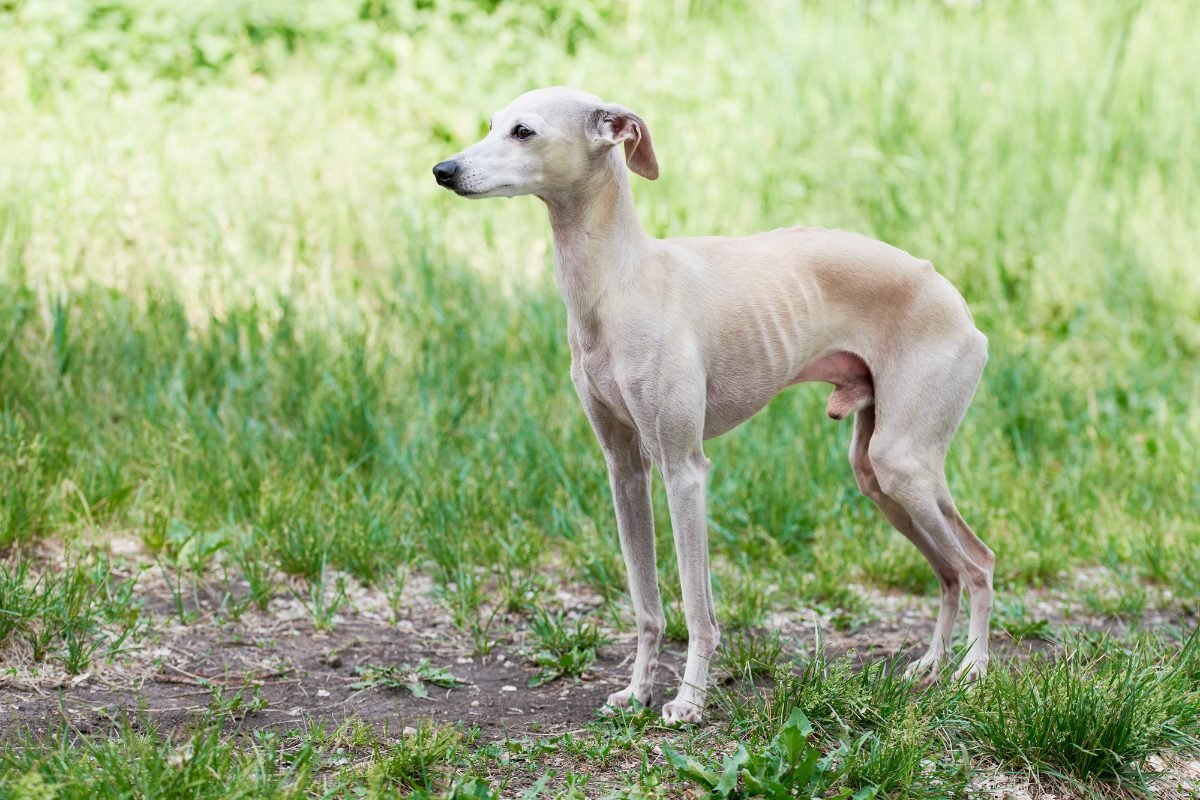
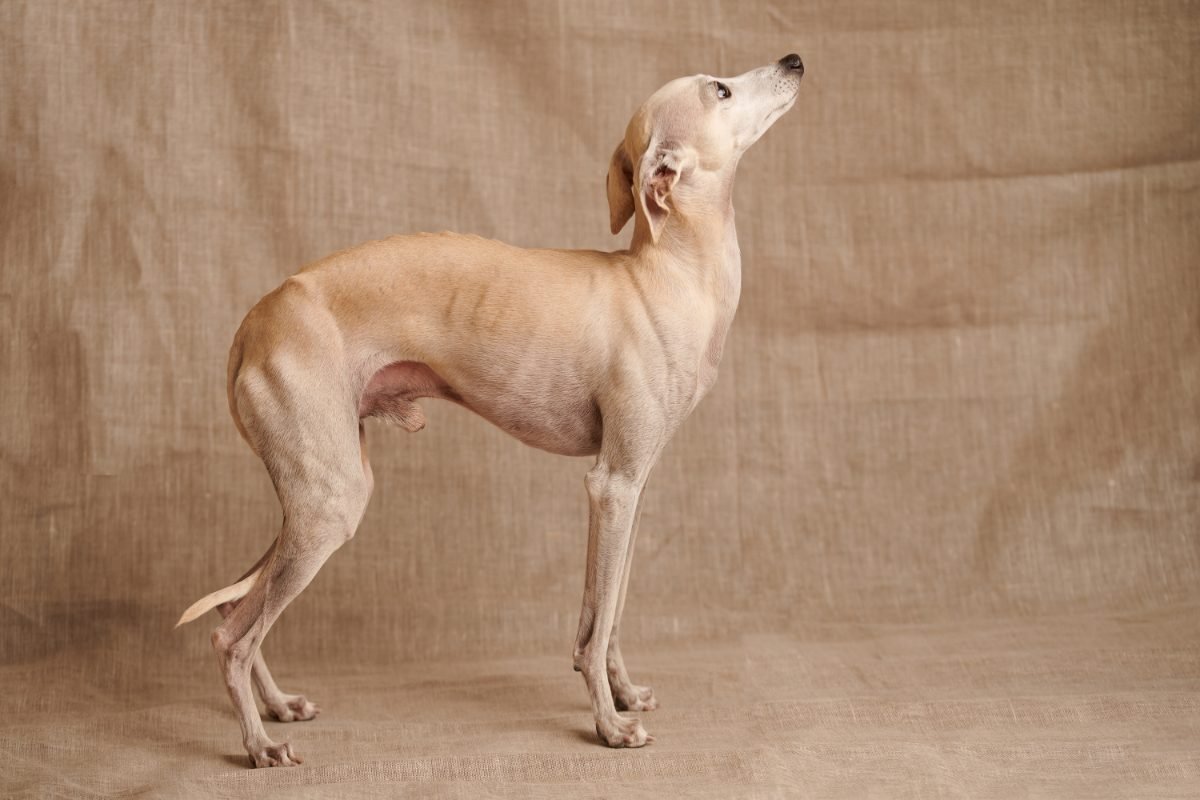
The IG is a true sighthound, not a toy breed that happens to look like one. He has been around for over two thousand years, appearing in Mediterranean art long before most modern breeds existed.
That distinction matters enormously. He has a sighthound’s prey drive, a sighthound’s selective hearing, and a sighthound’s ability to hit 25 miles per hour on a whim, all packed into a body that weighs less than a bag of dog food.
The Quick Stats
- Height: 13 to 15 inches at the shoulder
- Weight: 7 to 14 pounds
- Lifespan: 12 to 15 years, quite long lived
- Coat: Short, fine, almost no undercoat, barely sheds
- Colors: Grey, slate, fawn, black, cream, often with white markings
- Energy: Explosive bursts, then twelve hours of horizontal napping
FYI an Italian Greyhound is not a Whippet and not a miniature Greyhound. It is a separate ancient breed, and considerably smaller than both.
The Temperament Is Velcro With Legs
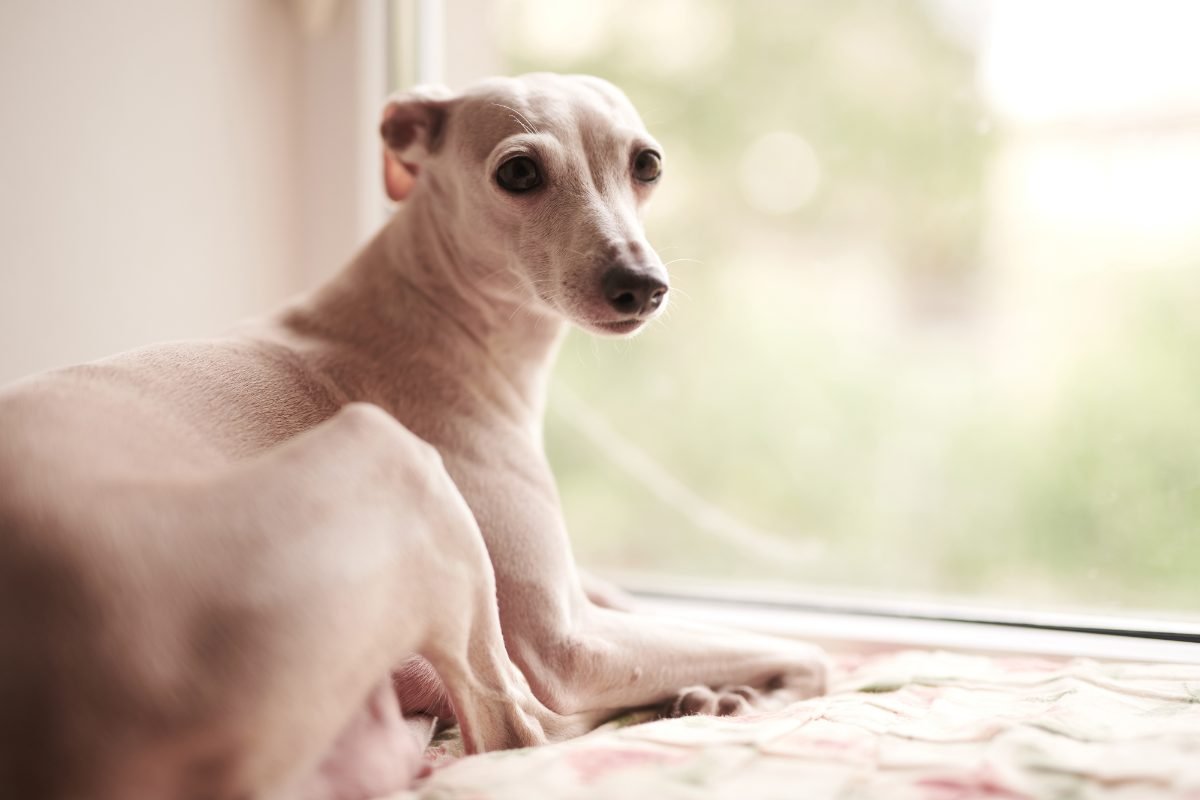
IGs bond with an intensity that surprises people. This is not a dog that will leave you alone. He will be on you, under a blanket with you, or pressed against your leg, permanently.
They are affectionate, sensitive, playful and genuinely funny. They are also anxious, easily startled and prone to separation issues if you are gone a lot.
What to expect:
- Deep attachment to one or two people, reserved with strangers
- Sensitive to tone, harsh voices genuinely upset them
- Zoomies that involve furniture, at speed, without warning
- Cold intolerance that borders on comedy
- Strong prey drive, they will chase and they will not hear you
- Chatty, some are quite vocal about their opinions
They get on well with other dogs and with cats they grew up around. Small fast animals outdoors though? That is a hunt, and no amount of recall training reliably beats a sighthound’s instinct.
Housetraining Is the Thing Nobody Warns You About
Let’s talk about what IG forums are actually full of.
Italian Greyhounds are genuinely difficult to housetrain. Not impossible, but far harder than average. A small bladder, high sensitivity, and a deep unwillingness to go outside in cold or wet weather all stack against you.
What works:
- Crate training from day one, non negotiable
- Take him out every 45 to 60 minutes as a puppy, not every few hours
- Never punish accidents, that just teaches a sensitive dog to hide it
- Buy a coat immediately, because a cold IG simply refuses to go
- Consider a covered potty area or an indoor litter setup as backup
- Expect 6 to 12 months, plus some regression every winter
IMO going in expecting a year of work makes the whole thing far less frustrating than expecting eight weeks and being blindsided.
Those Legs Are Genuinely Fragile
This is the health issue that defines the breed, and it deserves to be taken seriously.
Italian Greyhounds break their legs. Specifically the radius and ulna, and it happens most often between 4 and 18 months, when the bones are still thin and the puppy has no sense of self preservation whatsoever.
The usual cause is not a car accident or a fall down the stairs. It is jumping off the sofa.
- Block access to furniture heights until at least 18 months
- Ramps or steps up to beds and couches, and train him to use them
- No jumping games, no catching anything mid air
- Supervise play with bigger dogs closely
- Keep floors non slip, hardwood plus zoomies equals splits
Repair surgery runs $2,000 to $5,000 and often needs plates. Ask any IG owner and they either have the story themselves or they know someone who does.
Exercise Is Short, Fast, Then Done
Refreshingly simple. An IG needs two 20 to 30 minute walks a day, plus a chance to genuinely sprint in a safely enclosed space a few times a week.
- Always on lead outside a fenced area. Always. No exceptions.
- A secure fence means at least 5 feet with no gaps, they are escape artists
- Sprinting is a need rather than a luxury, it is what the body is built for
- After that, expect a dog who sleeps most of the day
- Mental games work well, they are smarter than they let on
Do not trust recall off lead. A moving squirrel switches off his hearing entirely, and at 25 miles per hour he is across a road before you finish saying his name.
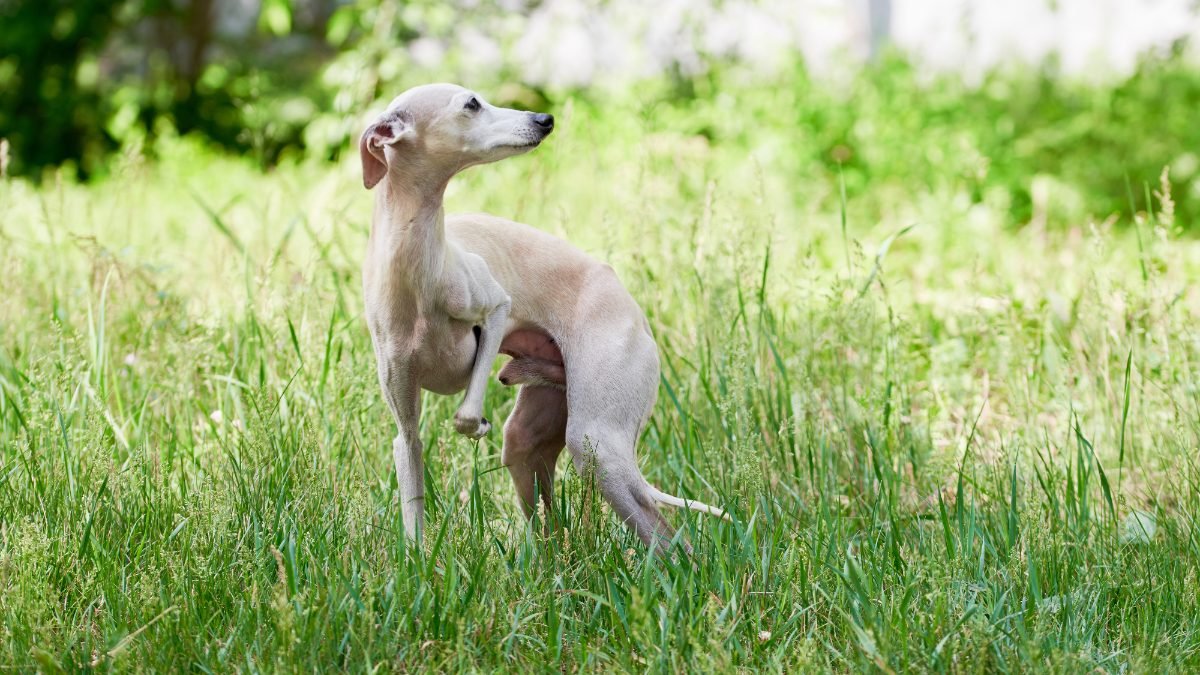
Warmth Is Not Optional
No undercoat, almost no body fat, and a large surface area relative to mass. IGs get cold at temperatures you find perfectly pleasant.
- Coats for anything under roughly 60 degrees, layers below 45
- Beds with blankets he can burrow into, he will dig himself a nest
- Expect him under your duvet, this is simply the arrangement now
- Watch for shivering indoors, it usually means cold rather than anxiety
This sounds like a joke until you own one. It is not a joke, and the dog clothing aisle stops being funny about a week in.
Health Issues to Budget For
Beyond the leg fractures:
- Dental disease, severe and close to universal in the breed
- Patellar luxation, slipping kneecaps
- Progressive retinal atrophy, testable in the parents
- Legg-Calve-Perthes disease, hip joint degeneration in young dogs
- Anesthesia sensitivity, sighthounds process it differently, use a vet who knows this
- Hypothyroidism and autoimmune conditions in some lines
The dental point deserves emphasis. IG teeth are famously bad. Daily brushing from puppyhood and annual cleanings under anesthesia are simply part of owning this breed, not an optional extra.
The Honest Cost Breakdown
- Puppy from a reputable breeder: $1,500 to $3,500
- First year including vet, gear, coats and training: $1,500 to $2,500
- Annual after that: $1,200 to $2,000
- Annual dental cleaning: $400 to $900
- Emergency fund for a broken leg: $3,000 to $5,000
Insurance makes real sense here, mostly because of the fracture risk during the first two years.
Is an Italian Greyhound Right for You?
Good fit if you:
- Are home often and want a dog physically attached to you
- Live in an apartment, they suit small spaces very well
- Do not mind dog clothing being a practical necessity
- Will actually brush teeth daily
- Have patience for a long housetraining process
Skip this breed if you:
- Work long hours away from home
- Want a dog that can be trusted off lead
- Have very young children, these dogs are genuinely breakable
- Hate the idea of a dog in your bed
- Want fast, easy housetraining
Final Thoughts
The Italian Greyhound is a two thousand year old lap warmer with the soul of a racehorse, and living with one is far funnier than any of that sounds.
Protect his legs while he grows. Brush his teeth. Buy the coats. Keep him on lead. Accept that housetraining is a long project and that you will never sleep alone again.
Do all that and you get twelve to fifteen years of the most affectionate, ridiculous, elegant company imaginable.
Just do not expect to keep your side of the bed. 🙂
I’ve spent 10+ years in dog training, digging into what makes dogs (and their humans) tick. At Smart Dog Learning, I share my no-nonsense, fun approach to training so you can enjoy life with a well-behaved, happy pup—no boring lectures, just practical results 😉