Chow Chow Care Guide: Everything New Owners Need to Know
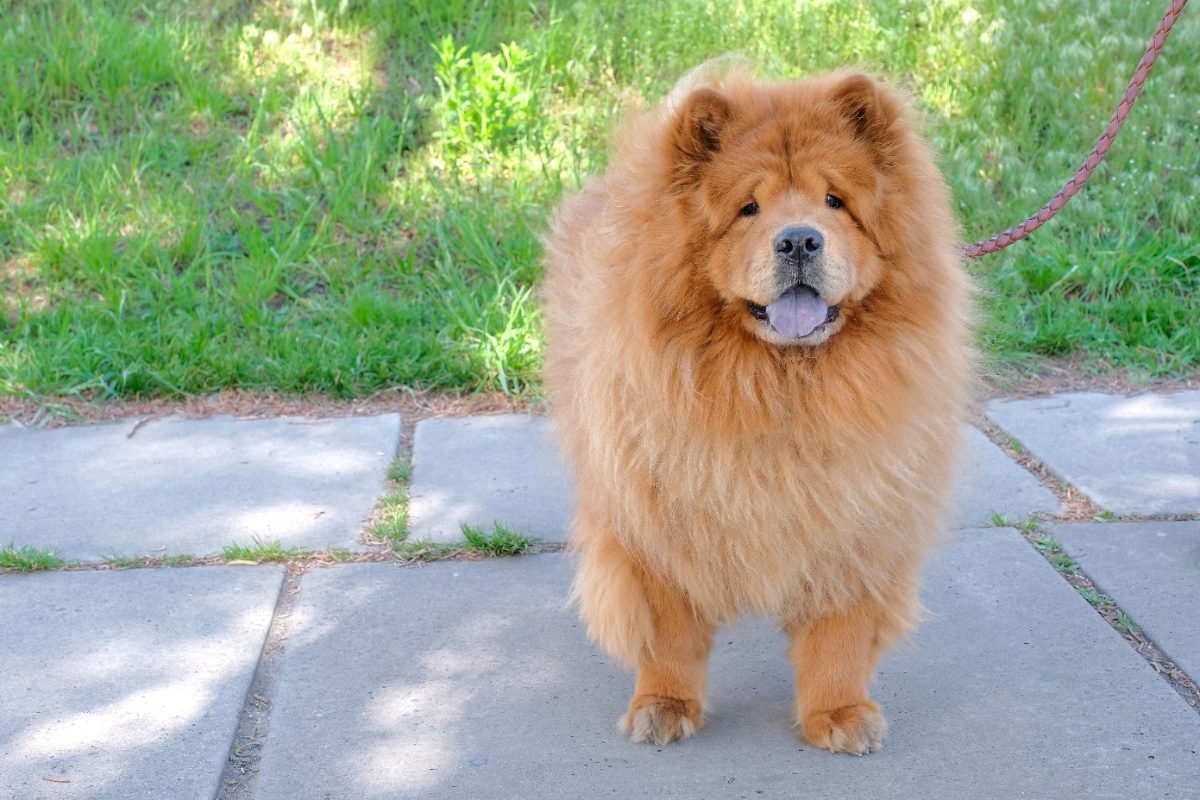
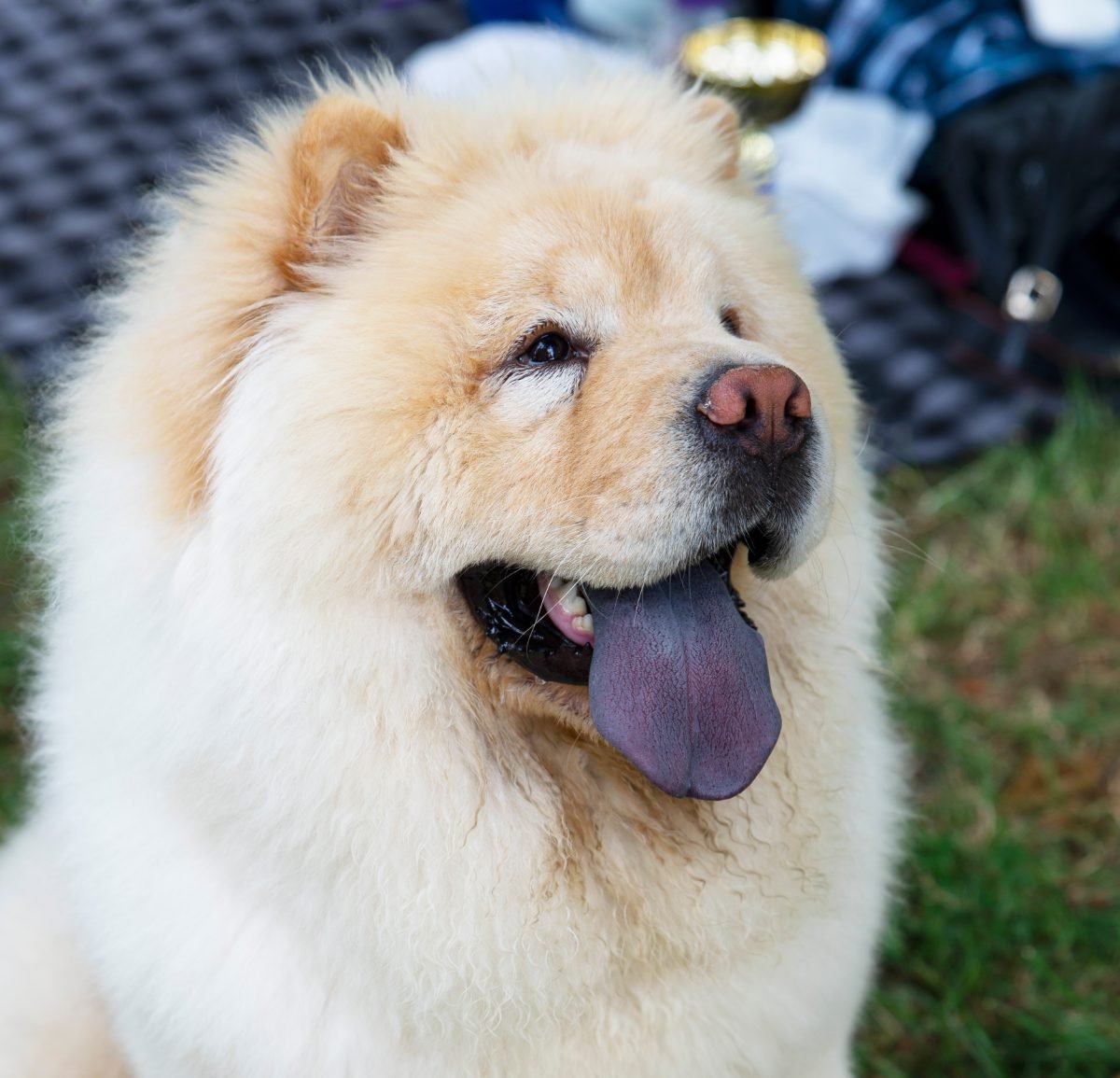
The Chow Chow looks like someone crossed a lion with a teddy bear and gave it a permanent look of mild disappointment. Honestly? That description is not far off the personality either.
This is one of the oldest dog breeds on the planet, and it has spent none of those centuries trying to please anybody. If you want a dog that greets your friends at the door with a wagging tail, close this tab now.
Still here? Good. Because for the right owner, a Chow is one of the most rewarding dogs you will ever live with. Let’s talk about what that actually takes.
What Exactly Is a Chow Chow?
The Chow Chow comes from northern China and dates back at least two thousand years, possibly a lot longer. Ancient artwork shows dogs that look almost identical to modern Chows, which is unusual for any breed.
They worked as hunting dogs, cart pullers and temple guardians. Not as companions. That distinction matters, because it explains why your Chow treats affection as something he grants rather than something he needs.
The Quick Stats
- Height: 17 to 20 inches at the shoulder
- Weight: 45 to 70 pounds
- Lifespan: 8 to 12 years
- Coat: Rough or smooth, both double coated and genuinely enormous
- Colors: Red, black, blue, cinnamon and cream
- Energy: Low to moderate, one of the calmer breeds indoors
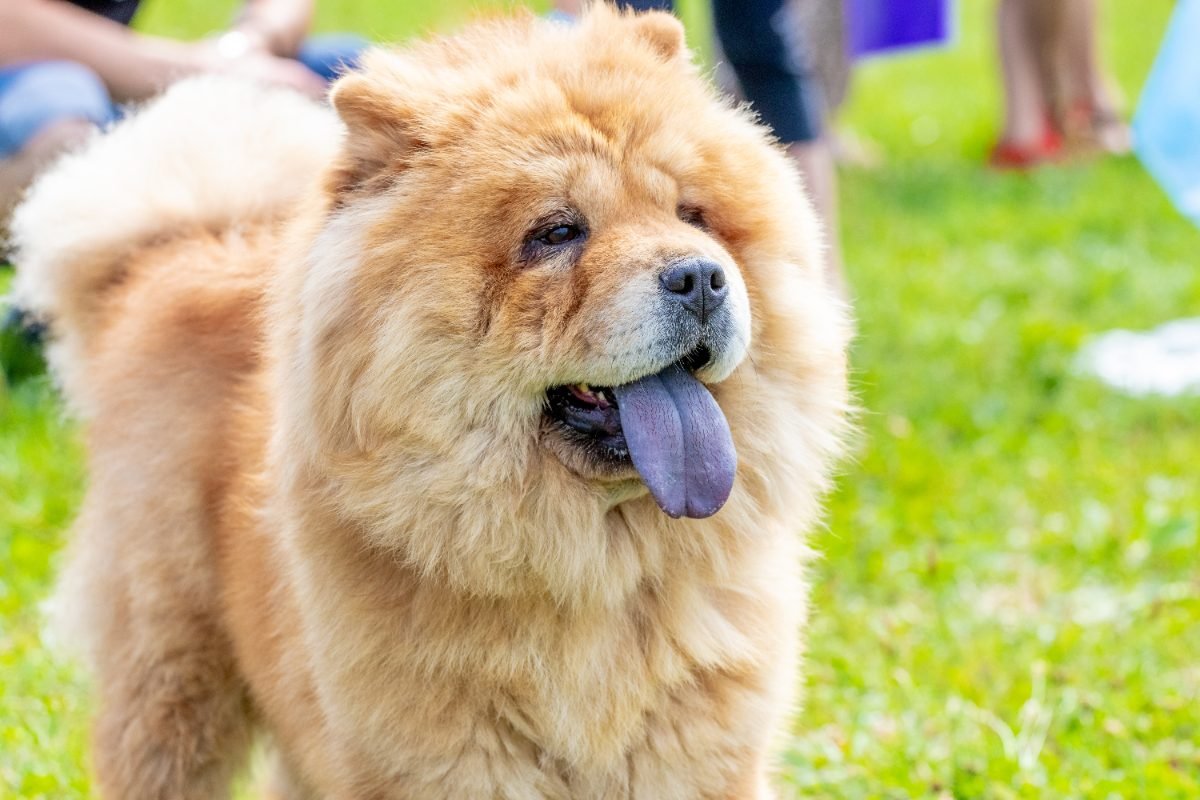
- Famous feature: That blue black tongue, which they are born with
FYI Chows are much smaller than people expect. All that coat adds a visual 20 pounds that does not exist.
The Temperament Is the Whole Story
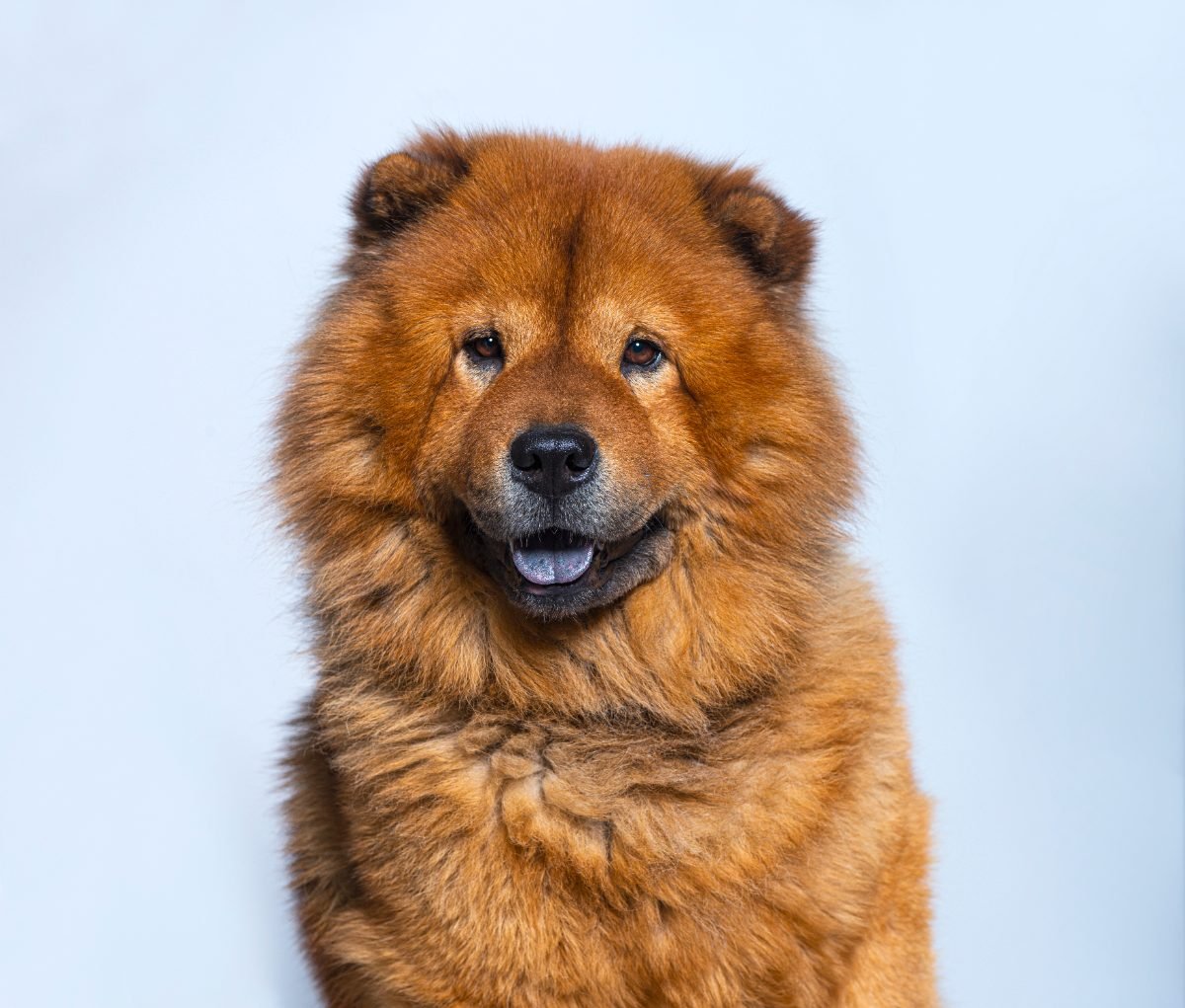
Here is the honest version. A Chow Chow behaves more like a cat than a dog.
He will pick one or two people and bond deeply with them. Everyone else gets polite tolerance at best. He does not fetch, he does not follow you room to room, and he certainly does not care what strangers think of him.
That aloofness gets mistaken for aggression constantly. It usually is not. A well raised Chow is dignified and reserved, not nasty. But he has almost no interest in being handled by people he did not choose, and he will tell you so.
What to expect day to day:
- Deep loyalty to his person, near indifference to everybody else
- Quiet, clean and calm indoors, often described as catlike
- Stubborn to a genuinely impressive degree
- Territorial about his home and his space
- Frequently intolerant of other dogs, especially same sex
- Sensitive to being grabbed, hugged or startled
Socialization Is Not Optional Here
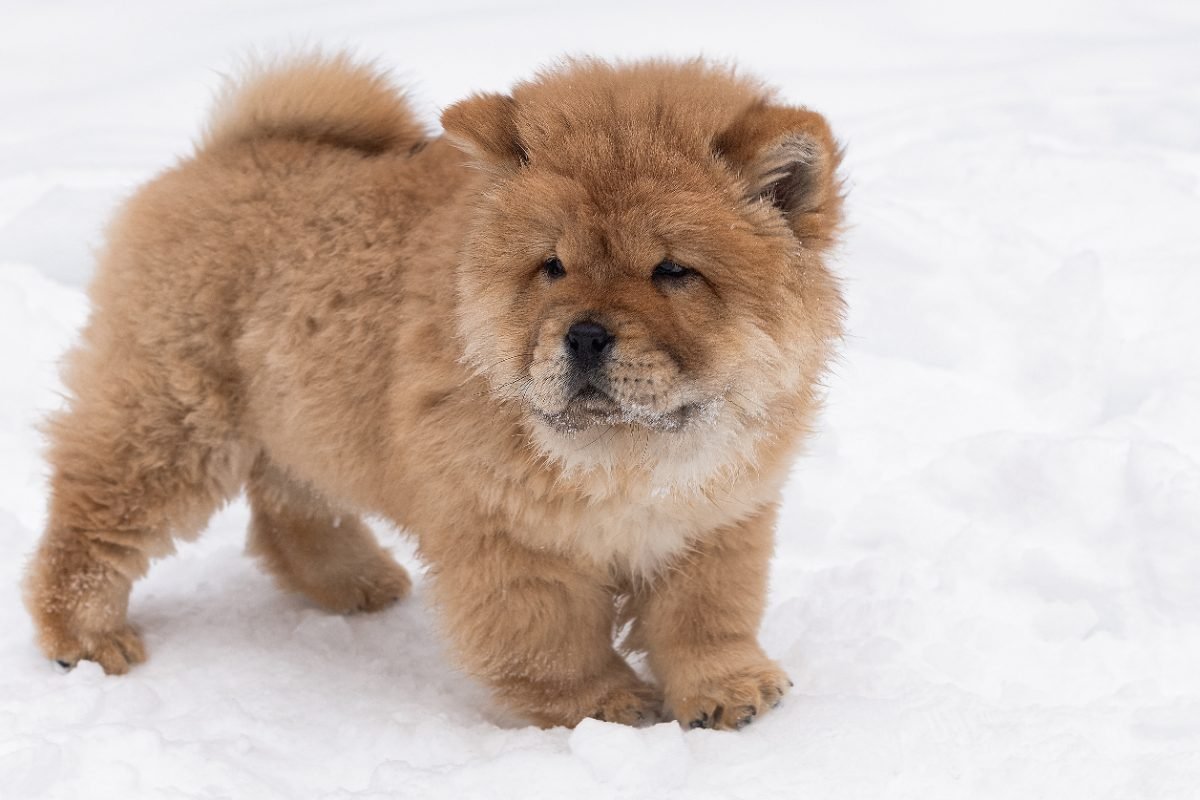
Because the breed defaults to reserved, a Chow who misses early socialization does not become shy. He becomes suspicious, and a suspicious 65 pound dog with a low tolerance for handling is a real problem.
Start before 16 weeks and do not stop at six months. Chows need ongoing exposure well into adulthood or they narrow their circle year after year.
- Introduce new people constantly, but let him approach on his own terms
- Never force strangers to pet him, that teaches him people are pushy
- Practice handling daily, paws, ears, mouth, tail, all of it
- Calm adult dogs only, skip the dog park entirely
- Reward him for choosing to observe rather than react
The handling thing deserves emphasis
Chows hate surprises. They have limited peripheral vision thanks to deep set eyes and all that coat, so being touched from behind genuinely startles them.
Teach children early that this dog gets approached from the front, slowly, or not at all. IMO that single rule prevents most Chow bite incidents you read about.
Training a Dog That Does Not Care About Pleasing You
Most training advice assumes your dog wants your approval. The Chow did not read that book.
He is intelligent, learns quickly and then decides whether the instruction is worth following. Repetition drills bore him into ignoring you completely, which people misread as stupidity. It is not. It is editorial judgment. :/
What works:
- Short sessions, five to ten minutes, then stop while he still cares
- Make it worth his while, high value food, not praise alone
- Ask once, wait, do not nag or repeat the cue five times
- Absolutely no harsh corrections, a Chow will simply shut down or push back
- Start young, adolescent Chows are far harder to convince
Skip force entirely with this breed. You cannot intimidate a Chow into compliance, you can only damage the relationship and end up with a dog who avoids you.
That Coat Is a Second Job
Let’s be blunt about grooming, because it is the thing that surprises new owners most.
A rough coated Chow needs brushing three to four times a week minimum, and daily during shedding season. That coat mats down to the skin if you neglect it, and matted Chow coat means a full shave down at the groomer plus skin infections underneath.
- Line brush properly, do not just skim the top layer
- Pay attention to behind the ears, the ruff and the trousers
- Bathe every 4 to 6 weeks and dry thoroughly, damp undercoat rots
- Never shave a Chow for summer, that coat insulates against heat too
- Nails every 3 weeks, they hate this so start in puppyhood
They blow coat twice a year and it is genuinely spectacular. Plan on vacuuming daily for about three weeks each time. Buy a good vacuum before you buy the dog, seriously.
Exercise Needs Are Refreshingly Modest
Finally, some good news. Chows are not high energy dogs.
Two moderate walks a day, roughly 30 to 45 minutes total, keeps most adults perfectly content. They are happy to spend the rest of the day lying somewhere they can watch you.
- Walk during cool parts of the day, they overheat fast
- Skip running entirely, their build and flat face do not suit it
- Watch for heavy panting, heat stress is a real risk with this coat
- Mental work in short bursts, puzzle feeders work well
A Chow that gets a decent walk and a comfortable spot by the window is a genuinely easy dog to live with.
Health Problems You Should Budget For
This is where the breed gets expensive, so go in with your eyes open.
- Hip and elbow dysplasia, ask for OFA certification on both parents
- Entropion, where eyelids roll inward, extremely common and usually needs surgery
- Heat intolerance, a genuine emergency risk in summer
- Autoimmune conditions, Chows are overrepresented for several
- Gastric torsion (bloat), feed two meals and avoid exercise around eating
- Skin fold and hot spot issues, mostly from moisture trapped in the coat
Entropion surgery alone runs $1,500 to $3,000. Pet insurance is worth serious thought here, ideally bought before any of it shows up.
The Real Cost of a Chow Chow
- Puppy from a reputable breeder: $1,500 to $4,500
- First year including vet, gear and food: $2,000 to $3,500
- Annual after that: $1,500 to $2,500
- Professional grooming if you outsource it: $80 to $120 every 6 weeks
That grooming line is the one people forget. Over a decade it adds up to more than the puppy cost.
Is a Chow Chow Right for You?
Good fit if you:
- Want a calm, quiet, independent dog
- Respect an animal that sets its own boundaries
- Will actually brush a coat several times a week
- Live somewhere with mild summers
- Have experience with stubborn or primitive breeds
Skip this breed if you:
- Want a dog that loves everyone
- Have young children who grab and hug
- Live in a hot climate without solid air conditioning
- Hate grooming or plan to skip it
- Are looking for your first dog
Final Thoughts
The Chow Chow is not aloof because something went wrong. He is aloof because that is what he is, and no amount of training turns him into a golden retriever.
Accept that and you get a dignified, clean, quiet companion who chooses you specifically and stays devoted for life. Fight it and you both end up frustrated.
Brush him properly, socialize him relentlessly, train him in short honest sessions, and keep him cool in summer.
Do that and you will understand why people who own Chows rarely go back to anything else. 🙂
I’ve spent 10+ years in dog training, digging into what makes dogs (and their humans) tick. At Smart Dog Learning, I share my no-nonsense, fun approach to training so you can enjoy life with a well-behaved, happy pup—no boring lectures, just practical results 😉