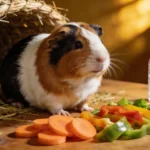
6 Safe Fruits and Vegetables for Guinea Pigs
Guinea pigs live for crunchy snacks. They’ll run to the cage edge like tiny vacuum cleaners the moment they hear a bag rustle.
But not every colorful fruit or veg belongs in their bowl.
Let’s talk about the tasty, safe picks that make their bellies happy and keep you from dialing the emergency vet at 10 p.m.
Why fruits and veggies matter (and how not to overdo it)
Guinea pigs can’t make vitamin C, which means they need it from food. Veggies and fruits fill the gap and keep scurvy far, far away. But you still need balance.
Rule of thumb:
- Base diet: unlimited hay + measured guinea pig pellets.
- Veggies: 1 cup total per pig per day, divided into two servings if possible.
- Fruits: treat status—think 1–2 times per week.
Portion sizes that actually work
- Leafy greens: a handful per pig (variety mix).
- Crunchy veg: 1–2 tablespoons chopped.
- Fruit: 1–2 small pieces—about the size of your thumbnail.
FYI: Introduce new foods slowly. Tiny portion today, a little more tomorrow. Your pig’s gut microbiome prefers gradual change over chaos.
6 safe fruits and veggies your pig will love
Yes, there are more than six safe options out there. But these are easy wins—nutritious, affordable, and generally pig-approved.
1) Bell peppers (red, yellow, green)
Bell peppers are the MVP of the guinea pig world. They pack a serious vitamin C punch without a lot of sugar.
How to serve:
- Remove seeds and white pith.
- Slice into thin strips for easy nibbling.
- Offer daily—especially red or yellow for more vitamin C.
Why they’re great: High vitamin C, low calcium, gentle on tummies. Honestly, if you only pick one veggie, pick this.
2) Romaine lettuce (and friends)
Romaine hits the sweet spot: crunchy, hydrating, and safe. Mix with other greens like green leaf or butterhead for variety.
How to serve:
- Rinse well; pat dry so it doesn’t swamp the bedding.
- Chop or tear into bite-sized pieces.
- Serve most days, but rotate greens to avoid boredom.
Avoid: Iceberg lettuce. It’s basically crunchy water with no nutrients. Your pigs deserve better.
3) Cilantro (coriander)
Cilantro smells like heaven to most pigs. Some humans disagree. Them’s the rules.
How to serve:
- Offer a small handful of leaves and tender stems.
- Rinse well—herbs can hide grit.
- Serve a few times a week to keep variety up.
Why it’s useful: Adds flavor, contributes vitamin C, and encourages picky eaters to try new mixes.
4) Cucumber
Cucumber delivers hydration with a satisfying crunch. It’s basically the spa water of the veggie world.
How to serve:
- Slice thin rounds or little sticks.
- Peel if waxed; remove seeds if your pig gets gassy.
- Offer a few times a week, not daily.
Heads up: Too much cucumber can cause soft stools in sensitive pigs. Moderation wins.
5) Blueberries
Tiny, tasty, and easy to portion—blueberries are perfect as an occasional fruit treat.
How to serve:
- Rinse thoroughly. That “bloom” on the skin traps dust.
- Offer 1–2 berries per pig, 1–2 times a week.
- Watch those little paws—blueberry prints are real.
Why they’re great: Antioxidants and vitamin C, minus the mess of bigger fruits.
6) Apple (no seeds)
Classic, crunchy, crowd-pleasing. Apples make training treats, too.
How to serve:
- Remove seeds completely—apple seeds contain cyanide compounds. Hard no.
- Offer a thin slice or a couple of small cubes.
- Limit to once or twice a week due to sugar.
IMO: Granny Smith or other tart apples work best because they’re a bit lower in sugar than super-sweet varieties.
Smart serving strategies
You don’t need a culinary degree to feed a guinea pig, but a little planning helps. Rotate a few staples through the week and keep portions consistent.
Easy weekly rotation idea
- Daily base: bell pepper + romaine/leafy mix.
- Add-ins: cucumber (2–3x/week), cilantro (3–4x/week).
- Treats: blueberries or apple (1–2x/week total).
Pro tip: Spread out new items so you can spot what causes tummy troubles. If soft poops pop up, roll back the last addition.
Foods to skip (because you like your vet bills low)
Let’s be clear: safe doesn’t mean “everything in the fridge.” Some foods are no-go for guinea pigs.
- Onions, leeks, chives, garlic: Can cause blood issues and GI upset.
- Potatoes and potato leaves: Toxic compounds. Do not experiment.
- Iceberg lettuce: Nutrient-poor and can cause diarrhea.
- Rhubarb (leaves especially): Toxic. Hard pass.
- High-calcium greens daily (kale, spinach): Fine in tiny amounts, but frequent use may contribute to bladder stones.
- Banana and grapes: Very sugary; if you use them at all, make it rare and tiny.
FYI: Seeds, pits, and peels with wax or pesticide residue do not belong in the cage. Wash everything like you mean it.
Make it fun: enrichment with food
Feeding doubles as enrichment. Your pigs want the thrill of the forage, not a boring static bowl.
Try these ideas
- Scatter small veggie pieces around the enclosure for a mini “salad hunt.”
- Stuff pepper strips and cilantro into a hay pile for a sniff-and-dig game.
- Clip leafy greens to the side of the cage at nose level for gentle stretching.
IMO: The 30 seconds it takes to hide food equals 30 minutes of delight for your pigs. Worth it.
How to introduce new foods without drama
New veggie? Start tiny. Monitor poop shape and frequency, and watch for bloating or lethargy.
- Day 1–2: Offer a nibble (thumbnail size).
- Day 3–4: Increase to a tablespoon if all looks normal.
- Day 5+: Add to rotation, but keep total daily veg to about a cup.
If something triggers gassiness or diarrhea, remove it and try again in a few weeks. Some pigs just clap back at certain foods. It’s not personal.
FAQ
Can guinea pigs eat fruit every day?
Nope. Keep fruit to 1–2 times a week because of sugar. Stick to veggie-based vitamin C (like bell peppers) for daily nutrition and use fruit purely as a treat.
How much vitamin C do they need?
Most adult pigs do well with around 20–30 mg of vitamin C daily. A small serving of red or yellow bell pepper covers a big chunk. You can use a vet-approved supplement if needed, but don’t add vitamin C to water—it degrades fast and tastes weird.
What if my guinea pig refuses fresh foods?
Start with ultra-thin pepper strips or herb sprigs mixed into their hay. Offer the same item at the same time daily for a week. Pigs learn by sniffing each other too, so let a confident eater model the behavior.
Are organic veggies necessary?
Not required. If budget allows, great. If not, wash thoroughly under running water and peel waxed produce. The rinse matters more than the label.
Can I meal-prep veggies for the week?
Sort of. Chop enough for 2–3 days, store in airtight containers with a paper towel to absorb moisture, and keep them chilled. Prepped veggies lose crispness fast, so do small batches and refresh with a quick rinse.
Do I need to remove seeds from everything?
Remove dangerous or large seeds (apple seeds, stone fruit pits). Tiny soft seeds in cucumbers or peppers are generally fine, but many pigs prefer pepper seeds removed.
Conclusion
You don’t need a produce PhD to feed your guinea pig well. Build meals around bell peppers, romaine, cilantro, and cucumber, then sprinkle in blueberries or apple as occasional treats. Keep portions sane, wash everything, and rotate for variety. Do that, and your pigs will popcorn like they just won the veggie lottery—because, honestly, they did.

I’ve spent 10+ years in dog training, digging into what makes dogs (and their humans) tick. At Smart Dog Learning, I share my no-nonsense, fun approach to training so you can enjoy life with a well-behaved, happy pup—no boring lectures, just practical results 😉