5 Mistakes New Guinea Pig Owners Make
Your new guinea pigs are adorable, squeaky potatoes with legs—and they deserve better than beginner mistakes. Don’t worry, everyone flubs the basics at first. With a few tweaks, you’ll give your piggies a happy, healthy setup from day one. Ready to dodge the most common pitfalls? Let’s fix the big ones before they become habits.
They Need a Buddy (No, the Mirror Doesn’t Count)
Guinea pigs are social herd animals. They crave companionship from their own kind—no human cuddle routine replaces a piggie friend. A solo pig often becomes shy, depressed, or vocal in a “hey, I’m lonely!” kind of way.
Adopt a pair of the same sex (or have one neutered/spayed by an experienced exotics vet). Bonded duos thrive together. You’ll see more activity, more confidence, and yes—more adorable synchronized zoomies.
But What If One Pig Is Enough?
Sometimes rescues adopt out singles who don’t bond easily. That’s okay—just know it’s the exception, not the rule. If you start with one, keep your eyes open for signs of loneliness and plan for a companion later.
That Tiny Pet Store Cage? Hard Pass.
Pet store cages lie to you with their “starter kit” labels. Most are too small for a loaf of bread, let alone a pair of potato-shaped athletes.
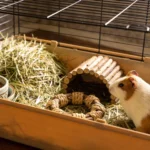
Minimum space for two pigs: 7.5 square feet, but more is better. C&C cages (cubes and coroplast) or large, flat-bottomed enclosures beat tall or multi-level habitats. You want floor space, not hamster skyscrapers.
- Skip wire floors—those can cause sore feet and infections.
- Give them room to sprint in straight lines (yes, they sprint!).
- Add multiple hideouts to reduce bickering over “real estate.”
Easy Bedding Setup
Use paper bedding or fleece liners with absorbent layers underneath. Spot-clean daily and do a full clean weekly. Avoid cedar or non-kiln-dried pine—aromatic oils = respiratory irritation. Your nose and their lungs will thank you.
Hay Isn’t a Side Dish—It’s the Whole Menu
If you remember one thing, remember this: hay is 80–90% of a guinea pig’s diet. It keeps their teeth in check and their gut moving. Don’t replace it with pellets. Don’t ration it. Pile it high.
- Timothy hay works for most adults. Orchard grass is great if allergies hit.
- Offer unlimited hay—refill it multiple times a day.
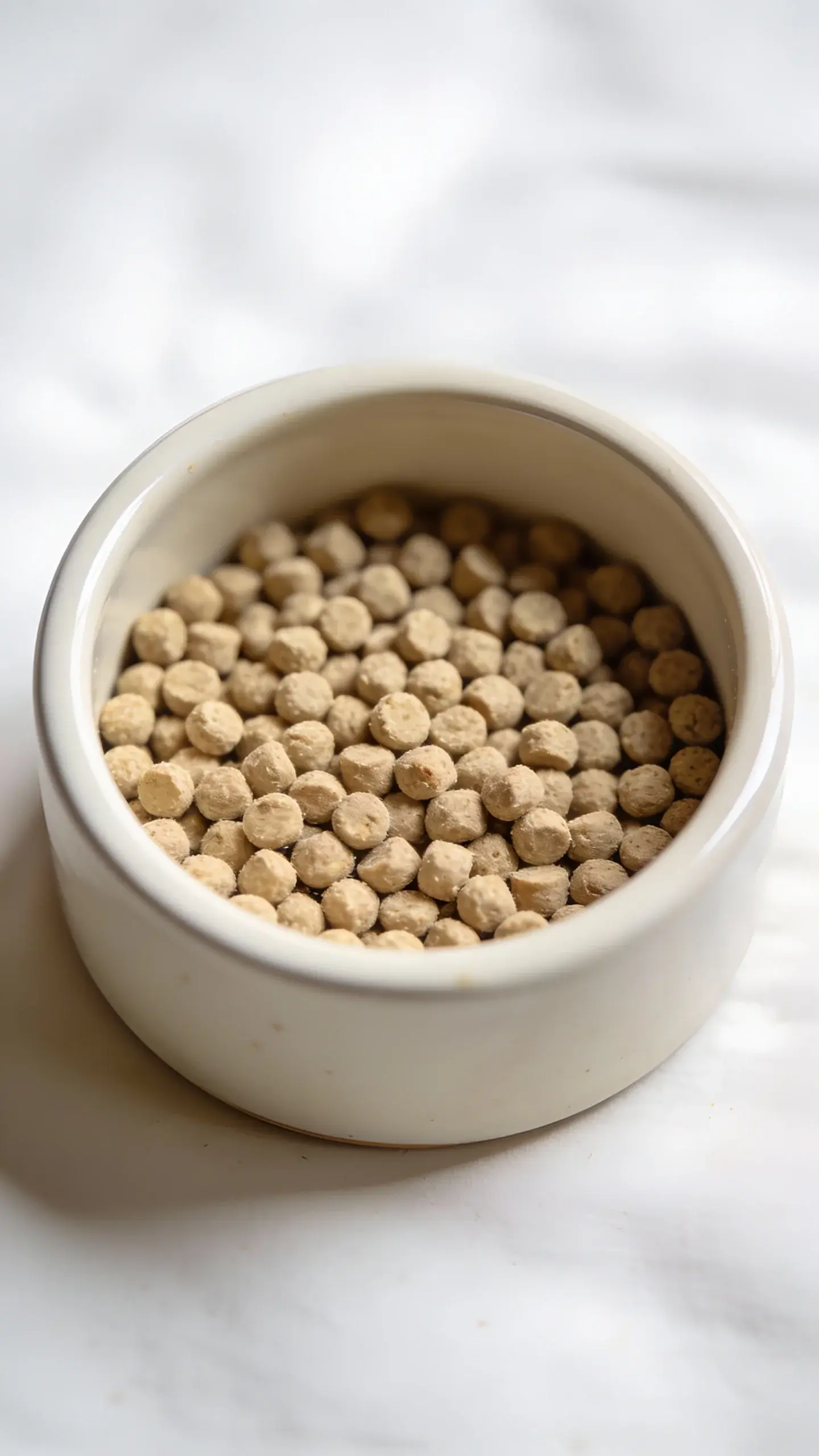
- Pellets (plain, timothy-based) = small side portion. No colored bits or seeds.
Veggies and Vitamin C
Guinea pigs can’t make their own vitamin C. Daily vitamin C is non-negotiable, either in the pellets (fresh, not old) or through veggies.
- Great picks: bell peppers, cilantro, romaine, cucumber, leafy greens.
- Skip: iceberg lettuce (meh nutrition), onions, potatoes, and anything gas-inducing like cabbage in big amounts.
- Fruit is a treat, not a habit.
FYI: Don’t add vitamin C drops to water—flavor changes can make them drink less.
Hiding Isn’t Shyness—It’s Survival Mode
New pig owners often think a timid pig needs more handling to “get used to it.” That backfires. Guinea pigs are prey animals. They love tunnels, hideouts, and predictable routines. Handle them gently and briefly at first, then build up.
Give them at least two hideouts per pig so no one gets bullied out. Add tunnels, fleece forests, and platforms (low and safe). When you approach, announce yourself—soft voices and rustling hay beats looming like a hawk.
Taming Without Tears
Try this chill routine:
- Hand-feed veggies through the bars for a few days.
- Place your hand in the cage with a treat and wait.
- Short, supported pickups—always scoop from underneath, never grab from above.
- Lap time on a towel with veggies = trust machine.
IMO, patience beats any “fast-taming” hack you’ll see online.
Underestimating Health Needs (They’re Not Low-Maintenance)
Guinea pigs hide pain like little fluffy stoics. You need to watch closely. A pig that stops eating or pooping for even 6–8 hours can develop GI stasis—a fast, serious emergency.
Find an exotics vet before you need one. Book a wellness exam early. Keep a scale at home and weigh weekly. Weight drops often flag illness before anything else.
- Trim nails every 3–4 weeks.
- Check eyes, nose, and breathing—no discharge, no wheezing.
- Monitor teeth—drooling, dropping food, or picky eating can signal malocclusion.
- Boars: check grease gland and for impaction as they age.
Emergency Toolkit
Have this on hand:
- Critical Care (or similar syringe-feeding formula)
- 1–3 ml syringes
- Nail clippers and styptic powder
- Kitchen scale (grams)
- Spare fleece liners or towels
When in doubt, call the vet sooner rather than later. Internet forums can’t palpate a pig.
Ignoring Grooming and Enrichment (AKA Boredom City)
Short-haired breeds need minimal brushing. Long-haired floofs? They matt fast. A quick weekly brush prevents knots, hay tangles, and mystery debris (how does hay get everywhere?).
Beyond grooming, enrichment keeps pig brains happy. Rotate toys weekly so they don’t ignore their “new” old stuff by day two.
- Cardboard tunnels and hay-stuffed paper rolls
- Forage boxes with pellets and dried herbs
- Safe wooden chews (skip dyed junk)
- Floor time in a secure playpen with hideouts
You don’t need fancy gear. A paper bag stuffed with hay? Instant pig party.
Cleanliness Isn’t Optional (But It Doesn’t Need to Be a Chore)
Dirty cages smell. Clean cages don’t. It’s that simple. Spot-clean daily—remove wet bedding and poop piles. Do a full clean weekly with a pet-safe cleaner or diluted vinegar. Rinse and dry thoroughly before refilling.
Litter training doesn’t really work, but you can place hay racks over a “kitchen” area with absorbent bedding to localize mess. It won’t be perfect, but it will help.
Odor Control Tips
- Use high-quality, unscented paper bedding or well-washed fleece.
- Add a second water bottle to reduce leaks in one area.
- Ventilation matters—don’t cover the cage fully with blankets.
FYI: If you smell ammonia, your cleaning schedule isn’t frequent enough.
FAQ
How much should guinea pigs eat every day?
Unlimited hay, a measured portion of plain pellets (about 1/8 cup per pig), and 1 cup of fresh veggies per pig per day. Split veggies into two servings if you can. Water should be fresh daily.
Can kids handle guinea pigs?
Yes, with supervision. Teach kids to sit on the floor for handling, support the pig’s body, and avoid sudden grabs. Guinea pigs break trust fast if mishandled, so gentle and predictable wins.
What temperature do guinea pigs need?
They prefer 65–75°F (18–24°C). Avoid drafts, heat vents, and direct sunlight. Heat stress hits harder than cold—keep them cool in summer with ceramic tiles or frozen water bottles wrapped in cloth.
Do they need baths?
Not usually. Spot-clean dirty fur and brush regularly. Bathing strips oils and can chill them. Only bathe if your vet recommends it or if they got into something truly gross.
How do I introduce two guinea pigs?
Neutral territory, side-by-side cages for a few days, then a supervised meet with heaps of hay. Expect rumbling, chasing, and mild dominance behaviors. No blood, no foul. If you see real fighting, separate and try again later.
What’s the best flooring under the cage?
A waterproof base like coroplast or a plastic tray works best. Add fleece with absorbent pads or a thick layer of paper bedding on top. Avoid bare wire or slippery surfaces.
Wrapping It Up
Guinea pigs aren’t complicated, but they aren’t “set-and-forget” pets either. Give them space, a friend, mountains of hay, and a clean, enriching home. Keep an eye on their health and build trust slowly. Do that, and you’ll get the best soundtrack ever: happy wheeks, popcorn jumps, and tiny noses begging for snacks—IMO, the ultimate return on investment.

I’ve spent 10+ years in dog training, digging into what makes dogs (and their humans) tick. At Smart Dog Learning, I share my no-nonsense, fun approach to training so you can enjoy life with a well-behaved, happy pup—no boring lectures, just practical results 😉