7 Essential Supplies Every Guinea Pig Owner Needs
Guinea pigs don’t need fancy gadgets—they need the right basics done well. Start with comfort, safety, and good nutrition, and you’ll have a happy, squeaky potato with legs. Skip the fluff, avoid the gimmicks, and focus on supplies that actually matter. Ready to build a setup your piggies will love?
A Spacious, Safe Habitat
Your guinea pigs need room to roam, zoom, and flop dramatically. Tiny pet-store cages don’t cut it. Aim for a minimum of 7.5 square feet for one or two pigs, but more space always wins.
Best Cage Styles
- C&C cages (cubes and coroplast): Affordable, customizable, and easy to clean.
- Large, single-level cages with solid floors: Avoid wire bottoms—ouch.
- Exercise pens (indoor playpens): Great for floor time or modular setups.
Want levels? Keep ramps gentle and ensure the top level is safe. Guinea pigs don’t do parkour, and they’ll prove it.
Comfortable, Low-Dust Bedding
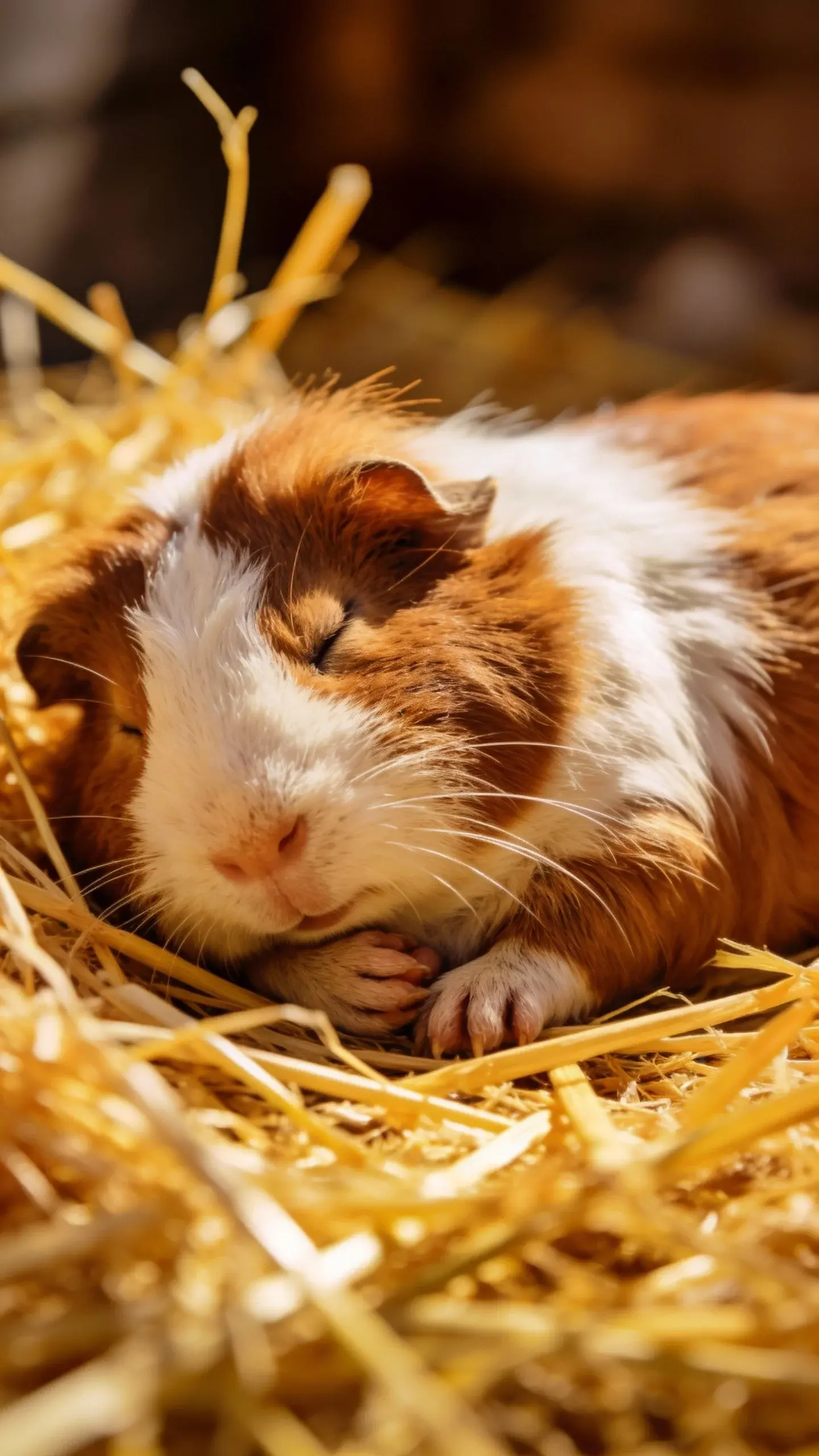
Bedding affects health and your nose. You want something soft, absorbent, and low-dust. Your piggies live close to the ground, literally.
Top Bedding Options
- Paper bedding: Soft, absorbent, and easy on paws. Look for unscented, low-dust brands.
- Fleece liners: Reusable, comfy, and cute. Pair with an absorbent layer underneath and wash regularly.
- Avoid cedar and pine shavings (unless kiln-dried pine): Aromatic oils can irritate lungs.
Spot-clean daily. Full refresh once or twice a week. Your future self (and your piggies’ lungs) will thank you.
High-Quality Hay, Always
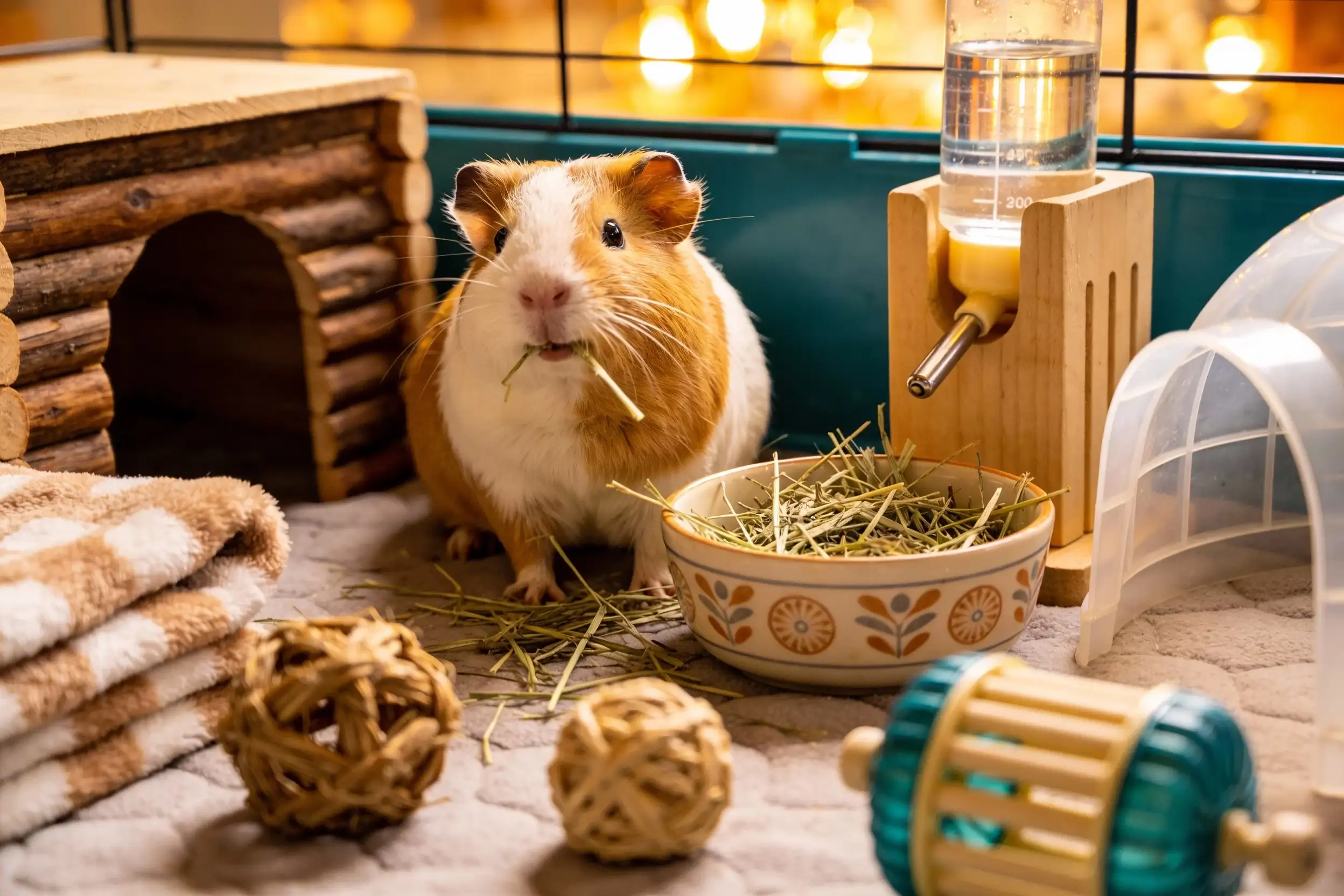
Hay isn’t optional. It’s the main event. Guinea pigs need fresh hay available 24/7 for digestive health and dental wear. Timothy hay works for most adults, while orchard grass helps if someone’s sneezy.
How Much Hay?
A lot. Like a constant, overflowing pile. If you can’t see hay, they think you forgot to feed them and will make dramatic noises.
Hay Storage and Feeders
- Store hay in a cool, dry place—not sealed airtight.
- Use a hay rack or hay bag to reduce mess, but always keep extra on the floor for comfortable munching.
Pellets and Fresh Veggies
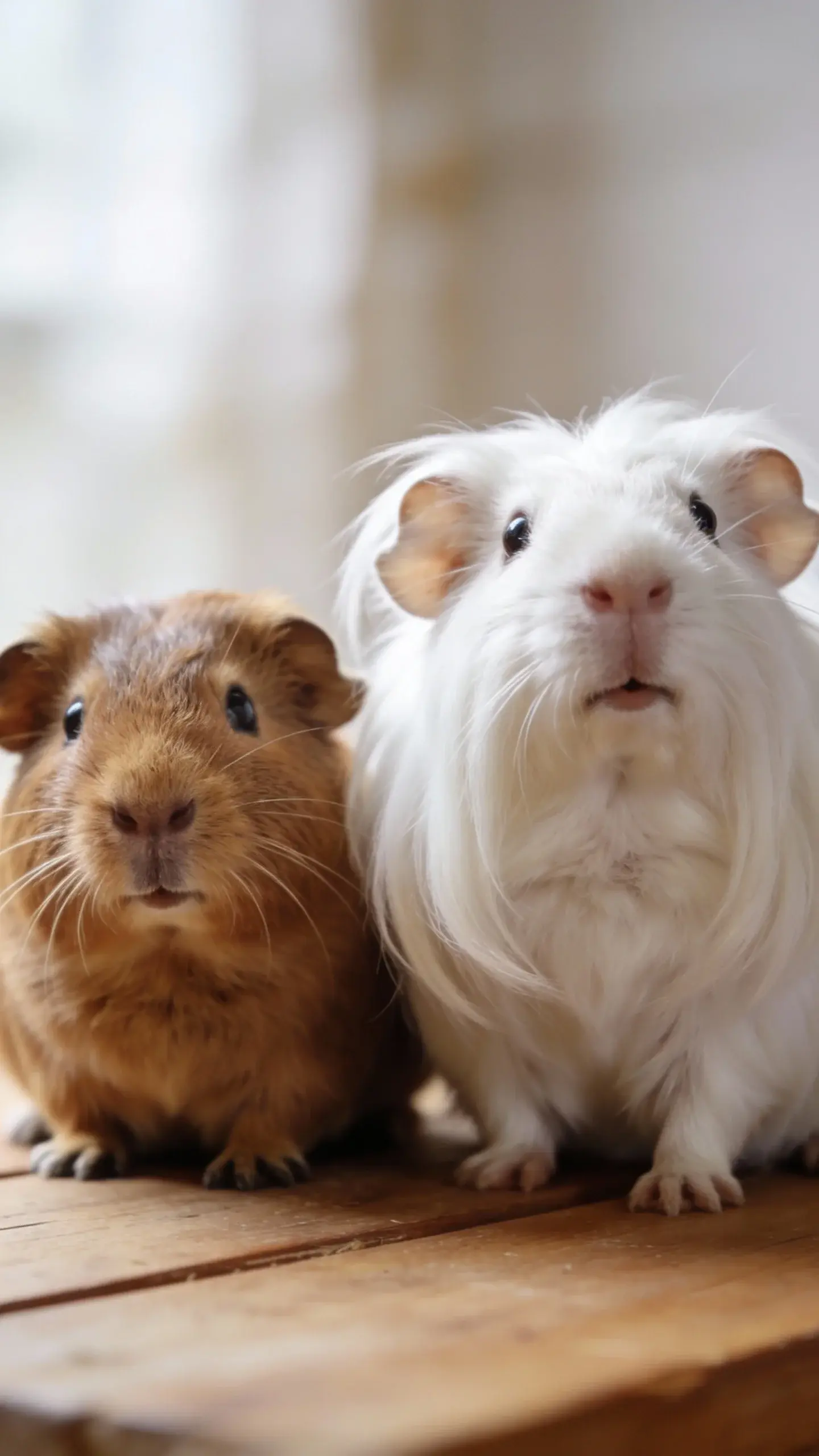
Hay does most of the heavy lifting, but pellets and veggies round out the diet. Choose a plain, timothy-based pellet with vitamin C—no colorful bits, seeds, or mystery chunks.
Pellet Guidelines
- Adults: about 1/8 cup per pig per day.
- Younger pigs or pregnant sows: alfalfa-based pellets may be appropriate short term.
Veggie Must-Haves
Guinea pigs can’t produce vitamin C, so you’ll supply it with veggies daily.
- Go-to greens: romaine, green leaf, red leaf, cilantro, bell peppers.
- Limit: carrots, kale, spinach—great occasionally, not daily.
- Avoid: iceberg lettuce (basically crunchy water), onions, potatoes.
Wash everything. Chop to manageable sizes. And yes, they will act like you’re late to dinner every day.
Hideouts and Enrichment
Shy by nature, guinea pigs need safe spaces. Provide at least one hide per pig so no one becomes the awkward third wheel.
Great Hideout Options
- Plastic igloos or wooden huts—sturdy and easy to clean.
- Fleece tunnels and snuggle sacks—cozy and adorable, but wash often.
- Cardboard boxes—cheap, cheerful, and chew-friendly.
Toys That Actually Work
- Chew toys: apple sticks, hay cubes, untreated willow.
- Foraging fun: stuff hay in paper bags or toilet paper rolls (no glue residue).
- Floor-time obstacles: tunnels, low ramps, crinkle mats.
IMO, the best enrichment is space and variety. Rotate toys weekly, and they’ll act like it’s a brand-new theme park.
Water Bottles (and Bowls, Maybe)
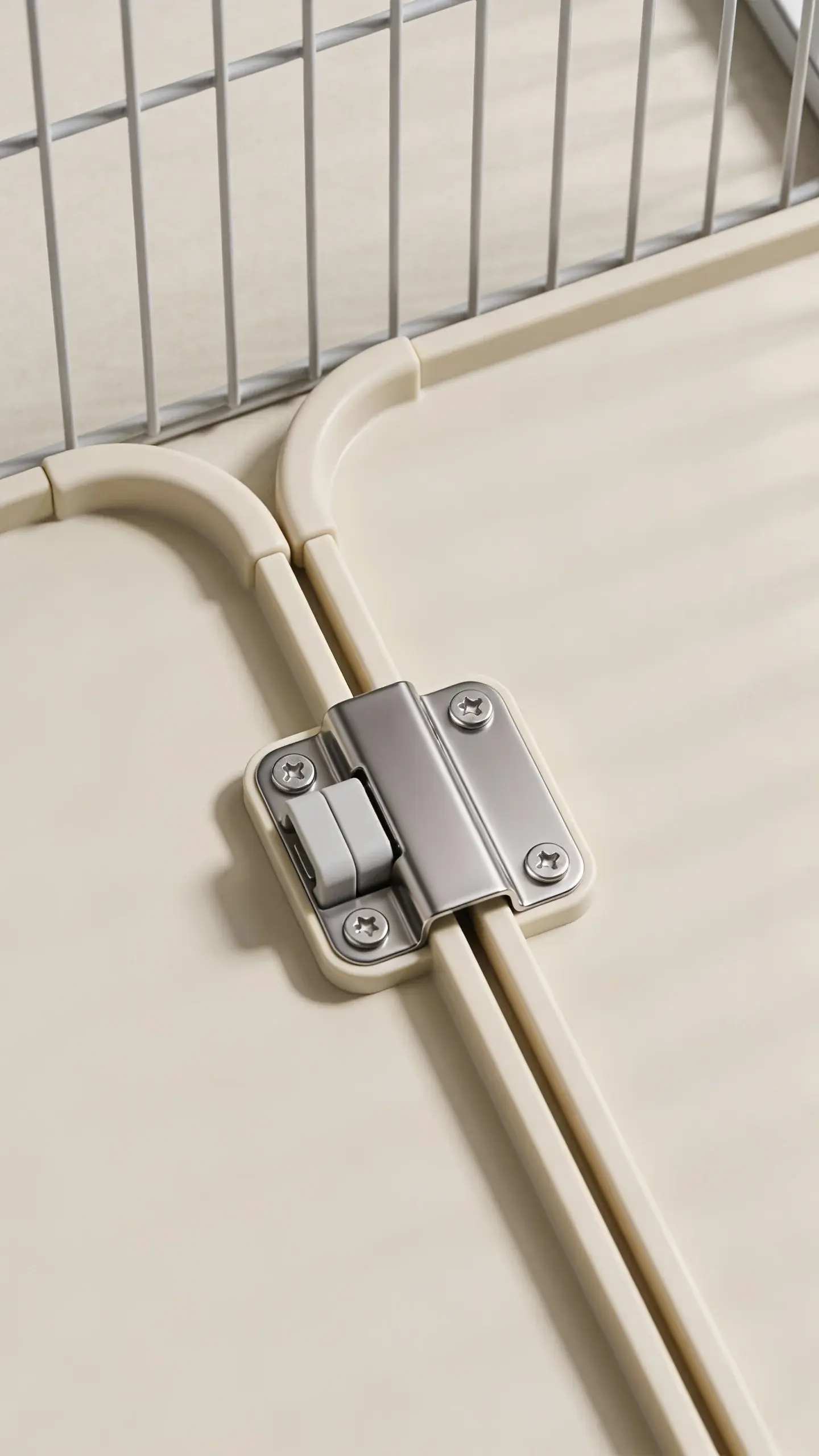
Hydration matters. Most piggies do great with a drip-resistant water bottle mounted at a comfortable height. Clean and refill daily.
Bottle Tips
- Choose a glass or BPA-free plastic bottle with a metal spout.
- Check for leaks and test the ball bearing regularly.
- Place one bottle per pig to avoid squabbles.
What About Water Bowls?
Bowls are fine for some pigs, but they tip and get messy fast. If you use one, choose a heavy, low bowl and refresh often. FYI, bowls can collect bedding confetti within minutes.
Grooming and Health Essentials
You don’t need a veterinary degree, but you do need a small toolkit. These basics keep your piglets comfy and catch issues early.
Toolkit Checklist
- Nail clippers (small animal or human): Trim every 3–4 weeks.
- Soft brush: Especially for long-haired breeds to prevent mats.
- Digital kitchen scale: Weigh weekly. Weight loss = early red flag.
- Saline and cotton pads: For minor eye cleaning.
- First aid basics: styptic powder for nail nicks, a clean towel, and your vet’s number.
Litter and Cleanup Aids
- Poop scooper or handheld vacuum for daily spot-cleaning.
- Pet-safe disinfectant or diluted vinegar for cage cleaning.
- Fleece “potty pads” under hay racks where they love to… multitask.
You’ll develop a routine fast. Five minutes a day beats a giant weekend cleanup, IMO.
Bonus: The Right Companionship
Not a product, but it’s essential. Guinea pigs are social and thrive with a buddy. Consider adopting same-sex pairs (or a neutered/spayed combo). More wheeks, less loneliness.
Introducing New Pigs
- Quarantine new arrivals for a couple of weeks if possible.
- Introduce on neutral territory with lots of hay and hides.
- Expect some rumble-strutting. That’s pig for “I’m fabulous.”
FAQs
How much space do two guinea pigs really need?
Aim for at least 7.5–10.5 square feet, with more if you can. Bigger spaces reduce squabbles and zoomie crashes. C&C setups make expanding easy, so you can level up as you go.
Which hay is best for adult guinea pigs?
Timothy hay is the standard, but orchard grass or meadow hay works well too. Variety keeps things interesting. Just keep it fresh, dry, and always available.
Do guinea pigs need vitamin C supplements?
You can meet their needs with vitamin C–rich veggies like bell peppers and leafy greens. If your pig’s picky or recovering from illness, a vet-approved vitamin C supplement helps. Avoid drops in water—they degrade fast and can change the taste.
What bedding controls odor best?
High-quality paper bedding paired with daily spot-cleaning does great. Fleece works well if you wash routinely and use an absorbent layer underneath. Avoid scented products—those “fresh meadow” perfumes don’t fool anyone.
Can I use wood shavings?
Kiln-dried pine works in a pinch, but check dust levels. Avoid cedar entirely due to aromatic oils. If your pig sneezes or you notice irritation, switch to paper or fleece.
How often should I clean the cage?
Spot-clean daily and do a full clean once or twice a week, depending on cage size and number of pigs. Replace bedding, wipe surfaces with pet-safe cleaner, and wash fleece on hot. Your piggies will celebrate by immediately redecorating.
Conclusion
Set your guinea pigs up with space, comfort, and a simple, healthy diet, and you’ll get endless wheeks, popcorn jumps, and heart-melting side-eye. Focus on the essentials: a roomy habitat, quality hay, sensible pellets, fresh veggies, cozy hides, clean water, and a basic grooming kit. Do those well and you’ve nailed it—no gimmicks required. Now go spoil those squeaky potatoes (responsibly), FYI.

I’ve spent 10+ years in dog training, digging into what makes dogs (and their humans) tick. At Smart Dog Learning, I share my no-nonsense, fun approach to training so you can enjoy life with a well-behaved, happy pup—no boring lectures, just practical results 😉