How to Keep Your Guinea Pig Happy & Socialized
Guinea pigs don’t ask for much: fresh hay, good snacks, and a bestie to squeak at. But keeping them actually happy and socialized? That takes a little strategy. The good news: it’s fun, adorable, and not rocket science. Let’s set your piggies up for their best, most wheek-tastic life.
Understand What Makes a Guinea Pig Tick
Guinea pigs are herd animals. They thrive with company and routine. If you try to treat them like a solo, low-maintenance pet, they’ll get bored and stressed.
They communicate constantly with body language and sounds. You’ll hear purrs, chirps, rumbles, and the legendary wheek. Learn those signals and you’ll understand your pig’s mood in seconds.
Big takeaway: Social time isn’t optional. It’s a core need, like hay and water.
Housemates: Why Two Pigs Are Better Than One
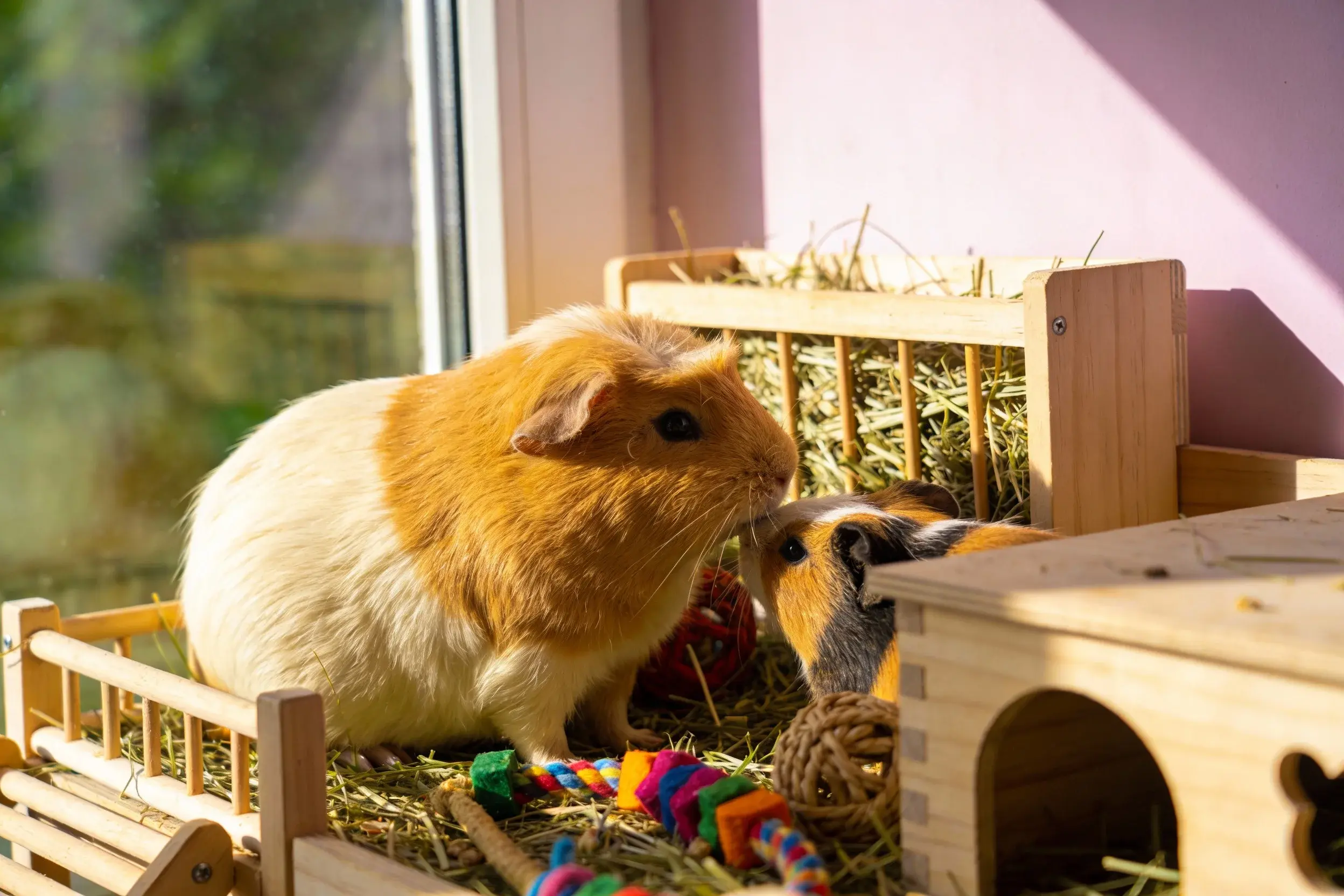
I’ll say it: guinea pigs need friends. They groom each other, nap together, and “talk” nonstop. A bonded pair feels secure and stays more active.
- Best combos: Two females, or two neutered males. Mixed sexes work too if at least one is fixed.
- Space matters: Bigger cage = less bickering. Aim for at least 7.5–10.5 sq ft for two pigs.
- Match personalities: Chill + chill works. Bossy + bossy? Eh, prepare for drama.
Introducing New Pigs Without the Soap Opera
Use a neutral area with multiple hideouts and two of everything. Watch for chasing and rumble-strutting (normal). Separate only if blood gets drawn. Then try again slowly. Patience beats panic, IMO.
Cage Setup That Encourages Play, Not Sulking
A comfy cage isn’t just cute; it shapes their behavior. Make it a mini playground and you’ll get happier, more confident pigs.
- Bedding: Paper-based or fleece liners. Avoid cedar and pine shavings that release aromatic oils.
- Zones: Create a sleeping corner, a hay corner, and a play lane for zoomies.
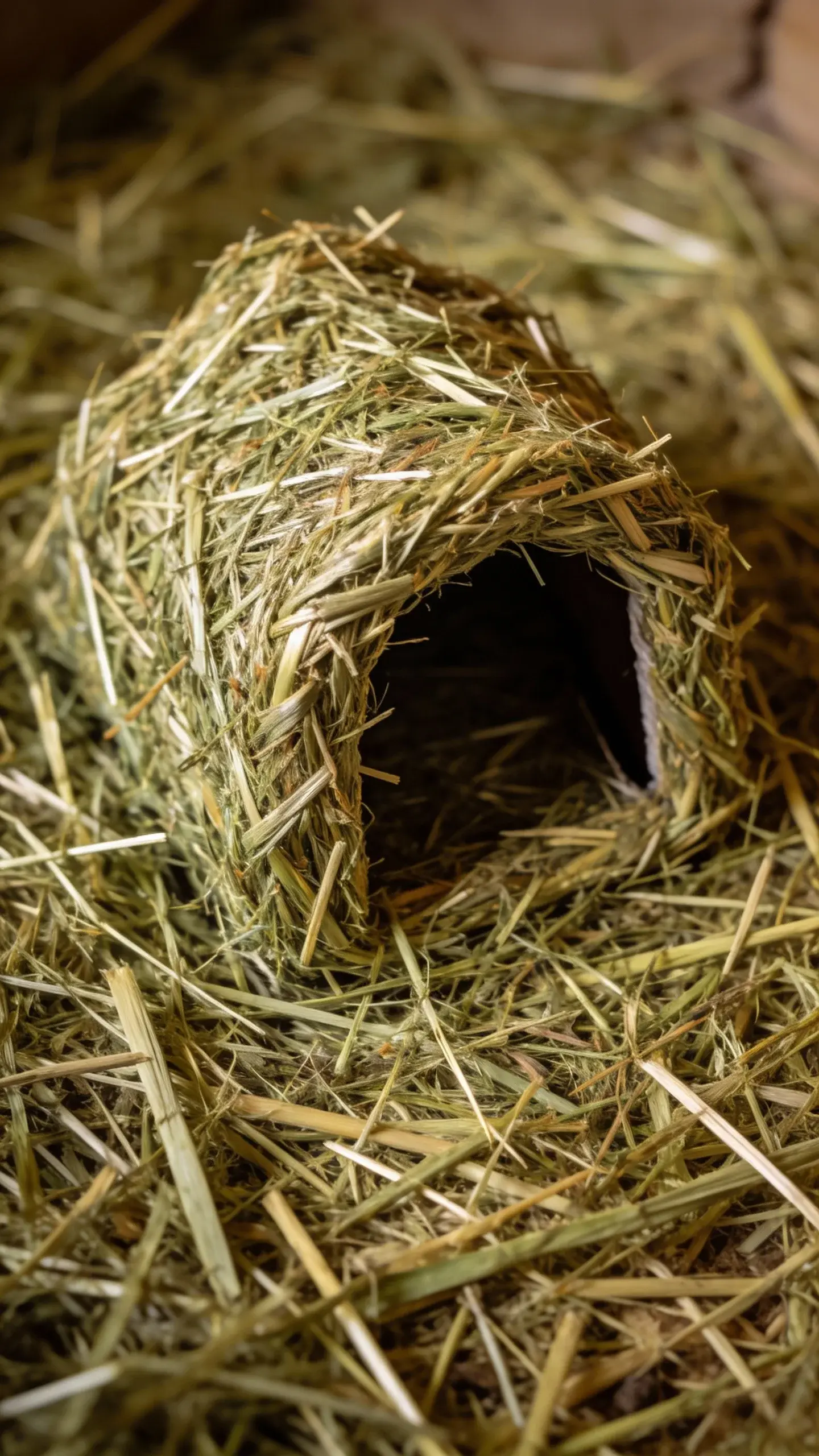
- Hides: Provide at least one hide per pig + 1 extra. No dead-end huts—choose two-exit tunnels.
- Chews & toys: Willow sticks, cardboard, hay balls. Skip plastic junk that breaks easily.
- Lighting & noise: Keep the cage in a quieter room with normal day/night cycles.
Enrichment They’ll Actually Use
Rotate toys weekly. Scatter-feed veggies to encourage foraging. Stuff hay in paper bags or toilet roll tubes (remove glue bits). Add a low ramp or step for gentle climbing. FYI, guinea pigs aren’t acrobats—keep everything stable and low.
Daily Social Time: Your Bonding Blueprint
Your pigs won’t turn into lap potatoes overnight. Build trust with consistent, positive moments.
- Talk softly when you approach. Use the same phrases daily (“veggie time!”).
- Offer hand-fed treats: herbs, tiny bell pepper strips, cucumber slices.
- Short lap sessions: Start with 5 minutes on a towel, then gradually extend.
- Floor time in a safe pen: 15–30 minutes of exploration with tunnels and snuffle mats.
Reading the Vibes: Happy vs. Not-So-Happy
- Happy signs: Popcorning (little jumps), gentle purring, curious sniffing.
- Stressed signs: Teeth chattering, freezing, frantic running, hiding nonstop.
- Adjust as needed: Slow down, reduce noise, and reward calm behavior.
Nutrition That Fuels Mood and Health
A good diet doesn’t just keep them alive—it keeps them calm and social. A pig with tummy troubles won’t feel chatty.
- Unlimited hay (timothy, orchard grass). This is 80% of their diet.
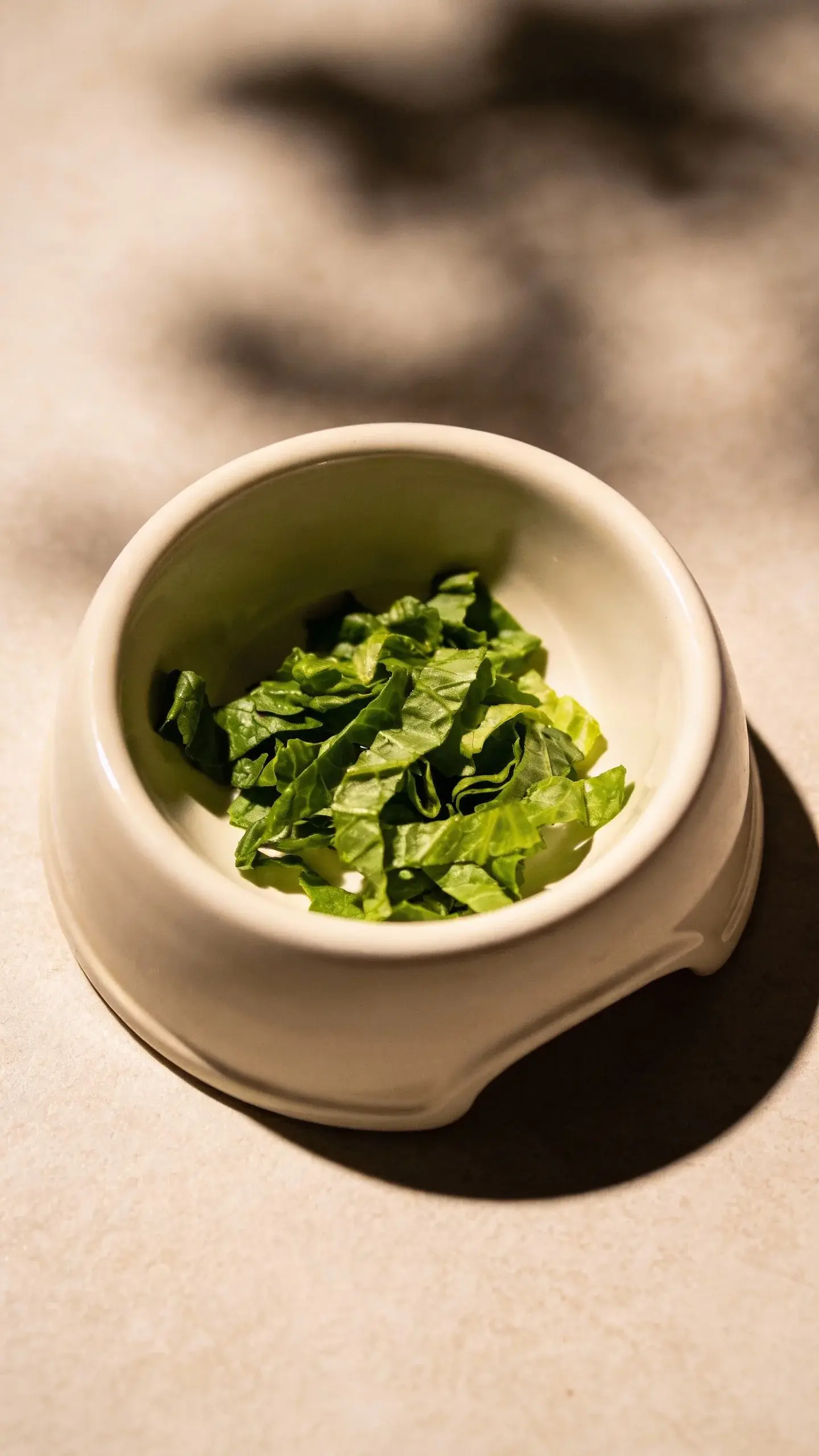
- Daily veggies: 1 cup per pig. Focus on leafy greens like romaine, cilantro, and green leaf.
- Vitamin C: Offer bell peppers or a stabilized vitamin C supplement if needed. They can’t make their own.
- Pellets: Plain timothy-based pellets, no seeds or colored bits. Around 1/8 cup per pig daily.
- Fresh water: Clean bottle or bowl daily. Bowls encourage better hydration IMO, but some pigs splash.
Treats That Don’t Wreck Their Gut
Keep sugary fruits rare. Tiny blueberry? Sure. Apple slice? Fine occasionally. Skip yogurt drops and seed sticks. Your pig’s gut bacteria will send you hate mail if you overdo it.
Routine, Cleanliness, and Health Checks
Guinea pigs love routine. It makes them feel safe and social. You’ll see more confident behavior when they know what’s coming.
- Cleaning: Spot clean daily. Full clean 1–2 times per week. Wash fleece on hot, no fabric softener.
- Nail trims: Every 3–4 weeks. Use small pet clippers and a steady hand.
- Weigh-ins: Weekly on a kitchen scale. Sudden weight loss = vet visit.
- Grooming: Long-haired breeds need regular brushing. Short hairs need occasional brush-outs.
When to Call the Vet
If you see labored breathing, crusty eyes, lethargy, diarrhea, or no poops, contact an exotics vet fast. Guinea pigs hide pain. They act normal until they don’t—then it’s urgent.
Make Socialization a Family Affair
More hands can mean more cuddles, as long as everyone follows the same rules. Teach kids how to gently scoop (support chest and rump) and how to listen for “I’m done” signals. Set a timer for holding sessions to keep things positive.
Create a “piggy schedule” on the fridge:
- Morning: Hay top-up, fresh water, quick chat.
- Afternoon: Veggies and a 10-minute hangout.
- Evening: Floor time, cage tidy, bedtime hay mountain.
Consistency builds trust—and trust builds those adorable purrs.
FAQ
Can a guinea pig live alone?
Technically yes, but it isn’t ideal. Most single pigs get lonely and less active. If you can’t keep a pair, you must compensate with extra daily interaction, enrichment, and routine. Still, a bonded companion is the best “toy” you’ll ever provide.
How long does bonding two guinea pigs take?
Anywhere from a few hours to a few weeks. Start with side-by-side cages so they can smell and see each other. Then do neutral-territory intros with two of everything. Expect some rumble-strutting and mounting. If blood gets drawn, separate and try again later. Patience saves the bond.
What are the best toys for guinea pigs?
Think chewable and forage-able: hay-stuffed paper bags, willow balls, cardboard tunnels, and fleece forests. Rotate toys weekly to keep things fresh. If your pig ignores a toy, switch it out and try again in a few days. Variety keeps their brains busy.
How much floor time do they need?
Aim for 15–60 minutes daily. Use a secure playpen with no cables, plants, or tiny gaps. Scatter a few veggie bits to encourage exploring. You’ll get better social behavior when they burn off energy outside the cage.
Why does my guinea pig chatter its teeth at me?
Teeth chattering screams “back off.” Something feels scary, too loud, or too close. Give space, lower noise, and try a calmer approach with hand-fed treats. Once they trust you, the chattering usually fades.
Do male guinea pigs always fight?
Nope. Many male pairs live peacefully, especially if you give ample space, identical resources, and a calm environment. Neutering can reduce hormone-driven tension, but personality and setup matter more than gender alone.
Conclusion
Happy, social guinea pigs don’t happen by accident. You create their joy with companionship, space, routine, and daily little moments. Give them a buddy, serve great hay, rotate fun toys, and show up consistently. Do that, and you’ll get the best soundtrack in the world: contented piggy purrs and the occasional victory wheek, FYI.

I’ve spent 10+ years in dog training, digging into what makes dogs (and their humans) tick. At Smart Dog Learning, I share my no-nonsense, fun approach to training so you can enjoy life with a well-behaved, happy pup—no boring lectures, just practical results 😉