How to Feed a Healthy Diet to Your Guinea Pig
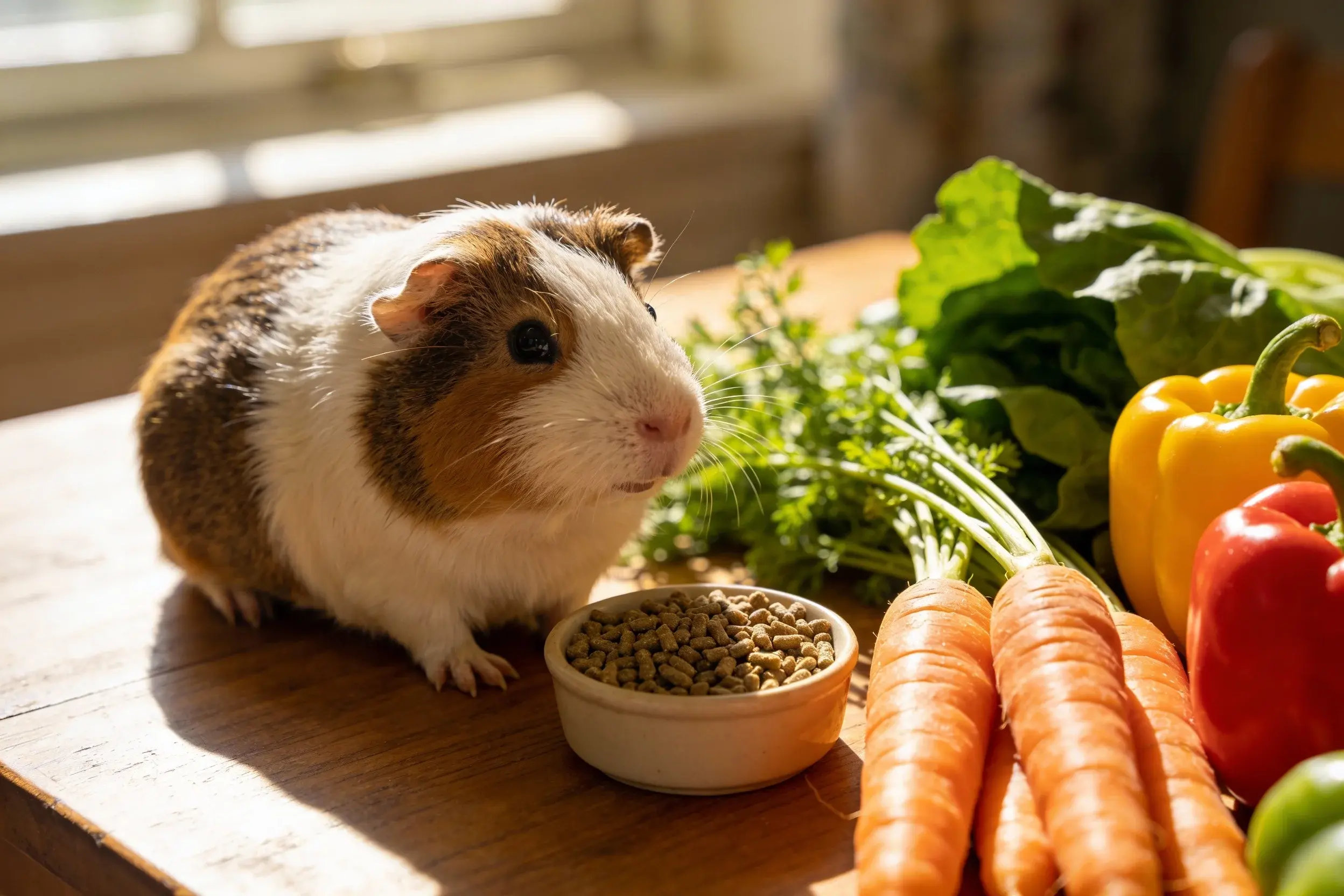
Your guinea pig doesn’t want a complicated tasting menu. They want simple, fresh, and consistent food that keeps them squeaking happily. The trick? Getting the balance right so you avoid tummy troubles, vitamin deficiencies, and a very cranky potato-shaped roommate. Let’s break down exactly what to feed, what to skip, and how to keep your pig’s diet on point without stress.
The Core of a Guinea Pig Diet
Guinea pigs thrive on a few basics you can remember easily. Think of their diet like a pie chart where one slice is huge and the others are small but mighty.
Here’s the breakdown:
- 80% hay (timothy, orchard, or meadow hay)
- 10–15% fresh vegetables (leafy greens are the MVPs)
- 5–10% fortified pellets (no seeds or colored bits)
- Unlimited fresh water
Hay keeps their teeth in check and their gut moving. Pellets add nutrients (like vitamin C). Veggies add fiber and variety. Water keeps everything flowing. Simple, right?
Hay: The Non-Negotiable Staple
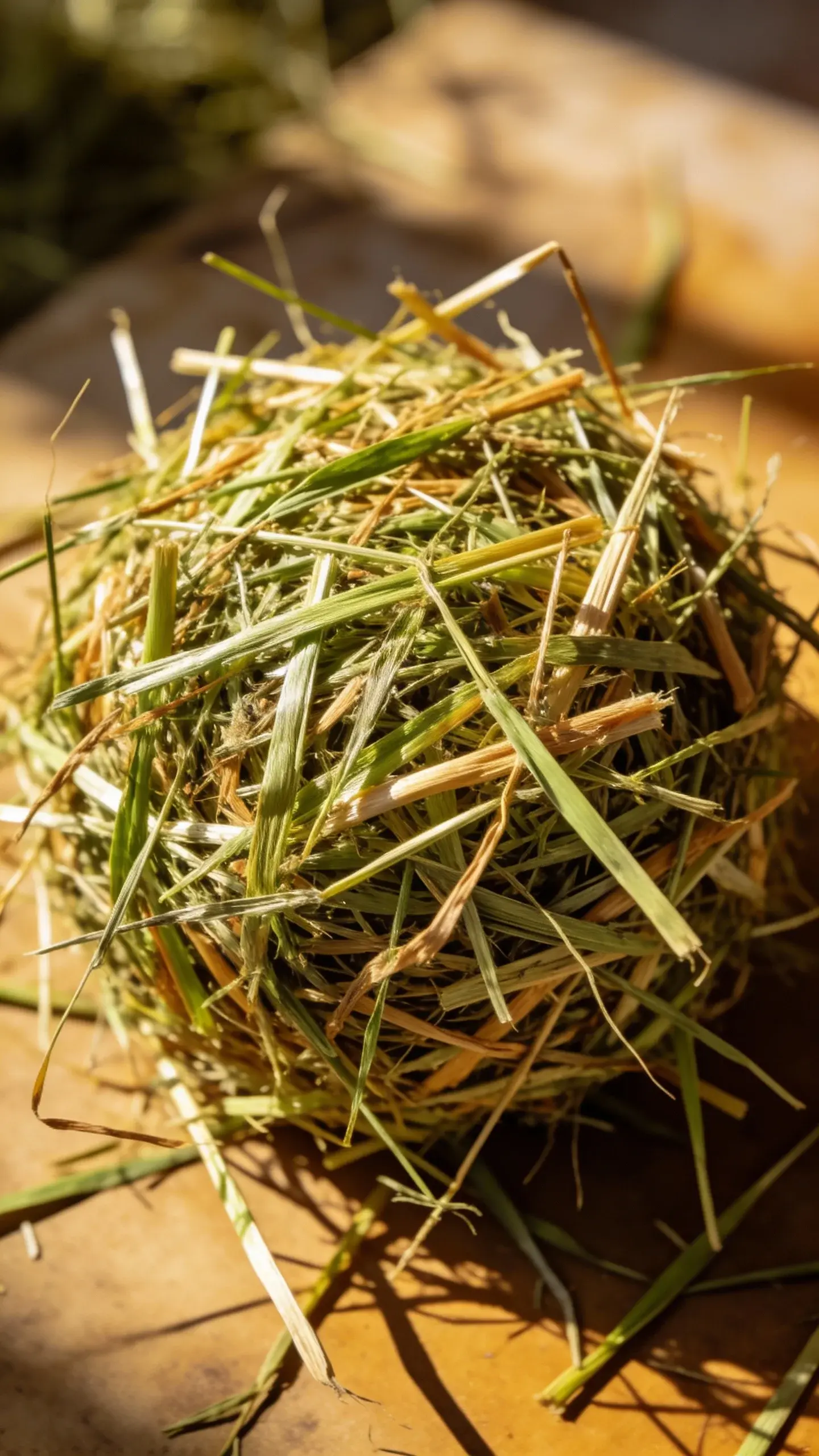
If you only remember one thing, remember this: Your guinea pig needs unlimited grass hay every single day. It supports their digestion and grinds down teeth that never stop growing. No hay = expensive vet bills and one very sad pig.
Best Hay Choices
- Timothy hay: Gold standard for adults.
- Orchard or meadow hay: Softer and aromatic, great for picky eaters.
- Alfalfa hay: Only for growing pups, pregnant/nursing sows, or underweight pigs. Too high in calcium for healthy adults.
Pro Tips for Hay Success
- Offer large handfuls in multiple spots to encourage grazing.
- Use a hay rack to reduce waste, but also scatter some for foraging fun.
- Keep hay dry and fresh—musty hay = toss it.
Veggies: Color, Crunch, and Vitamin C
Guinea pigs can’t make their own vitamin C (thanks for nothing, evolution). Fresh veggies deliver that daily boost and keep meals exciting. Aim for about 1 cup of mixed vegetables per pig per day.
Leafy Green All-Stars (Feed Daily)
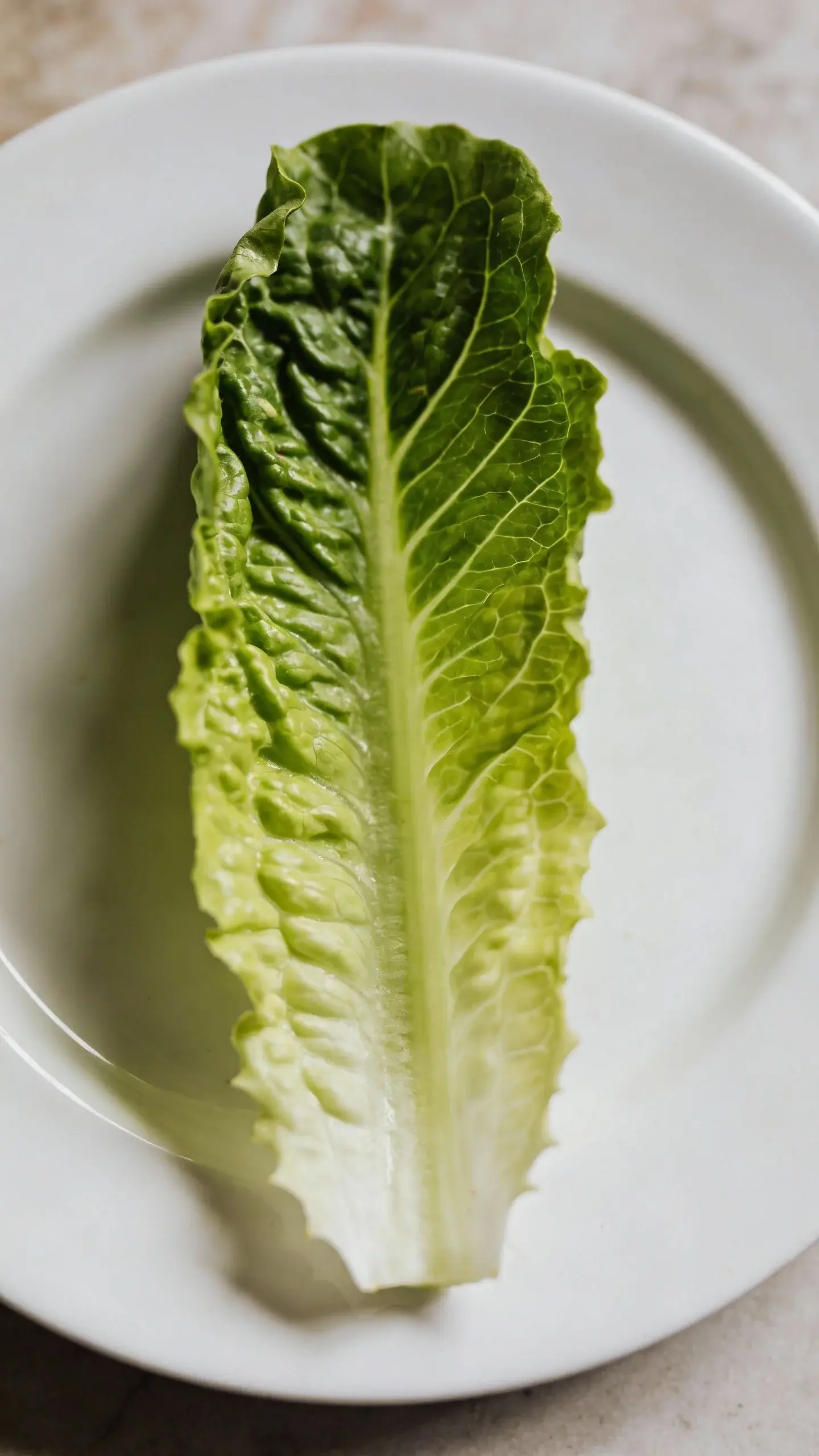
- Romaine lettuce (not iceberg)
- Green or red leaf lettuce
- Cilantro
- Bell peppers (any color, huge vitamin C punch)
- Endive, escarole
Rotate These 2–4x per Week
- Kale, parsley, spinach (nutritious but higher in calcium/oxalates)
- Carrots (tasty, slightly sugary—keep portions small)
- Cherry tomatoes (no leaves/vines)
- Cucumber (hydrating, not super nutrient-dense)
Portion Pointers
- Bell pepper: 1–2 tablespoons per day.
- Leafy greens: a loose handful total per pig.
- Kale/parsley/spinach: a few leaves, not daily.
Introduce new veggies slowly to avoid gassy drama. If poop gets soft, pull back and simplify.
Pellets: Helpful, Not the Main Course
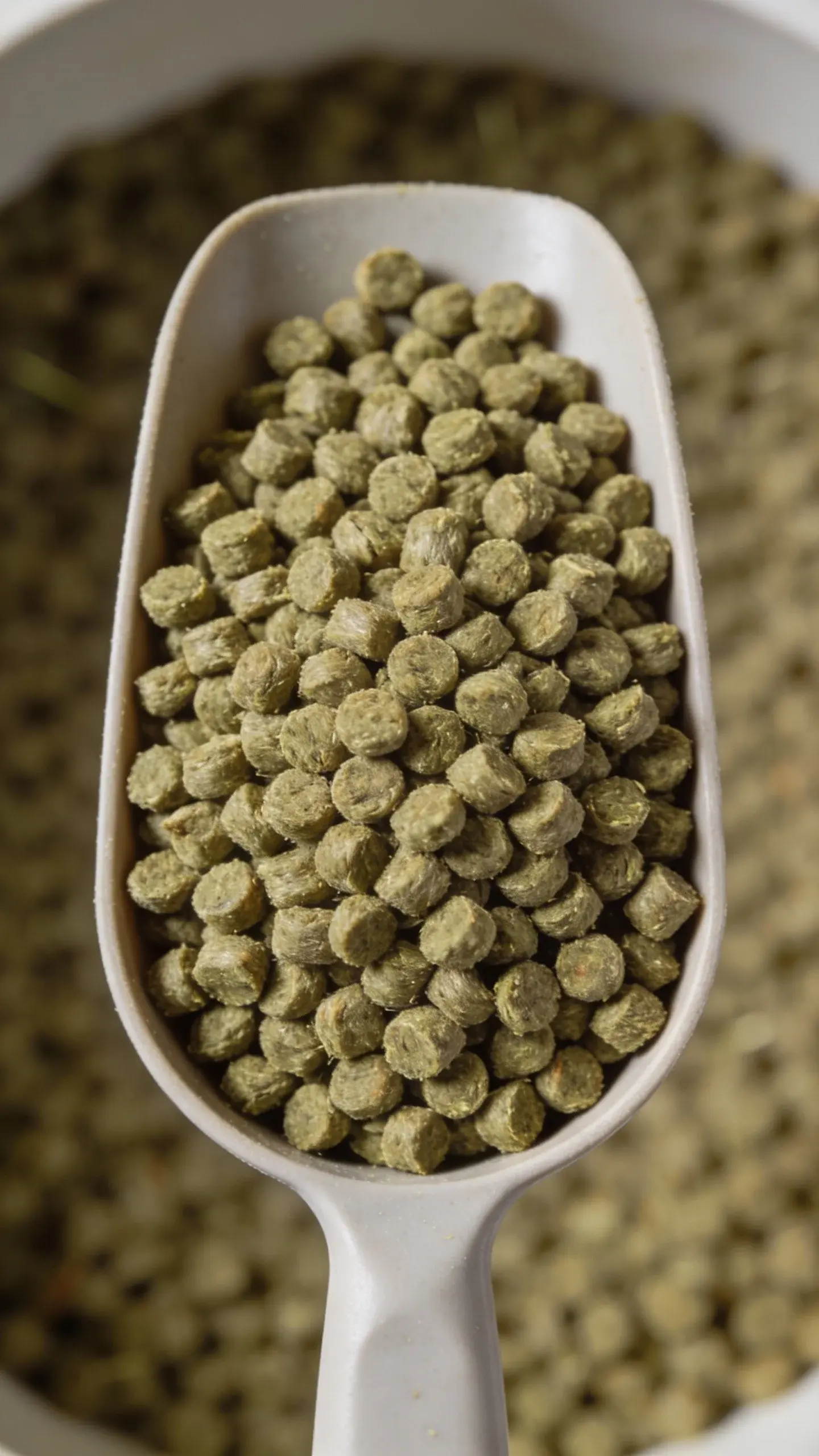
Pellets should complement hay and veggies, not dominate. Choose a plain, timothy-based pellet fortified with vitamin C. No seeds, nuts, dried fruit, or colorful shapes. Your pig is not a parrot.
How Much to Feed
- Adults: 1–2 tablespoons per pig per day.
- Young, pregnant, or nursing pigs: may need alfalfa-based pellets temporarily (ask your vet).
Store pellets in an airtight container away from heat and light. Vitamin C degrades over time, so don’t buy giant bags unless you’ve got a tiny herd.
Water: The Quiet Hero
Fresh water matters more than you think. Refill and rinse the bottle or bowl daily. If your bottle gets slimy, scrub it with a bottle brush and a dab of vinegar. If your pig drinks less when you switch bottles, IMO, keep the old one—hydration beats aesthetics.
Treats: Fun, But Don’t Go Wild
You don’t need fancy treats to win your pig’s heart. Most “treats” marketed for guinea pigs bring sugar, seeds, or dairy. Hard pass.
Good Treat Ideas
- Fresh herbs: basil, mint, dill (small amounts)
- A tiny slice of fruit 2–3x per week: apple (no seeds), strawberry, blueberry, orange slice
- Extra-forage hay blends with dried flowers (no added sugars)
Skip: yogurt drops, seed sticks, cereal mixes, anything sticky or sugary. Your pig’s teeth and gut will thank you.
Calcium, Vitamin C, and Other Nerdy (But Important) Bits
You don’t need a PhD to feed a guinea pig, but a few details matter if you want to avoid bladder stones and scurvy. Yes, scurvy—pirates and guinea pigs share that struggle.
Vitamin C Basics
- Daily target: ~20–30 mg per pig.
- Get it from bell peppers, leafy greens, and a quality pellet.
- Vitamin C drops in water? Skip them. They degrade fast and mess with water taste.
- If your vet recommends a supplement, use a plain vitamin C chew or tablet with a known dose.
Calcium Balance
- Too much calcium can contribute to bladder sludge/stones.
- Limit alfalfa for adults and rotate high-calcium greens (kale, parsley).
- Watch for gritty urine residue—if you see it often, chat with your vet and review the diet.
Sample Daily Menu (Easy Mode)
Want a simple routine? Here’s a no-stress plan that keeps things varied without chaos.
- Morning: Unlimited timothy hay; 1 tablespoon pellets per pig; a handful of romaine or green leaf + 1 tablespoon chopped bell pepper.
- Evening: Refresh hay; another handful of leafy greens (cilantro/endive); occasional slice of cucumber or tomato.
- Twice a week: Add a couple kale or parsley leaves; offer a small fruit treat.
- Always: Fresh water and clean dishes.
FYI: If your pig hoovers veggies like a vacuum, split the portion into two feedings to prevent gulping.
Common Mistakes to Avoid
We all learn as we go. Here are the big “oops” moments you can dodge.
- Feeding iceberg lettuce: It’s mostly water with little nutrition.
- Overdoing pellets: Leads to weight gain and boredom with hay.
- Introducing too many new veggies at once: Hello, tummy upset.
- Using seed mixes: Choking hazard and poor nutrition.
- Skipping hay variety: Pigs get bored; offer timothy plus orchard/meadow sometimes.
FAQ
Can I feed my guinea pig grass from my yard?
Yes, but only if you know it’s pesticide-free, herbicide-free, and not near contaminated runoff. Introduce it slowly, and never feed clippings from a lawn mower—they ferment fast and can upset their gut.
Do guinea pigs need vitamin C tablets every day?
Not if you feed a balanced diet with bell peppers, leafy greens, and quality pellets. That usually covers it. If your pig is older, recovering from illness, or picky, a vet-approved supplement can help—just avoid water drops.
What fruits are safe, and how often?
Stick to small portions 2–3 times per week. Safe picks include apple (no seeds), strawberry, blueberry, orange slice, kiwi, and melon. Keep it tiny—fruit is dessert, not a food group.
How do I switch my pig to better pellets?
Transition over 7–10 days. Mix 25% new with 75% old for a few days, then 50/50, then 75/25, then 100% new. Watch poop and appetite. If your pig goes on strike (dramatic, I know), slow down a bit.
My pig doesn’t seem to drink much. Is that normal?
Some pigs get lots of moisture from veggies and still pee normally. If your pig acts bright, eats hay, and pees/poops on schedule, you’re probably fine. If you notice lethargy, dry poop, or weight loss, call the vet.
What size veggie portions should I use for a small or young pig?
Start on the lighter side—about 1/2 to 3/4 cup mixed veggies—and build up over a week. For young pigs, focus on gentle greens (romaine, cilantro) and add variety gradually. IMO, slow and steady saves you cleanup duty.
Conclusion
Feeding a healthy guinea pig diet doesn’t need spreadsheets or stress. Offer unlimited hay, daily leafy greens with vitamin C, measured pellets, and fresh water. Keep treats minimal, rotate veggies, and watch how your pig responds. Do that, and you’ll have a happy, chatty fluff with great poops—yes, that’s a win in guinea pig land.

I’ve spent 10+ years in dog training, digging into what makes dogs (and their humans) tick. At Smart Dog Learning, I share my no-nonsense, fun approach to training so you can enjoy life with a well-behaved, happy pup—no boring lectures, just practical results 😉