Guinea Pig Care 101: A Beginner’s Guide
So you brought home a potato with legs. Congrats! Guinea pigs (aka cavies) are squeaky, sweet, and surprisingly opinionated little roommates. But they need more than a cute cage and a handful of pellets. This guide covers everything you actually need to know—no fluff, just practical tips to keep your piggies happy, healthy, and squeaking for more.
Meet Your Guinea Pig: What You’re Signing Up For
Guinea pigs live 5–8 years, sometimes longer, so this isn’t a weekend fling. They’re social herd animals who thrive with company and routine. Want a silent pet? Wrong species. They’ll wheek for snacks with zero shame.
They don’t climb, they don’t jump much, and they don’t love being picked up at first. Earn their trust with food and patience. Think of them as tiny vegetarians who worship hay and gossip.
Housing: Think Spacious, Not Fancy
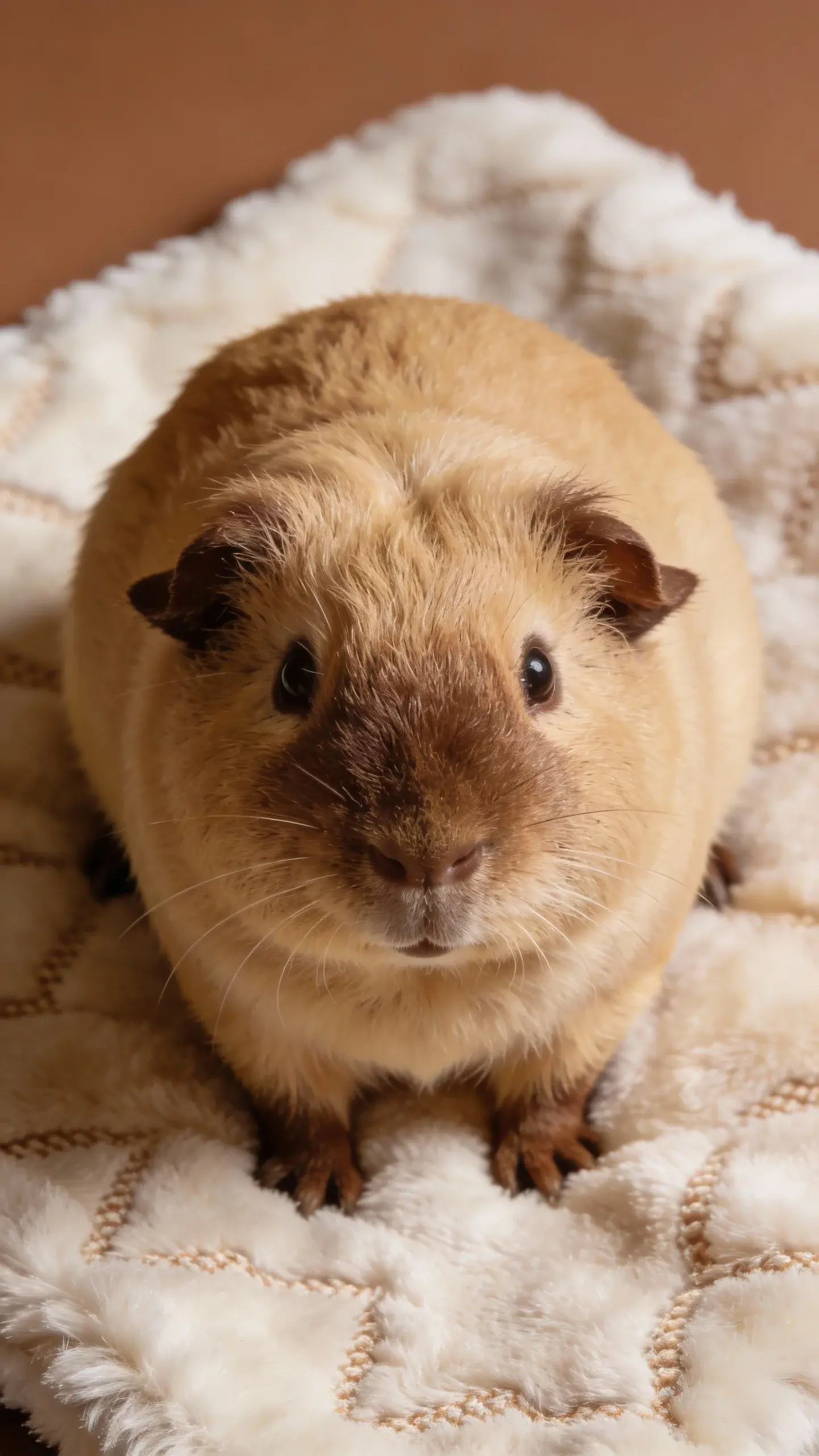
You don’t need a palace, but you do need space. A single pig needs at least 7.5 square feet of floor space; a bonded pair does best with 10.5+ square feet. Bigger always wins. Those tiny pet store cages? Hard pass.
- Best setups: C&C cages (cube grids + coroplast) or large pens. Great ventilation, easy to clean.
- Flooring: Solid floors only. Wire grids hurt tiny feet.
- Hideouts: Two or more per pig. They need private hangouts to feel safe.
- Location: Indoors, draft-free, away from direct sun and loud chaos. 65–75°F is the sweet spot.
Bedding That Doesn’t Stink
Skip cedar and non-kiln-dried pine; they’re harsh on piggy lungs. Go for paper bedding or fleece liners with absorbent layers underneath. Spot clean daily. Full clean weekly. Your nose will thank you.
Diet: 80% Hay, 20% Sass
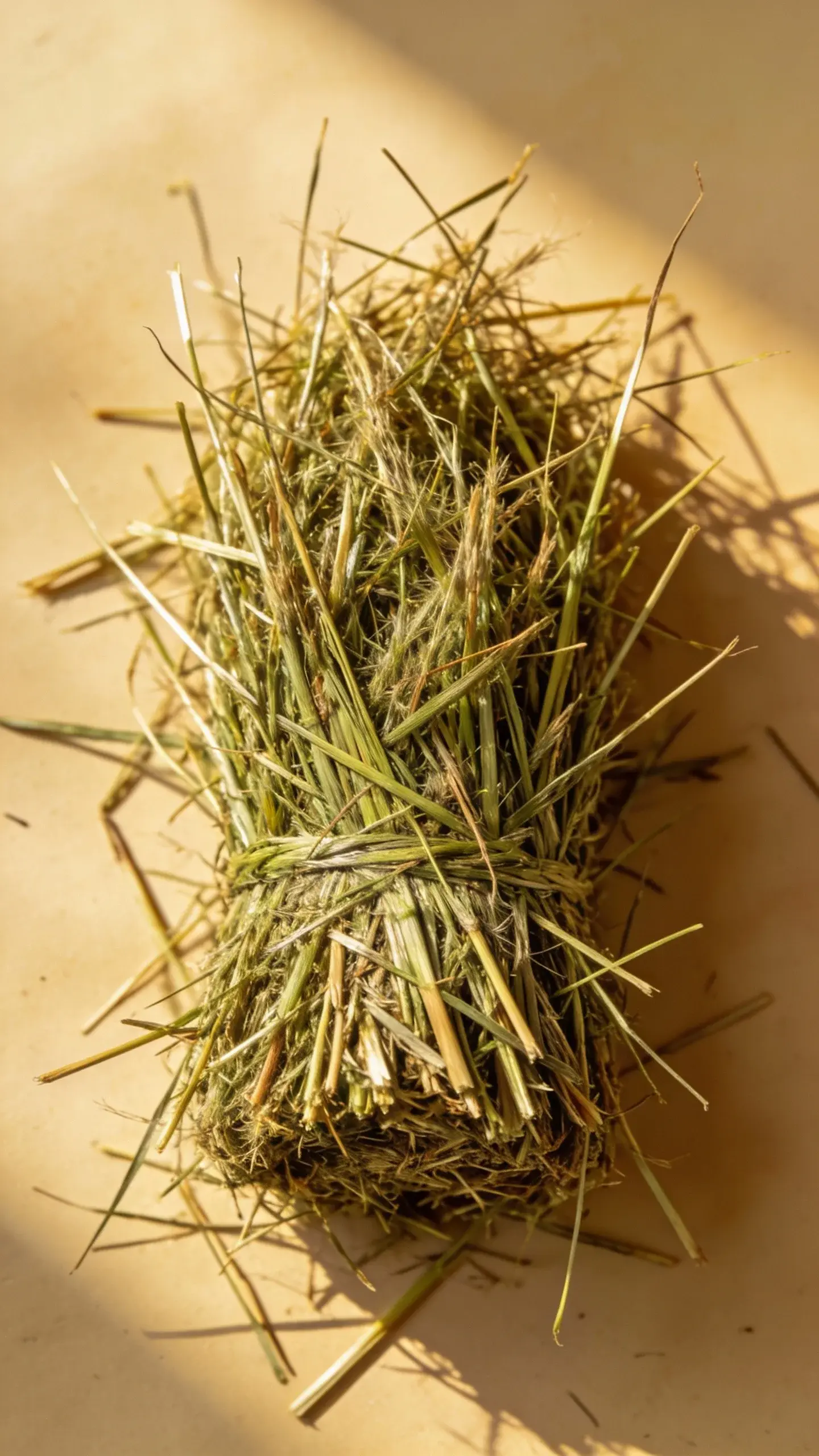
Guinea pig nutrition is simple, but not negotiable. They need constant access to fresh grass hay (timothy, orchard, meadow) for digestion and dental health. Pellets and veggies support, but hay does the heavy lifting.
- Hay: Unlimited timothy/orchard. For young or underweight pigs, alfalfa can help—but not long term.
- Pellets: Plain, timothy-based, fortified with vitamin C. About 1/8 cup per pig per day. No seeds, no colored bits.
- Fresh veggies: 1 cup per pig daily. Rotate leafy greens and add colorful extras.
- Water: Clean, fresh, always available. Bottles or bowls—whichever they actually drink from.
Vitamin C: The Non-Negotiable
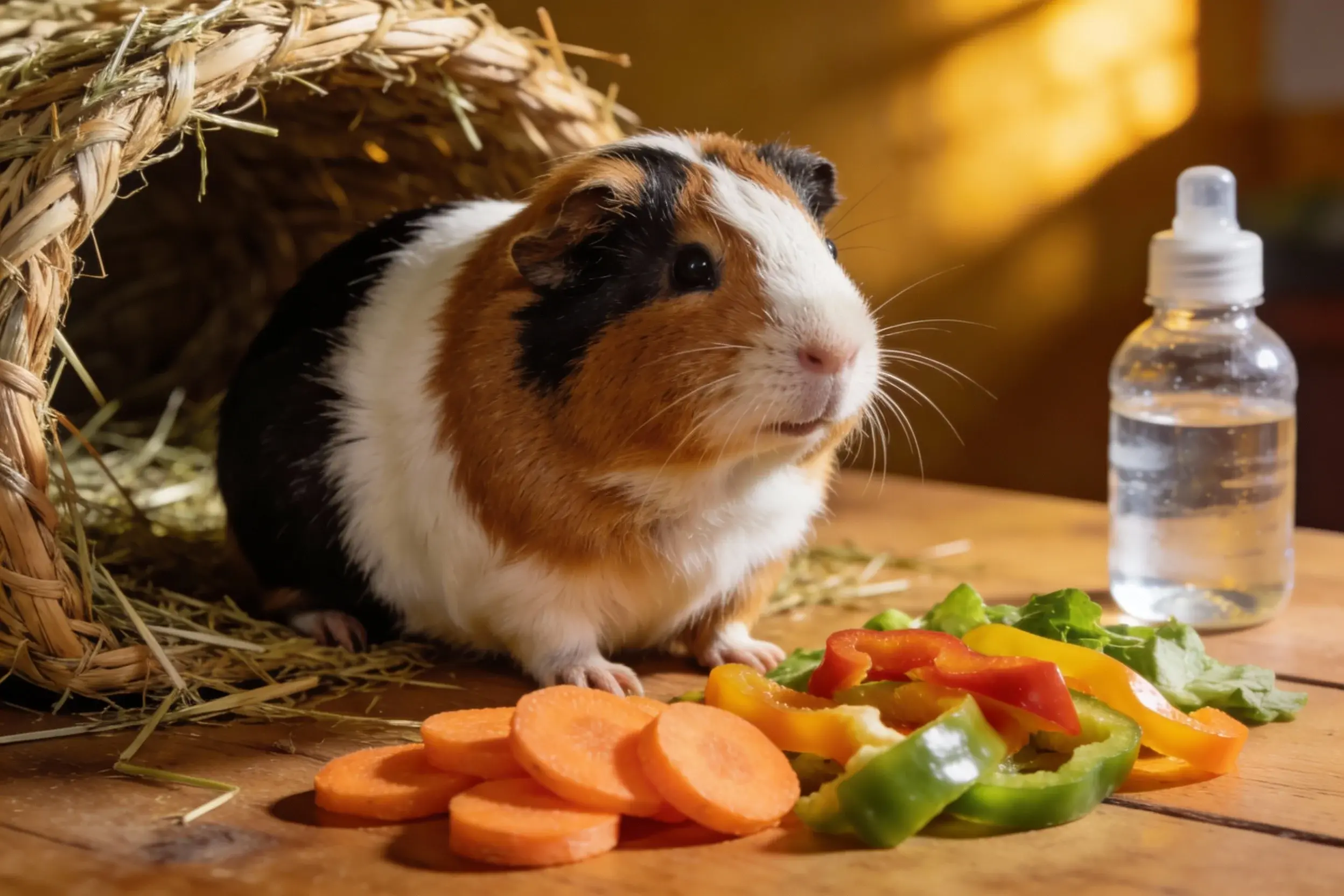
Guinea pigs can’t make vitamin C. You must provide it daily with fortified pellets and veggies. Bell peppers (especially red/yellow) and dark leafy greens like romaine are MVPs. FYI, skip drops in water—doses get wonky and taste gets weird.
Veggies to Love (and Limit)
- Great daily greens: Romaine, green/red leaf lettuce, cilantro, endive, escarole.
- Frequent add-ins: Bell peppers, cucumber, zucchini, cherry tomatoes (no leaves/stems), small carrot pieces.
- Go easy: Kale, spinach, parsley—high in calcium/oxalates. Use sparingly.
- Hard no: Iceberg lettuce, onions, garlic, potatoes, rhubarb, chocolate, dairy (obviously), seeds/nuts.
Companionship, Handling, and Social Life
Guinea pigs are herd animals. They do best with a buddy of the same sex (or a neutered/spayed pair). They chatter, cuddle, and generally act less stressed with friends. IMO, adopt a bonded pair if you can.
Pick them up with two hands—one under the chest, one supporting the bum. Hold close to your body so they feel secure. Start with short, calm sessions and bribe heavily with veggies. Consent-based cuddles? Yes please.
Introductions Without Drama
When introducing pigs, use a neutral space with lots of hay and hides. Expect rumbling, butt sniffing, and some posturing. That’s normal. Separate only if you see real aggression—biting, lunging, blood drawn. Keep calm. They read your energy.
Health: Catch Problems Early
Piggies hide illness like tiny ninjas, so you want to notice red flags early. A weekly “spa day” check helps.
- Weigh weekly: Track in grams. Weight loss often signals illness before other signs.
- Teeth check: Overgrown molars cause drooling and weight loss. Chewing hay helps prevent issues.
- Nails: Trim every 3–6 weeks. Use small pet clippers and quick-stop powder nearby.
- Coat/skin: Look for dandruff, bald spots, or itching (mites, fungal infections happen).
- Eyes/nose: Clear and bright. No crust, no gunk.
When to See the Vet
Find an exotics-savvy vet before you need one. Go ASAP if you see:
- Not eating or pooping for 6–8 hours
- Labored breathing or wheezing
- Severe diarrhea or bloat
- Blood in urine
- Lethargy, hunched posture, or sudden weight loss
Guinea pigs crash fast, so don’t “wait and see.” FYI, anesthesia and dental work require a cavy-experienced clinic.
Enrichment: Prevent the Boredom Blues

You don’t need a theme park—just variety and novelty. Rotate toys weekly so they feel “new.”
- Chewables: Hay-stuffed cardboard tubes, soft wood chews, willow balls.
- Foraging: Scatter-feed veggies, hide pellets in snuffle mats, create hay “mountains.”
- Tunnels and ramps: Keep low and wide. They love zoomies and popcorn jumps.
- Floor time: Daily supervised play in a safe, enclosed area. Lay down with them and enjoy the chaos.
Grooming Routines
Short-haired pigs need a quick brush now and then. Long-haired varieties (Peruvians, Silkies) need regular trims around the rear to keep things clean. Baths? Rarely, and only when necessary with small-animal shampoo. They’re self-cleaners, not Labradors.
Budget and Time: The Real Talk
Let’s be honest: guinea pigs aren’t “cheap starter pets.” They’re affordable compared to some animals, but costs add up.
- Initial: Cage/pen, hides, water bottle/bowl, bedding, pellets, hay, veggies, vet check.
- Monthly: Hay and bedding are the big ones. Veggies, pellets, occasional meds.
- Time: Daily feeding and spot cleaning (10–15 minutes), weekly deep clean (30–45 minutes), plus cuddle/playtime.
Good news: the joy-per-dollar ratio is excellent. Those squeaks? Priceless.
FAQ
Can guinea pigs live alone?
They can survive solo, but they thrive with a companion. Pair same-sex pigs or adopt a neutered male with a female. If your pig must live alone due to medical or behavioral reasons, you must step up interaction and enrichment.
What’s the best hay, and how much?
Timothy or orchard grass hay works best for adults. Offer unlimited amounts—literally a pile bigger than your pig. Keep it clean, dry, and replaced daily. Alfalfa is for babies, pregnant/nursing sows, or underweight pigs only.
How do I litter train a guinea pig?
You can’t fully litter train them like rabbits, but you can encourage “bathroom corners.” Place a litter tray where they naturally go (often under hay). Use paper pellets or bedding in the tray and put hay nearby. Reward with praise and veggies when they use it.
Do I need to spay or neuter?
Not unless you plan to house males and females together or you face a medical reason (like ovarian cysts in females). Neutering/spaying carries risks and should only be done by an exotics vet. Otherwise, keep same-sex pairs and skip the drama.
Why is my guinea pig screaming?
That loud wheek usually means “snacks now, please and thank you.” It can also mean excitement when they hear the veggie bag. Sharp, continuous shrieks can signal pain—check for injuries or call your vet if unsure.
What bedding controls smell best?
High-quality paper bedding or well-managed fleece works great. With fleece, use an absorbent layer underneath and spot clean daily. Replace bedding regularly, and clean the whole cage weekly. Smell comes from moisture; control that and you’re golden.
Wrapping It Up
Guinea pigs might be small, but their needs aren’t. Give them space, endless hay, a piggy friend, and a steady routine, and you’ll get back a chorus of happy wheeks. IMO, they’re some of the most rewarding little companions out there—low drama, high charm. Now go build that dream pen and prepare to be bossed around by a tiny potato with opinions.

I’ve spent 10+ years in dog training, digging into what makes dogs (and their humans) tick. At Smart Dog Learning, I share my no-nonsense, fun approach to training so you can enjoy life with a well-behaved, happy pup—no boring lectures, just practical results 😉