The Secret to Perfect Allergy-Friendly Dog Food With Zucchini For Sensitive Stomachs
Sensitive-stomach dog? Been there. One day your pup devours dinner, the next day you’re googling “why is my dog gassy enough to power a wind farm.” If you’ve got a dog with food allergies or digestion drama, building meals around gentle, simple ingredients can save your sanity. And yes, zucchini might be the underdog hero you didn’t know you needed.
Why Zucchini Works for Sensitive Stomachs
Zucchini brings a lot to the bowl without the baggage. It’s low-calorie, hydrating, and easy on the gut. Dogs digest it well when cooked, and it adds bulk without irritating sensitive intestines.
It also carries vitamins A, C, and potassium, plus soluble fiber that helps firm up stools without causing chaos. Bonus: it’s bland in the best way—no drama, no strong flavors, and usually no allergy triggers. IMO, it’s the Switzerland of dog veggies.
Common Triggers to Ditch (So Zucchini Can Shine)
Most food-sensitive dogs don’t hate eating; they hate specific ingredients. Your best move? Strip out the usual culprits and build back thoughtfully.
- Proteins that often cause issues: chicken, beef, dairy, egg
- Carbs that can cause inflammation: wheat, corn, soy
- Extras that sneak in: artificial colors, flavors, and certain preservatives
Swap those with novel proteins and clean carbs:
- Proteins: turkey, duck, lamb, rabbit, salmon, or whitefish
- Carbs: sweet potato, pumpkin, quinoa, or rice (white for sensitivity, brown for fiber-hardy pups)
- Veggie support: zucchini as the easy, soothing sidekick
How to Use Zucchini in Allergy-Friendly Meals
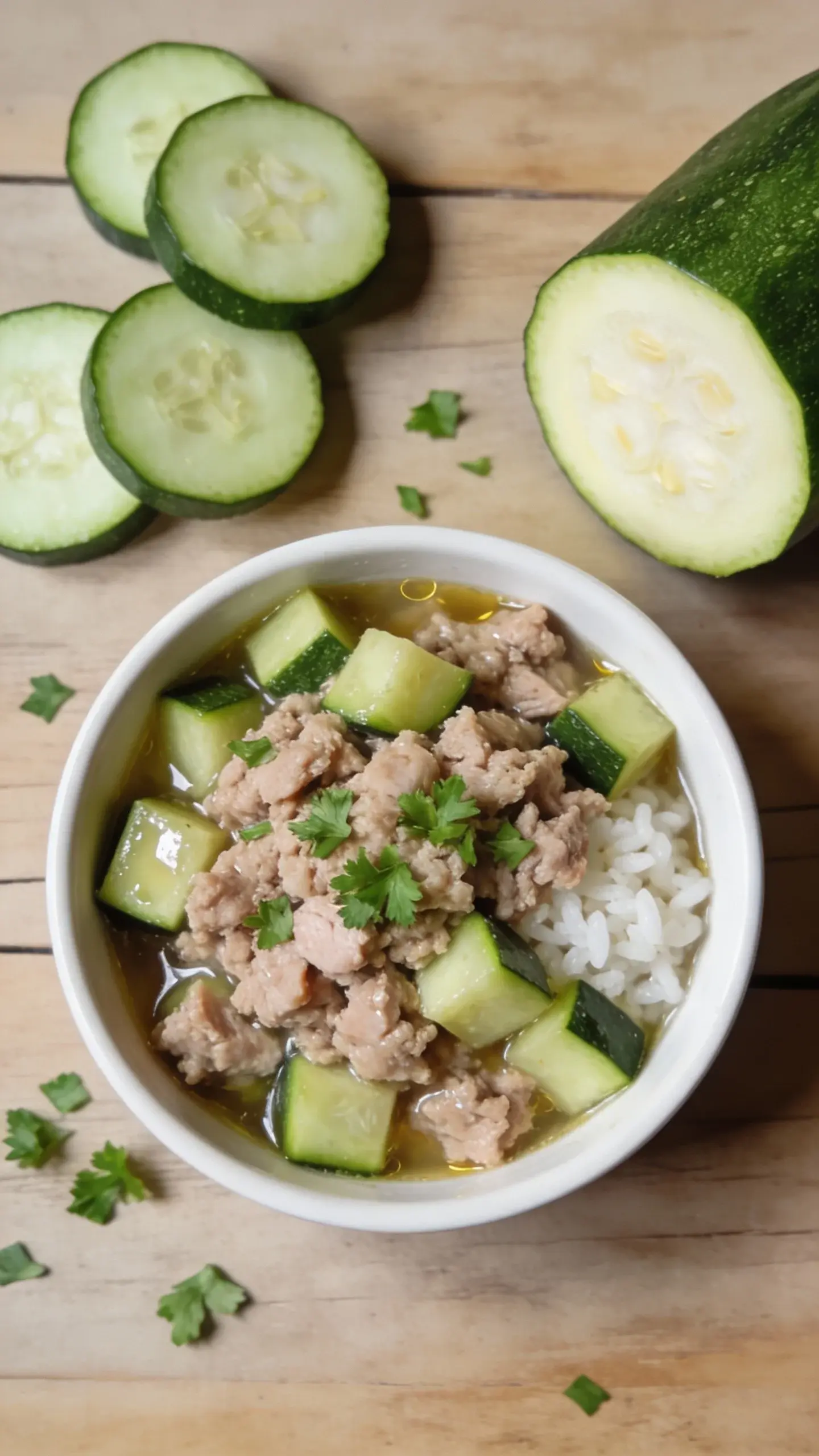
Zucchini plays nicely with most proteins and carbs. You can mix it into kibble, fold it into home-cooked meals, or use it to stretch canned food for fewer calories and more fiber.
Prep Tips (So Your Dog Actually Eats It)
- Peel or don’t peel? Keep the peel if your dog tolerates fiber. Peel it if stools look loose.
- Cook it lightly: Steam or sauté in a splash of water until soft. Avoid oil, salt, garlic, or onion (ever).
- Chop small: Dice or mash for easy mixing with kibble or meat.
- Freeze for snacks: Frozen zucchini coins = summer chew toys.
Portion Guide
As a rule of thumb:
- Small dogs: 1–2 tablespoons cooked zucchini per meal
- Medium dogs: 2–4 tablespoons
- Large dogs: 1/4–1/2 cup
Start small and scale up. Too much fiber = a very poetic mess in your yard.
Simple Zucchini-Based Meal Ideas
Keep it minimal, keep it gentle, keep it tasty (for dogs, anyway).
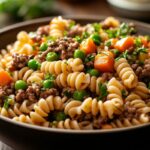
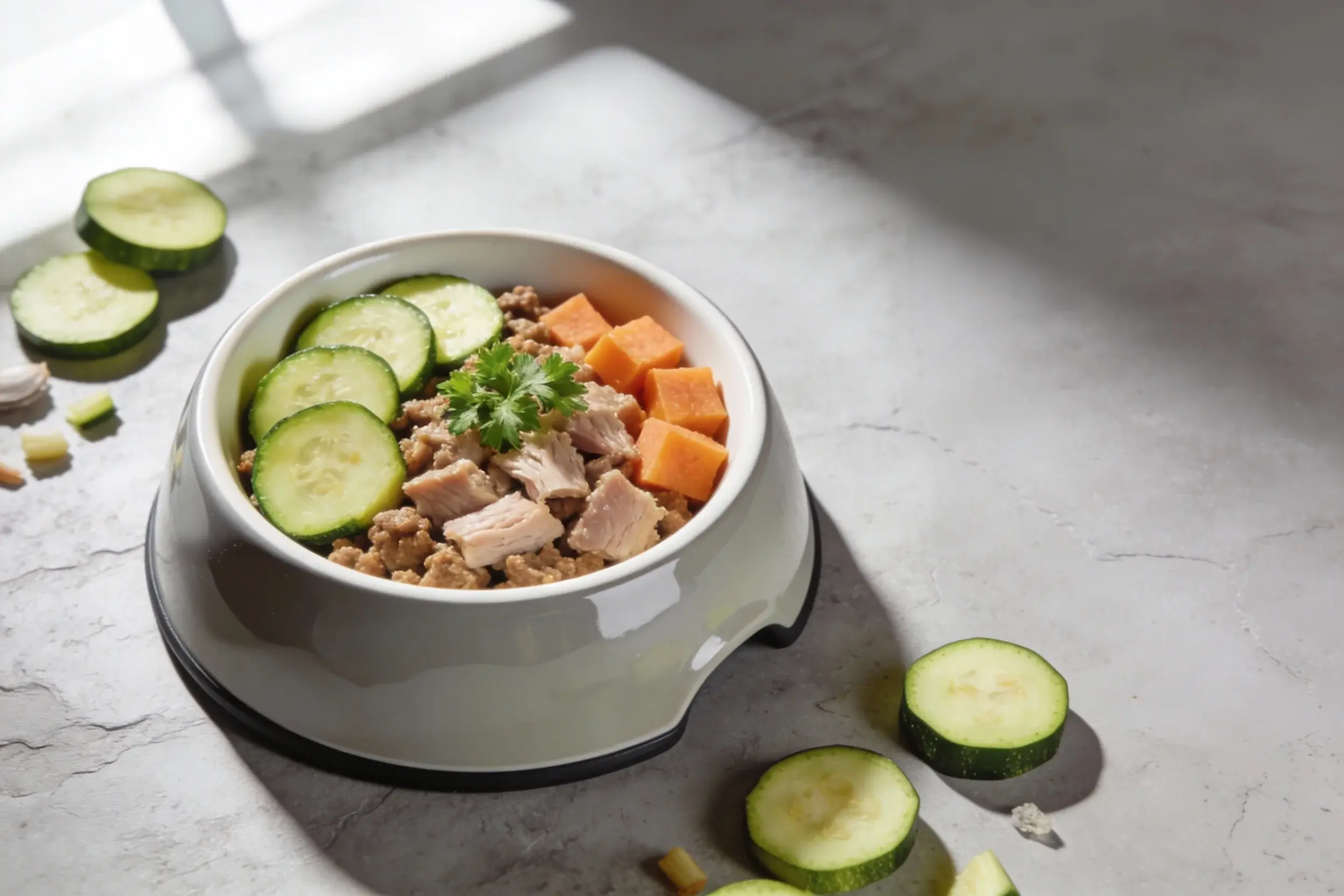
Stomach-Soothing Turkey + Zucchini Bowl
- Lean ground turkey (cooked, drained)
- Cooked white rice
- Steamed zucchini, finely chopped
- A drizzle of salmon oil for omegas
Mix in a 50/30/20 ratio (protein/carb/veggie). Add a vet-approved multivitamin if feeding as a full meal long-term.
Fish, Sweet Potato, and Zucchini Mash
- Baked whitefish or salmon (boneless, skin removed if oily fish upsets tummies)
- Mashed sweet potato
- Steamed zucchini, mashed
Great for sensitive pups needing omega-3s. FYI: Salmon can be rich—watch portions.
Low-Calorie Kibble Booster
- Your dog’s allergy-friendly kibble
- Warm water or bone broth (no onion/garlic)
- Finely diced steamed zucchini
Broth softens kibble and adds flavor. Zucchini adds volume so your dog feels full without extra calories.
Choosing Allergy-Friendly Commercial Foods with Zucchini
Plenty of limited-ingredient diets now feature gentle veggies like zucchini. When label-reading (your new favorite hobby), look for:
- Single-source protein listed first
- Grain-free or grain-inclusive depending on your dog’s needs—grain-free isn’t automatically better
- No chicken “by accident” in the fat or flavoring if chicken triggers your dog
- Short ingredient list with recognizable foods (zucchini, sweet potato, salmon, etc.)
- AAFCO complete and balanced statement for your dog’s life stage
Reading Between the Lines
Manufacturers love fancy words. “Natural flavor” can mean chicken fat. “Poultry fat” usually means chicken. If you’re avoiding chicken, those are red flags. IMO, when the label gets vague, keep walking.
Transitioning Without Tummy Turmoil
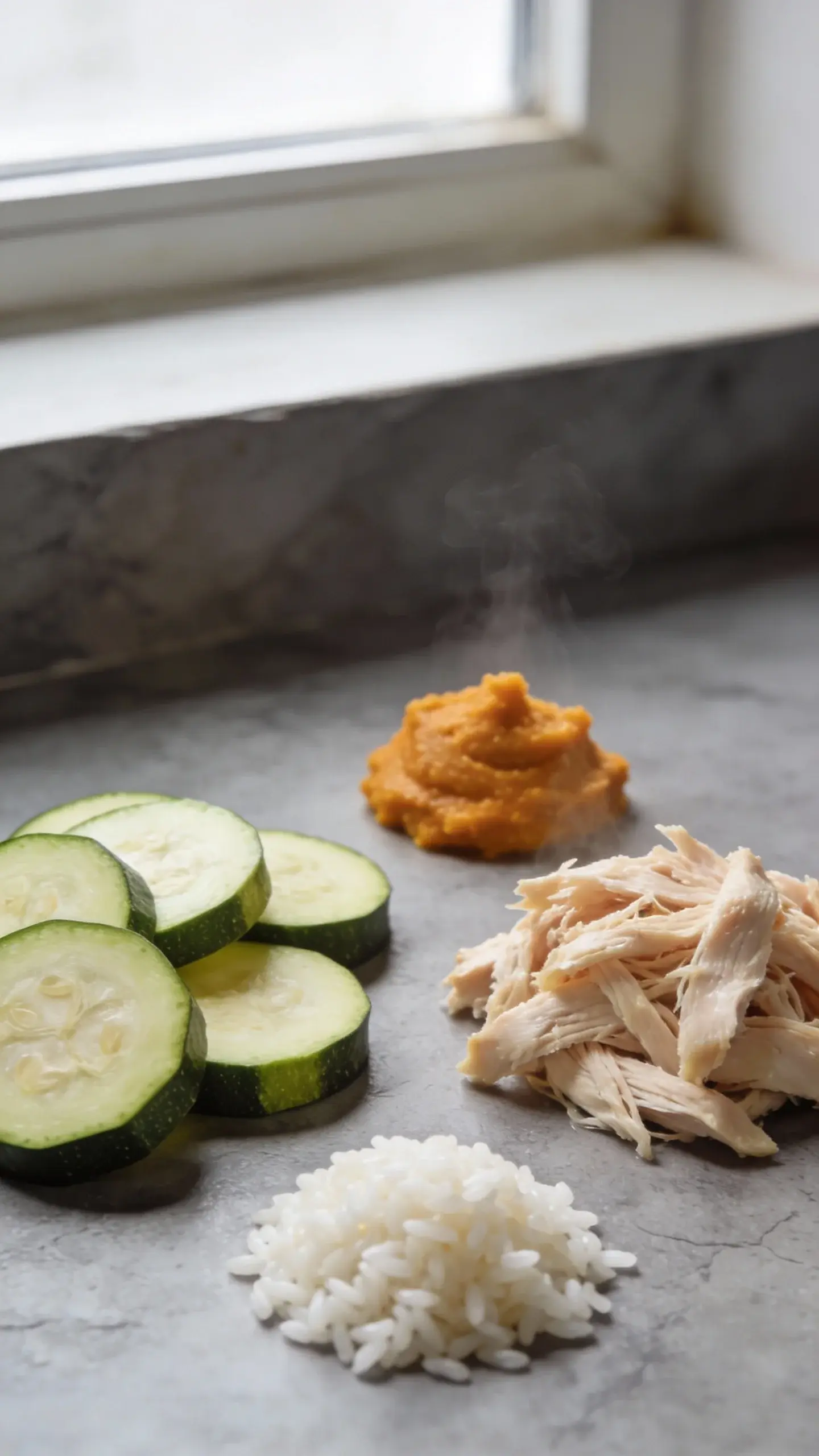
You could switch cold turkey, but your carpet might file a complaint. Ease into it:
- Day 1–3: 75% old food, 25% new
- Day 4–6: 50/50
- Day 7–9: 25% old, 75% new
- Day 10: 100% new
Add a spoon of plain pumpkin or a sprinkle of psyllium if stools get soft. And keep fresh water available at all times.
Extra Gut Support That Actually Helps
You don’t need a supplement shelf that rivals a pharmacy. A few smart add-ins can make a big difference.
- Probiotics: Choose a canine-specific blend with multiple strains. Rotate brands every few months.
- Prebiotic fiber: Inulin or psyllium in tiny amounts can firm stools and feed good gut bugs.
- Omega-3s: Fish oil supports skin barriers and reduces inflammation (start at label dose).
- Bone broth: Gentle hydration with amino acids—just check for zero onion/garlic.
Signs It’s Working
- Consistent, well-formed stools (not too hard, not soup)
- Less gas and fewer tummy gurgles
- Reduced itching or paw chewing if allergies were food-related
- Stable energy and shiny coat
What If Zucchini Doesn’t Agree With Your Dog?
Rare, but possible. Some dogs react to any sudden fiber change, or they just dislike green things on principle. If you see diarrhea, bloating, or itchiness that coincides with zucchini, pull it and try:
- Cooked pumpkin or butternut squash
- Green beans (steamed and chopped)
- Mashed carrot (cooked, not raw for sensitive tummies)
Always change one thing at a time so you can trace issues. Your dog is not a mystery novel—no plot twists needed.
FAQ
Can my dog eat raw zucchini?
Yes, many dogs can nibble raw zucchini. For sensitive stomachs, cook it lightly at first. Raw fiber can cause gas or soft stools until the gut adjusts. Start with tiny amounts and watch the results.
How much zucchini is too much?
If stools turn soft or your dog starts gassing you out, you went too far. Keep it to 10–20% of the meal by volume for most dogs. Balance matters—zucchini should support the meal, not replace protein and essential nutrients.
Is zucchini safe for dogs with pancreatitis?
Usually yes, because zucchini is low-fat and gentle. Pair it with a low-fat protein like turkey breast or whitefish. Always follow your vet’s fat guidelines for pancreatitis-prone pups.
What if my dog is allergic to everything?
Breathe. Try a true limited-ingredient diet with a novel protein (rabbit, duck, venison) and a simple carb, then add zucchini. If you’re still stuck, ask your vet about a hydrolyzed protein diet to calm the immune system while you plan long-term options.
Does zucchini help with weight loss?
It can. Zucchini adds volume and fiber with minimal calories, so your dog feels fuller on fewer calories. Still, keep protein adequate to maintain muscle while you trim the waistline.
Can I use zucchini treats?
Totally. Steam coins or small sticks, chill or freeze, and offer as training rewards. You can also dehydrate thin slices in the oven for a chewy, low-calorie snack.
Conclusion
If your dog’s stomach throws tantrums, simplify the plate. Build meals around a clean protein, a gentle carb, and zucchini for fiber and calm. Transition slowly, read labels like a detective, and use smart add-ins to support the gut. With a little patience—and maybe fewer rich treats—you’ll get fewer messes, less scratching, and a much happier dinner date. FYI: when your dog starts doing perfect poops, you’ll brag about it. Dog people get it.

I’ve spent 10+ years in dog training, digging into what makes dogs (and their humans) tick. At Smart Dog Learning, I share my no-nonsense, fun approach to training so you can enjoy life with a well-behaved, happy pup—no boring lectures, just practical results 😉