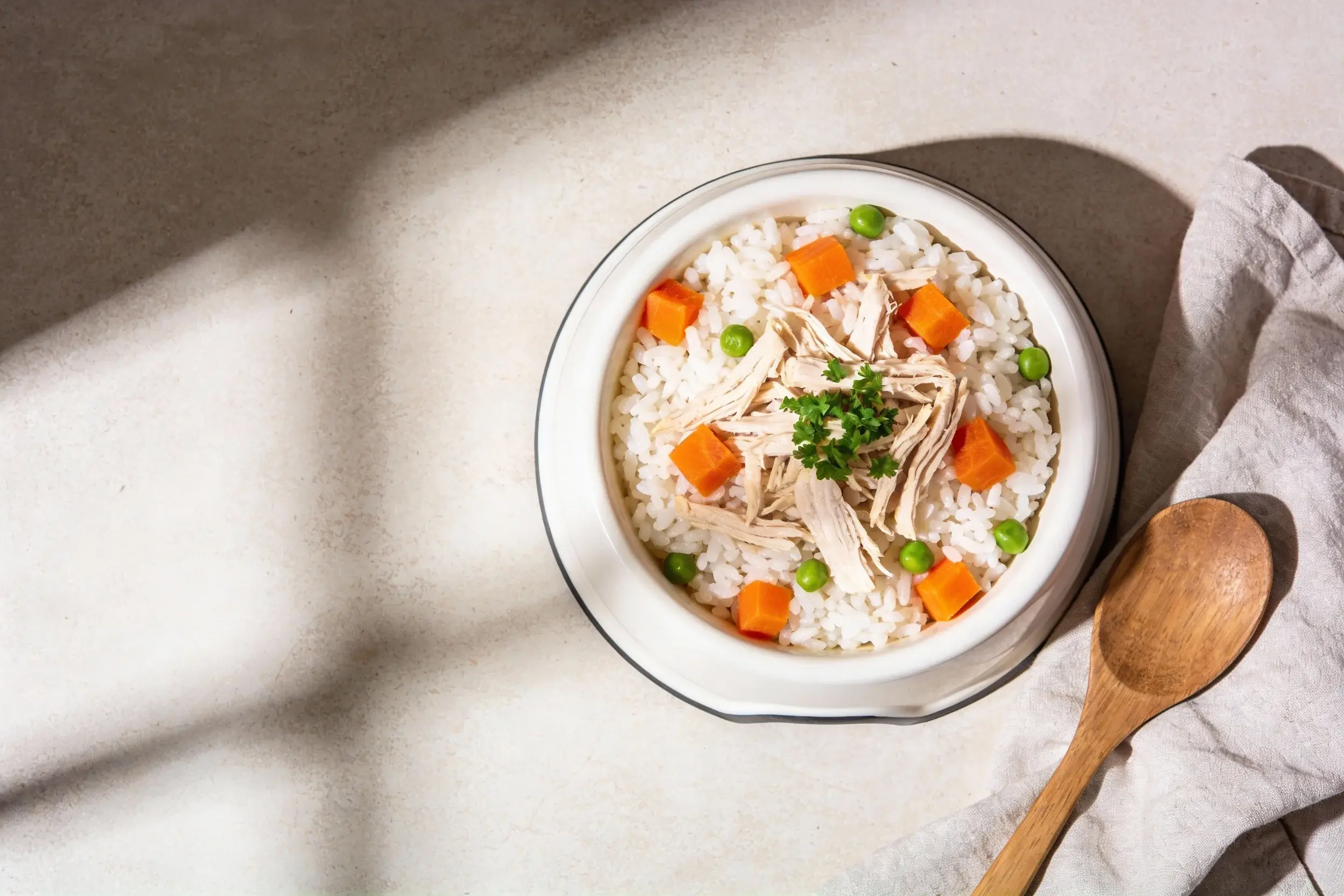
Simple Allergy-Friendly Dog Food With Rice You’ll Absolutely Love
Your dog’s been scratching like a DJ, licking paws nonstop, and giving you those why-am-I-like-this eyes? Allergies might be the culprit. The good news: you can calm that chaos with a simple, soothing meal built around rice. It’s gentle, easy to digest, and doesn’t try to pick a fight with sensitive stomachs. Let’s talk real food, fewer ingredients, and maximum tail wags.
Why Rice-Based Meals Help Sensitive Dogs
Rice plays Switzerland in the dog-food world—neutral and drama-free. It’s usually easy on the gut and rarely triggers reactions. That’s perfect when you’re trying to figure out what’s actually bugging your dog.
What makes rice a win:
- Digestibility: Dogs handle cooked white rice well. It’s bland, soothing, and helps reset upset tummies.
- Low allergen risk: Most dogs don’t react to rice, so it’s a safe base while you test proteins.
- Energy boost: It provides carbs without heavy fat or fiber that can irritate the GI tract.
White Rice vs. Brown Rice
White rice is gentler and ideal for acute tummy issues or elimination diets. Brown rice has more fiber and nutrients but can irritate some sensitive dogs. Start with white rice, then try brown rice later if your dog tolerates it.
Pick a Protein That Plays Nice
Rice alone won’t cut it. Dogs need protein, and the trick is choosing one that your dog hasn’t eaten often. Novel proteins dodge the “my dog is suddenly allergic to chicken” problem. Yes, that happens more than you think.
Great protein choices for sensitive pups:
- Turkey (lean, mild, widely tolerated)
- White fish like cod or pollock (light and gentle)
- Duck or venison (novel for many dogs)
- Lamb (works for some, not for all)
Proteins to pause (IMO): Chicken and beef. Dogs eat them so often that they top allergy lists. Not always, but enough to make elimination diets annoying.
Single-Protein Rule
Stick to one protein at a time. Mixing proteins makes it harder to figure out what causes a reaction. Keep it simple and consistent for at least 2-3 weeks.
DIY Allergy-Friendly Dog Food With Rice: The Simple Formula
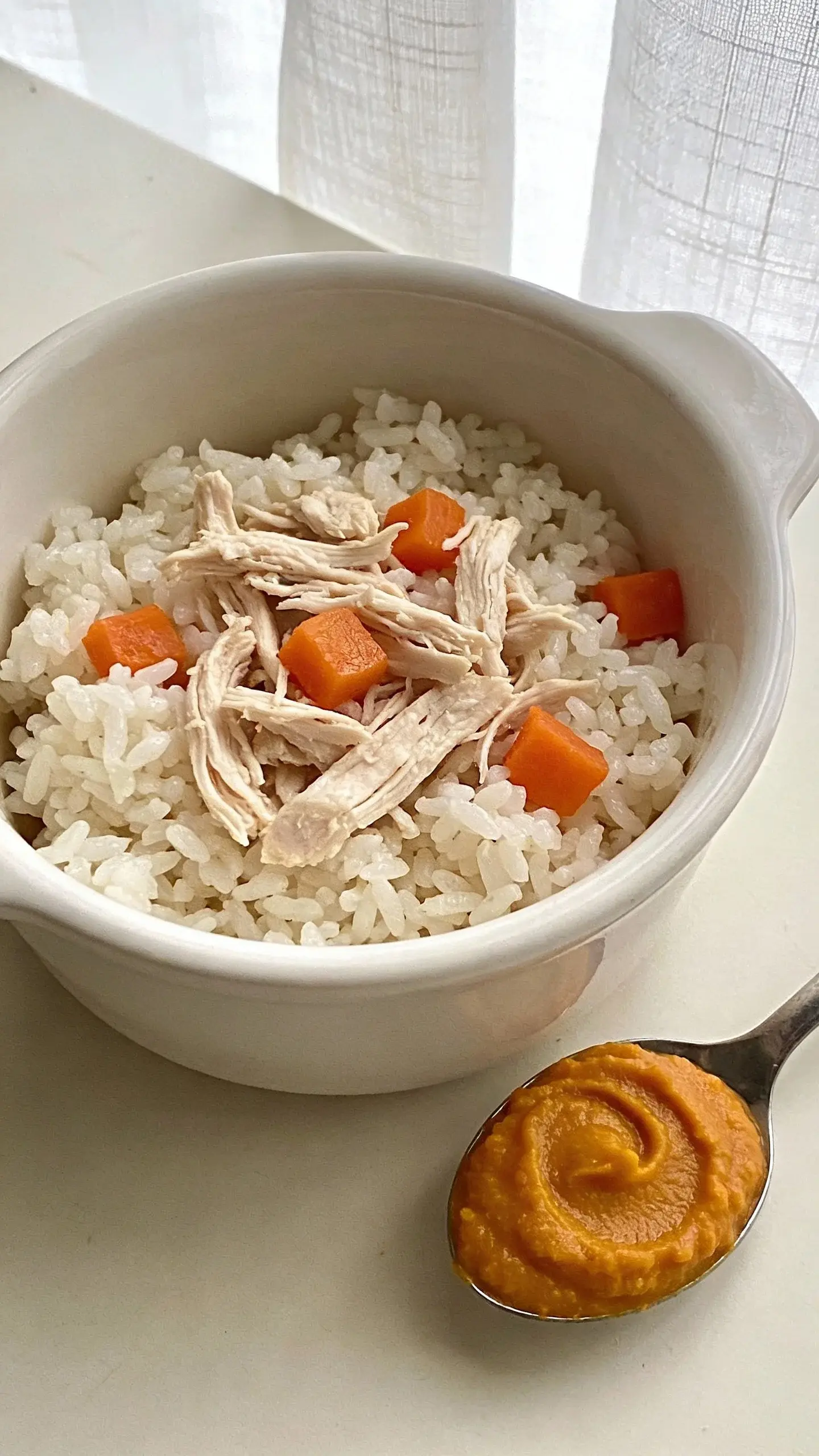
You don’t need culinary school for this. You just need a pot, some patience, and a hungry dog staring at you like you’re a Michelin chef.
Basic ratio (by cooked volume):
- 50% rice
- 40% protein
- 10% veggies
That’s a good starting point for short-term feeding while you stabilize the gut. Long-term, you’ll add supplements for complete nutrition (more on that in a sec).
Step-by-Step Recipe: Turkey & Rice
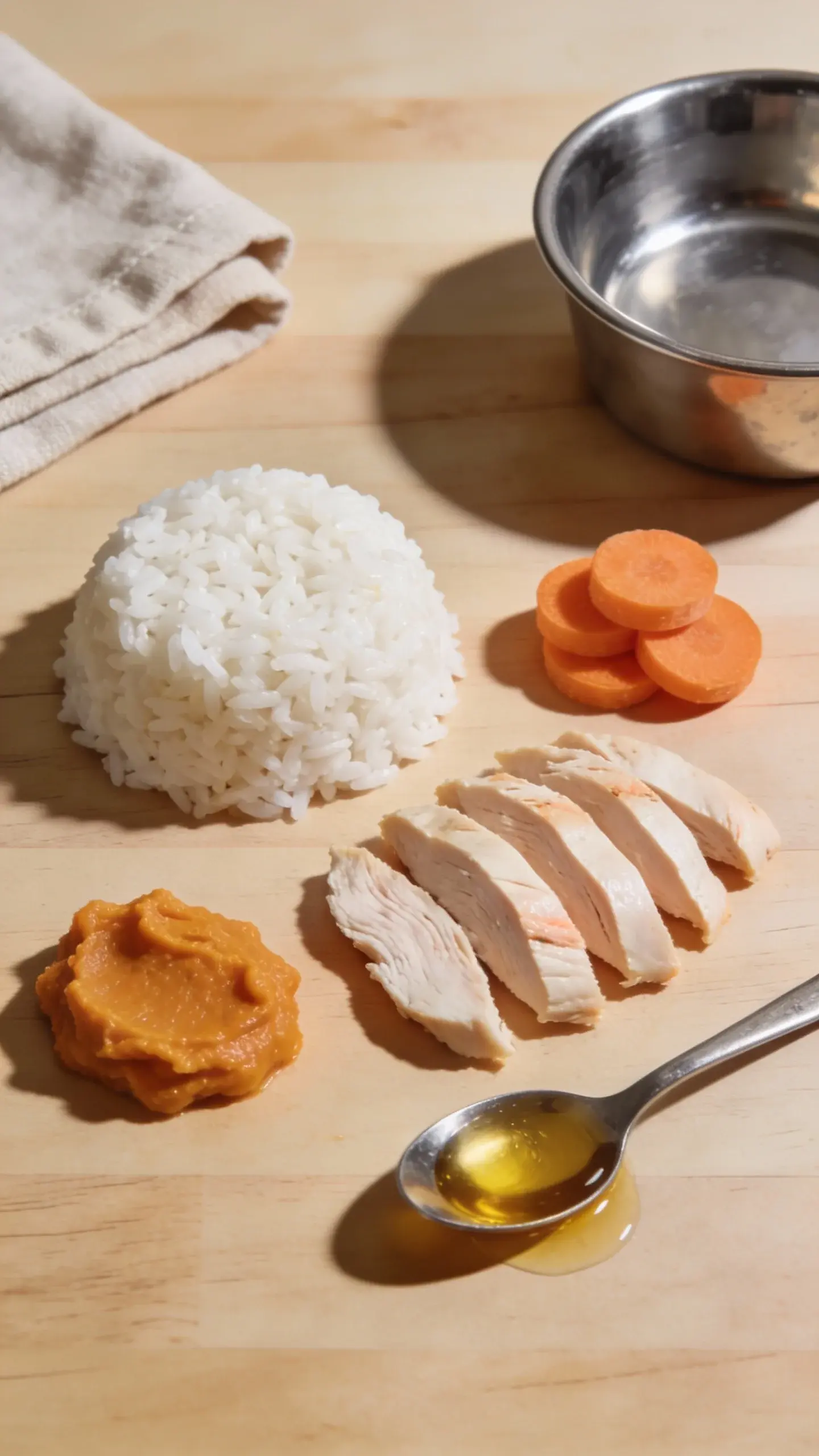
- 1 cup white rice (uncooked)
- 1 lb lean ground turkey
- 1/2 cup finely chopped carrots or cooked pumpkin
- 1-2 tsp olive oil or salmon oil
Instructions:
- Cook rice in water until soft and slightly overdone (easier to digest).
- Brown the turkey in a pan. Don’t add spices. Your dog doesn’t need garlic confit, Gordon.
- Steam or cook carrots until soft. Or use plain canned pumpkin.
- Mix together: half rice, slightly less than half turkey, splash in veggies, and add the oil.
- Cool to lukewarm. Serve and watch the tail helicopter.
Storage: Refrigerate for 3-4 days or freeze in meal portions for up to 2 months.
White Fish & Rice Variation
Swap turkey for baked white fish (no bones, skin removed). Add peas instead of carrots if your dog tolerates them. Fish cooks fast and smells… like fish. FYI, open a window.
Veggies and Add-Ons That Usually Behave
You don’t need a salad bar. Keep it light to avoid fiber overload.
Often safe veggie picks:
- Carrots (cooked and chopped fine)
- Pumpkin (plain canned, not pie mix)
- Green beans (steamed, chopped)
- Zucchini (cooked soft)
Skip for now: Corn, soy, onions, garlic, and anything seasoned. Also avoid dairy until you know your dog can handle it.
What About Oils and Seasoning?
Use a little salmon oil or olive oil for healthy fats and skin support. No salt, no spices, no fun foodie experiments. Your dog won’t miss cumin, promise.
Allergy Clues: What to Watch For
Food allergies don’t always scream “diarrhea.” Sometimes they whisper through the skin, ears, or paws.
Common signs that improve with the right food:
- Less paw licking and chewing
- Fewer ear infections or gunky ears
- Reduced scratching and hot spots
- More consistent poop (everyone’s favorite topic)
Warning signs to call the vet:
- Vomiting, bloody stool, or lethargy
- Rapid weight loss or refusal to eat
- Severe itching that doesn’t improve after 2-3 weeks
How Long to Trial a New Food
Give it 2-8 weeks. Yes, that long. Skin takes time to calm down. Don’t add treats or extras during this period. If you must treat, use tiny bits of the same protein or freeze-dried single-ingredient versions.
Homemade vs. Store-Bought: What’s Better?
I love homemade for control and simplicity, especially during an elimination diet. But long-term, you need to balance nutrients. If you don’t want to play kitchen chemist, pick a limited-ingredient commercial food with rice and a single protein.
What to look for on the label:
- Single protein + rice front and center (e.g., “Turkey & Rice”)
- No chicken fat or hidden proteins in the fine print
- AAFCO statement for complete and balanced nutrition
- Short ingredient list with words you recognize
Balancing Homemade for the Long Game
If you want to keep cooking, add:
- Calcium (if you don’t feed bone): a vet-approved calcium supplement
- Omega-3s: fish oil for skin and joint support
- Multivitamin or a complete homemade diet balancer
IMO, chat with your vet or a board-certified veterinary nutritionist to dial in exact amounts. It’s worth it.
Portions: How Much to Feed
Every dog’s different, but this gets you close:
- Small dogs: 1/2 to 1 cup total food per day, split into 2 meals
- Medium dogs: 2 to 3 cups per day
- Large dogs: 3 to 4+ cups per day
Adjust based on body condition. Ribs should feel like the back of your hand—covered but not padded. If your dog’s morphing into a potato, cut back 10%. If you can count ribs from across the room, add more.
Transition Without Drama
Switch gradually over 5-7 days:
- Day 1-2: 25% new, 75% old
- Day 3-4: 50/50
- Day 5-6: 75% new
- Day 7: 100% new
Sensitive gut? Stretch it to 10-14 days. No medals for speed here.
FAQ
Can I use rice long-term for my dog?
You can include rice long-term, but not as the main event forever. Dogs need balanced protein, fats, vitamins, and minerals. Keep rice as part of a complete plan, or use a commercial balanced diet that features rice and a single protein.
Is brown rice healthier than white rice for dogs?
Brown rice has more fiber and micronutrients, but many sensitive dogs handle white rice better. Start with white rice while you’re troubleshooting allergies. If all goes well, you can test brown rice later and see how your dog does.
What if my dog reacts to rice too?
It happens, though it’s rare. Swap rice for other gentle carbs like cooked oatmeal, quinoa, or sweet potato. Keep the rest of the plan the same and trial one change at a time.
Can I add bone broth?
Yes—if it’s plain, low sodium, and free from onions or garlic. It adds flavor and hydration. Make sure it doesn’t sneak in chicken if your dog reacts to chicken.
Do I need supplements with homemade food?
For short-term use (a few weeks), your simple rice-and-protein mix works fine. For long-term feeding, add a calcium source, omega-3s, and a vet-formulated balancer to cover vitamins and minerals. Your dog’s skin, coat, and energy will thank you.
How do I know the food is working?
You’ll see calmer skin, less paw licking, fewer ear issues, and better poop. Keep a quick daily log—nothing fancy. If you see zero improvement after 6-8 weeks, talk to your vet about alternative proteins or checking for environmental allergies.
Conclusion
Allergy-friendly dog food doesn’t need to be complicated or expensive. Start with rice, add a single gentle protein, keep veggies simple, and give it time. Track results, adjust portions, and either balance your homemade plan or pick a solid limited-ingredient commercial option. Your dog gets comfort food that actually comforts—and you get fewer 2 a.m. itch-fests. Win-win, IMO.
Printable Recipe Card
Want just the essential recipe details without scrolling through the article? Get our printable recipe card with just the ingredients and instructions.

I’ve spent 10+ years in dog training, digging into what makes dogs (and their humans) tick. At Smart Dog Learning, I share my no-nonsense, fun approach to training so you can enjoy life with a well-behaved, happy pup—no boring lectures, just practical results 😉