How to Make Paw Balm for Dogs with Beeswax & Shea Butter
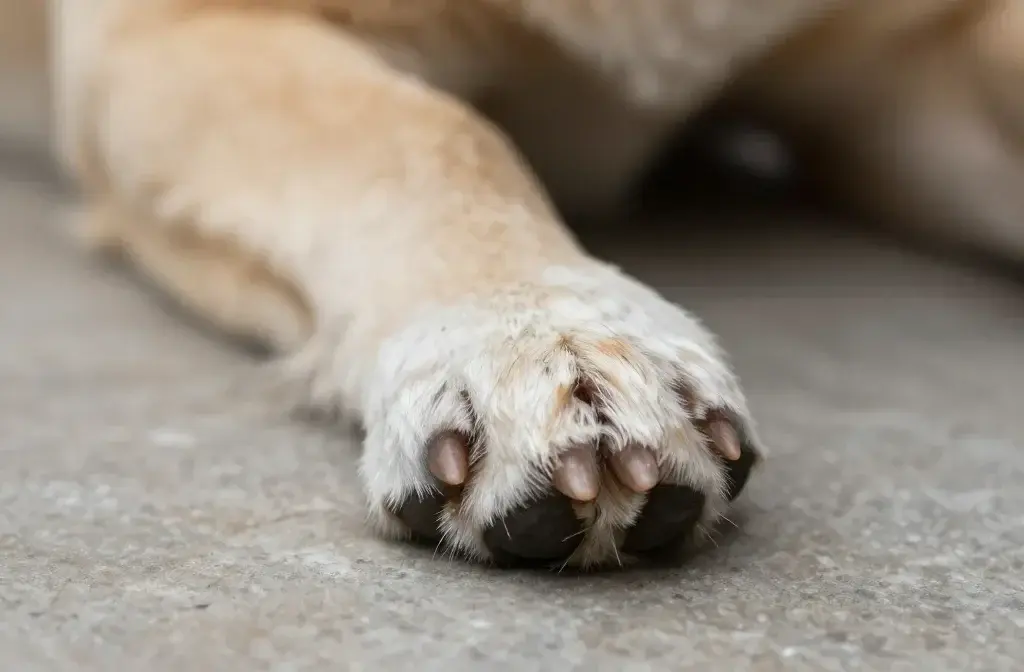
Cracked paw pads? Soggy winter sidewalks? Hot summer pavement? Your dog deals with way more foot drama than you think. The fix doesn’t need to come in a tiny overpriced tin. You can make a buttery-soft balm at home with simple ingredients that work—and yes, it smells good enough that you may “accidentally” use it on your own elbows.
Why Make Your Own Paw Balm?
You control every ingredient. No mystery fragrances, no weird fillers, no “natural” labels that secretly hide synthetics. Just clean, effective stuff you can pronounce.
You save money. A few ounces of beeswax and shea butter will make batch after batch. That means more balm and fewer tiny tins.
You tailor it to your dog. Dry paws? Add more shea. Summer heat? Use a firmer ratio so it doesn’t melt in your pocket. It’s basically skincare, but for your favorite four-legged chaos gremlin.
The Core Ingredients (and What They Actually Do)
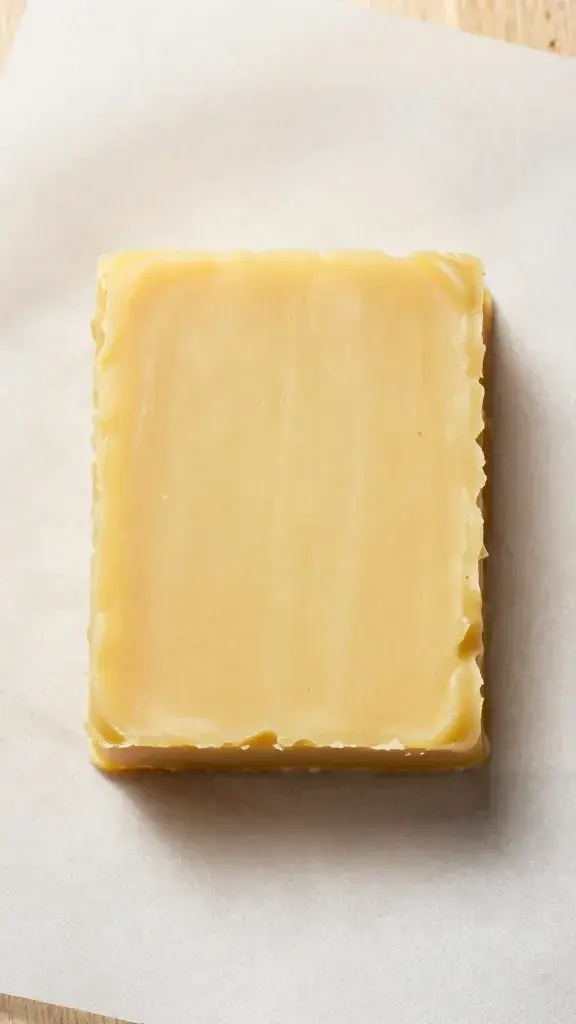
Let’s keep it simple and powerful. Your paw balm only needs a handful of ingredients to shine.
- Beeswax: Creates a protective barrier that locks in moisture and shields against salt, heat, and rough terrain. It also firms up the balm so it doesn’t melt into goo.
- Shea butter (unrefined, if possible): Deeply moisturizing and rich in vitamins A and E. It softens tough pads and helps repair small cracks.
- Carrier oil (sweet almond, olive, jojoba, or coconut): Adds slip, spreads easily, and boosts nourishment. Each oil brings a slightly different texture.
- Optional add-ins: Vitamin E oil (antioxidant and preservative boost), calendula-infused oil (soothing), or a tiny amount of dog-safe essential oils (more on that below—please read before you drip lavender everywhere).
Best Oil Picks (IMO)
- Sweet almond oil: Light, fast-absorbing, and gentle. Great all-rounder.
- Jojoba oil: Technically a wax ester; mimics skin’s natural oils. Excellent for resilience.
- Coconut oil: Thicker and more occlusive. Nice for winter, but use less if your dog licks a lot.
- Olive oil: Budget-friendly and rich, but can feel a bit greasier. Still effective.
The Foolproof Base Recipe
This recipe makes about 4 ounces of balm—enough for a couple of small tins or one larger jar.
- 1 part beeswax pellets (by weight)
- 2 parts shea butter (by weight)
- 2 parts carrier oil (by weight)
- Optional: 1–2% vitamin E oil by total weight
Want a palm version? Use a kitchen scale if you have one. If not, here’s the “close enough” volume method:
- 2 tablespoons beeswax pellets
- 4 tablespoons shea butter
- 4 tablespoons carrier oil
- 8–12 drops vitamin E oil (optional)
Texture Tweaks
– For a firmer balm (summer/travel): Add +1 tablespoon beeswax.
– For a softer balm (winter/dry paws): Add +1 tablespoon oil or shea.
– For a buttery glide: Swap half the carrier oil for jojoba.
Step-by-Step: Melt, Mix, Pour
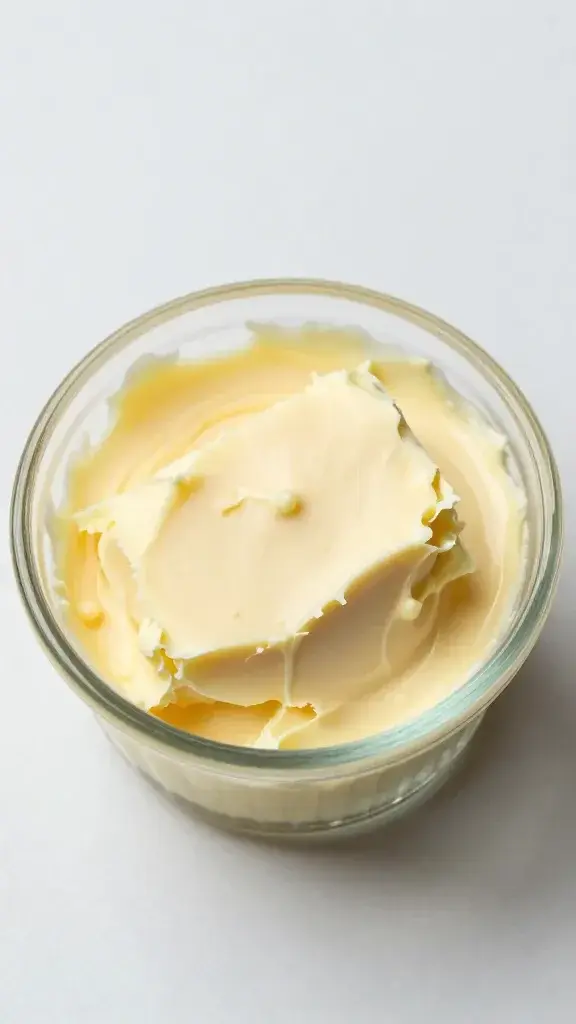
Ready? You’ll need a double boiler (or heat-safe bowl over a pot), a spatula, clean tins or a small jar, and paper towels for inevitable drips.
- Set up a gentle double boiler. Simmer an inch of water in a pot, then set a heat-safe bowl on top. Keep the heat low. We melt stuff, not fry it.
- Add beeswax and carrier oil first. Beeswax takes the longest to melt. Stir occasionally until the wax turns clear.
- Add shea butter. Shea melts quickly. Stir gently until everything looks smooth and glossy. Overheating can make it grainy later.
- Remove from heat. Let the mixture cool for 1–2 minutes, then stir in vitamin E (and any safe add-ins). This helps preserve the good stuff.
- Pour into tins or jars. Leave the lids off while it cools. It sets in about 30–60 minutes. If the surface cracks, no biggie—it’s purely cosmetic.
A Note on Scent
Go easy with essential oils. Dogs have sensitive noses, and not all oils are safe. If you use any, keep it to a tiny amount (think 1–2 drops per 4 ounces). Honestly? Unscented works great and won’t annoy your pup.
Dog-Safe Add-Ins (and What to Avoid)
You don’t need extras, but if you want to level up, here’s the safe lane.
- Calendula-infused oil: Calming for irritated skin. Great in winter or after salty walks.
- Chamomile-infused oil: Soothing and gentle. Same vibe as chamomile tea, but for paws.
- Vitamin E: Helps with shelf life and nourishes skin. A few drops go a long way.
Skip these:
- Tea tree oil (too strong and potentially toxic for dogs)
- Peppermint, clove, cinnamon, and most “spicy” oils (irritating)
- Artificial fragrances (pointless and can cause reactions)
Allergies and Patch Tests
Do a quick patch test on a small area of a paw pad before full use. If you notice redness or licking like it’s the tastiest snack ever, wipe it off and adjust your formula. FYI, dogs can react to nut oils, so choose almond oil carefully if you know your dog has sensitivities.
How to Use Paw Balm Like a Pro
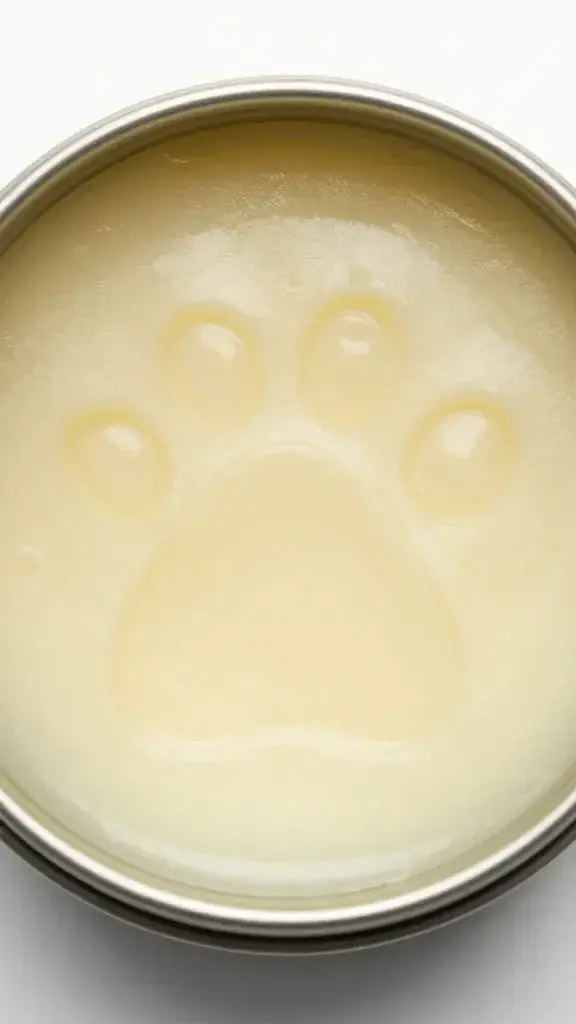
You only need a pea-sized amount per paw. Warm the balm with your fingers, then rub it into the pads and between toes. Dogs love to “help,” so distract with treats or a lick mat.
When to Apply
– Before walks (thin layer): Shields against salt, ice, and hot pavement.
– After walks (slightly thicker): Replenishes moisture and supports healing.
– At bedtime: Let it soak in while your dog sleeps and dreams of chasing squirrels.
Pro tip: If you’ve got a dedicated licker, slip on dog booties or keep them on a rug for a few minutes. Or use a softer formula that absorbs faster.
Storage, Shelf Life, and Sanity
This balm keeps well for 6–12 months if you store it cool and dry. Vitamin E helps delay oil oxidation, but it’s not a full preservative—still, you don’t need water-based preservatives because this recipe has zero water.
Keep a tiny tin by the door, a jar in your dog bag, and a spare in your car. If it melts in summer, just cool it down and it re-solidifies. If it gets grainy, re-melt gently and cool it quickly in the fridge. Annoying? A little. Fixable? Totally.
Troubleshooting: If It’s Weird, Here’s Why
– Too hard: You used too much beeswax. Re-melt and add more oil or shea.
– Too soft: Pump up the beeswax by a tablespoon.
– Grainy texture: Shea crystallized during slow cooling. Re-melt gently and cool fast.
– Dog won’t stop licking: Use lighter oils (jojoba/almond), apply less, and distract longer. Or save coconut oil-heavy blends for bedtime only.
FAQs
Is it safe if my dog licks the balm?
A little licking won’t hurt. The ingredients are dog-safe in small amounts. Keep applications light, distract your dog for a few minutes, and avoid strong flavors like coconut if your dog treats it like frosting.
Can I use this balm on my own hands?
Yes, and you will. It’s basically a luxe hand salve minus the perfume. It’s fantastic on cuticles, elbows, and winter hands. IMO, it’s nicer than a lot of store-bought stuff.
How often should I apply paw balm?
In winter or on salty sidewalks, use it before and after walks. In summer, apply before hot pavement exposure and after long hikes. For maintenance, 3–4 times a week keeps pads soft but resilient.
Can I add essential oils for scent?
You can, but keep it minimal and choose dog-safe options like a single drop of lavender per batch. Many essential oils irritate dogs or overwhelm their senses. Unscented is the safest bet, FYI.
My dog’s paws are cracked and bleeding—will this fix it?
This balm helps moisturize and protect, but open wounds or infections need a vet’s attention. Use balm for maintenance and mild dryness. If you see redness, bleeding, or limping, call your vet first.
What’s the difference between paw balm and nose balm?
Not much. This recipe works for noses, too—just keep it unscented and gentle. Avoid strong oils and keep applications light. If your dog has a breed-specific nose condition, get vet guidance.
Conclusion
You don’t need a boutique tin with a woodland label to keep your dog’s paws happy. A simple blend of beeswax, shea butter, and a good oil handles dryness, salt, and heat like a champ. Customize the texture, keep it clean, and apply it consistently. Your dog gets soft, healthy pads; you get to feel like a skincare chemist. Win-win, IMO.
I’ve spent 10+ years in dog training, digging into what makes dogs (and their humans) tick. At Smart Dog Learning, I share my no-nonsense, fun approach to training so you can enjoy life with a well-behaved, happy pup—no boring lectures, just practical results 😉