
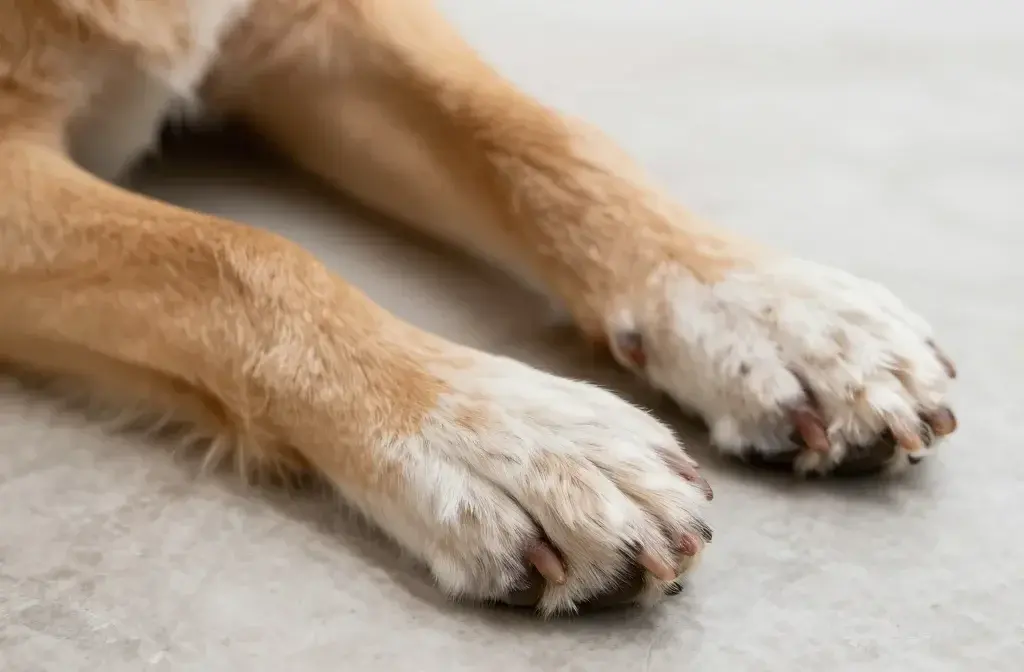
How to Make a DIY Dog First Aid Salve with Coconut Oil & Turmeric
Your dog just slid across the deck, skidded into a thorn bush, and now you’re staring at a tiny scrape like it’s an emergency room drama. Take a breath. You can absolutely handle minor cuts and hot spots at home—safely. And yes, we’re doing it with stuff you probably have in your kitchen: coconut oil and turmeric, the dynamic duo your spice cabinet didn’t know it was.
Why Coconut Oil + Turmeric Work (And When They Don’t)
Coconut oil and turmeric bring serious street cred. Coconut oil helps moisturize, protect, and soothe, while turmeric supports skin healing and offers gentle antimicrobial properties. Together, they create a simple, lick-safe salve that’s easy to apply.
But let’s be real: this is for minor skin issues only. Think superficial scrapes, dry patches, mild hot spots, or irritated paw pads. If you see deep wounds, heavy bleeding, punctures, or your dog seems lethargic or in pain, skip the DIY and call your vet. No home remedy beats professional care when things get gnarly.
What You’ll Need
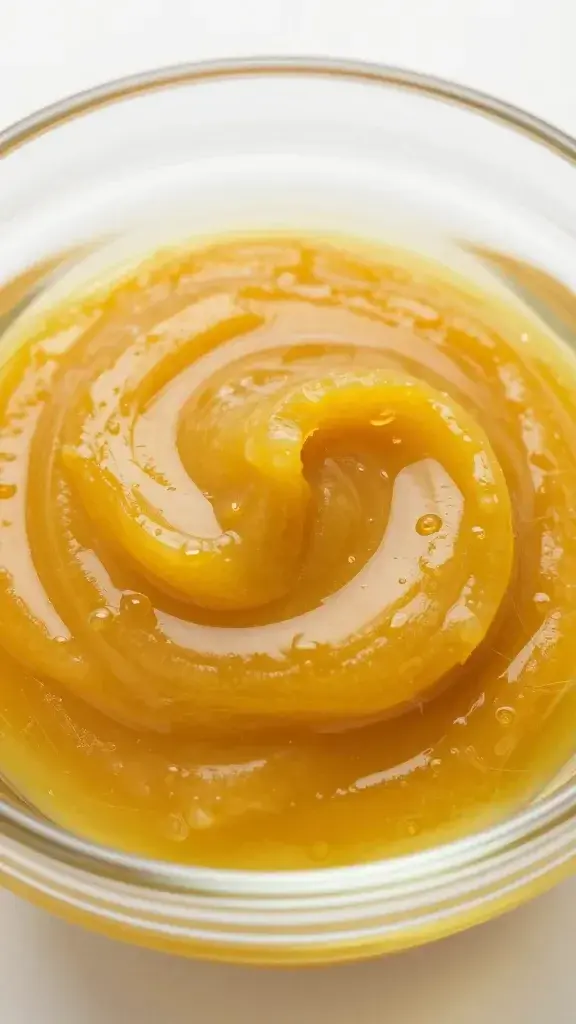
You don’t need a fancy apothecary setup—just a few ingredients and a clean jar.
- Virgin, cold-pressed coconut oil (2 tablespoons): Moisturizing base that softens skin and helps guard against nasties.
- Turmeric powder (1/4 teaspoon): Supports healing and helps with redness and irritation.
- Optional: Beeswax pellets (1 teaspoon): Firms up the salve so it stays put, especially on paws.
- Optional: Vitamin E oil (2-3 drops): Acts as an antioxidant and skin soother.
- Optional: Calendula oil or aloe vera gel (a few drops): Extra calming for sensitive skin.
- Small glass jar with a lid (sterilized): Store your masterpiece in something clean and cute.
Gear Check
- Clean spoon and bowl (or a tiny saucepan)
- Double boiler setup if using beeswax
- Paper towels or clean cloth
- Gloves if you’re not into yellow turmeric fingers
Safety First: What to Do Before You Mix
Always test before you slather. Dogs can react to anything, even goodness.
- Patch test: Dab a small amount on a tiny area (inside of the ear flap or inner leg) and wait 12-24 hours. If you see irritation, skip this recipe.
- Check meds and conditions: If your dog takes anticoagulants, has a bleeding disorder, or has a planned surgery soon, avoid turmeric topically and ask your vet. FYI, turmeric can stain and has mild blood-thinning potential.
- Check the wound: Minor only. No pus, no odor, no deep cuts. If you’re unsure, IMO, call your vet and send a photo.
How to Make the Salve (Simple and Fast)
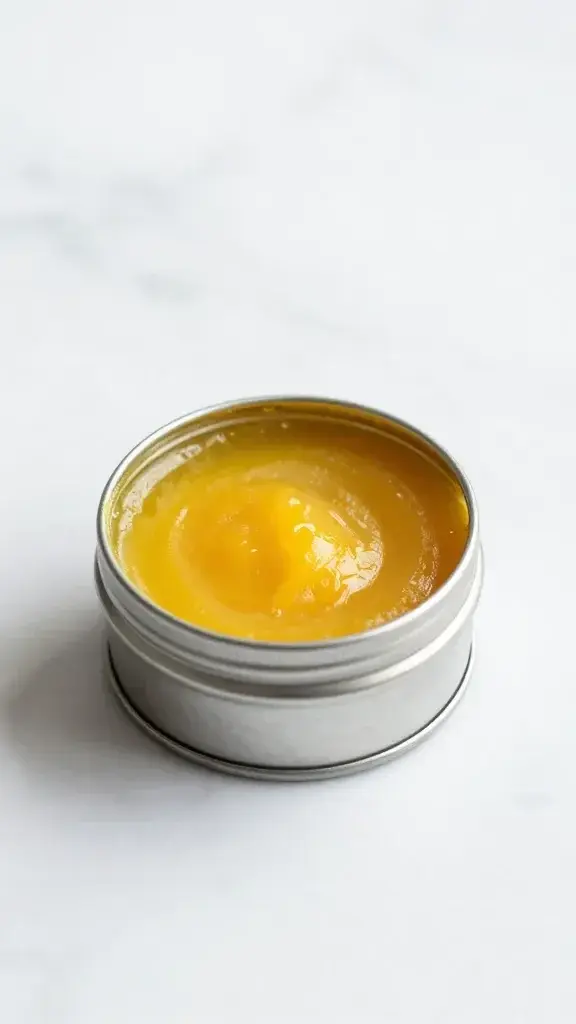
This takes about 10 minutes. Your dog won’t even finish judging you.
- Clean your jar: Wash with hot, soapy water and dry completely. Wipe with rubbing alcohol if you want to be extra.
- Soften the coconut oil: Warm it gently until it turns liquid but not hot. A few seconds in a warm water bath works great.
- If using beeswax: Melt 1 teaspoon beeswax pellets with the coconut oil using a double boiler. Stir until fully melted and combined.
- Add turmeric: Stir in 1/4 teaspoon turmeric powder. Mix thoroughly so there are no clumps.
- Add optional extras: A few drops of vitamin E or calendula oil. Stir again.
- Pour and set: Transfer into your jar. Let it cool and set with the lid off. Once firm, cap it.
Texture Tips
– Want a firmer paw balm? Add a little more beeswax.
– Want it silkier for tiny scrapes? Skip beeswax and use only coconut oil.
– If it’s too grainy, warm and stir again. Turmeric can clump—be patient.
How to Use It on Your Dog (Without a Wrestling Match)
Dogs treat first aid like a game they didn’t agree to play. Here’s how to win anyway.
- Clean the area: Rinse with lukewarm water. Pat dry. If there’s dirt or sap, use a saline rinse (1/2 teaspoon salt in 1 cup boiled-cooled water).
- Apply a thin layer: Use a fingertip or cotton swab. You want a shine, not a frosting. Less mess, less licking.
- Distract for 60-90 seconds: Treat puzzle, lick mat with peanut butter (xylitol-free, obviously), or a quick walk. Let it absorb.
- Repeat 1-2 times daily: Continue for 3-5 days or until the area looks calm and healthy.
Heads-Up About Staining
Turmeric stains everything like a toddler with a marker. Towels, rugs, your jeans, blond fur. Use a small amount, and put down an old towel for application. If fur stains, it fades over a few days. Your couch? Not so much. Protect it.
When to Stop and Call the Vet
We love DIY until we don’t. Watch for red flags.
- Worsening redness, swelling, heat, or pain after 24-48 hours
- Pus, odor, or oozing
- Spreading rash or your dog seems off (lethargy, fever, not eating)
- Excessive licking that prevents healing (use an e-collar or recovery suit if needed)
Why These Ingredients Help (The Quick Science-y Bit)
– Coconut oil: Contains lauric acid and fatty acids that support the skin barrier, moisturize, and help calm irritation. It’s soothing and forms a light protective layer.
– Turmeric: Provides curcuminoids that support the skin’s natural healing process. It offers antioxidant and gentle antimicrobial benefits.
Does this replace antibiotics? No. But for mild scrapes and hotspots, it’s a handy first step that keeps things calm while nature does its thing.
What About Essential Oils?
Short answer: don’t. Many essential oils irritate dog skin or cause toxicity if licked. If you insist, talk to your vet and use pet-safe formulas in ultra-low dilutions. But IMO, this salve doesn’t need them.
Storage, Shelf Life, and Smell Test
– Storage: Keep it in a cool, dry place. A bathroom cabinet works.
– Shelf life: About 3 months without beeswax, 4-6 months with beeswax and vitamin E.
– Signs it’s time to toss: Weird smell, mold, visible separation that won’t remix, or your dog gives it stink-eye. When in doubt, make a fresh batch.
FAQ
Can my dog lick the salve?
A little lick won’t hurt most dogs, but don’t let them eat it like a snack. Turmeric can upset stomachs in bigger amounts. Apply a thin layer and distract them for a minute so it absorbs. If your dog obsessively licks, use a cone or bootie for 30 minutes post-application.
Can I use this on cats?
I wouldn’t. Cats process substances differently and groom constantly. Turmeric and oils can cause GI upset, and cats don’t mess around. Ask your vet for cat-safe options.
Will this help with hot spots?
For mild, early hot spots, yes—clean, dry, and a thin layer can calm things down. But if the area is oozy, very red, or your dog keeps chewing, you need the vet. Hot spots escalate fast and sometimes need prescription meds.
Can I substitute olive oil or another oil?
You can, but coconut oil holds up better on skin and offers mild antimicrobial benefits. Olive oil runs more and can get messy. If you sub, try jojoba or grapeseed, and consider adding beeswax for texture.
How often should I apply it?
Usually 1-2 times per day. More isn’t better—your dog will just lick more. If you don’t see improvement in 2-3 days, reassess and call your vet.
My dog has allergies—safe to use?
If your dog has known food or environmental allergies, patch test first. Some dogs react to coconut or plant compounds. If you see redness, itching, or swelling, wash off and discontinue.
Conclusion
You don’t need a pharmacy to handle tiny dog scrapes and cranky paw pads. A simple salve with coconut oil and turmeric can soothe, protect, and help minor skin issues look less dramatic. Keep it clean, use a light hand, and watch for any red flags. And hey, if your dog ends up with a slightly yellow toe? Consider it a badge of DIY honor—temporary, I promise. FYI, you’ve got this.

I’ve spent 10+ years in dog training, digging into what makes dogs (and their humans) tick. At Smart Dog Learning, I share my no-nonsense, fun approach to training so you can enjoy life with a well-behaved, happy pup—no boring lectures, just practical results 😉