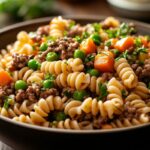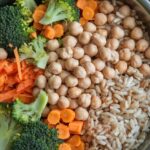
Homemade Allergy-Friendly Dog Food With Quinoa: The Only Guide You Need
Quinoa isn’t just for your Sunday salad flex. It’s a legit lifesaver for dogs with food sensitivities who still want tasty, satisfying meals. If your pup scratches, licks paws, or gets gassy after dinner (we’ve all been there), a simple, homemade quinoa-based recipe can make a big difference. Let’s build a bowl that’s gentle on bellies, packed with nutrition, and still totally drool-worthy.
Why Quinoa Works for Sensitive Dogs
Quinoa is naturally gluten-free, so it often plays nice with dogs who react to wheat or other grains. It’s also a complete protein, which means it carries all nine essential amino acids. Fancy for a seed, right?
It cooks fast, digests easily, and brings bonus nutrients like fiber, magnesium, and B vitamins. IMO, it’s one of the most versatile bases for allergy-friendly dog food, especially when you’re ditching common triggers like chicken, beef, corn, soy, and dairy.
Allergy-Friendly Building Blocks: What to Use (and Skip)
Start simple. If you suspect allergies, fewer ingredients help you spot what works and what doesn’t.
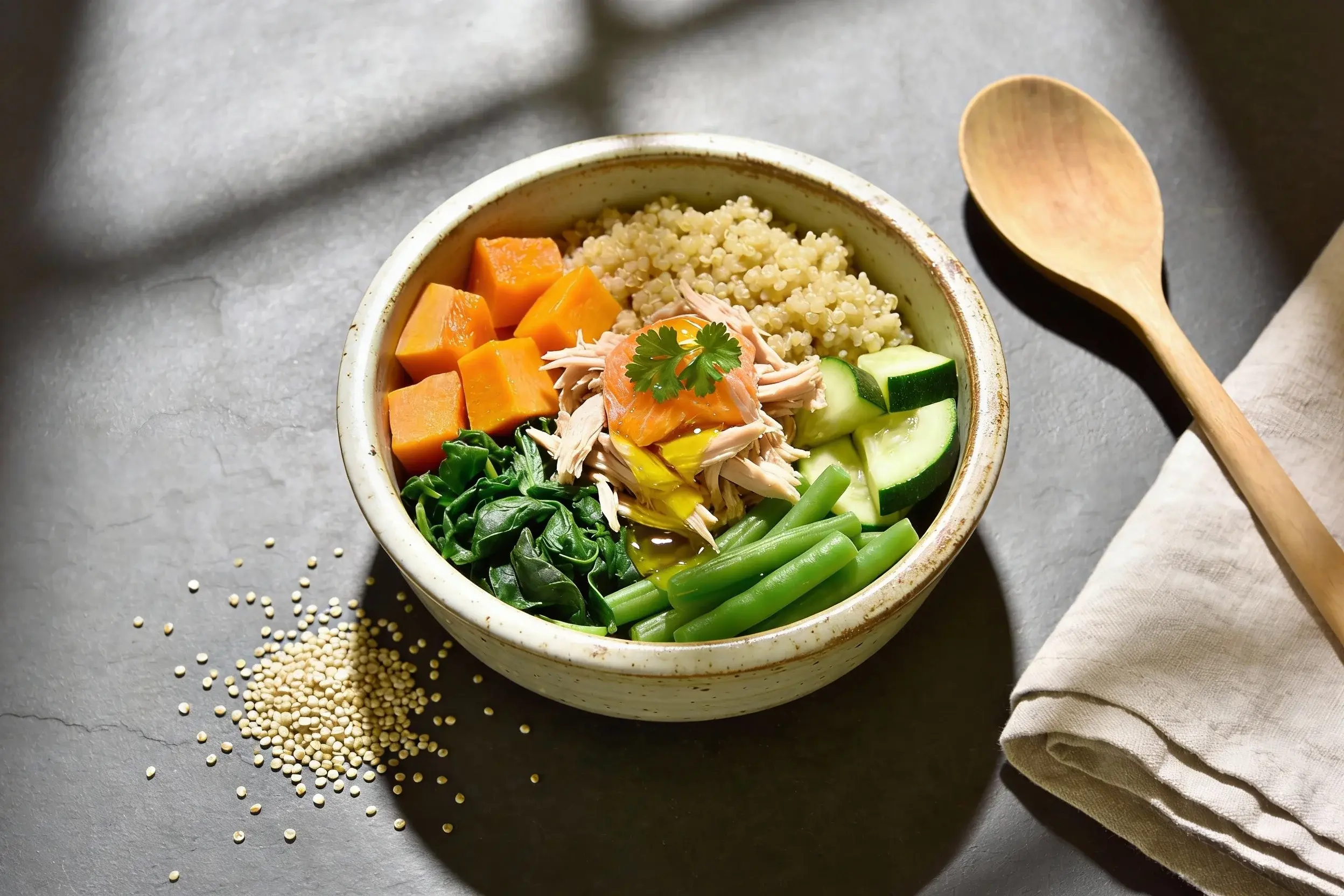
- Protein options: turkey, pork, lamb, duck, whitefish, salmon (if tolerated). Many sensitive dogs do well with turkey or fish.
- Carb base: quinoa (rinsed well). You can rotate with sweet potato if you want variety.
- Veggies: pumpkin, zucchini, spinach, green beans, carrots. Cook them soft for easy digestion.
- Healthy fats: salmon oil or sardine oil for omega-3s; olive oil or coconut oil in small amounts.
- Seasoning: none. No onions, garlic, or salt. Dogs don’t need your spice rack.
Avoid common triggers like chicken, beef, dairy, wheat, soy, and anything with “flavorings” or “by-products.” FYI, onions, garlic, grapes, and xylitol are toxic—hard pass.
Simple Quinoa Dog Bowl Recipe
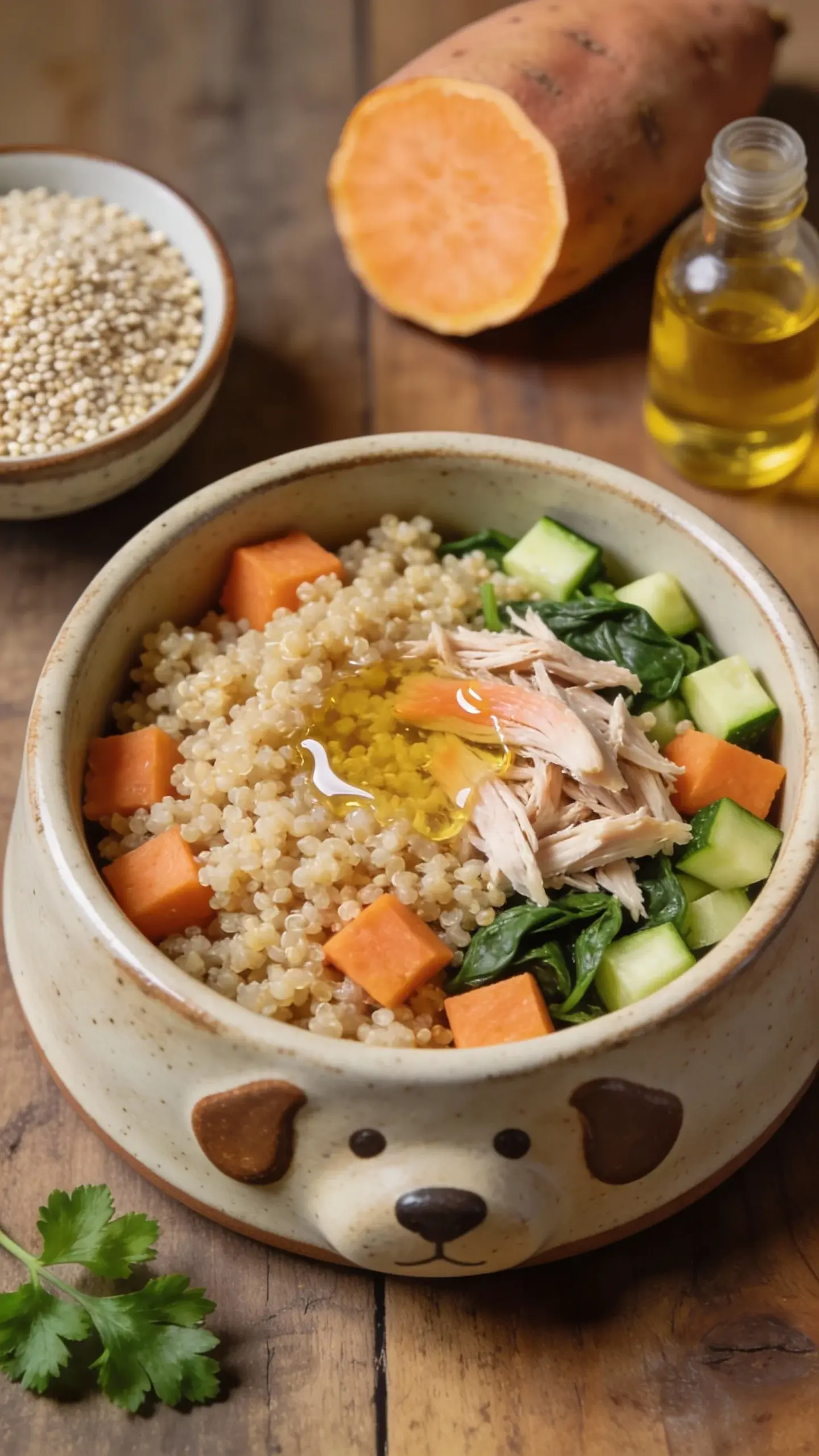
Here’s a balanced, gentle recipe you can batch-cook. It’s a starting point—adjust based on your dog’s size and vet advice.
Ingredients
- 1 cup quinoa, rinsed well
- 1.5 pounds ground turkey or lean pork (or 1.5 pounds whitefish fillets)
- 1 cup pumpkin puree (plain, not pie filling)
- 1 cup chopped zucchini or green beans
- 2 cups low-sodium bone broth or water
- 1–2 tablespoons salmon oil (added after cooking)
- Optional: 1/4 cup chopped spinach, lightly wilted
Directions
- Rinse quinoa until the water runs clear. This removes saponins that can taste bitter and upset tummies.
- Cook quinoa in 2 cups broth/water. Simmer 15 minutes until fluffy.
- In a separate pan, cook the protein thoroughly. Drain excess fat if needed.
- Steam or sauté veggies until soft. No oil needed for this step.
- Combine quinoa, protein, and veggies. Let it cool, then stir in salmon oil.
- Portion into containers and refrigerate 3–4 days or freeze 1–2 months.
Tip: Start with a small portion mixed into your dog’s usual food over 3–5 days. Slow transitions reduce tummy drama.
Portions: How Much Should You Feed?
Every dog is different, but this ballpark works for most healthy adults:
- 1/2–3/4 cup per 10 lbs body weight per day, split into two meals.
Example: a 30-lb dog might eat 1.5–2.25 cups daily. Adjust for activity level, age, and metabolism. If your dog acts hungry but gains weight, cut back a bit. If ribs vanish, bump it up. Simple.
Don’t Forget Micronutrients
Homemade food wins for simplicity and control, but you still need a balanced vitamin-mineral profile. That’s where a vet-approved supplement comes in.
Essential add-ins
- Calcium: If you don’t include edible bone, add a calcium source (e.g., calcium carbonate). Typical guidance: about 800–1,000 mg calcium per pound of food, but confirm with your vet.
- Omega-3s: Salmon oil balances inflammation and supports skin health.
- Multivitamin formulated for homemade dog diets: Choose one with zinc, vitamin E, iodine, copper, manganese, and B vitamins.
- Fiber: Pumpkin or a pinch of psyllium husk can help regulate stools if needed.
IMO, partnering with your vet or a board-certified veterinary nutritionist for a customized supplement plan is worth it—especially for allergy dogs.
Allergy-Safe Flavor Boosts
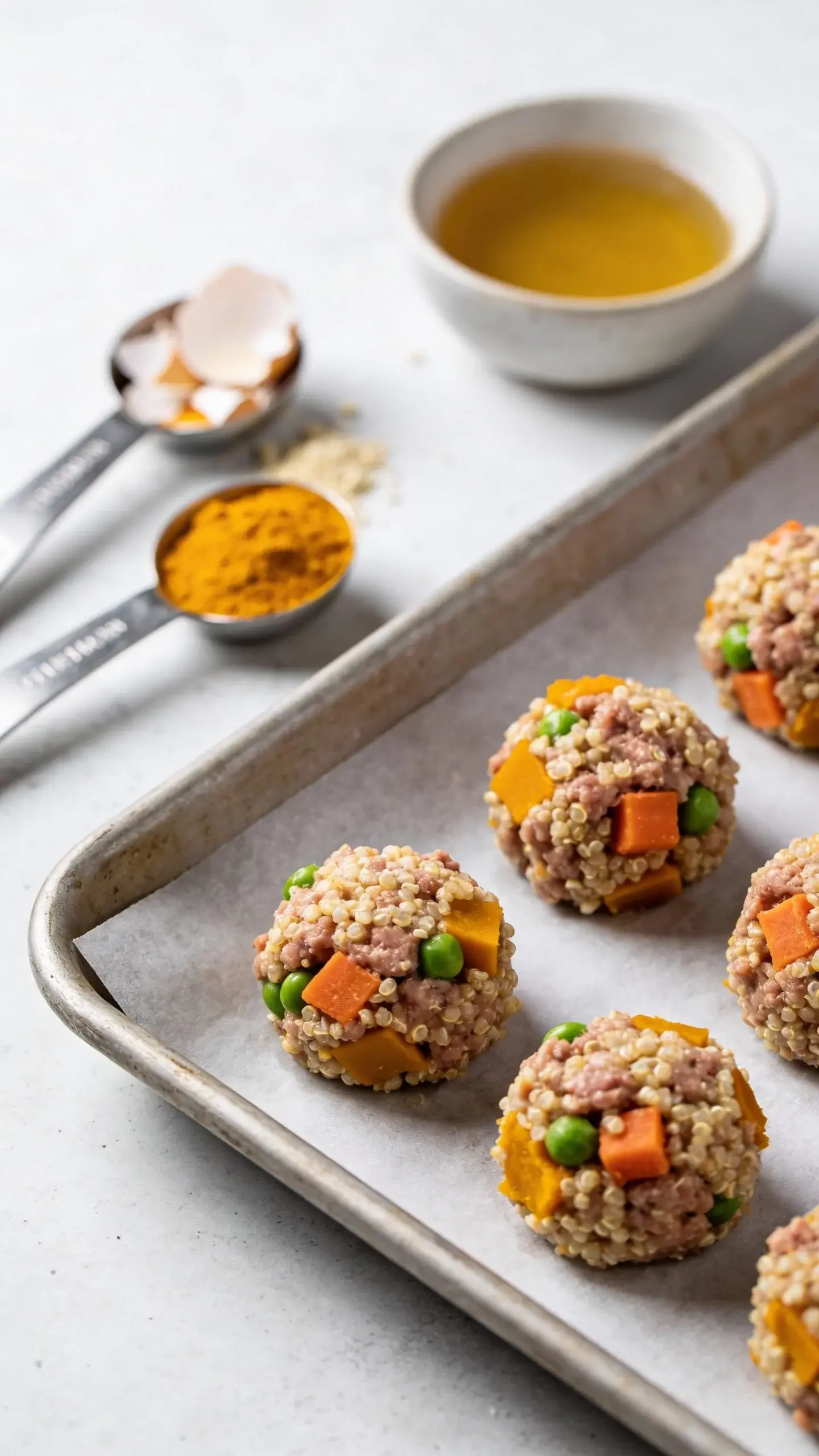
Dogs love variety. You can rotate proteins and veggies that your dog tolerates. Keep it simple and do one change at a time to spot troublemakers.
- Protein rotation: turkey one week, whitefish the next, then lamb.
- Veg swaps: pumpkin to sweet potato, zucchini to green beans.
- Texture play: mash part of the quinoa mix for seniors or gulpers.
Signs This Recipe Helps (and When to Change Course)
Good signs show up fast: fewer ear scratches, calmer paws, better poops, shinier coat, and less gas (your living room thanks you).
But if you see hives, vomiting, soft stools that persist, or your dog refuses to eat, hit pause. Revert to a safe baseline, then test new ingredients slowly. When in doubt, chat with your vet. FYI, sudden symptoms can signal something bigger than food sensitivity.
Budget and Batch-Cooking Tips
- Buy proteins on sale and freeze in meal-size bags.
- Cook quinoa in bulk and freeze in flat freezer bags for quick defrosts.
- Use frozen veggies—nutritious, cheap, and easy.
- Portion with a scale for consistency. Future you will be grateful.
FAQs
Can dogs eat quinoa every day?
Yes, many dogs can. Quinoa works well as a daily base if you balance the diet with proper protein, fats, and a supplement. Rotate proteins and veggies to cover nutrient bases and keep things interesting.
Is quinoa better than rice for sensitive dogs?
Often, yes. Quinoa offers more protein and micronutrients and skips gluten. Some dogs handle rice just fine, but quinoa gives you more nutrition per bite. If your dog gets gassy, reduce the portion and cook it extra soft.
What proteins pair best with quinoa for allergies?
Turkey, whitefish, salmon, duck, and lamb usually do great. Avoid known triggers for your dog, and trial one protein at a time for 7–10 days before rotating.
Do I need to add calcium?
Absolutely. Without bone-in meats, the calcium-to-phosphorus balance skews low. Use a vet-approved calcium supplement or a complete homemade-diet mix to keep bones and nerves happy.
How do I transition from kibble to homemade?
Go slow over 3–7 days: 25% new/75% old, then 50/50, then 75/25, then 100% homemade. If stools loosen, linger at the current step until things normalize.
Can I freeze this quinoa mix?
Yes, it freezes great. Portion into meal-size containers, label with protein and date, and use within 1–2 months for best flavor and nutrients.
Conclusion
Homemade allergy-friendly dog food with quinoa keeps things simple, nourishing, and customizable. Start with a few clean ingredients, add smart supplements, and watch your dog’s skin, gut, and energy improve. You control the bowl, your dog gets delicious dinners, and everyone breathes easier—literally. Win-win, IMO.
Printable Recipe Card
Want just the essential recipe details without scrolling through the article? Get our printable recipe card with just the ingredients and instructions.

I’ve spent 10+ years in dog training, digging into what makes dogs (and their humans) tick. At Smart Dog Learning, I share my no-nonsense, fun approach to training so you can enjoy life with a well-behaved, happy pup—no boring lectures, just practical results 😉