
Chicken Pieces With Rice And Carrot Dog Meal – Simple, Nourishing Homemade Food
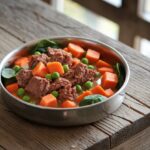
Homemade dog meals don’t have to be complicated to be wholesome. This Chicken Pieces with Rice and Carrot Dog Meal is a simple, gentle option you can make with pantry staples. It’s great for sensitive stomachs, picky eaters, or dogs who just love a warm, comforting bowl.
You’ll know exactly what goes into your dog’s dish, and you can prep a few days’ worth in one go. It’s budget-friendly, easy to portion, and easy to customize for different dogs.
What Makes This Recipe So Good
- Simple, clean ingredients: Chicken, rice, carrots, and a touch of healthy fat. No mystery fillers.
- Gentle on the stomach: Plain rice and lean chicken are often well-tolerated by dogs with mild digestive issues.
- Balanced with add-ons: You can incorporate a dog-safe multivitamin or omega-3 oil to cover micronutrient needs.
- Budget-friendly and easy to batch: Make once, portion, and refrigerate or freeze for later.
- Customizable: Swap rice types, adjust texture, or add dog-safe veggies for variety.
Ingredients
- 1 1/2 pounds boneless, skinless chicken thighs or breasts, cut into small pieces
- 1 cup white rice (or brown rice if your dog tolerates it well)
- 1 1/2 cups peeled carrots, finely chopped or grated
- 4 cups water or low-sodium, onion-free chicken broth
- 1 tablespoon olive oil or salmon oil (for healthy fats)
- Optional: 1/2 cup finely chopped spinach or green beans (dog-safe, lightly cooked)
- Optional: Dog-specific multivitamin or mineral supplement (follow label for canine dosage)
How to Make It
- Prepare the rice: Rinse the rice under cold water until the water runs mostly clear.
This helps improve the texture and reduce excess starch.
- Start cooking: Add rice, carrots, and water (or broth) to a pot. Bring to a gentle boil, then reduce to a low simmer and cover.
- Cook the chicken: While the rice simmers, heat the oil in a skillet over medium heat. Add the chicken pieces and cook until fully done, no pink inside.
Avoid browning too much; keep it simple and unseasoned.
- Combine: When the rice is tender (about 15–20 minutes for white rice, 35–40 for brown), stir in the cooked chicken. If using spinach or green beans, add them now and cook for 2–3 minutes until softened.
- Adjust texture: Add a splash of warm water if the mixture seems dry. You want a moist, scoopable texture that’s easy for your dog to eat.
- Cool completely: Let the food cool to room temperature.
This protects your dog’s mouth and helps retain nutrients.
- Portion and supplement: Portion into your dog’s bowls or containers. If using a dog multivitamin or omega-3 oil, add the recommended amount to each serving.
Storage Instructions
- Refrigerate: Store in airtight containers for up to 3 days.
- Freeze: Portion and freeze for up to 2 months. Label with the date to keep track.
- Reheat safely: Thaw overnight in the fridge.
Warm gently and stir well to remove hot spots. Serve slightly warm or at room temperature.
- Discard if unsure: If you notice an off smell, discoloration, or slimy texture, do not serve.
Why This is Good for You
- Lean protein for strong muscles: Chicken provides essential amino acids that support muscle maintenance and overall health.
- Carbs for steady energy: Rice is a mild, easily digestible carbohydrate that fuels daily activity without heavy richness.
- Vitamins and fiber from carrots: Carrots offer vitamin A precursors and fiber, supporting vision and regular digestion.
- Healthy fats for skin and coat: Olive oil or salmon oil adds essential fatty acids that help keep skin healthy and coats shiny.
- Control over ingredients: You can avoid excess sodium, hidden seasonings, and preservatives common in some commercial foods.
Pitfalls to Watch Out For
- Skipping supplements: Homemade meals can be short on certain vitamins and minerals. Use a vet-approved dog multivitamin if serving this regularly.
- Seasoning the food: Do not add salt, garlic, onion, chives, leeks, or seasoning blends.
Many are unsafe for dogs.
- Wrong rice choice during tummy upset: If your dog has a sensitive stomach, white rice is usually easier than brown rice.
- Overcooking the chicken: Dry, tough chicken can be unappealing. Cook through, but keep it tender.
- Portion mistakes: Overfeeding can cause weight gain. Use your dog’s weight and activity level to guide serving sizes.
- Not cooling before storing: Hot food in containers can cause condensation and spoil faster.
Variations You Can Try
- Turkey and rice: Swap chicken for ground turkey (93–99% lean).
Cook thoroughly and drain excess fat.
- Pumpkin add-in: Stir in 1–2 tablespoons of plain canned pumpkin per cup of food for extra fiber.
- Quinoa instead of rice: Rinse well and cook until fluffy. Some dogs do well with this higher-protein grain.
- Sweet potato swap: Replace a portion of the rice with cooked, mashed sweet potato for a softer texture and more variety.
- Omega boost: Add fish oil per your vet’s guidance for extra omega-3s, especially helpful for skin and joint support.
FAQ
How much should I feed my dog?
Portions vary by size, age, and activity level. As a general starting point, offer about 2–3% of your dog’s body weight in food per day, split between meals.
Adjust based on your dog’s body condition and your vet’s advice.
Is this a complete and balanced meal on its own?
Not by default. While it’s wholesome, it may lack certain micronutrients long-term. For regular feeding, add a dog-specific vitamin/mineral supplement and consider omega-3s.
Consult your vet for personalized guidance.
Can I use brown rice instead of white rice?
Yes, if your dog tolerates it. Brown rice has more fiber and nutrients, but it’s tougher on sensitive stomachs. If your dog has digestive issues, stick with white rice.
Can I cook everything in one pot?
You can, but results vary.
To keep chicken tender and avoid overcooking, it’s best to cook the rice and carrots first and then stir in cooked chicken. One-pot methods may turn the chicken stringy.
What veggies are safe to add?
Dog-safe options include green beans, zucchini, peas, spinach, and broccoli (small amounts). Always chop finely and cook lightly.
Avoid onions, garlic, leeks, and anything seasoned or spicy.
How long can I store this meal?
Refrigerate up to 3 days or freeze up to 2 months. Keep portions airtight and labeled. Thaw in the fridge, not on the counter.
Can I use chicken with skin?
It’s better to remove the skin to limit fat, especially for dogs prone to pancreatitis or weight gain.
Leaner is safer and easier on digestion.
My dog is picky. Any tips?
Serve slightly warm, add a splash of warm water or a teaspoon of salmon oil for aroma, and keep pieces bite-sized. Consistency and routine also help picky eaters.
Wrapping Up
Chicken Pieces with Rice and Carrot Dog Meal is a simple way to feed your dog something warm, gentle, and wholesome.
With just a few ingredients and basic steps, you can make a batch that stores well and keeps mealtime stress-free. Add a vet-approved supplement to round out nutrients if you plan to serve it regularly. Keep portions right for your dog, rotate safe veggies for variety, and enjoy the peace of mind that comes with homemade care.
Printable Recipe Card
Want just the essential recipe details without scrolling through the article? Get our printable recipe card with just the ingredients and instructions.

I’ve spent 10+ years in dog training, digging into what makes dogs (and their humans) tick. At Smart Dog Learning, I share my no-nonsense, fun approach to training so you can enjoy life with a well-behaved, happy pup—no boring lectures, just practical results 😉