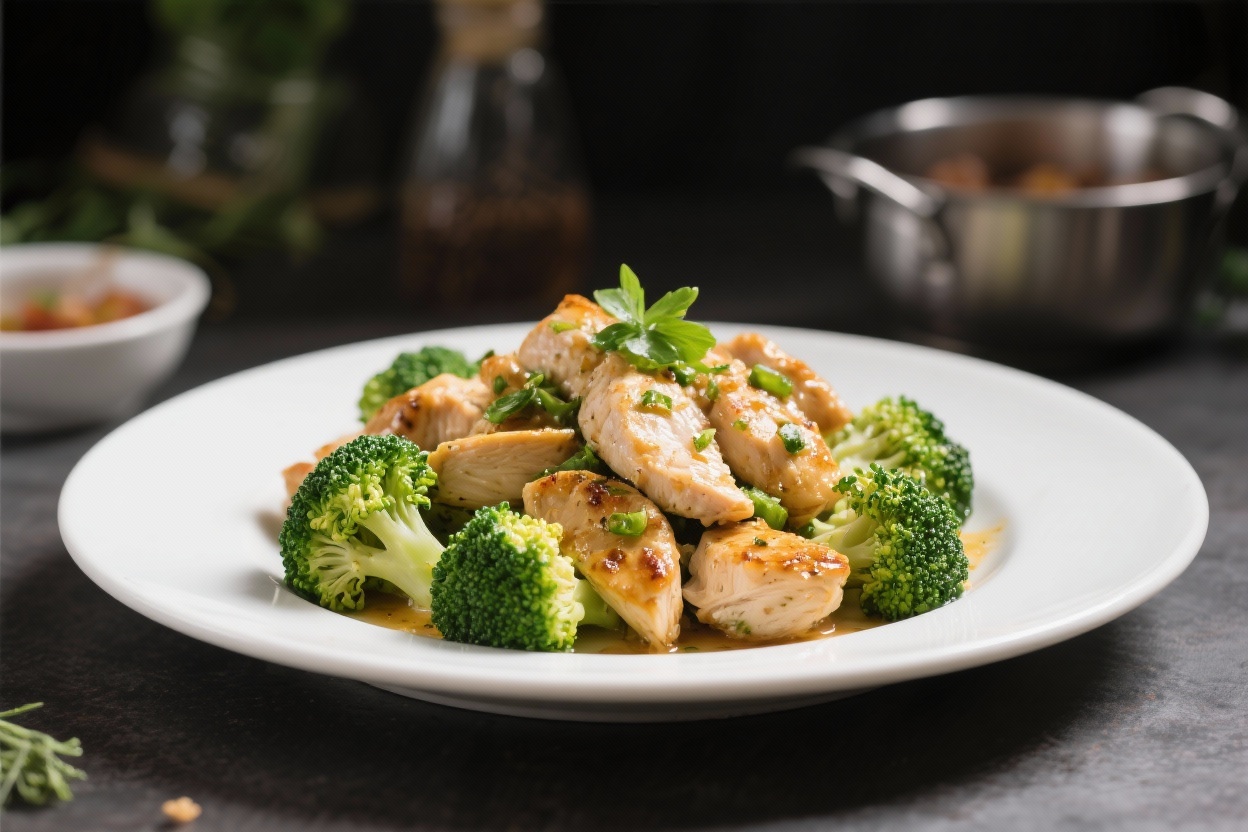
Broccoli and Chicken Power Homemade Dog Food – Simple, Nutritious, and Pup-Approved
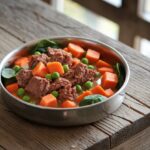
This recipe is a great option if you want a wholesome, budget-friendly meal for your dog made from real ingredients. It’s gentle on the stomach, full of lean protein, and packed with fiber and vitamins. You’ll cook everything in one pot, which keeps prep simple and cleanup easy.
Plus, you can make a big batch to portion for the week. If your dog is a picky eater, this savory mix tends to win them over.
What Makes This Special
This broccoli and chicken combo offers a solid foundation: lean protein, complex carbs, and nutrient-rich greens. The balance helps support energy, digestion, and a shiny coat.
It’s also highly customizable, so you can adjust portions and add safe extras to suit your dog’s needs. Most importantly, you’ll know exactly what’s going into your dog’s bowl.
Note: Homemade food should be nutritionally balanced over time. For long-term feeding, talk to your vet or a veterinary nutritionist about adding the right supplements, especially calcium and essential fatty acids.
What You’ll Need
- 1 1/2 pounds boneless, skinless chicken (breasts or thighs, trimmed)
- 2 cups broccoli florets (fresh or frozen, chopped small)
- 1 cup carrots (finely diced or shredded)
- 1 cup green beans (chopped; fresh or frozen)
- 1 1/2 cups cooked brown rice or quinoa (plain, no salt)
- 1 tablespoon olive oil or salmon oil (added after cooking)
- 2–3 cups low-sodium water or homemade unsalted broth
- Optional add-ins: 1/4 cup pumpkin puree (plain), 1/4 cup peas, a pinch of turmeric
- Supplements as directed by your vet: canine multivitamin/mineral, calcium, fish oil (if not using salmon oil)
Step-by-Step Instructions
- Prep the chicken. Cut the chicken into small, bite-size pieces.
Smaller pieces cook faster and are easier for dogs to chew.
- Start the pot. In a large pot, add the chicken and cover with the water or unsalted broth. Bring to a gentle simmer over medium heat.
- Skim and cook. As it simmers, skim any foam from the top. Cook the chicken for about 8–10 minutes until no pink remains.
- Add the veggies. Stir in broccoli, carrots, and green beans.
Continue to simmer for 8–10 minutes, until the vegetables are tender but not mushy.
- Stir in the grains. Add the cooked brown rice or quinoa. Mix well and heat through for 2–3 minutes. If the mixture looks dry, add a splash of warm water.
- Cool it down. Remove from heat and let the mixture cool to room temperature.
Hot food can burn your dog’s mouth, so cooling is important.
- Add healthy fats. Once cooled, stir in the olive oil or salmon oil. This boosts omega fatty acids for skin and coat health.
- Portion and serve. Serve the appropriate amount for your dog’s size and activity level. Store the rest as directed below.
Keeping It Fresh
- Refrigerate: Store in airtight containers for up to 4 days.
- Freeze: Portion into meal-size containers or silicone molds; freeze for up to 2–3 months.
Label with the date.
- Thaw safely: Thaw overnight in the fridge. Reheat gently until just warm, not hot.
- Add oils and supplements after reheating: Heat can degrade omega oils and certain vitamins.
Health Benefits
- Lean protein from chicken: Supports muscle maintenance, immune health, and overall energy.
- Broccoli’s vitamins and fiber: Offers vitamin C, K, and antioxidants, plus fiber to help digestion.
- Carrots and green beans: Provide beta-carotene and low-calorie bulk, helpful for weight control.
- Whole grains: Brown rice or quinoa adds steady energy and additional fiber.
- Healthy fats: Olive or salmon oil supports skin, coat, joint, and brain health.
Common Mistakes to Avoid
- Using seasoning or salt: Skip onions, garlic, salt, and spice blends. Dogs don’t need them and some are toxic.
- Serving too hot: Always let the food cool to room temperature before feeding.
- Overcooking broccoli: Very mushy broccoli can be less appealing and reduces texture.
Aim for tender.
- Ignoring supplements: For long-term feeding, add a vet-recommended calcium source and a complete canine multivitamin/mineral.
- Wrong portions: Overfeeding leads to weight gain. Adjust based on your dog’s body condition and activity.
Alternatives
- Protein swaps: Use ground turkey or lean beef. Cook thoroughly and drain excess fat.
- Grain-free option: Replace rice with extra veggies like cauliflower rice or add more quinoa if tolerated.
- Veggie variety: Try zucchini, spinach (chopped), or pumpkin puree.
Introduce new items slowly.
- Texture changes: For small breeds or seniors, chop finely or pulse the cooled mixture a few times in a food processor.
- Allergy-friendly tweaks: If your dog reacts to chicken, choose rabbit, turkey, or white fish after consulting your vet.
FAQ
How much should I feed my dog?
A general starting point for homemade food is 2–3% of your dog’s body weight per day, split into two meals. For example, a 20-pound dog might eat about 6–9 ounces daily. Adjust based on body condition, age, and activity.
Your vet can help fine-tune the amount.
Is broccoli safe for dogs?
Yes, in moderate amounts. Broccoli provides fiber and vitamins. Too much can cause gas in some dogs, so keep it to a reasonable portion within a balanced meal.
Can I use raw chicken?
For safety, cook the chicken thoroughly to an internal temperature of 165°F (74°C).
Cooking reduces the risk of harmful bacteria. Raw feeding is a separate approach and should be done under veterinary guidance.
Do I need supplements?
If you feed homemade food regularly, yes. Most home recipes lack calcium and some essential micronutrients.
A canine multivitamin/mineral and a calcium source are commonly recommended, along with omega-3s if not using salmon oil. Ask your vet for specific products and doses.
Can I add fruit?
Small amounts of dog-safe fruit like blueberries or apple (no seeds) are fine as treats or occasional add-ins. Keep fruit portions small to avoid extra sugar and stomach upset.
How do I switch from kibble to homemade?
Transition slowly over 5–7 days.
Start with 25% homemade and 75% old food, then increase the homemade portion every couple of days. Watch for loose stools or vomiting and slow down if needed.
What if my dog has a sensitive stomach?
Start with plain chicken, rice, and carrots. Introduce broccoli in small amounts once your dog tolerates the base.
Keep fats modest at first, and avoid sudden ingredient changes.
Can puppies eat this?
Puppies have higher nutrient needs, especially for calcium and phosphorus. If you want to feed homemade to a puppy, consult your vet or a nutritionist to ensure the recipe is balanced for growth.
In Conclusion
Broccoli and Chicken Power Homemade Dog Food is simple, nutritious, and adaptable. It gives you control over ingredients while keeping mealtimes tasty and wholesome.
Use the base recipe, tweak it to your dog’s needs, and work with your vet on supplements and portions. With a little planning, you can keep your dog’s bowl full of fresh, balanced goodness all week long.
Printable Recipe Card
Want just the essential recipe details without scrolling through the article? Get our printable recipe card with just the ingredients and instructions.

I’ve spent 10+ years in dog training, digging into what makes dogs (and their humans) tick. At Smart Dog Learning, I share my no-nonsense, fun approach to training so you can enjoy life with a well-behaved, happy pup—no boring lectures, just practical results 😉