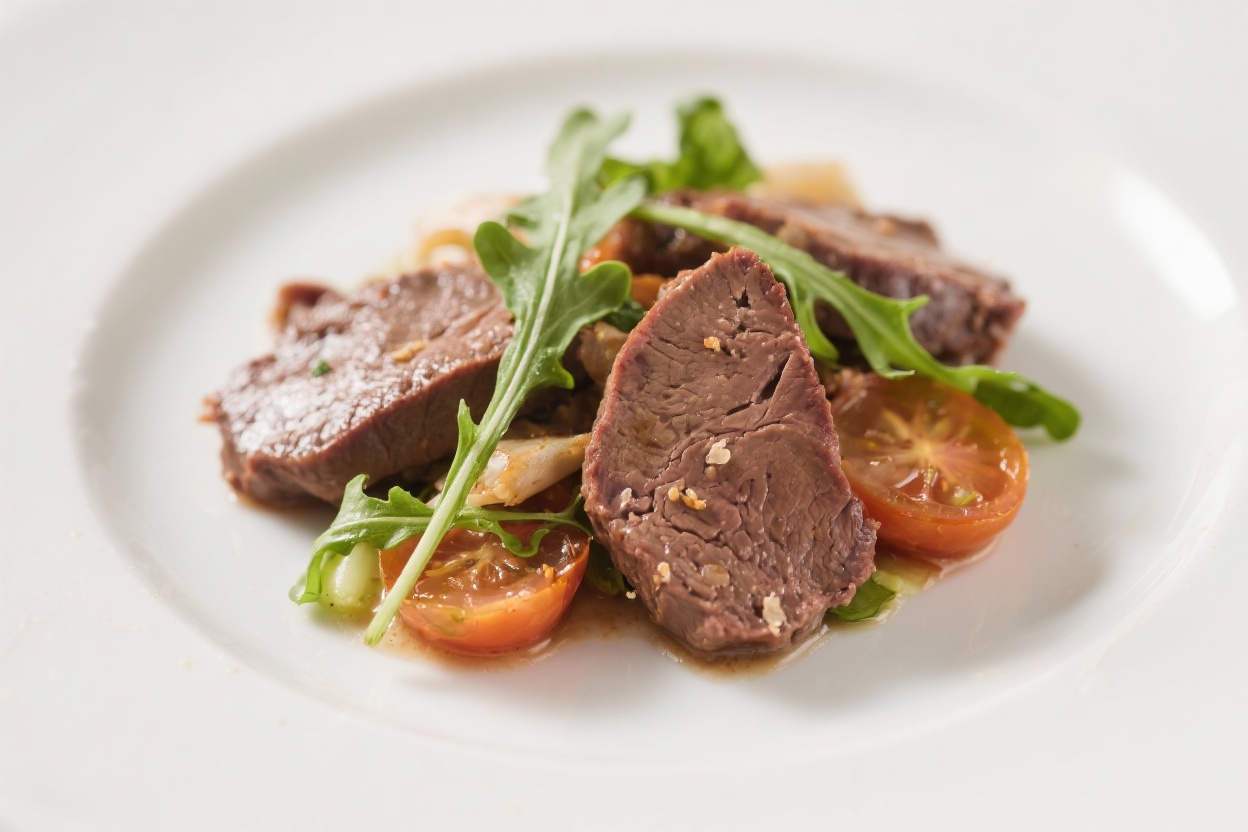
Beef Liver and Rabbit Cat Food – A Simple, Nutritious Homemade Recipe
This Beef Liver and Rabbit Cat Food is a straightforward recipe that puts high-quality protein first. If your cat has a sensitive stomach, allergies, or you just want more control over ingredients, this one hits the mark. It’s rich, balanced, and made with simple, real foods your cat will actually eat.
You’ll get a clean ingredient list, step-by-step instructions, and tips to store it safely. Always talk with your vet before switching to homemade food, especially if your cat has health issues.
What Makes This Recipe So Good
- High-quality protein: Rabbit and beef liver provide complete amino acids to support muscle, skin, and coat health.
- Naturally nutrient-dense: Liver is rich in vitamin A, B vitamins, iron, copper, and taurine—key for heart and eye health.
- Great for picky eaters: Many cats love the aroma and taste of liver and mild, lean rabbit meat.
- Simple ingredients: No fillers, artificial flavors, or mystery additives.
- Flexible texture: You can serve it minced, ground, or puréed to suit your cat’s preference.
Shopping List
- Fresh rabbit meat (boneless), about 1.5 pounds
- Fresh beef liver, 4–6 ounces (do not exceed 10% of total recipe by weight)
- Chicken heart or beef heart, 6–8 ounces (taurine-rich; optional but recommended)
- Egg yolks, 2 large (lightly cooked)
- Salmon oil or sardine oil, 1–2 teaspoons (omega-3s)
- Bone broth (unsalted, onion-free), 1/2–3/4 cup
- Pumpkin purée (plain), 1–2 tablespoons (fiber; optional)
- Taurine supplement powder, 500–1,000 mg (if not using heart)
- Calcium source: finely ground eggshell powder (about 1 teaspoon) or a vet-approved calcium supplement
- Vitamin E supplement (optional, per label dosage)
- Water, as needed
Step-by-Step Instructions
- Prep your tools: Clean your cutting board, knife, and a large mixing bowl. Have a food processor or meat grinder ready.
Wash your hands before and after handling raw meat.
- Trim the rabbit: Cut the boneless rabbit into chunks. If you’re starting with bone-in rabbit, carefully remove bones and save them for broth—do not include cooked bones in the food.
- Portion the liver: Measure 4–6 ounces of beef liver. Do not exceed 10% of the total recipe by weight to avoid vitamin A overload.
- Prepare the heart: Slice chicken or beef heart into small pieces. If you’re skipping heart, plan to add the taurine supplement later.
- Lightly cook (optional): For cats sensitive to raw, gently poach the rabbit and heart until just cooked through.
Lightly sear the liver for 30–60 seconds per side. Avoid overcooking to preserve nutrients and moisture.
- Cook the egg yolks: Soft-scramble or lightly poach the yolks until just set. Raw yolks are rich in nutrients but lightly cooking reduces food safety risks.
- Combine ingredients: Add rabbit, liver, heart, and egg yolks to a bowl.
Mix in salmon oil, bone broth, and pumpkin purée (if using). Add the calcium source and taurine (if no heart used). If using vitamin E, add now per label directions.
- Adjust texture: Pulse the mixture in a food processor to your cat’s preferred texture—chunky, minced, or smooth.
Add a splash of water or broth for moisture.
- Portion: Divide into daily servings. A general starting guideline is about 2–4% of your cat’s body weight per day, split into 2 meals, adjusting for age, activity, and body condition.
- Chill promptly: Refrigerate portions you’ll use within 2–3 days and freeze the rest.
How to Store
- Refrigerator: Store in airtight containers for up to 48–72 hours.
- Freezer: Freeze portions for up to 2–3 months. Label with the date.
- Thawing: Thaw in the fridge overnight.
Never leave raw food at room temperature for more than 30 minutes.
- Serving temperature: Serve slightly chilled or at room temp. If warming, place the container in warm water—avoid microwaving, which can create hot spots and degrade nutrients.
Why This is Good for You
This recipe focuses on animal-based nutrition that mirrors what cats naturally thrive on. Rabbit offers lean, gentle protein that’s often well-tolerated by cats with sensitivities.
Beef liver adds a concentrated source of vitamins and minerals that support energy, immunity, and skin and coat health.
Taurine is essential for heart, vision, and reproductive health—heart meat is a natural source, and supplemental taurine ensures the diet stays complete. Omega-3 fatty acids from fish oil help reduce inflammation and keep the coat shiny. A proper calcium source balances the phosphorus in meat and organs to support bone and kidney health.
Common Mistakes to Avoid
- Too much liver: Keep liver to 5–10% of the total recipe by weight to avoid vitamin A toxicity.
- Skipping calcium: Meat alone is high in phosphorus. Always add a calcium source unless you’re using a balanced raw diet with bone content.
- Not adding taurine: If you don’t include heart, add taurine powder.
Cooking can reduce taurine, so supplementing is smart even with heart.
- Seasoning the food: No salt, onion, garlic, spices, or herbs. Many are unsafe for cats.
- Poor hygiene: Cross-contamination can make pets and people sick. Clean surfaces, utensils, and hands thoroughly.
- Inconsistent portions: Measure servings and watch your cat’s weight and energy.
Adjust as needed.
Recipe Variations
- Rabbit-only base: Skip the beef liver and use chicken liver instead if your cat reacts to beef. Keep total liver within 10%.
- Texture tweaks: Mix half minced, half puréed for cats who prefer soft but still want a bit of chew.
- Hydration boost: Add extra bone broth or water for cats who don’t drink much.
- Allergy-friendly: Use duck heart or turkey heart if chicken isn’t tolerated.
- Supplement blend: Talk to your vet about a comprehensive feline vitamin/mineral mix to help cover micronutrient bases.
FAQ
Can I feed this completely raw?
Yes, many cats do well on raw as long as you handle ingredients safely and balance the nutrients. If you’re concerned about bacteria or your cat has a weak immune system, lightly cook the meats instead.
How much should I feed per day?
Start with 2–4% of your cat’s body weight daily, split into two meals.
For a 10-pound (4.5 kg) cat, that’s roughly 3–6 ounces per day. Monitor weight, appetite, and energy, and adjust with your vet’s guidance.
Do I have to add calcium if I’m not using bone?
Yes. Without bone, you need a calcium source like eggshell powder or a feline calcium supplement.
This is crucial for bone health and to balance phosphorus from meat and organs.
Is beef liver safe every day?
It’s safe in the right amount. Keep liver to 5–10% of the total diet by weight. Too much can lead to vitamin A toxicity over time.
What if I can’t find rabbit?
Use turkey thigh, chicken thigh, or lean pork as a substitute.
Keep the overall proportions the same and include heart, liver, calcium, and taurine.
Can I freeze this in small portions?
Absolutely. Use silicone trays or small containers for single servings. Freeze, pop them out, and store in freezer bags for easy rotation.
Do I still need a multivitamin?
A feline-specific supplement can help fill gaps, especially for vitamin E, B vitamins, and trace minerals.
Ask your vet which product and dose fit your cat’s needs.
Is fish oil necessary?
It’s recommended. Omega-3s support skin, coat, and joint health. If your cat refuses fish oil, try krill oil or a small amount of sardine packed in water (as a treat, not a staple).
Final Thoughts
Homemade cat food can be simple, safe, and nourishing when you use the right proportions and handle ingredients carefully.
This Beef Liver and Rabbit Cat Food focuses on clean proteins, vital nutrients, and practical steps any pet parent can follow. Start slow, watch your cat’s response, and keep your vet in the loop. With a little prep, you can serve a meal that’s healthy, tasty, and tailored to your cat’s needs.
Printable Recipe Card
Want just the essential recipe details without scrolling through the article? Get our printable recipe card with just the ingredients and instructions.

I’ve spent 10+ years in dog training, digging into what makes dogs (and their humans) tick. At Smart Dog Learning, I share my no-nonsense, fun approach to training so you can enjoy life with a well-behaved, happy pup—no boring lectures, just practical results 😉