
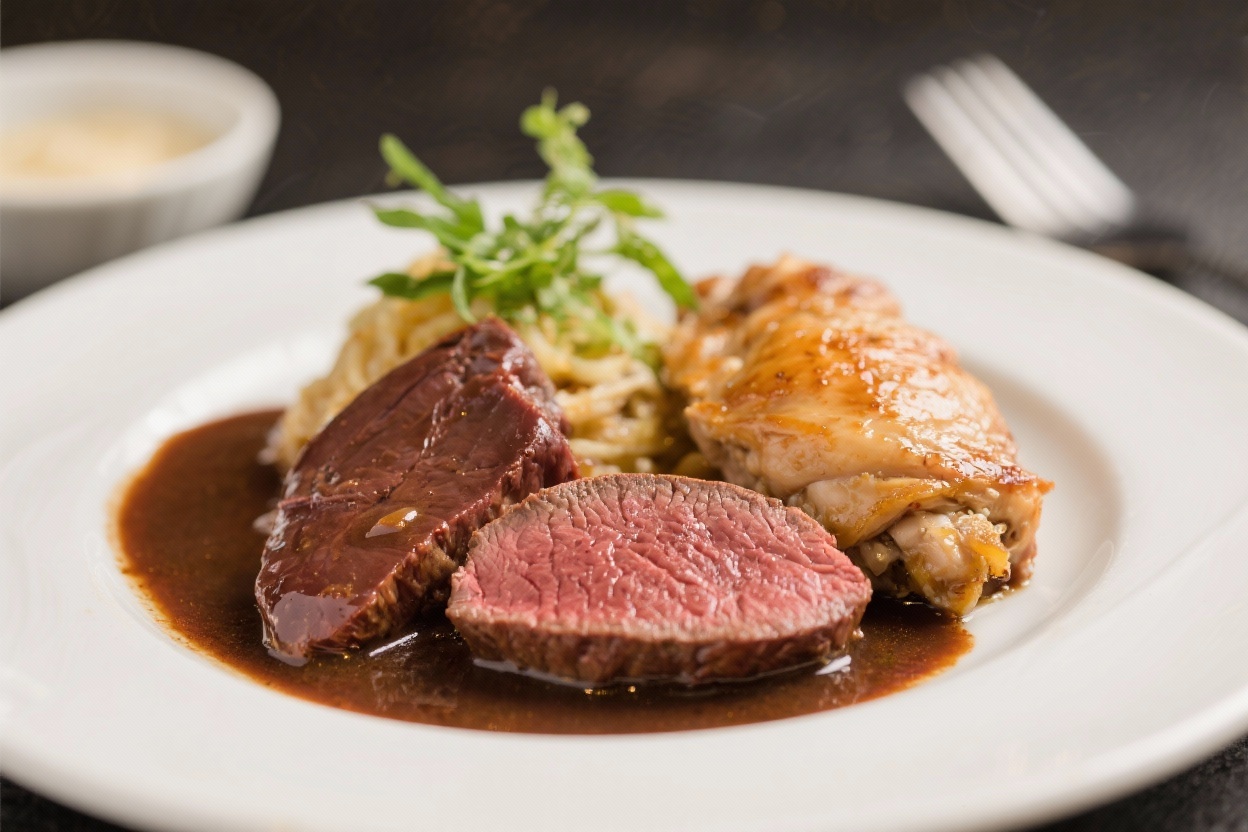
Beef Heart and Chicken Thigh Cat Meal – A Simple, Nourishing Homemade Recipe
Cats can be picky eaters, but meals built from fresh, clean ingredients often win them over. This simple recipe focuses on nutrient-rich meats that most cats find tempting. It’s straightforward to make, budget-friendly, and easy to portion for the week.
Whether you’re supplementing a commercial diet or exploring homemade feeding, this is a balanced starting point with accessible ingredients. As always, talk to your vet before switching your cat’s diet, especially if your cat has health issues.
What Makes This Special
This meal blends beef heart and chicken thighs, two ingredients that deliver quality protein and natural taurine, a must-have for feline health. The texture is soft enough for most cats, but still meaty enough to satisfy.
You’ll use a small set of supplements to support a more complete nutrient profile, especially calcium. With a little prep, you can stock your freezer with portions your cat will actually eat.
Shopping List
- Beef heart (about 1 lb / 450 g), trimmed
- Skin-on, bone-in chicken thighs (about 2 lb / 900 g)
- Egg yolks (2 large), lightly beaten
- Salmon oil or sardine oil (for omega-3s), about 1–2 teaspoons
- Taurine powder (if available), 500–1,000 mg
- Calcium source: finely ground eggshell powder or food-grade bone meal (if you’re not grinding bones)
- Water or low-sodium, pet-safe bone broth (unsalted, onion- and garlic-free)
- Optional: small pinch of iodized salt or a feline-specific multivitamin with iodine
Important: Avoid onions, garlic, chives, excessive salt, and any seasoning blends. Keep it plain and pet-safe.
How to Make It
- Prep the chicken. If you have a meat grinder and plan to include bone, remove the skin if your cat is sensitive to fat, then grind the thigh meat with the bones.
If you’re not grinding bones, debone the thighs and keep the meat; discard the bones and plan to add a calcium source later.
- Trim the beef heart. Remove any tough connective tissue or large vessels. Cut into chunks small enough for your grinder or food processor. If you don’t have either, mince it finely with a sharp knife.
- Lightly cook or keep raw based on your comfort level. If you prefer lightly cooked: gently sear the exterior of the meats in a pan just until the outside changes color, keeping the interior pink.
Let cool. If serving raw, keep everything chilled and work cleanly.
- Combine the meats. In a large bowl, mix the chicken thigh meat and beef heart. Aim for roughly 2 parts chicken to 1 part heart by weight for a balanced flavor and texture.
- Add supplements. Stir in taurine powder, salmon oil, and egg yolks.
If you did not include bone, add a proper amount of eggshell powder or bone meal. A common guide is about 1 teaspoon finely ground eggshell per 1 lb (450 g) of boneless meat, or follow your bone meal label’s directions.
- Adjust moisture. Add a splash of water or pet-safe broth to create a moist, spoonable mix. Cats often prefer a soft, hydrated texture.
- Mix thoroughly. Combine until everything is evenly distributed.
Taste is fine to smell, not to eat—this is pet food only.
- Portion. Divide into daily servings based on your cat’s weight and appetite. As a rough starting point, many adult cats eat about 2–4% of their body weight per day, split into two meals. Adjust as needed.
- Chill quickly. Refrigerate what you’ll use in 24–48 hours.
Freeze the rest in airtight containers or silicone trays for easy defrosting.
How to Store
- Refrigerator: Keep portions in sealed containers for up to 48 hours.
- Freezer: Store for up to 2–3 months. Label with the date.
- Thawing: Thaw in the fridge overnight. Never leave raw meat at room temperature for long.
- Serving: Offer slightly chilled or bring to room temperature.
Avoid microwaving too long; brief low-power warming is fine if your cat dislikes cold food.
Why This is Good for You
This recipe supports your cat’s needs with high-quality animal protein and naturally occurring taurine from beef heart and dark chicken meat. The egg yolks add fat-soluble vitamins and a silky texture. Omega-3s from fish oil support skin, coat, and joint health.
Balanced calcium—whether from ground bone or eggshell—helps maintain proper phosphorus-to-calcium ratios for strong bones and overall metabolic health.
Note: Homemade diets can vary in nutrients. For long-term feeding, consider a feline-specific multivitamin and check with your veterinarian or a board-certified veterinary nutritionist to ensure complete balance for your cat’s age and health status.
Common Mistakes to Avoid
- Skipping calcium when using boneless meat. This throws off the calcium-phosphorus balance and can harm bone health over time.
- Underestimating taurine needs. Even with heart in the recipe, adding taurine powder offers a safety margin, especially if you lightly cook the meat.
- Adding onions, garlic, or seasoning. These ingredients are unsafe for cats.
- Overcooking the meat. High heat can reduce taurine and dry out the texture, making it less appealing.
- Neglecting hygiene. Work with clean hands, tools, and surfaces. Keep everything chilled to minimize bacterial growth.
- Changing diets too fast. Sudden switches can upset your cat’s stomach.
Transition gradually over 5–7 days.
Recipe Variations
- Turkey swap: Use turkey thigh meat in place of chicken for a similar texture and flavor profile.
- Heart-forward mix: If your vet approves, increase beef heart slightly for a richer taurine boost. Keep it to a sensible portion so the meal stays balanced.
- Broth boost: Stir in a little unsalted, onion-free bone broth to tempt picky eaters and improve hydration.
- Texture tweak: Pulse half the mixture in a food processor for a smoother blend if your cat struggles with chunks.
- Allergy-aware: If chicken is a problem, try rabbit or duck thighs with heart from the same or another species, keeping the supplement ratios consistent.
FAQ
Is this recipe complete and balanced for long-term feeding?
It’s a solid foundation but may not cover every micronutrient for all cats. For long-term use, add a feline multivitamin with iodine and vitamin E, ensure proper calcium, and confirm with your veterinarian or a veterinary nutritionist.
Regular checkups and weight monitoring help you keep the diet on track.
Can I serve this raw?
Yes, many cats do well on raw when prepared safely. Use fresh, high-quality meats, keep everything cold, sanitize tools, and store properly. If raw makes you uneasy, lightly sear the outside of the meat while keeping the center pink to preserve nutrients.
How much should I feed?
As a starting point, most adult cats eat about 2–4% of body weight daily, split into two meals.
For a 10 lb (4.5 kg) cat, that’s roughly 3–6 ounces (85–170 g) of food per day. Adjust for age, activity, and body condition, and ask your vet if you’re unsure.
Do I need taurine if I’m using beef heart?
Beef heart is rich in taurine, but adding a supplement provides a buffer, especially if you partially cook the meat or your cat has higher needs. Taurine is essential for heart, eye, and immune health, so it’s smart to include.
What if my cat won’t eat it?
Transition gradually by mixing a small amount into your cat’s usual food, then increasing over several days.
Try warming slightly, adding a spoon of pet-safe broth, or adjusting texture. Some cats need a slow, patient switch.
Can I use chicken breast instead of thighs?
You can, but dark meat offers more fat and flavor, which many cats prefer. If you use breast, consider adding a bit more healthy fat (like a touch more fish oil) and ensure you’re still balancing calcium and taurine.
Is fish oil safe for daily use?
In small amounts, yes.
Use a quality salmon or sardine oil made for pets, and store it in the fridge to prevent oxidation. Follow label dosing and avoid overdoing it to keep the diet balanced.
In Conclusion
This Beef Heart and Chicken Thigh Cat Meal is simple, nourishing, and cat-approved in both flavor and texture. With the right calcium, taurine, and safe handling, it can fit into a balanced feeding plan.
Start small, watch your cat’s response, and fine-tune as needed. When in doubt, consult your vet to make sure you’re covering all the bases while keeping mealtimes happy and stress-free.

I’ve spent 10+ years in dog training, digging into what makes dogs (and their humans) tick. At Smart Dog Learning, I share my no-nonsense, fun approach to training so you can enjoy life with a well-behaved, happy pup—no boring lectures, just practical results 😉