Beef and Turkey Liver Cat Meal – A Protein-Rich Homemade Recipe
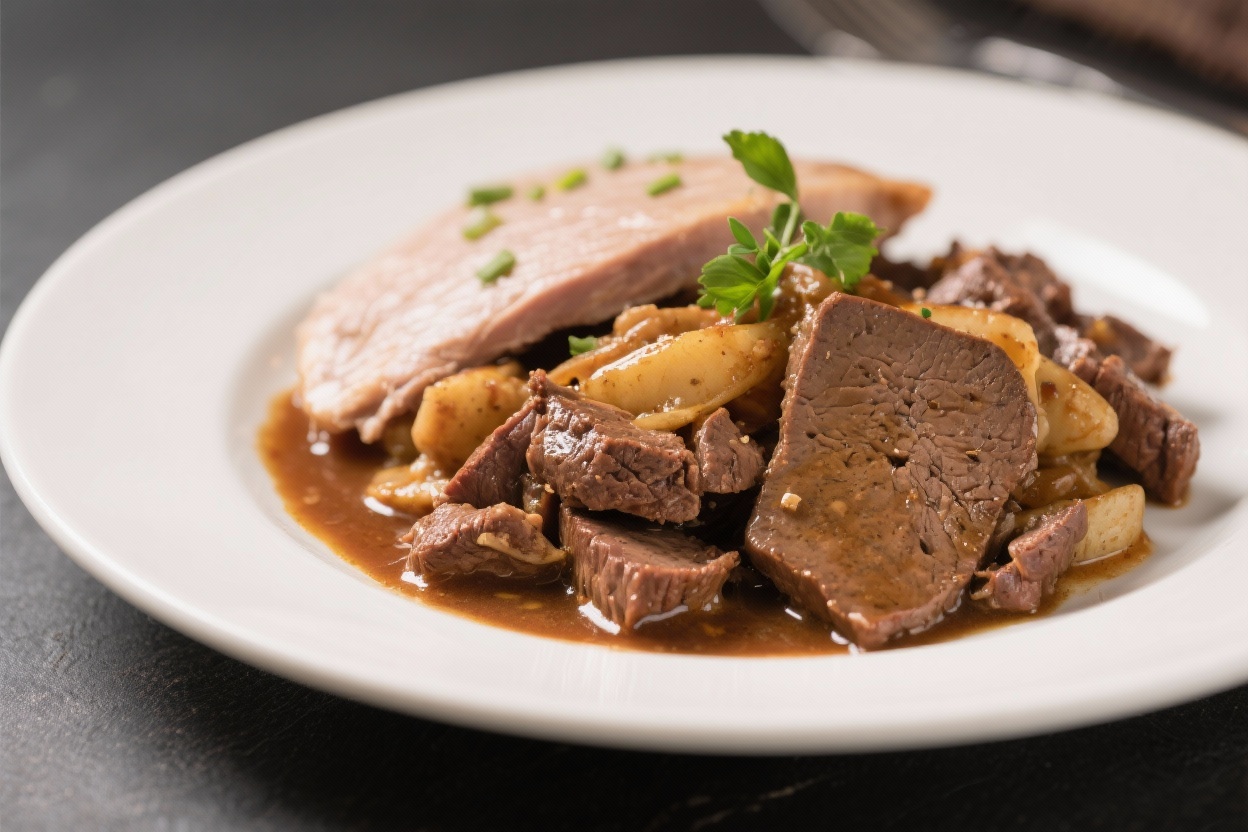
If you’re looking to make a simple, nourishing meal for your cat, this beef and turkey liver mix is a great place to start. It’s rich in protein, full of flavor, and uses ingredients that are easy to find. Many cats love the taste of liver, and the beef adds hearty satisfaction.
You’ll also have control over what goes in, which is helpful for cats with sensitivities. As always, check with your vet before making big changes to your cat’s diet.
What Makes This Special
This recipe blends lean beef with nutrient-dense turkey liver for a balanced, cat-friendly meal. Liver provides essential vitamins and minerals, while beef supplies complete protein and healthy fats.
With a few simple add-ins, it can align more closely with feline nutritional needs. The texture is soft and moist, making it easy for most cats to eat.
What You’ll Need
- 1 pound (450 g) ground beef – choose 85–90% lean
- 4 ounces (110 g) turkey liver – fresh or frozen, trimmed
- 1 large egg – lightly beaten (optional for protein and choline)
- 1 tablespoon salmon oil or sardine oil – for omega-3s
- 1/4 teaspoon taurine powder – essential for heart and eye health
- 1/8 teaspoon iodized salt – for iodine; omit if using a complete supplement with iodine
- 1/4 cup water or low-sodium bone broth – unsalted, onion- and garlic-free
- Optional: 1–2 tablespoons finely chopped cooked pumpkin or zucchini for moisture and fiber
- Optional: A feline multivitamin/mineral supplement formulated for homemade diets (follow label)
Step-by-Step Instructions
- Prep the liver. Rinse the turkey liver, trim any tough bits, and pat dry.
Chop into small pieces for even cooking.
- Lightly cook the beef. In a skillet over medium heat, add ground beef. Break it up and cook until just brown on the outside but still slightly pink in the center.
Do not overcook; cats generally prefer moist, tender meat.
- Add the liver. Stir in the chopped turkey liver and cook for 2–3 minutes, just until the surface changes color. You want it cooked through but still soft.
- Add moisture.
Pour in the water or broth and simmer for 1 minute to keep the mixture juicy.
- Cool slightly. Remove from heat and let the mixture cool until warm, not hot. This protects heat-sensitive nutrients.
- Mix in supplements.
Stir in the egg (if using), salmon oil, taurine powder, and iodized salt. If you’re using a feline multivitamin/mineral supplement, add it now as directed.
- Adjust texture. For a smoother consistency, pulse the mixture briefly in a food processor.
Add a splash more water or broth if needed.
- Portion. Divide into single-meal servings based on your cat’s size. As a rough guide, many adult cats eat 2–4 ounces (56–113 g) per meal, twice a day.
Your vet can give a precise target.
- Serve. Offer a small portion at first to see how your cat responds. Refrigerate the rest promptly.
How to Store
- Refrigerator: Store in an airtight container for up to 2 days.
- Freezer: Portion into silicone molds or small containers and freeze for up to 2 months.
Thaw overnight in the fridge.
- Reheating: Serve chilled or gently warmed to room temperature. Avoid microwaving to very hot temperatures; heat can degrade nutrients and create hot spots.
- Freshness check: If it smells sour or looks discolored or slimy, discard it.
Benefits of This Recipe
- High-quality protein: Beef provides complete amino acids for muscle maintenance and energy.
- Nutrient-dense liver: Turkey liver supplies vitamin A, B vitamins, iron, and copper in small, powerful amounts.
- Essential taurine: Added taurine supports heart, vision, and digestion.
- Healthy fats: Salmon oil brings EPA and DHA, which help skin, coat, and joint health.
- Moisture-rich: Extra water or broth helps support urinary health.
- Simple ingredient list: Good for cats with certain sensitivities when guided by your vet.
Pitfalls to Watch Out For
- Too much liver: Liver is potent. Keep it to about 5–10% of the total recipe by weight to avoid excess vitamin A and copper.
- Skipping taurine: Cats must have taurine.
Do not omit the taurine supplement unless you’re using a complete premix that includes it.
- Seasonings and alliums: Never add onion, garlic, chives, or seasoned broths. These can be toxic to cats.
- Unbalanced long-term feeding: This recipe is a helpful base, but without a complete supplement or careful formulation, it may not cover every micronutrient over time.
- Texture issues: Some cats prefer finely minced or blended food. Adjust the texture so your cat actually eats it.
- Rapid diet changes: Transition slowly over several days to reduce stomach upset.
Alternatives
- Different proteins: Swap ground beef for ground turkey, chicken thigh, or rabbit if your cat prefers.
Keep liver at 5–10% of the total.
- Liver type: Chicken or beef liver can replace turkey liver in similar amounts.
- Premix shortcut: Use a feline diet premix designed for raw or lightly cooked meats; follow the package directions to balance the meal.
- Oil options: If fish oil isn’t tolerated, try krill oil or algae-based DHA/EPA made for pets.
- Bone content: If your vet recommends calcium, use food-grade eggshell powder or a feline calcium supplement according to directions. Do not add cooked bones.
FAQ
Can I serve this raw?
Some owners feed raw, but raw meat can carry bacteria. If you choose raw feeding, discuss safe handling and complete balancing with your vet and consider briefly searing the exterior or using high-quality, deep-frozen meats.
How often can I feed this?
You can feed it as part of a rotation or as a primary meal if it’s balanced with the right supplements.
For long-term use, ensure you include taurine and consider a complete feline multivitamin/mineral premix.
Is beef safe for cats with sensitive stomachs?
Many cats tolerate beef, but some do better with poultry or rabbit. Start with small amounts and watch for vomiting, diarrhea, or itchiness. If issues arise, switch proteins and consult your vet.
Do I need to add calcium?
If this recipe replaces most of your cat’s diet, a calcium source is often recommended.
Ask your vet about dosage and whether eggshell powder or a feline supplement suits your cat’s needs.
Can I freeze individual portions?
Yes. Portion into small containers or silicone trays, freeze, then pop into a freezer bag. Thaw in the fridge 12–24 hours before feeding.
What if my cat won’t eat liver?
Blend the liver into the beef for a smoother result, or reduce the amount and increase gradually.
You can also try chicken liver, which some cats prefer.
Is the egg necessary?
No, it’s optional. Egg adds protein, choline, and texture, but the recipe works without it. If using, add it off-heat to preserve nutrients.
How do I transition from commercial food?
Mix 25% of this meal with 75% of the current food for 2–3 days, then 50/50 for a few days, then 75/25, and finally 100% if tolerated.
Slow changes help prevent stomach upset.
In Conclusion
This Beef and Turkey Liver Cat Meal is simple, flavorful, and packed with the nutrients cats crave. With taurine, a healthy fat source, and mindful liver portions, it can fit well into a balanced homemade plan. Keep portions appropriate, store it safely, and adjust texture to your cat’s liking.
For long-term feeding, work with your vet to ensure all nutrients are covered so your cat stays healthy and happy.
Printable Recipe Card
Want just the essential recipe details without scrolling through the article? Get our printable recipe card with just the ingredients and instructions.

I’ve spent 10+ years in dog training, digging into what makes dogs (and their humans) tick. At Smart Dog Learning, I share my no-nonsense, fun approach to training so you can enjoy life with a well-behaved, happy pup—no boring lectures, just practical results 😉