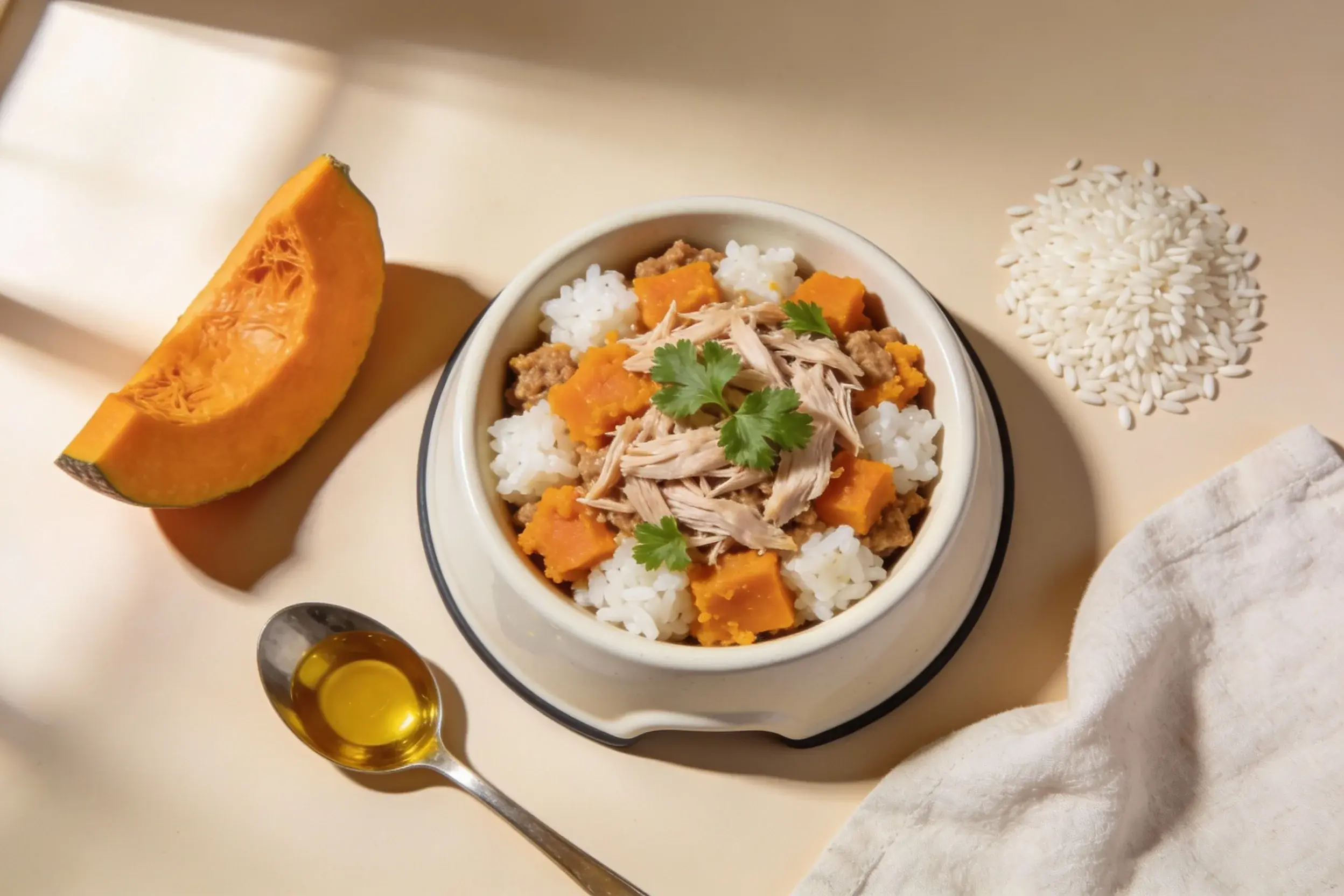
Allergy-Friendly Dog Food With Pumpkin And Rice For Upset Stomachs Done Right
Your dog’s belly is talking—and not in the cute way. Gurgles, grass munching, the “why did I eat that” face? We’ve all been there. When sensitive stomachs strike, a simple, allergy-friendly formula with pumpkin and rice often saves the day. Let’s dig into why this combo works, what to look for on labels, and how to feed it without playing kitchen roulette.
Why Pumpkin + Rice Helps Sensitive Tummies
Pumpkin and rice form a gentle, no-drama base for upset stomachs. Rice gives easy-to-digest carbs that won’t overwhelm the gut. Pumpkin brings fiber and a little moisture magic to firm up stools or ease mild constipation. It’s basically the BRAT diet for dogs—just better tasting.
Pumpkin’s secret weapon is soluble fiber. It slows digestion just enough, absorbs excess water in loose stools, and supports a calmer gut. Meanwhile, plain white rice sits light on the stomach and helps rebalance after a bout of diarrhea. Together, they’re like the doggy equivalent of toast and tea—and IMO, way more effective.
Defining “Allergy-Friendly”: What It Actually Means
“Allergy-friendly” can mean two different things:
- Limited-ingredient: Fewer potential triggers. Think one protein, one carb, minimal extras.
- Hypoallergenic: Uses unusual or hydrolyzed proteins to avoid known allergens.
For sensitive stomachs and possible allergies, look for:
- Single protein source (turkey, duck, salmon, lamb, or hydrolyzed chicken)
- Simple carb (rice) plus pumpkin for fiber
- No common triggers like beef, chicken by-products, dairy, wheat, soy, corn gluten
- No artificial colors, flavors, or carrageenan (FYI, that last one can be irritating for some dogs)
Allergy vs. Intolerance: Quick Reality Check
A true allergy involves the immune system and shows up as itchy skin, ear infections, or hot spots. An intolerance shows up as gas, diarrhea, or vomiting without the itch-fest. If your dog itches and has tummy issues, you might have both situations going on. Fun times.
How to Choose a Quality Pumpkin-and-Rice Formula
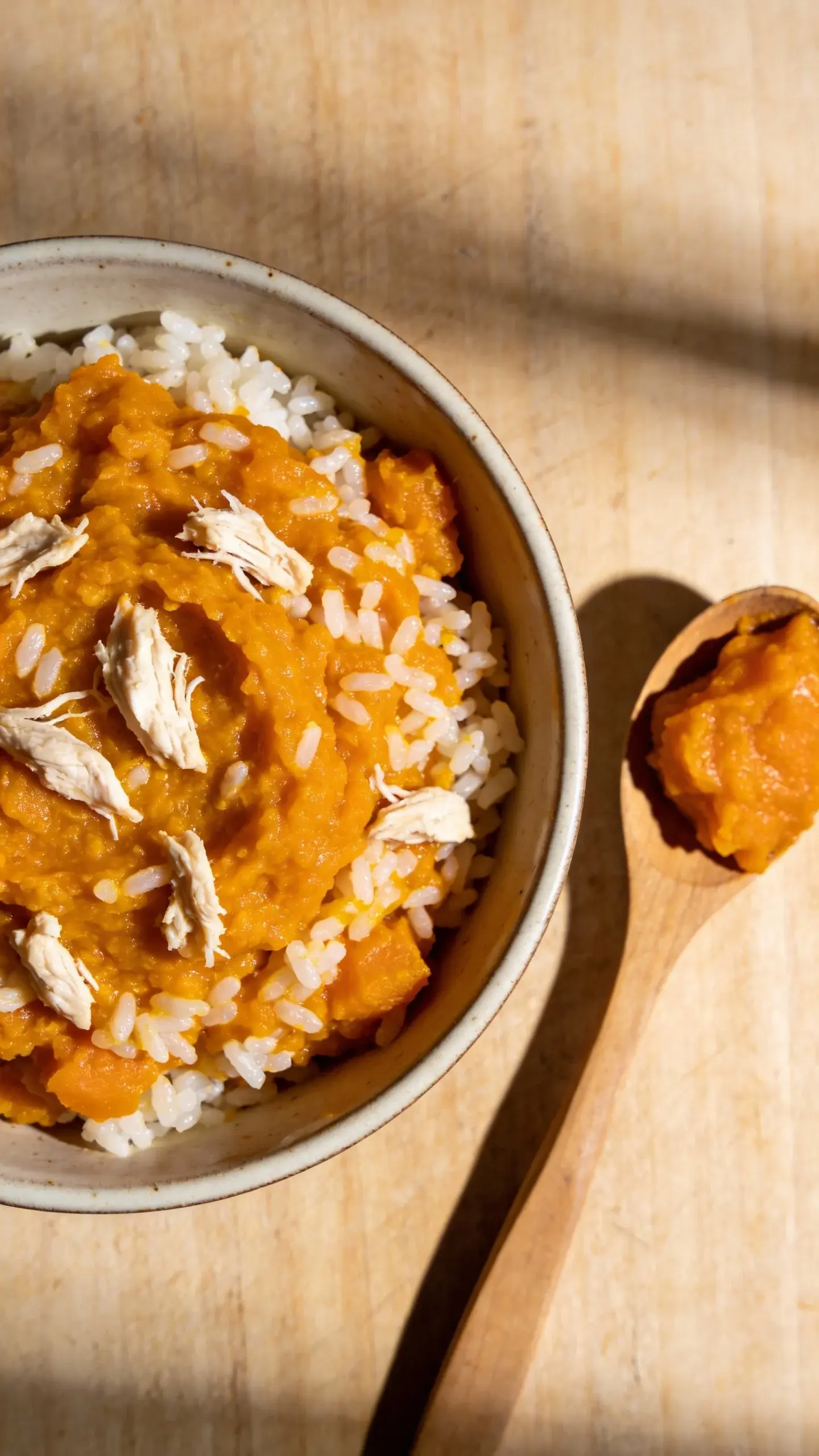
You’ll find plenty of “pumpkin and rice” branding, but ingredients and quality vary a lot. Read labels like a detective.
Prioritize these:
- Named protein first: “Turkey,” “Salmon,” or “Duck.” Avoid vague “meat meal.”
- Whole rice or “rice.” Brown rice can work, but white rice is gentler short-term.
- Real pumpkin listed in the top 5-8 ingredients.
- Added prebiotics/probiotics (chicory root/inulin, MOS, specific probiotic strains)
- AAFCO statement for complete and balanced nutrition
Steer clear of:
- Long ingredient lists with five kinds of “natural flavor” (why?)
- Multiple protein sources in one recipe (harder to pinpoint triggers)
- High-fat formulas if your dog has loose stools or pancreatitis risk
Wet vs. Dry: Which Is Better?
– Wet food: Softer, more hydrating, easier to digest for many sensitive dogs. Great for short-term tummy recovery.
– Dry food: Convenient, more cost-effective, good for long-term feeding if the recipe is right.
You can mix both. Start with more wet, then shift to your dog’s normal texture once the gut calms down.
DIY Gentle Meal: When You Need a Quick Reset
Sometimes you need a simple home-cooked meal for 1–3 days to settle things before resuming a complete formula. Here’s an easy approach you can use short-term.
Simple belly-soother:
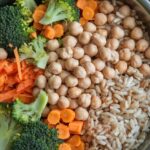
- Plain cooked white rice
- Plain pumpkin puree (100% pumpkin, not pie filling)
- Gentle protein: poached turkey, lean ground turkey, or canned salmon in water (no bones)
Basic ratio:
- About 50% rice
- 25% pumpkin
- 25% lean protein
Feed small, frequent meals. If stools improve after 24–48 hours, gradually transition back to a complete, balanced dog food. Don’t feed DIY long-term without balancing nutrients—dogs need vitamins, minerals, and essential fatty acids that rice and pumpkin can’t cover.
Portion Tips
– Start with 1/3 to 1/2 of your dog’s normal meal size per feeding.
– Offer 3–4 smaller meals instead of 1–2 big ones.
– Provide fresh water and consider an electrolyte supplement if advised by your vet.
Extra Gut Support: Gentle Add-Ons That Actually Help
You don’t need a supplement circus. A few well-chosen additions can help.
Smart options:
- Probiotics: Veterinary-grade strains can speed recovery after diarrhea.
- Prebiotics: Inulin or FOS feeds good gut bacteria.
- Psyllium husk: Tiny amounts can firm stools. Start with 1/4 tsp for small dogs, 1/2 tsp for medium, 3/4–1 tsp for large—mixed with water and food.
- Bone broth (no onion/garlic): Hydration plus flavor without heavy fat.
Avoid:
- High-fat treats (bye, cheese cubes)
- Random human meds without vet guidance
- Too many new things at once—keep it boring for a few days
Transitioning Without Drama
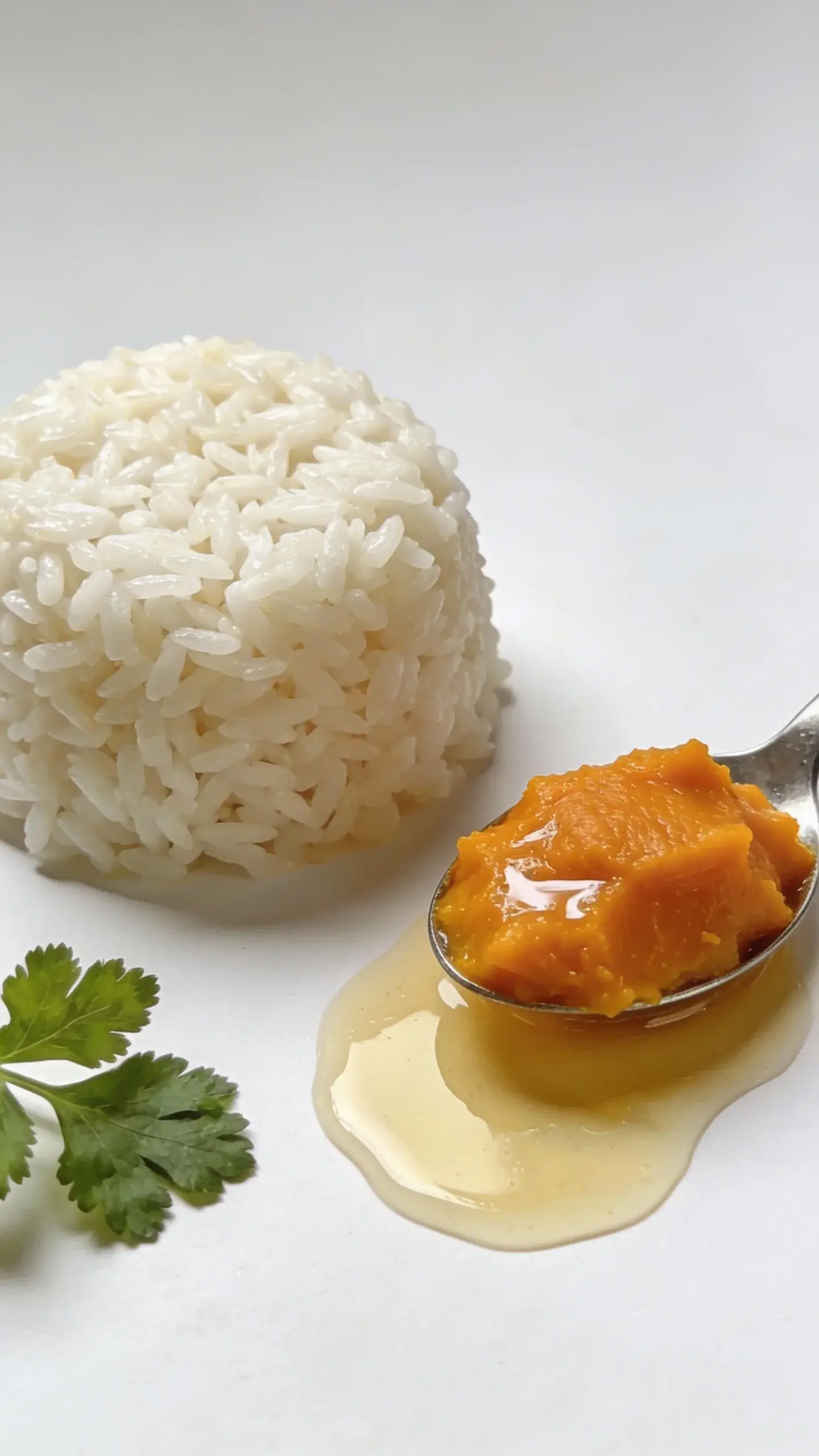
Switching foods can go sideways if you rush it. Even “gentle” food needs a proper intro.
7-day transition plan:
- Days 1–2: 25% new food, 75% old food
- Days 3–4: 50% new, 50% old
- Days 5–6: 75% new, 25% old
- Day 7: 100% new food
If your dog has watery stools, slow down the plan and add a little extra pumpkin. If vomiting or severe diarrhea repeats, call your vet. IMO, faster isn’t better—steady wins the belly race.
When To Call the Vet (AKA, Don’t Wait It Out Too Long)
Pumpkin and rice handle routine tummy wobbles, but some red flags need professional attention.
See your vet if you notice:
- Diarrhea or vomiting lasting more than 24–48 hours
- Blood in stool, black tar-like stool, or coffee-ground vomit
- Lethargy, fever, belly pain, or bloating
- Chronic recurrence despite diet changes
- Puppies, seniors, or dogs with conditions like pancreatitis—play it safer
FAQ
Can I feed pumpkin and rice every day?
As a short-term fix, yes. For daily feeding, choose a complete and balanced formula that includes pumpkin and rice and meets AAFCO standards. Plain pumpkin and rice alone lack key nutrients long-term, so keep DIY to temporary use unless a vet nutritionist designs the plan.
How much pumpkin should I add?
Start with about 1 teaspoon per 10 pounds of body weight per meal, up to 1–2 tablespoons for medium dogs and 2–4 tablespoons for large breeds. Too much fiber can backfire and cause gas or loose stools, so keep it modest.
Is brown rice better than white rice?
Not for upset stomachs. White rice digests easier and sits lighter. Brown rice has more fiber and can be fine once your dog’s gut is stable, but for acute tummy troubles, white rice wins.
What if my dog is allergic to chicken?
Pick a single-protein recipe without chicken or chicken fat. Turkey, duck, salmon, or lamb-based formulas with pumpkin and rice work well. Check labels carefully—chicken sneaks into “natural flavor” sometimes.
Can I use sweet potato instead of pumpkin?
Yes, for many dogs. Sweet potato offers similar gentle carbs and fiber. Pumpkin tends to be a bit more stool-firming, but both can help. If one doesn’t sit right, try the other.
Do probiotics really make a difference?
Often, yes. The right strains can reduce diarrhea duration and support gut recovery. Look for products with guaranteed CFUs and strain names on the label. Use daily during transitions or tummy upsets.
Bottom Line: Keep It Simple, Keep It Gentle
When your dog’s stomach turns dramatic, you don’t need a gourmet overhaul. A clean, allergy-friendly formula with pumpkin, rice, and a single protein often settles things fast. Transition slowly, keep add-ons minimal, and watch for red flags. With a little patience—and a lot of pumpkin—you’ll get that tail wag back in no time, FYI.

I’ve spent 10+ years in dog training, digging into what makes dogs (and their humans) tick. At Smart Dog Learning, I share my no-nonsense, fun approach to training so you can enjoy life with a well-behaved, happy pup—no boring lectures, just practical results 😉