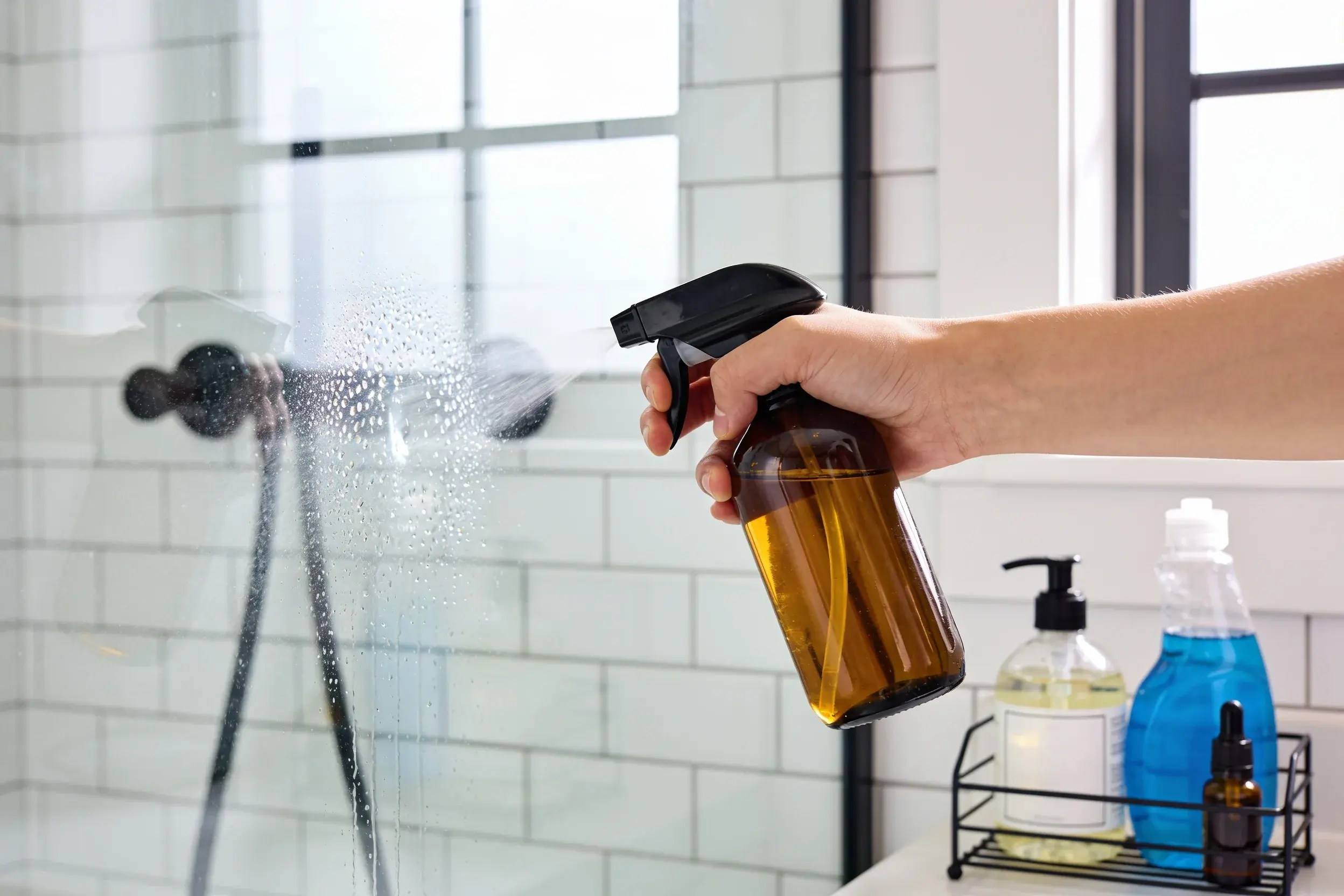
DIY Shower Cleaner That Makes Cleaning Effortless
Sick of scrubbing soap scum like it’s your part-time job? Same. Let’s make your shower sparkle with a quick DIY cleaner that works fast, smells fresh, and costs pennies. You’ll mix it once, spray after showers, and basically retire your elbow grease. Ready to spend less time cleaning and more time, you know, living?
Why This DIY Mix Beats Store-Bought Sprays
Store cleaners often smell like a chemical cloud followed you home. This DIY version uses simple ingredients that tackle grime without the eye-watering fumes. It cuts through soap scum, hard water spots, and mystery gunk like a champ.
Bonus: It’s cheap, customizable, and safe for daily use on most shower surfaces.
The Magic Formula
Here’s the go-to recipe that works on tile, glass, and fiberglass. It’s effective, quick to make, and easy to tweak.
Basic Daily Spray (No-Rinse):
- 1 cup distilled white vinegar
- 1 cup water (distilled if you have hard water)
- 1 tablespoon dish soap (a grease-cutting kind)
- 10–15 drops essential oil (tea tree, lemon, or eucalyptus) — optional
Deep-Clean Gel (For Stubborn Scum):
- 1 cup distilled white vinegar (warmed slightly)
- 1 cup blue dish soap
- 2 tablespoons baking soda (add slowly)
Why These Ingredients Work
- Vinegar: Dissolves mineral deposits and soap scum.
- Dish Soap: Breaks oils, body wash residue, and grime.
- Baking Soda: Adds gentle abrasion and deodorizes.
- Essential Oils: Mild antimicrobial boost and better scent.
Mixing It Right (No Science Degree Needed)
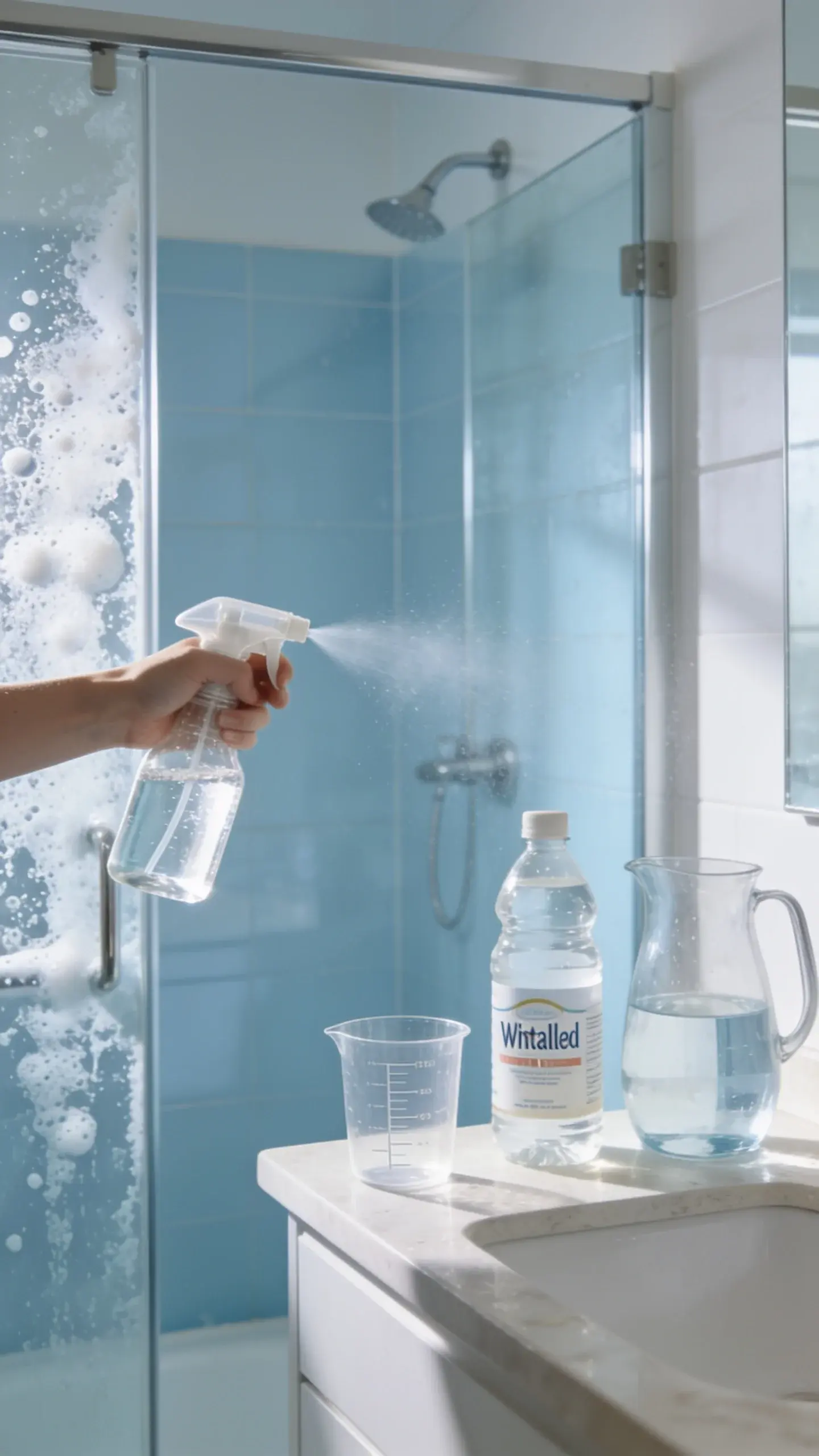
For the Daily Spray:
- Pour vinegar and water into a clean spray bottle.
- Add dish soap last to avoid infinite bubbles.
- Drop in essential oils, swirl gently, and label the bottle.
For the Deep-Clean Gel:
- Warm the vinegar until it’s hot but not boiling.
- Slowly stir in the dish soap.
- Sprinkle in baking soda gradually. It will fizz. You’re a chemist now.
- Transfer to a squeeze bottle for easier application.
Pro Tips So You Don’t Hate Me Later
- Test First: Spot-test on stone or special finishes.
- Avoid Natural Stone: No vinegar on marble, travertine, or limestone.
- Rinse Metals: Rinse faucets and drain covers after using vinegar mixes to protect finishes.
How To Use It (The Zero-Nonsense Routine)
For Daily Maintenance:
- After your shower, spritz walls, glass, and fixtures.
- Let it sit. No need to rinse. Done in 20 seconds.
For Weekly Deep Cleans:
- Spray or squeeze the deep-clean mix on glass, tile, and grout lines.
- Let it sit 10–20 minutes. Listen to a podcast. Hydrate. Live your best life.
- Scrub lightly with a non-scratch pad or brush.
- Rinse with warm water for a streak-free finish.
Dealing With Glass Doors
- Hard Water Spots? Use the deep-clean gel and a squeegee after rinsing.
- Streak-Free Trick: Final wipe with a microfiber cloth. IMO, it beats paper towels every time.
Make It Surface-Smart
Every shower isn’t the same. Treat yours right and it’ll shine back at you.
- Tile & Grout: Both mixes work. For stained grout, use the deep-clean gel and a grout brush. Rinse well.
- Fiberglass & Acrylic: Use the daily spray and a soft sponge. Skip abrasive powders.
- Glass: Either mix works. Squeegee after showers to prevent spots. FYI, it’s the fastest habit with the biggest payoff.
- Natural Stone: Use stone-safe cleaner only (no vinegar). Mix a mild dish soap solution: 2 cups water + 1 teaspoon dish soap.
Upgrades That Make It Even Easier
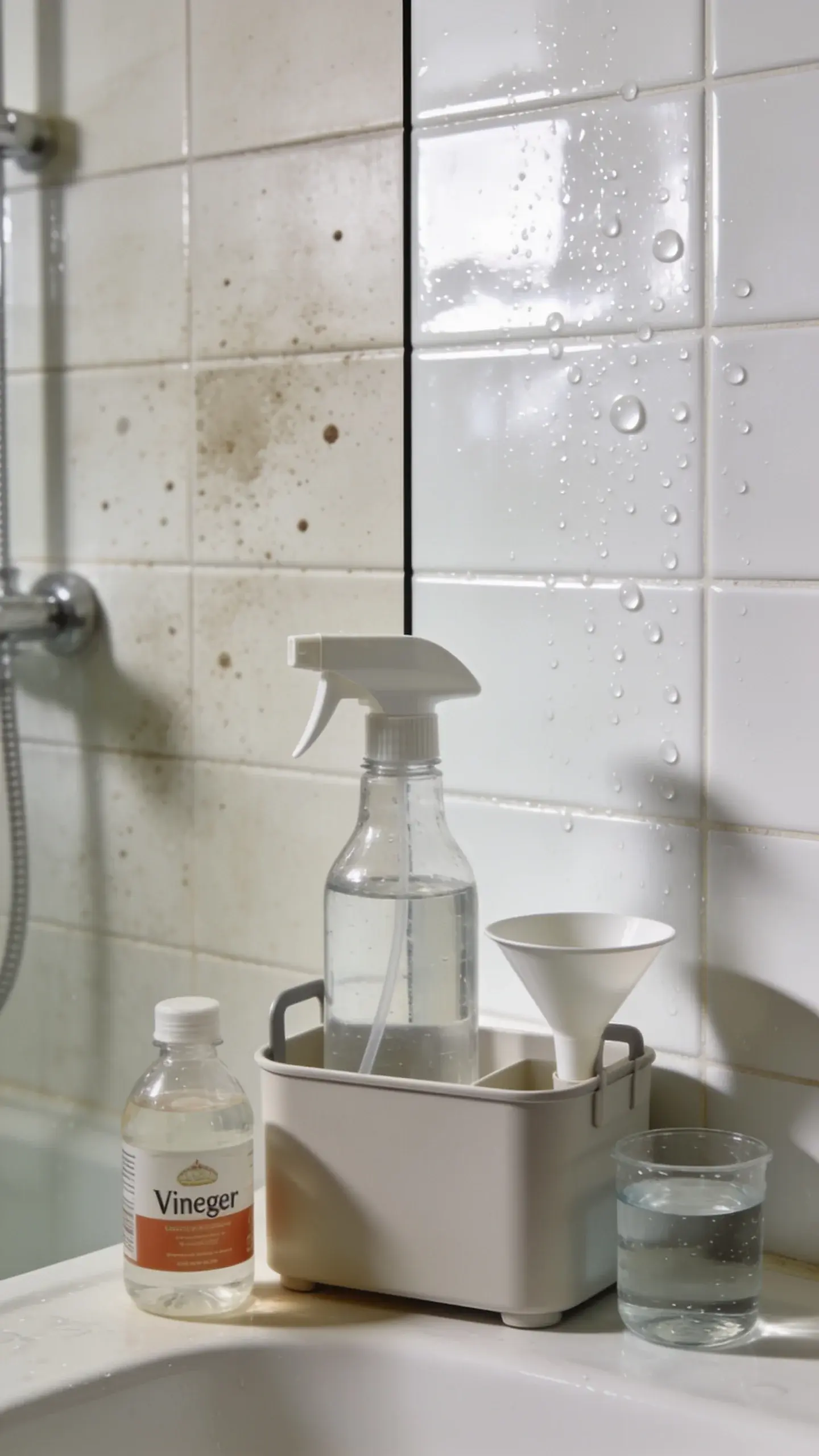
You want effortless? Stack a few lazy-genius moves.
- Use Warm Surfaces: Spray right after a hot shower. Heat opens pores in grime, so cleaners work faster.
- Dedicated Tools: Keep a shower squeegee and scrub brush in the stall. Zero excuses.
- Refill Station: Pre-mix double batches and store under the sink. Label with date like a pro.
- Set a 2-Minute Timer: Quick weekly scrub beats monthly misery. Math checks out.
- Ventilate: Run the fan to reduce mildew. Moisture is the real villain here.
Add-On: Mold and Mildew Nuke
Got pink or black spots? Try this once weekly until it’s gone:
- Mix 1 cup water + 1 cup hydrogen peroxide (3%).
- Spray on affected areas, wait 10 minutes, lightly scrub, and rinse.
Note: Don’t mix peroxide with vinegar in the same bottle. Use separately.
Common Mistakes To Dodge
- Too Much Soap: More suds = more streaks. Stick to the recipe.
- Skipping Rinse On Deep Cleans: The gel needs rinsing or it’ll leave a film.
- Using Abrasive Pads On Glass: Micro-scratches make future cleaning harder.
- Leaving Mix In Sunlight: Store in a dark bottle or cabinet to keep it potent.
FAQ
Can I substitute vinegar if I hate the smell?
Yes. Use cleaning-strength lemon juice or a 50/50 mix of water and rubbing alcohol with dish soap. It won’t fight mineral deposits quite as powerfully as vinegar, but it still cleans well and smells brighter.
Is this safe for kids and pets?
The ingredients are household-safe when used as directed, but still store bottles out of reach. Avoid spraying while pets or kids are inside the bathroom, and ventilate. Common sense, but worth saying.
Will this damage my shower sealant or caulk?
Regular use of the daily spray won’t hurt silicone caulk. For old or peeling caulk, scrub gently and rinse well. If you see persistent black staining under caulk, you probably need to re-caulk, not just clean.
How long does the cleaner last?
The daily spray stays effective for about 1–2 months. If it starts to smell off or separates weirdly, remix. Essential oils can fade, but the cleaner still works.
Does it remove rust or orange stains?
Light orange stains from hard water might lift with vinegar-based mixes. Real rust needs a rust remover designed for bathrooms. Use carefully and always spot-test.
What if I have super hard water?
Use distilled water in your mix, squeegee after every shower, and deep-clean weekly. You can also bump vinegar to a 2:1 vinegar-to-water ratio for tough buildup.
The Bottom Line
You don’t need a cart full of pricey cleaners to win the shower battle. Mix a simple spray, use it daily, and back it up with a quick weekly deep clean. Your shower stays bright, your arms stop aching, and your bathroom smells fresh. IMO, that’s the kind of low-effort win we all deserve.

I’ve spent 10+ years in dog training, digging into what makes dogs (and their humans) tick. At Smart Dog Learning, I share my no-nonsense, fun approach to training so you can enjoy life with a well-behaved, happy pup—no boring lectures, just practical results 😉