DIY Glass Cleaner For Streak-Free Windows And Mirrors
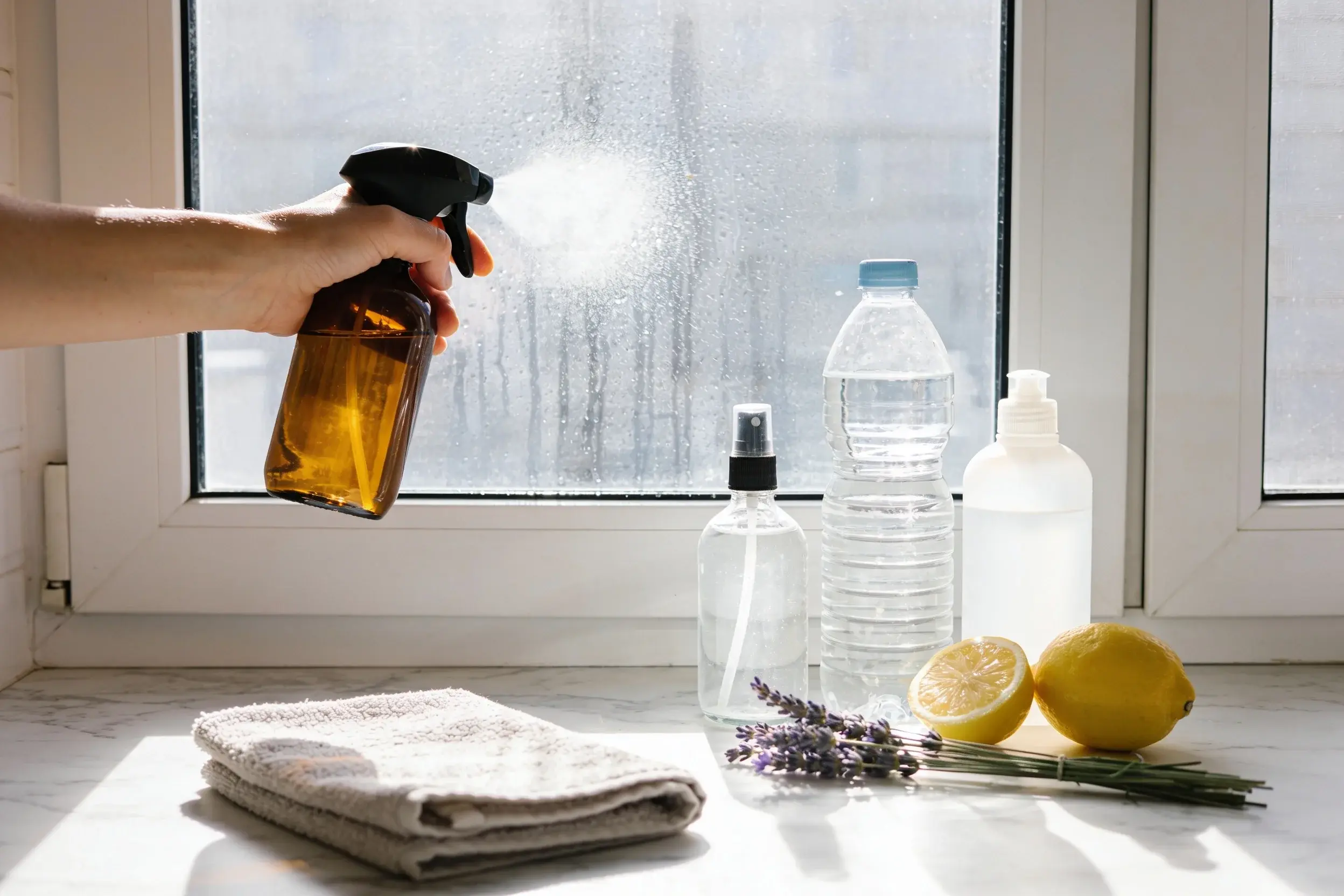
Let’s skip the small talk: you want sparkling glass without streaks, smears, or mystery haze. You don’t want to spend a fortune on bottles that smell like a lab experiment. And you’d like to mix it in minutes with stuff you already own. Cool—same. Here’s the no-fuss, highly effective DIY glass cleaner routine that actually delivers.
Why DIY Beats Store-Bought (Most Days)
You’ll pay less, control the scent, and avoid residue that causes streaks. Many commercial cleaners sneak in soaps and dyes that look glossy at first, then dry weird. DIY keeps it simple and clean. Also, you can tweak the formula based on weather, grime level, and glass type—like a boss.
Your Core Recipe: The Everyday Streak-Buster
This is the go-to mix that works on 90% of windows and mirrors.
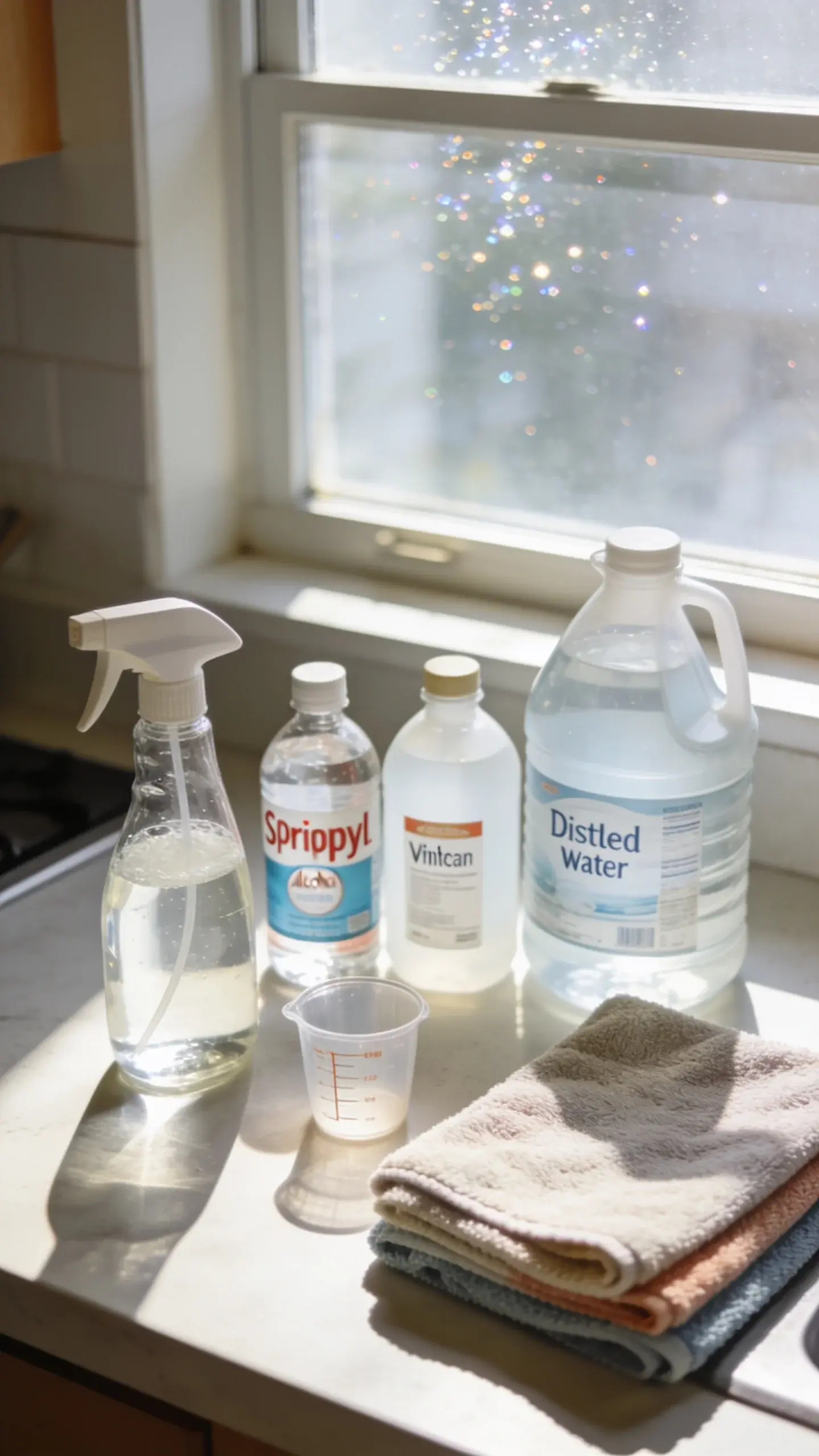
- 1 cup distilled water
- 1 cup 70% isopropyl alcohol (or vodka if you’re feeling fancy—no judgment)
- 2 tablespoons white distilled vinegar
- Optional: 2-3 drops clear, non-oily essential oil (lemon or lavender)
Directions:
- Add liquids to a clean spray bottle. Swirl gently—don’t shake like a margarita.
- Label the bottle. Future you will appreciate it.
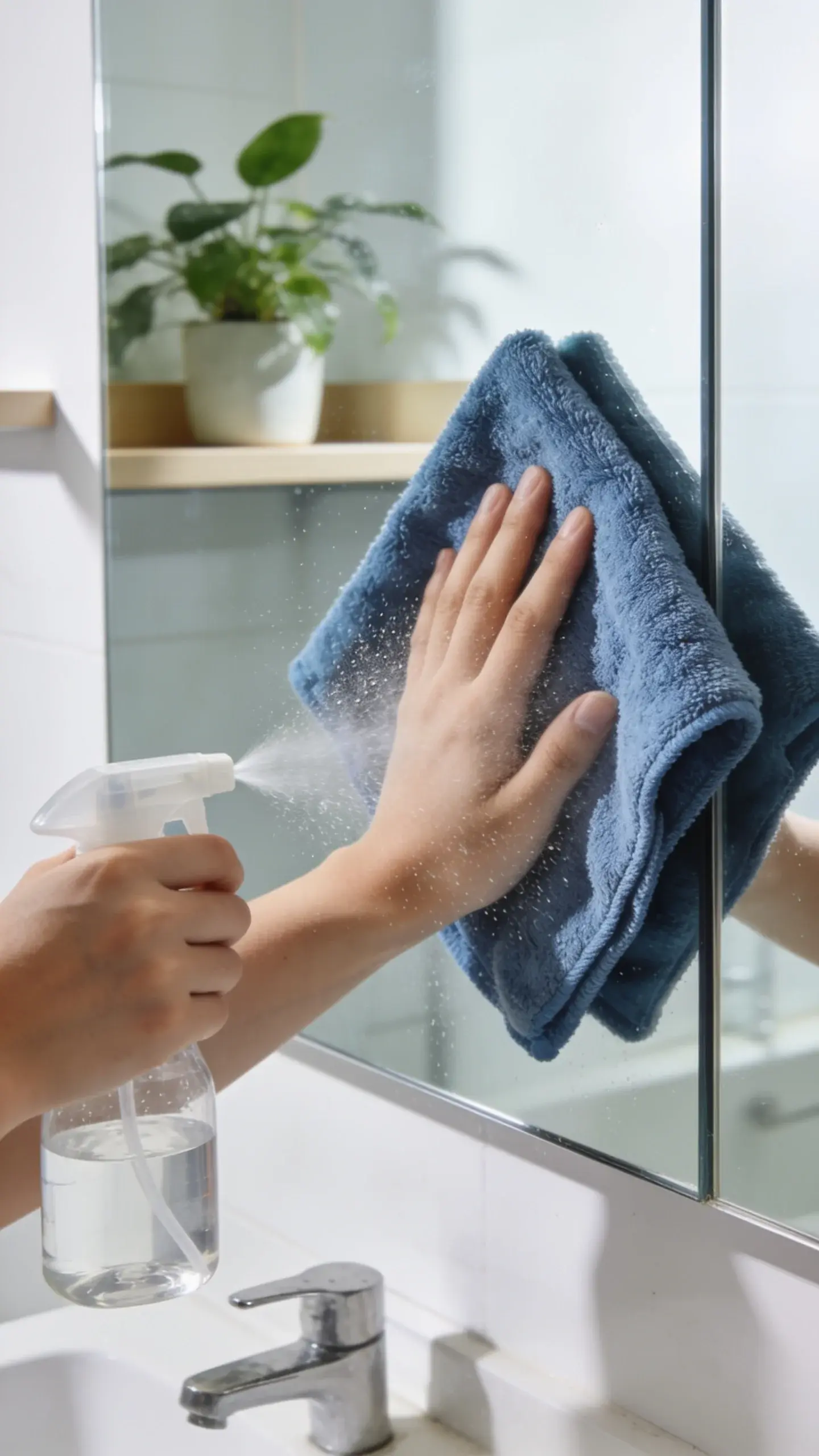
- Spray lightly, wipe with a clean microfiber cloth, then buff dry with a second cloth.
Why This Works
- Alcohol speeds up evaporation and cuts oily fingerprints.
- Vinegar breaks down mineral deposits and soap scum.
- Distilled water prevents mineral spots that tap water can leave behind.
When To Switch It Up: Weather And Grime Tweaks
Sunny day? Clean in the shade or early evening. Heat flashes liquids dry and bakes streaks onto glass.
Heavy fingerprints or hairspray? Add 1 drop of clear dish soap to the mix. One drop. Not a squeeze.
Cold weather cleaning? Bump alcohol to 1.5 cups and reduce water to 0.5 cup to speed dry time.
Hard Water Problems
If your water leaves chalky haze, always use distilled water. For stubborn spots on windows, pre-spray with straight vinegar, let it sit for 2 minutes, then clean with the regular mix.
Tools That Make You Look Like A Pro
You can have a magical formula and still lose the streak war with the wrong cloth. Here’s the gear that matters:
- Microfiber cloths: Get a plush one for cleaning and a tight-weave one for buffing. Wash without fabric softener. Ever.
- Spray bottle: Fine mist beats heavy droplets. It prevents over-wetting, which causes streaks.
- Squeegee (optional): Fantastic for big windows. Use quick, overlapping strokes and wipe the blade with a towel between passes.
- Detail tool: Cotton swabs or a clean, soft paintbrush for corners and window tracks.
The Two-Cloth Method (Streak Insurance)
- Lightly mist the glass. If you see runnels, you sprayed too much.
- Wipe in a Z-pattern with cloth #1 to lift grime.
- Immediately buff with cloth #2, using quick circular motions.
IMO, this two-step saves more frustration than any “miracle formula.”
Glass Cleaner Variations For Specific Jobs
Fragrance-Free Sensitive-Surface Mix
- 1.5 cups distilled water
- 0.5 cup 70% isopropyl alcohol
- 1 tablespoon white vinegar
Gentler, great for frequent mirror touch-ups.
Grease-Fighter For Kitchen Glass
- 1 cup distilled water
- 1 cup 70% isopropyl alcohol
- 2 tablespoons vinegar
- 1 tiny drop clear dish soap
Use sparingly, then buff enthusiastically.
Outdoor Window Rinse Add-On
After a hose rinse, squeegee off water, then finish with the core recipe and a microfiber buff. FYI, avoid cleaning full-sun glass to prevent flash-drying streaks.
What Not To Use
- No ammonia around tinted film or specialty coatings.
- No oily essential oils (citrus with colorants can smear).
- No paper towels—they shed lint and scratch eventually.
Technique Tricks That Actually Matter
Start at the top: Gravity exists. Don’t fight it.
Use just enough spray: Too much liquid = swirl marks.
Switch cloth sides often: A damp, dirty cloth redistributes gunk.
Check from two angles: Turn slightly and look for halos. If you see one, buff again with a dry cloth.
Mirror-Specific Gotchas
Keep liquid off the mirror’s edges and backing. Spray your cloth, not the mirror, especially on framed mirrors. Moisture creeping behind the glass causes those dreaded black edge spots.
Dealing With Persistent Streaks And Haze
If streaks keep haunting you, diagnose the culprit:
- Cloudy film? Likely leftover soap or fabric softener on your cloths. Rewash them hot, no softener, extra rinse.
- Rainbow sheen? Too much product. Use less and buff more.
- Foggy corners? Residue in tracks or gasket edges. Detail with a swab and a spritz of cleaner.
- White specks? Mineral deposits. Pre-treat with straight vinegar, then finish with the core mix.
Make It, Store It, Use It
Storage: Keep the bottle tightly closed and out of direct sun. Alcohol evaporates faster than your patience.
Shelf life: About 6 months if capped and clean. If it smells off or looks cloudy, remix.
Label like a pro: Write the recipe on masking tape on the bottle. Future DIY wins start here.
FAQ
Can I skip alcohol and just use vinegar and water?
You can, but it dries slower and streaks more easily. Alcohol boosts evaporation and cuts oils, so the finish looks crisper. If you skip it, work in smaller sections and buff longer.
Is vinegar safe for all glass?
Yes, for plain glass. Avoid vinegar on stone surfaces near the glass (like marble window sills) because acid can etch stone. Spray the cloth, not the surface, when you’re near delicate materials.
What if I only have 91% alcohol?
Dilute it. Use 3/4 cup 91% alcohol plus 1/4 cup water to approximate 70%, then follow the core recipe. Higher alcohol works, but it can flash-dry too fast and leave wipe marks.
Can I use this on my car windows?
Yes, on the exterior and interior glass. Avoid ammonia if your car has aftermarket tint. Also, don’t overspray onto dash screens—spray your cloth instead, then wipe.
Why do my cloths leave lint?
They either aged out or met fabric softener. Wash microfiber separately, warm water, mild detergent, no softener, and low heat or air-dry. Replace cloths that feel waxy or shed.
Does hot water help?
Warm—not hot—water can help dissolve greasy residue when you first wipe. But for the actual cleaner mix, room-temp distilled water keeps things stable and streak-free.
Wrap-Up: Your Streak-Free Victory Lap
You don’t need a chemistry degree or a cart full of neon-blue liquid. Mix the core recipe, use microfiber wisely, and clean in the shade. Tweak for weather, buff like you mean it, and boom—streak-free windows and mirrors that make your space feel brighter. IMO, this is one of those tiny home upgrades that pays off every single day. Now go flex that squeegee.

I’ve spent 10+ years in dog training, digging into what makes dogs (and their humans) tick. At Smart Dog Learning, I share my no-nonsense, fun approach to training so you can enjoy life with a well-behaved, happy pup—no boring lectures, just practical results 😉