5 Decluttering Ideas That Instantly Free Up Space
You don’t need to move or buy fancy bins to feel like you doubled your square footage. A few smart tweaks can clear surfaces, open floor space, and make your home breathe again. Let’s skip the guilt and get straight to quick wins you can do today. Ready to find your countertops under there?
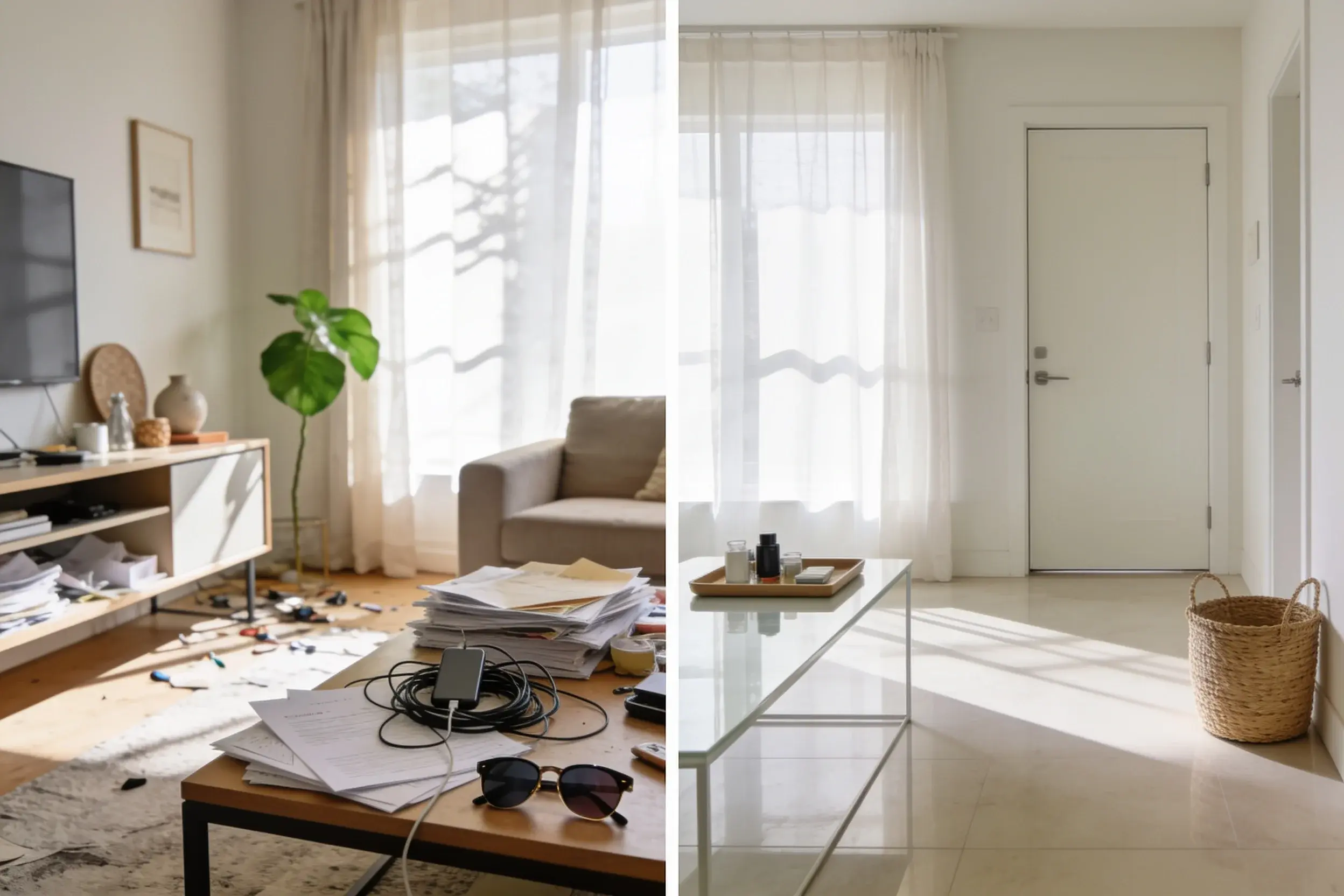
Do A Ruthless 10-Minute Surface Sweep
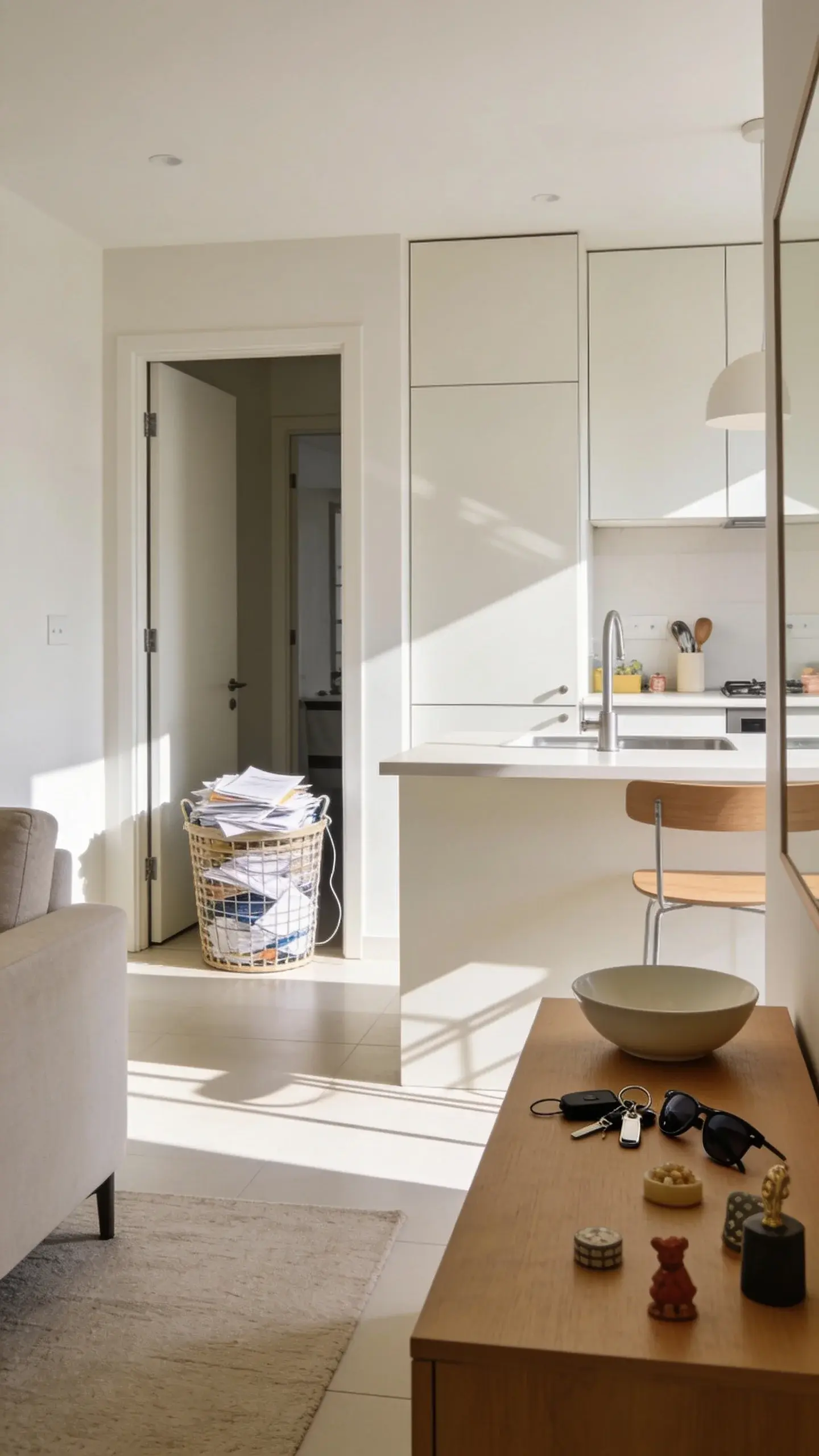
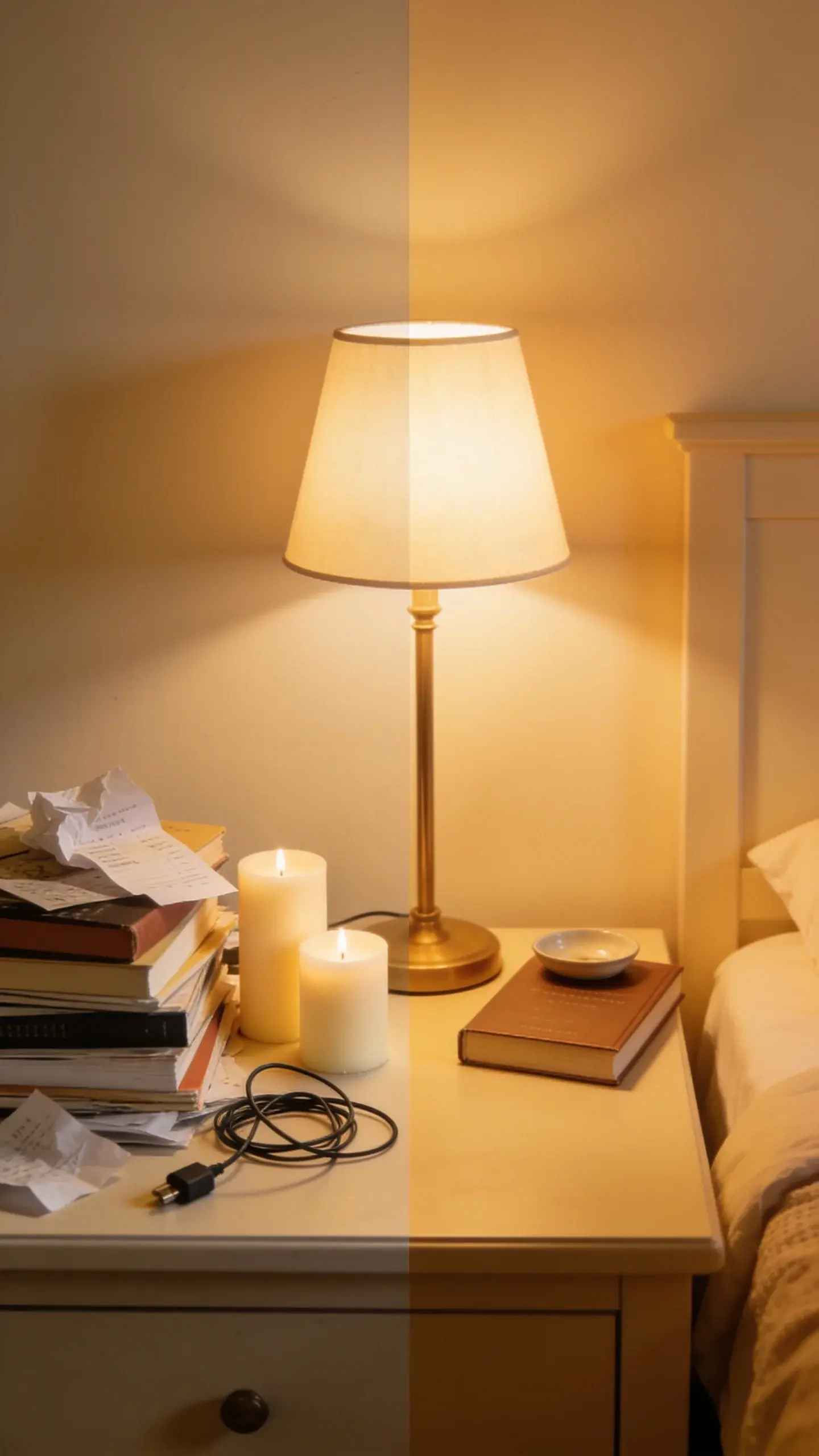
Clear every flat surface in one fast sprint: countertops, nightstands, coffee tables, the entry console. Set a timer and swipe anything that doesn’t belong into a laundry basket. You’ll create instant calm without overthinking every item.
What Goes In The Basket?
- Transient stuff: mail, receipts, sunglasses, rogue chargers
- Homeless items: things you use but never assigned a spot
- Decor overload: duplicate candles, extra frames, dusty knickknacks
After you sweep, sort the basket into three piles: return (put back where it belongs), rehome (choose a logical, reachable spot), and release (donate or toss). FYI: the basket makes it fast; the piles make it stick.
Apply The “One Home Per Category” Rule
Clutter explodes when you keep the same type of thing in five places. Pick one home per category and watch duplicates vanish. Example: all batteries in the hallway drawer, not sprinkled in every room like confetti.
High-Impact Categories To Consolidate
- Tech: chargers, power banks, spare earbuds
- Paper: mail, forms, receipts (one in-tray, one archive folder)
- Tools: tape, scissors, screwdrivers (a mini-fix kit beats 12 random stashes)
- Self-care: skincare and meds in one caddy, not six bathroom corners
When each category owns a single address, you stop rebuying what you already have. IMO, this rule alone frees a shocking amount of space.
Upgrade To “Invisible Storage” You Already Own
You don’t need a trip to The Container Store. You just need to use the gaps you ignore. Think vertical, under, behind, inside.
Where To Look
- Doors and walls: add behind-the-door hooks, over-the-door racks, or a slim peg rail
- Under furniture: store seasonal shoes, wrapping paper, or spare linens under the bed/sofa
- Cabinet doors: mount slim baskets for spices, foil, or cleaning wipes
- Inside deep shelves: shelf risers and turntables prevent dead zones
Small tweak, big payoff: move anything you use weekly to reachable “waist to eye level” spots, and push rarely used items higher or lower. You’ll free prime real estate without losing a thing.
Use The Rule Of Three For Decor
If your shelves look busy, try this: three items per surface, grouped by height, with some breathing room. That means you probably remove half of what’s there. Your space will instantly look stylish and, bonus, way easier to dust.
Try This Mini-Formula
- Anchor: a plant, lamp, or stack of books
- Medium: a framed photo or vase
- Small: a candle or sculptural object
Rotate decor seasonally and store the rest in a single labeled bin. Less visual noise = calmer brain. And yes, your souvenir shot glass collection can take turns.
Install A One-In, One-Out Habit (Starting Today)
Want space that stays free? Pair every new item with one item you release. It’s savage, but it works. Bought a hoodie? Another hoodie leaves. New pan? Retire the warping one.
Make It Frictionless
- Keep a donation bag in your closet or entry at all times
- Set a monthly reminder to drop donations
- Use a “maybe box” for items you’re unsure about—date it, and let it go in 60 days if untouched
This habit stops clutter at the door. It feels strict for a week, then it feels like freedom.
Conquer Paper With A Three-Stage Flow
Paper creeps in daily, so give it lanes. Create three trays or folders: In, Action, and Archive. Everything lands in In, moves to Action if you must do something, then to Archive if you must keep it.
What Actually Lives In Each
- In: fresh mail, kids’ forms, receipts you haven’t checked yet
- Action: bills to pay, calls to make, returns to process (clear this weekly)
- Archive: tax docs, warranties, medical stuff you really need
Digitize aggressively. Snap and store in a cloud folder by year and category. Shred the rest. No more paper avalanches every time you open a drawer.
Create A Drop Zone That Actually Works
Clutter often starts five steps inside the door. Fix that, and the mess never migrates. Carve out a tiny, functional landing pad where your life naturally dumps: keys, bags, shoes, mail.
Essentials For A Micro-Mudroom
- Hooks at two heights: adults and kids
- Tray or bowl: keys, wallet, sunglasses (only those)
- Slim shoe rack: fits today’s rotation, not the whole collection
- Mail slot: funnels paper straight to your “In” tray
If you always set things on the kitchen counter, move the drop zone there. Follow your habits, not Pinterest.
FAQ
How do I start when I feel overwhelmed?
Start with a 10-minute surface sweep in one room. Set a timer, play a song, and move quickly. Quick wins build momentum, and momentum beats motivation every time.
What should I do with sentimental items?
Keep a small, defined container for true keepsakes and photograph the rest. Display one or two favorites and rotate them. If everything is special, nothing feels special—choose the best and honor it.
How often should I declutter?
Do micro-resets daily (five minutes), a category check weekly, and a deeper purge seasonally. Tie it to life events—new job, school year, holidays—so it sticks. Consistency matters more than epic weekend marathons.
How do I handle family members who resist?
Declutter your own zones first and let the results speak. Create easy homes for shared items and label them. Offer choices, not ultimatums, and set a house rule like “common areas stay reset nightly.”
Is it okay to store things out of sight, even if I might forget them?
Yes—just label clearly and create a simple map: one shelf per category, one bin per subcategory. Use see-through bins for rarely used items and solid bins for ugly-but-essential stuff. A quick inventory note on your phone helps you remember what lives where.
Conclusion
You don’t need perfect systems; you need fewer, better ones. Sweep the surfaces, pick one home per category, and give your doorway a legit landing pad. Add invisible storage, trim decor with the Rule of Three, and guard the door with one-in, one-out. Do these, and your space will feel bigger, lighter, and way more you—no magic wand required.

I’ve spent 10+ years in dog training, digging into what makes dogs (and their humans) tick. At Smart Dog Learning, I share my no-nonsense, fun approach to training so you can enjoy life with a well-behaved, happy pup—no boring lectures, just practical results 😉