
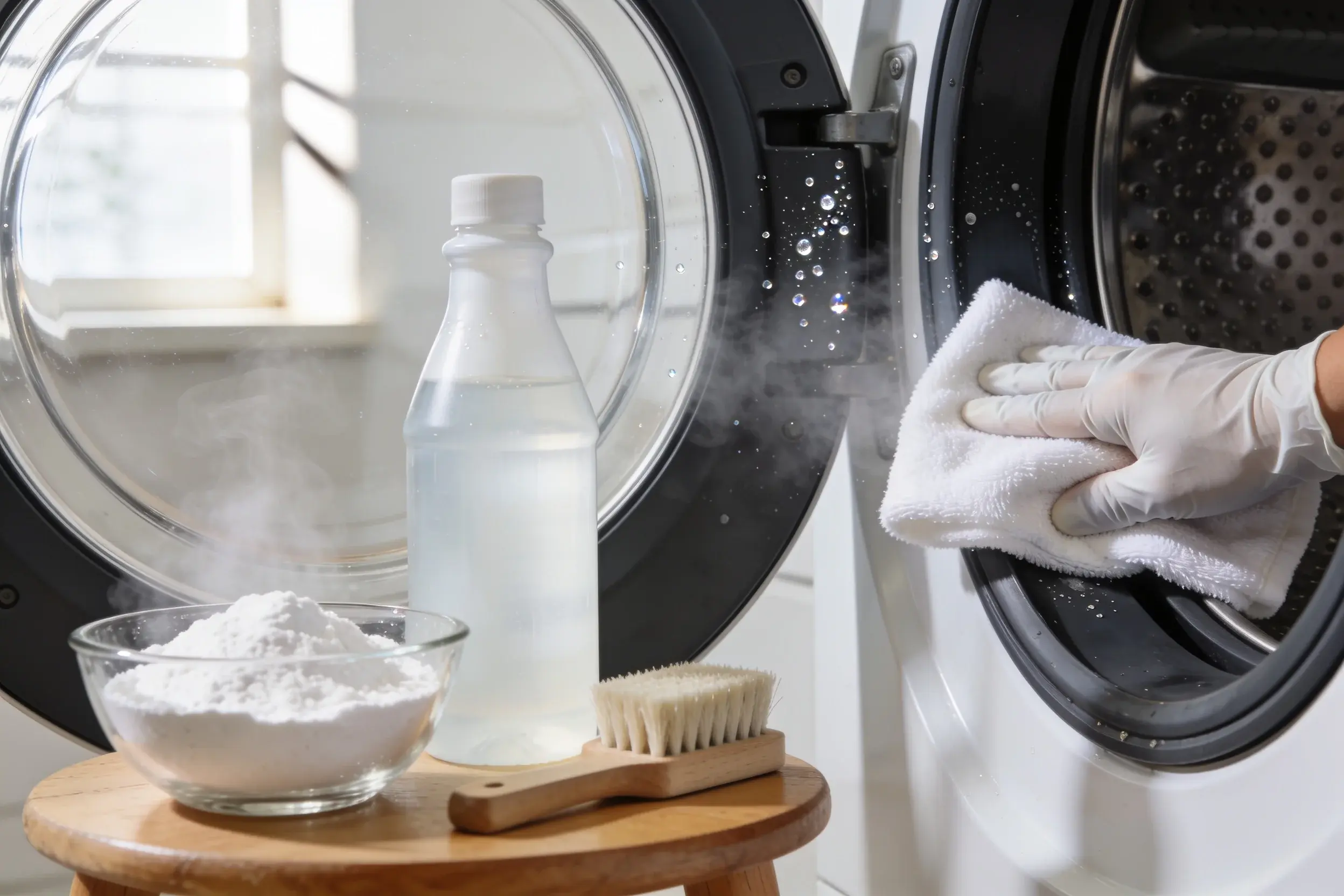
How To Clean A Washing Machine That Smells Musty
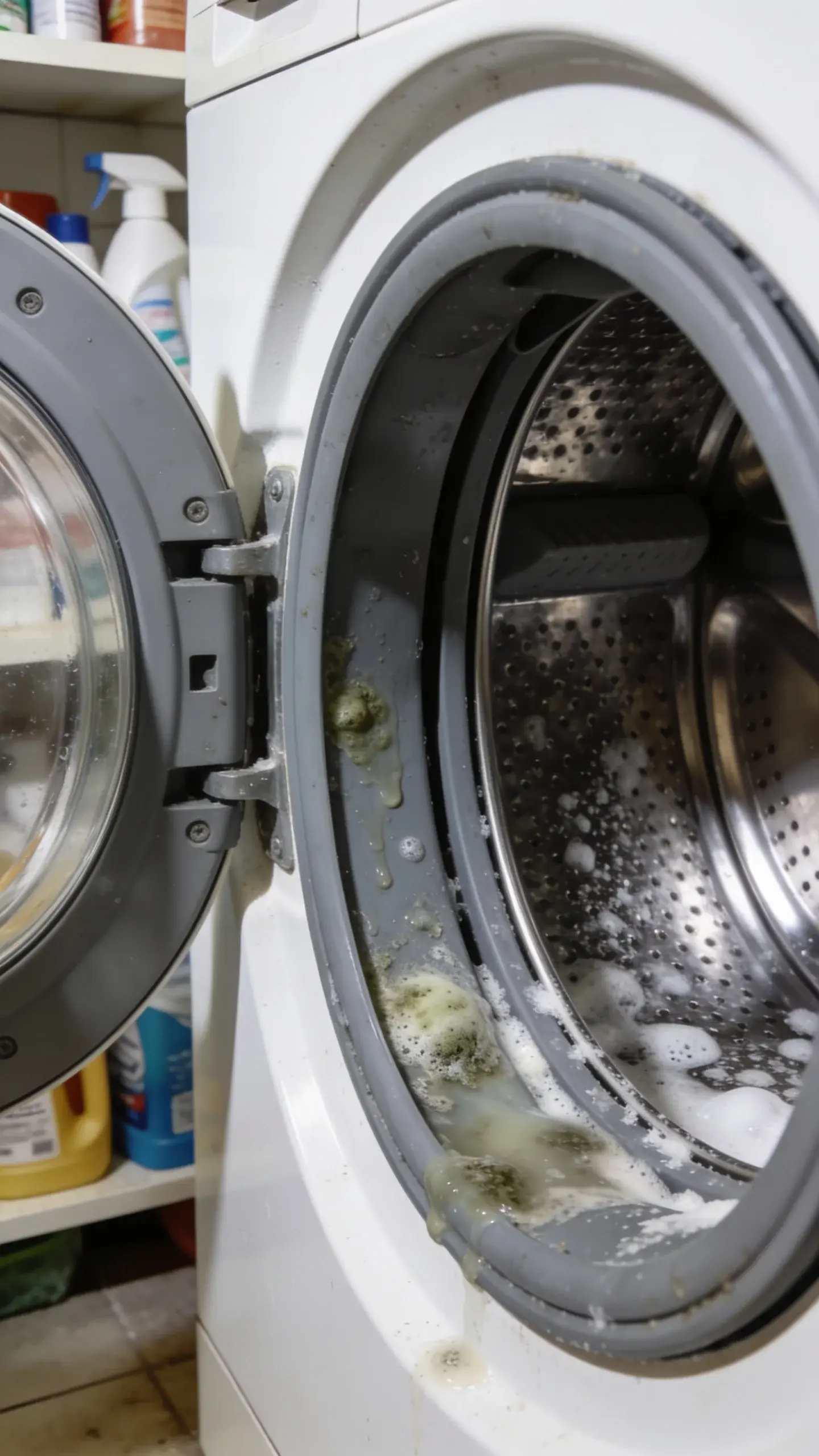
If your washer smells like a wet dog’s gym bag, you’re not imagining things. That musty funk comes from mildew, soap scum, and gunk hiding in places you don’t normally see. The good news? You can fix it this afternoon with stuff you probably already have. Let’s evict the stink and get your laundry smelling like, well, laundry again.
First, Why Your Washer Smells Funky
Your washing machine lives in a humid world. Warm water, detergent residue, fabric softener, and lint team up to create a biofilm where mildew throws a party. Front-loaders catch a lot of blame because of their rubber door gaskets, but top-loaders can get swampy too.
Key culprits:
- Detergent overload: Too much soap = sticky residue that traps odors.
- Cold washes only: Mildew loves cool, damp environments.
- Door stays shut: No airflow means stale, damp air forever.
- Fabric softener buildup: That slick coating clings to everything.
The Quick Deep-Clean: 60–90 Minutes, No Shame
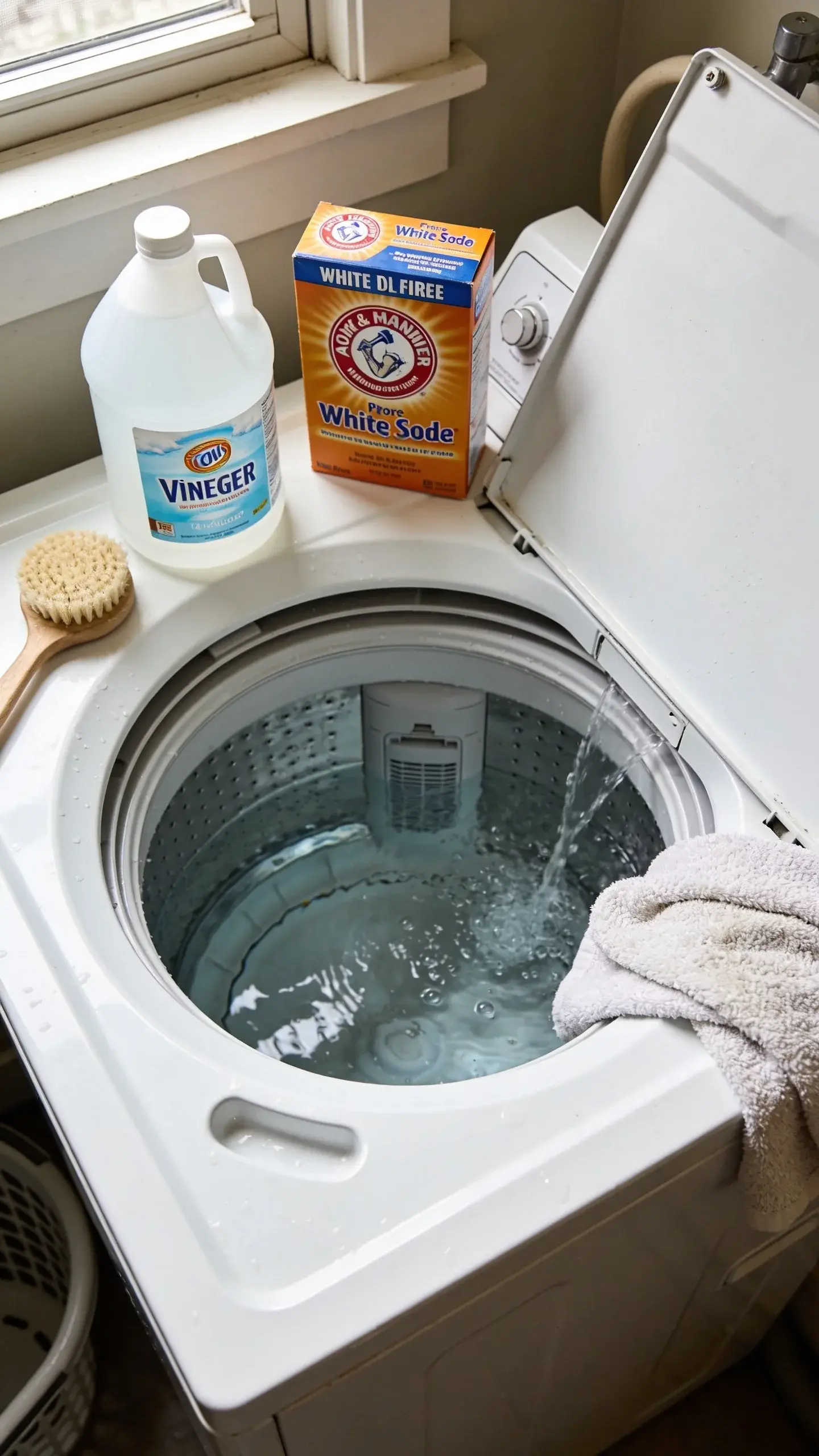
We’ll use white vinegar and baking soda. If you prefer store-bought washer cleaner tablets, that works too. IMO, vinegar/baking soda hits hard and cheap.
- Empty the washer completely. No stray socks in the drum, please.
- Scrub the gasket (front-load) or rim (top-load). Mix 1 cup warm water + a few drops of dish soap. Wipe the rubber gasket, folds, and underside. Pull back the lip to reach the slime. For top-loaders, clean under the rim and the agitator cap if it pops off. Rinse with a damp cloth.
- Disinfect the gasket and door: Spray 1:1 white vinegar and water. Let it sit 5–10 minutes. Wipe dry.
- Clean the detergent drawer: Remove the drawer (it usually slides out; press the tab). Soak in hot, soapy water. Scrub the moldy corners with an old toothbrush. Rinse and dry. Wipe the cavity too.
- Run a hot wash with vinegar: Pour 2 cups white vinegar directly into the drum (not the dispenser). Run the hottest, longest cycle. This dissolves gunk and kills odor-causing bacteria. FYI, vinegar smell disappears once dry.
- Run a second hot wash with baking soda: Sprinkle 1/2 cup baking soda directly into the drum. Run another hot cycle to neutralize odors and polish off residue.
- Final wipe and air-out: Wipe the drum, door, and gasket dry. Leave the door open for a few hours to fully air out.
Using Washer Cleaner Tablets Instead?
– Pop 1–2 tablets into the drum (follow the box).
– Run the hottest, longest cycle.
– Wipe the gasket and drawer afterward.
Some tablets handle heavy buildup better than DIY, IMO, especially if you’ve ignored the smell for a while.
Nuke The Hidden Spots Everyone Forgets
You cleaned the big stuff. Now snipe the sneaky stink zones.
- Filter and drain trap (front-load): Many machines have a small access door at the bottom front. Place a towel, twist open the cap, drain the water, and pull the filter. Clean out coins, hair, and mystery goo. Rinse and reinstall snugly.
- Top-loader agitator: Some agitators lift or have a cap that pops off. Check for lint sludge. Wipe and re-seat.
- Spray arms/holes (if present): Use a toothpick to clear mineral deposits in water jets around the drum.
- Exterior vents: Dust the back and sides so heat dissipates properly. Dry machines stay fresher.
Hard Water? Add This Step
Mineral scale traps odors. Run a hot cycle with 1 cup citric acid or descaling powder monthly. It’ll also help your heater and sensors work better.
Detergent Smart: Less Soap, Better Smell
Using more detergent doesn’t mean cleaner clothes. It means sticky residue.
- HE machines need HE detergent. Use the line on the cap, not your gut.
- Cut softener use. It builds up like candle wax. Try dryer balls or vinegar in the softener slot (1/4 cup) if your manual allows.
- Hot wash sometimes. One hot load per week melts residue and keeps microbes boring.
- Don’t overload. Stuffed drums can’t rinse properly, so funk lingers.
Weekly 5-Minute Fresh Routine
Keep it simple. Future you will thank present you.
- After every wash: Leave the door open and pull the detergent drawer out an inch.
- Once a week: Wipe the gasket and door with a vinegar-damp cloth.
- Once a month: Run a hot maintenance cycle with 2 cups vinegar or a washer cleaner tablet.
- Seasonally: Clean the filter/drain trap and descale if you have hard water.
What If The Smell Comes Back Fast?
– Switch detergents (fragrance-heavy ones can mask and trap odors).
– Check your drain hose height and trap; a wrong setup can backflow sewer smells.
– Make sure your laundry room isn’t a swamp; add a dehumidifier or improve airflow.
Front-Load vs. Top-Load: Slightly Different Game Plans
Both can stink, but care tweaks help.
- Front-load: Obsess over the gasket. Wipe the folds. Keep the door cracked, always. Use less detergent than you think.
- Top-load: Clean under the rim. If you have a removable agitator cap, check it monthly. Leave the lid open between loads.
Natural vs. Chemical Cleaners: What Actually Works?
You don’t need a hazmat suit, promise. Use what matches your buildup level and sensitivity.
- Vinegar + baking soda: Great for regular maintenance and light funk. Cheap and effective.
- Citric acid/descalers: A must for hard water scale and mineral deposits.
- Oxygen bleach (sodium percarbonate): Excellent for deep sanitizing without harsh fumes. Run hot cycle per package directions.
- Chlorine bleach: Powerful but harsh on rubber seals if you overuse it. If you go this route, use once in a while only (1/2 cup in the drum, hottest cycle, then a rinse cycle). Ventilate well.
Stuff To Avoid
– Thick, oily “miracle” additives that coat sensors and gaskets.
– Mixing bleach and vinegar or ammonia—dangerous fumes, zero fun.
– Scrubbing gaskets with abrasives that slice the rubber.
Troubleshooting Bigger Odor Problems
If your machine still smells after a proper deep clean, check these:
- Clogged standpipe or P-trap: If the room smells musty too, the drain might be the culprit. A plumber can clear it quickly.
- Improper drain hose position: The hose should loop higher than the standpipe to prevent backflow.
- Worn door gasket: Torn rubber traps grime. Replacement fixes lingering stink.
- Low-use machines: Run a hot cycle monthly to keep things fresh if you barely do laundry (lucky you).
FAQ
Can I use vinegar in every load?
You can add a splash now and then, but don’t overdo it. Use 1/4 cup in the softener slot for towels or smelly gym gear. For maintenance cleaning, stick to monthly vinegar cycles to avoid overexposing rubber parts.
Why do my towels still smell after washing?
They’ve got trapped detergent and mildew. Wash towels hot with 1 cup vinegar (no detergent), then a second wash with 1/2 cup baking soda. Dry fully on high heat. After that, use less detergent and skip softener so they rinse clean.
Is bleach better than vinegar for killing odors?
Bleach nukes microbes fast, but it can be rough on seals and your lungs. Vinegar and oxygen bleach clean effectively with fewer drawbacks. IMO, save chlorine bleach for “emergency stink” moments, not monthly maintenance.
How often should I clean the washer filter?
Every 1–3 months, depending on usage and pet hair levels. If you see standing water after cycles, clean it ASAP. You’ll be shocked at what that filter catches.
Can I clean a musty washer with only cold water?
Hot water works best. Heat melts residue and activates cleaners. If your machine can’t run hot, use oxygen bleach and longer cycles, but expect slower results.
Do washer cleaning tablets really work?
Yes—especially for baked-on residue. They’re convenient and strong. For budget-friendly upkeep, alternate tablets with vinegar/citric acid cycles.
The Fresh Finish
Musty washer? Not on your watch. With a hot cycle or two, a gasket scrub, and smarter detergent habits, you’ll banish the swamp vibes and keep that drum breezy-fresh. Leave the door open, run a monthly clean, and stash the softener for special occasions. Your nose (and your clothes) will notice the glow-up, FYI.

I’ve spent 10+ years in dog training, digging into what makes dogs (and their humans) tick. At Smart Dog Learning, I share my no-nonsense, fun approach to training so you can enjoy life with a well-behaved, happy pup—no boring lectures, just practical results 😉