
5 Deep Cleaning House Hacks For The Kitchen
Tired of scrubbing until your arms feel like noodles? Same. These quick, no-nonsense kitchen deep-clean hacks attack grease, stains, and mystery smells without expensive products or all-day marathons. Grab a towel, queue your favorite playlist, and let’s make your kitchen sparkle without losing your weekend (or your sanity).
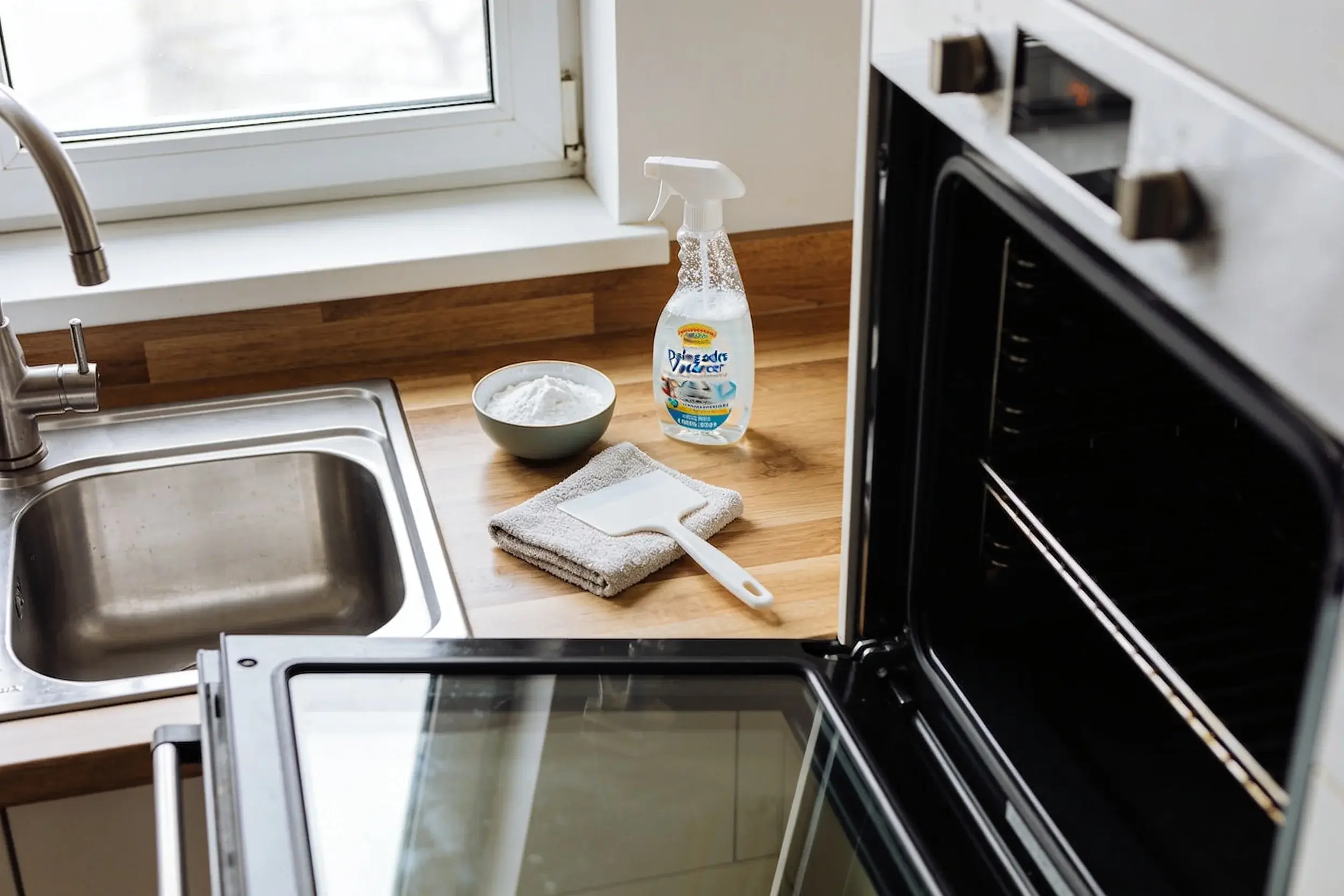
Hack #1: The Oven Door Rescue With Baking Soda Gel
Your oven door tells the truth about last month’s pizza party. Let’s erase the evidence with a paste that sticks and lifts grime while you sip coffee.
Make The Gel
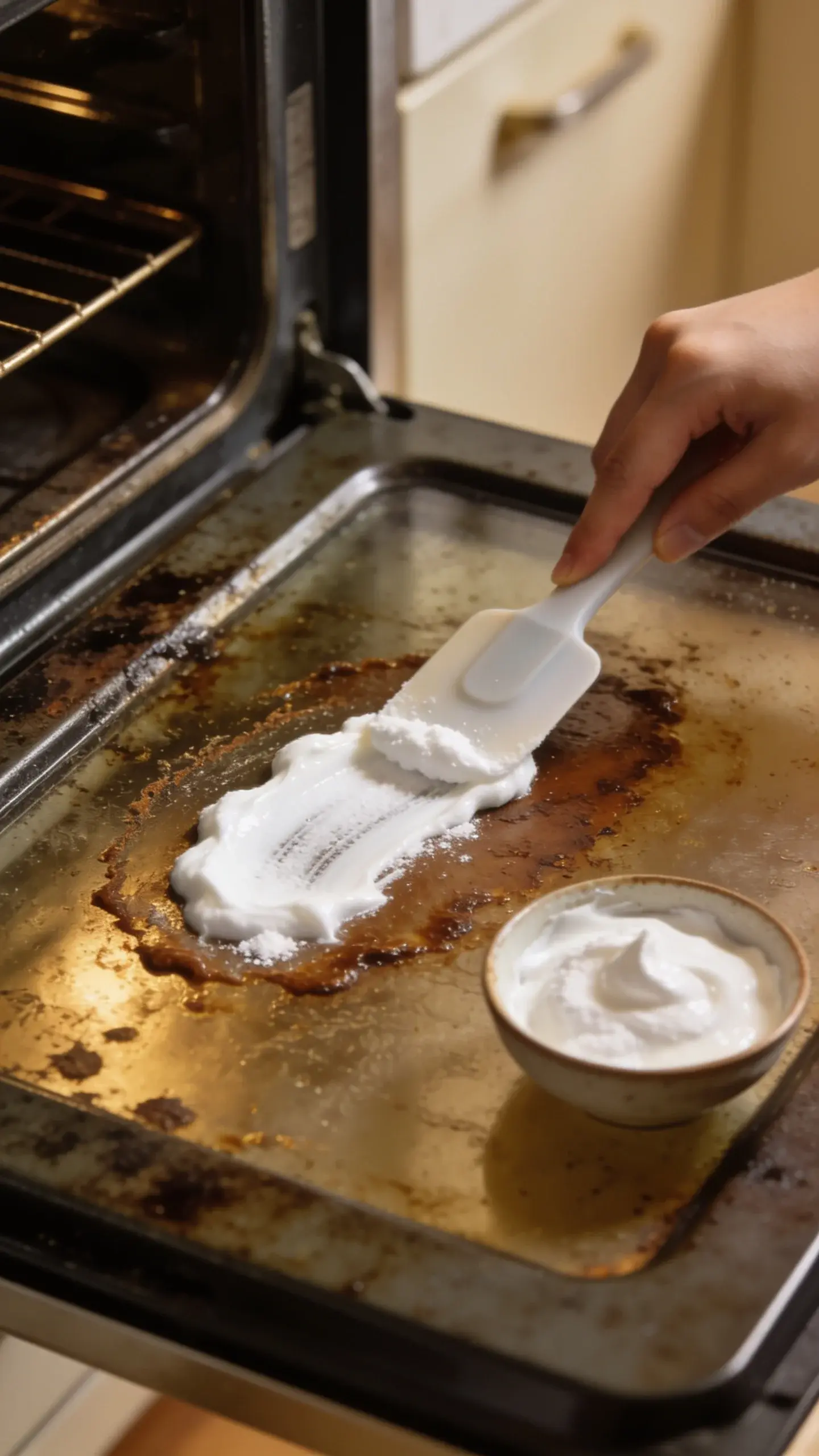
- Mix 1/2 cup baking soda with warm water until it forms a thick, spreadable paste.
- Add a few drops of dish soap for extra grease-cutting power.
- Optional: A splash of vinegar when you’re ready to wipe—expect fizz. It’s fun.
Apply, Wait, Wipe
- Spread the paste on the inside of the oven door and any visible grease splatters.
- Let it sit 20–30 minutes. The paste does the heavy lifting while you don’t.
- Spritz with vinegar, then wipe with a microfiber cloth. Stubborn spots? Use a plastic scraper at a shallow angle.
Pro tip: For the tight gap at the bottom of the door, wrap a thin cloth around a butter knife and slide it along to collect baked-on crumbs.
Hack #2: The Sink And Drain Glow-Up (Smells Included)
A shiny sink screams “clean kitchen,” even if your junk drawer says otherwise. We’ll polish stainless, nuke smells, and tackle the garbage disposal like a pro.
Polish The Basin
- Sprinkle baking soda all over the damp sink. Scrub in circles with a non-scratch pad.
- Rinse, then wipe with a few drops of dish soap to cut lingering oil.
- Finish with a swipe of white vinegar for sparkle, then buff dry.
De-Stink The Drain
- Pour 1/2 cup baking soda down the drain, then 1 cup hot vinegar. Foam = victory.
- Wait 10 minutes, then flush with a kettle of boiling water.
- For disposals: Grind a handful of ice + rock salt to sharpen and clean the blades (figuratively). Add lemon peels for a fresh scent.
FYI: Skip bleach here. It kills odor briefly but doesn’t remove gunk, and it can react with other cleaners.
Hack #3: The Grease-Busting Cabinet Wipe That Actually Works
Grease + dust = kitchen paste you never asked for. You need a combo that breaks it down without wrecking your finish.
DIY Degreaser
- Mix 2 cups warm water + 1 tablespoon dish soap + 1 tablespoon white vinegar.
- For heavy grease, add 1 teaspoon washing soda (stronger than baking soda). Test on a hidden spot first.
Technique Matters
- Work from the bottom up to avoid streaks.
- Use a soft sponge or microfiber cloth and follow the grain on wood or faux-wood cabinets.
- Rinse with clean water, then dry immediately to prevent water marks.
Seal The Deal: Wipe handles and edges with rubbing alcohol to dissolve fingerprints and sanitize fast.
Hack #4: Stovetop Crud Removal With The “Hot Towel Steam” Trick
Burnt-on rings laughing at your cleaner? Bring steam power without a fancy gadget.
Softening The Mess
- Soak a couple of kitchen towels in very hot, soapy water. Wring them out so they’re damp, not dripping.
- Lay them over the grimy zones for 10–15 minutes. The heat loosens the crud.
- Lift, then scrape gently with a plastic scraper or an old gift card. Satisfying, right?
Glass Cooktop Bonus
- Sprinkle baking soda over stuck areas, drizzle with vinegar to foam, then cover with a hot, damp towel for 10 minutes.
- Wipe clean, then shine with a tiny bit of rubbing alcohol on a microfiber cloth.
IMO: Razor blades on glass cooktops work, but keep the blade flat and go slow or you’ll etch the surface.
Hack #5: The Fridge Deep Clean You’ll Actually Finish
The science experiment in the back? Set a timer and move fast. You’ll avoid overthinking that suspicious jar.
Speed Strategy
- Unload by shelf into a cooler or laundry basket. Toss expired stuff immediately. Don’t negotiate.
- Remove shelves and drawers. Wash in warm, soapy water. Let them come to room temp first if they’re glass to avoid cracks.
- Wipe interior with 1 quart warm water + 2 tablespoons baking soda. It deodorizes without a harsh scent.
- Dry completely. Moisture = new smells.
- Return food by category. Put a baking soda box or a bowl of dry coffee grounds inside to absorb odors.
Sticky Spill Hack: For syrupy disasters under the crisper, lay paper towels soaked in warm water on the area for 5 minutes, then lift the whole mess in one go.
Bonus Hack: Microfiber Magic For Stainless Steel
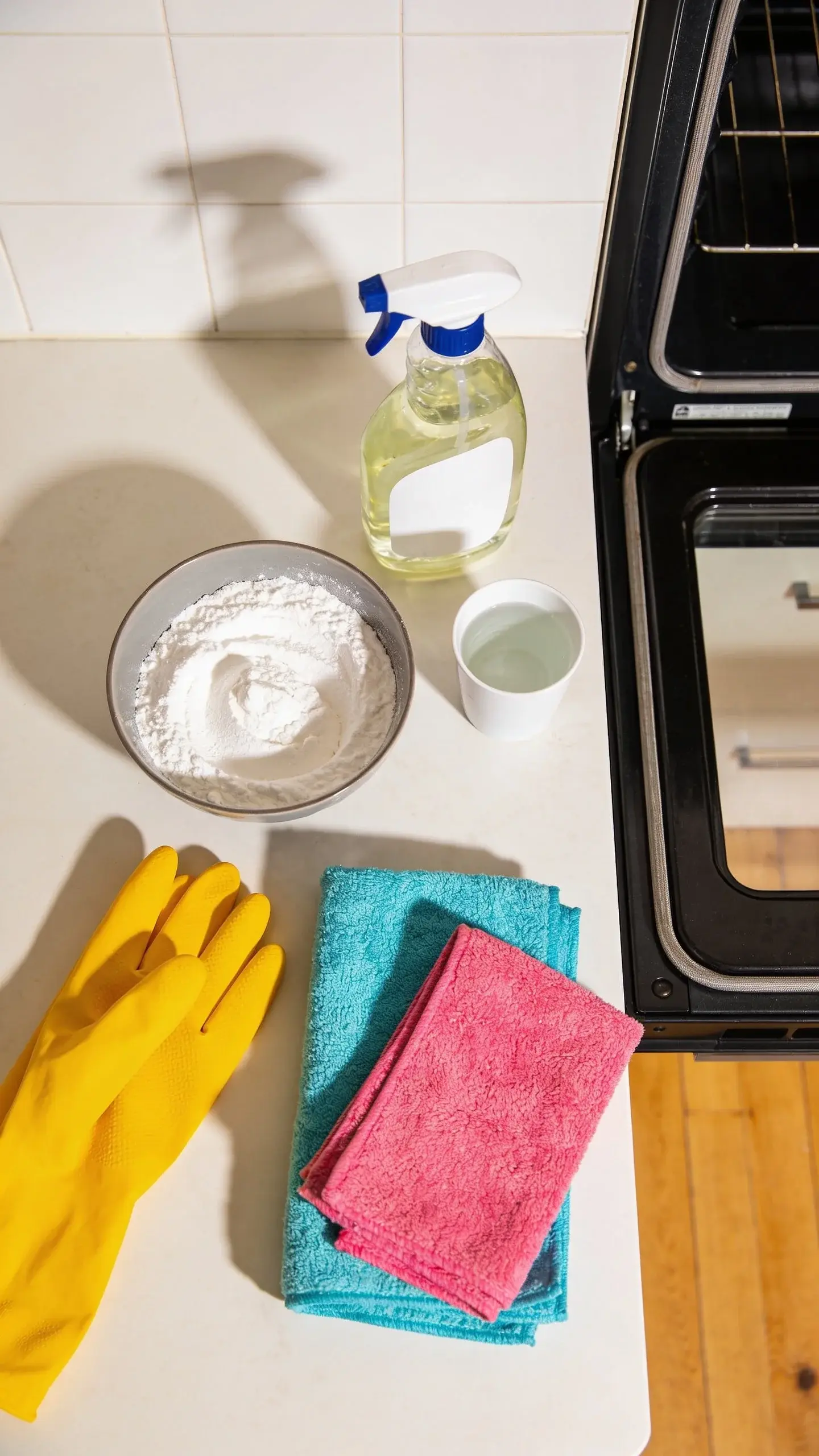
Streaks drive everyone nuts. Here’s the two-cloth method that never fails.
- Cloth 1: Dampen with warm water and add a drop of dish soap. Wipe with the grain.
- Cloth 2: Dry microfiber with a mist of rubbing alcohol. Buff with the grain for a showroom finish.
- Optional: A pea-sized amount of mineral oil on a clean cloth adds a protective sheen. Buff thoroughly.
Heads-up: Skip paper towels on stainless—they shed lint and leave tracks like a suspicious raccoon.
De-Gunk The Sneaky Spots You Always Miss
Because grime loves the shadows.
- Range Knobs: Pop them off and soak in warm, soapy water. Rinse, dry, back on.
- Under Appliance Lips: Wrap a cloth around a ruler and swipe under toaster ovens and air fryers.
- Dishwasher Filter: Twist, pull, rinse under hot water, scrub with a toothbrush. Huge smell fix.
- Microwave Vents/Grease Filter: Check under the microwave. Filters can soak in hot, soapy water, then air-dry.
FYI: Ten minutes on these zones makes the whole kitchen feel professionally cleaned.
Set A Maintenance Rhythm (So You Don’t Start From Zero Again)
Let’s keep future-you happy.
- Daily: 2-minute sink shine and quick stovetop wipe after dinner.
- Weekly: Cabinet handles, fridge shelves quick wipe, mop under the trash can.
- Monthly: Oven door glass, dishwasher filter, microwave filter, and backsplash degrease.
IMO: A tiny routine beats a four-hour panic clean every time.
FAQ
Can I use vinegar on natural stone counters?
Avoid it. Vinegar can etch marble, limestone, and some granites. Use a stone-safe cleaner or a mild dish soap solution, then dry thoroughly. If in doubt, test on a hidden spot first.
What’s the safest way to clean a gas stovetop?
Remove grates and burner caps, soak in hot, soapy water, and scrub with a non-scratch pad. For the surface, use a mild degreaser and avoid flooding liquid near the igniters. Dry everything well before reassembling to avoid sputtering flames.
How do I get rid of lingering fridge smells after cleaning?
Place an open box of baking soda or a bowl of dry coffee grounds inside for 24–48 hours. You can also set a plate with activated charcoal for stubborn odors. Keep airflow clear by not overpacking the fridge.
Is bleach ever a good idea in the kitchen?
Use it sparingly and only after cleaning away grease and grime first. A diluted solution (per label directions) works for sanitizing sinks or cutting boards after raw meat. Never mix bleach with vinegar, ammonia, or other cleaners—dangerous fumes happen.
How do I clean between double oven door glass?
Many models have a bottom slot you can access. With the oven off and cool, slide a long, thin, microfiber-wrapped tool inside and wipe gently. Check your manual before you attempt a full door removal.
What’s the best cloth for streak-free finishes?
High-quality microfiber wins. Use one damp cloth to clean and a second dry cloth to buff. Wash microfibers without fabric softener—softener coats fibers and kills their grabby magic.
Conclusion
You don’t need a cart full of fancy products to deep clean a kitchen—just smart moves and a few basics. Hit the heavy hitters (oven, sink, stove, fridge), then swing through the sneaky zones for that pro-level finish. Keep a light maintenance rhythm and your next deep clean will feel like a victory lap instead of a boss battle. Now go enjoy a snack in your shiny domain—you earned it.

I’ve spent 10+ years in dog training, digging into what makes dogs (and their humans) tick. At Smart Dog Learning, I share my no-nonsense, fun approach to training so you can enjoy life with a well-behaved, happy pup—no boring lectures, just practical results 😉