
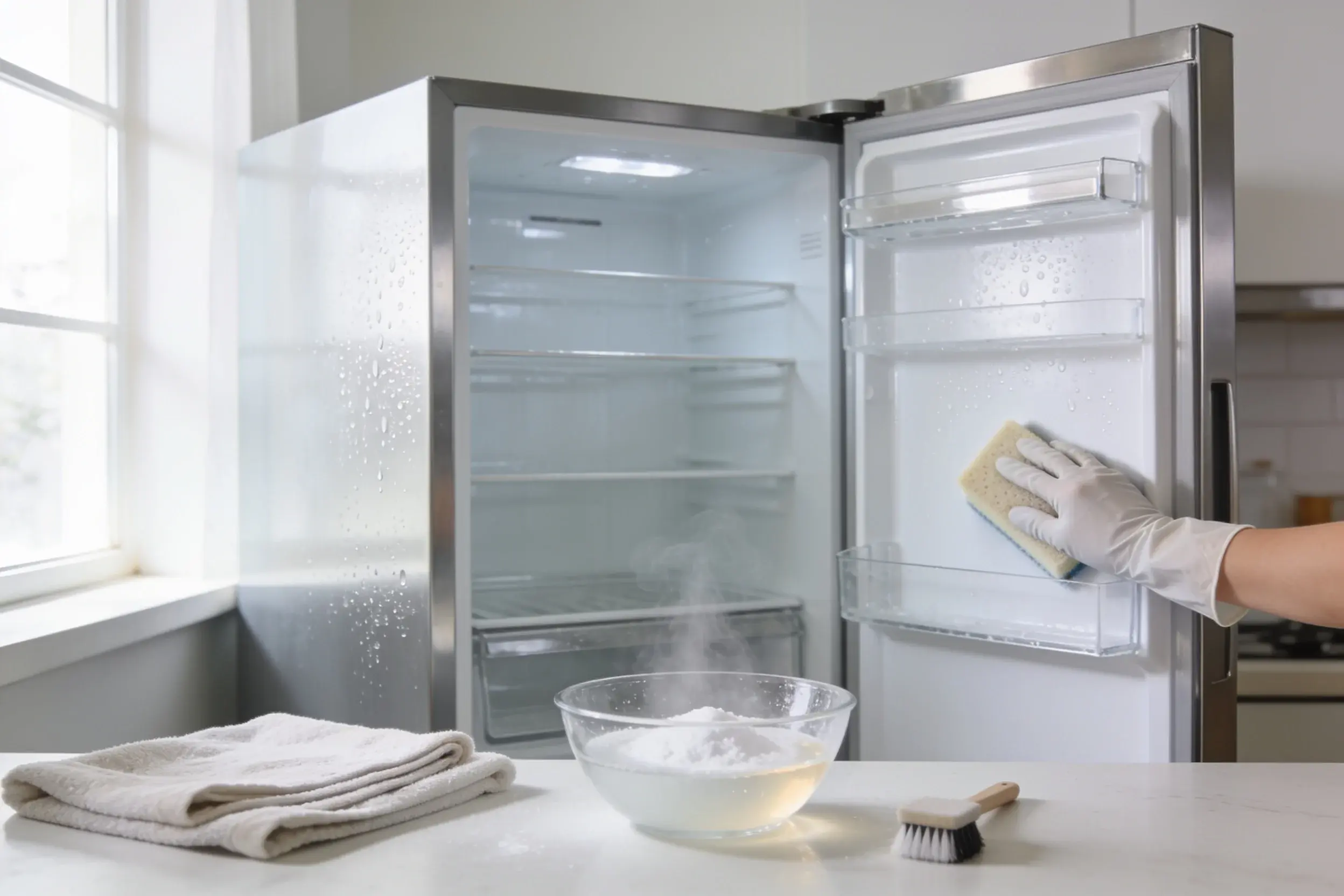
How To Clean A Refrigerator And Eliminate Bad Smells
Your fridge smells funky, your leftovers look suspicious, and you’re slightly afraid to open the crisper drawer. We’ve all been there. The good news? You can fix it in under an afternoon and keep it fresh for months. Grab some gloves, a sponge, and your inner neat freak—let’s make your fridge smell like nothing (which is the goal).
Do A Ruthless Purge First
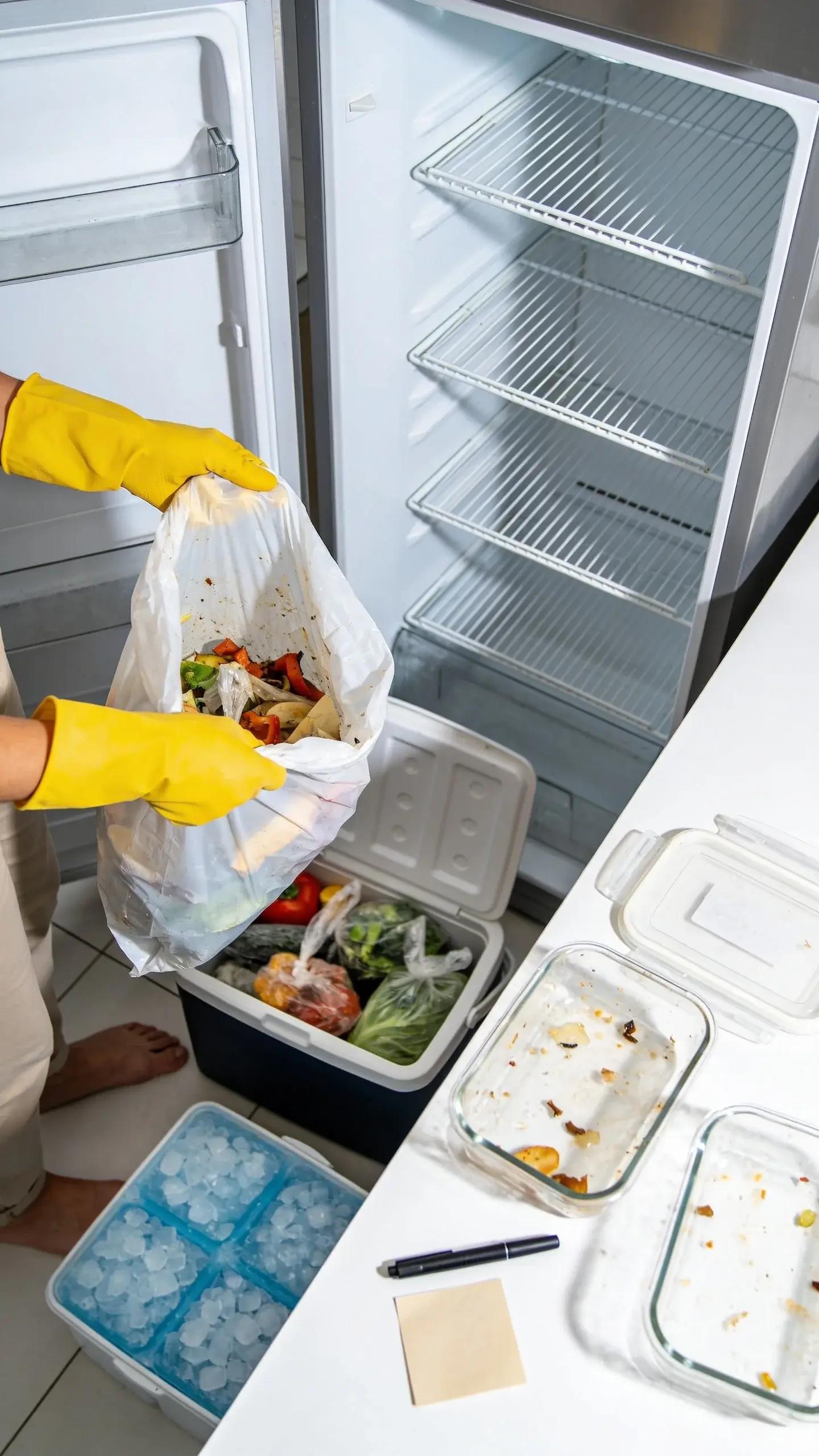
If it’s expired, slimy, or unidentifiable, it’s gone. No negotiations. Toss anything that smells off or looks sketchy—yes, even that artisanal sauce you swore you’d use.
- Check dates and do the sniff test—trust your nose.
- Decant leftovers into clear containers so you can actually see what’s inside.
- Transfer keepers to a cooler with ice packs while you clean.
Pro Tip: Label Everything
Write the date on leftovers and opened items. Future you will thank present you, IMO.
Empty Shelves And Drawers Like You Mean It
Take out every removable piece: shelves, bins, door racks. If it comes off, it comes out. This gives you space and prevents you from missing sneaky spill zones.
Warm Up To Prevent Cracks
Let glass shelves warm to room temp before washing. Sudden hot water on cold glass = crack city, FYI.
Mix A Safe, Effective Cleaner
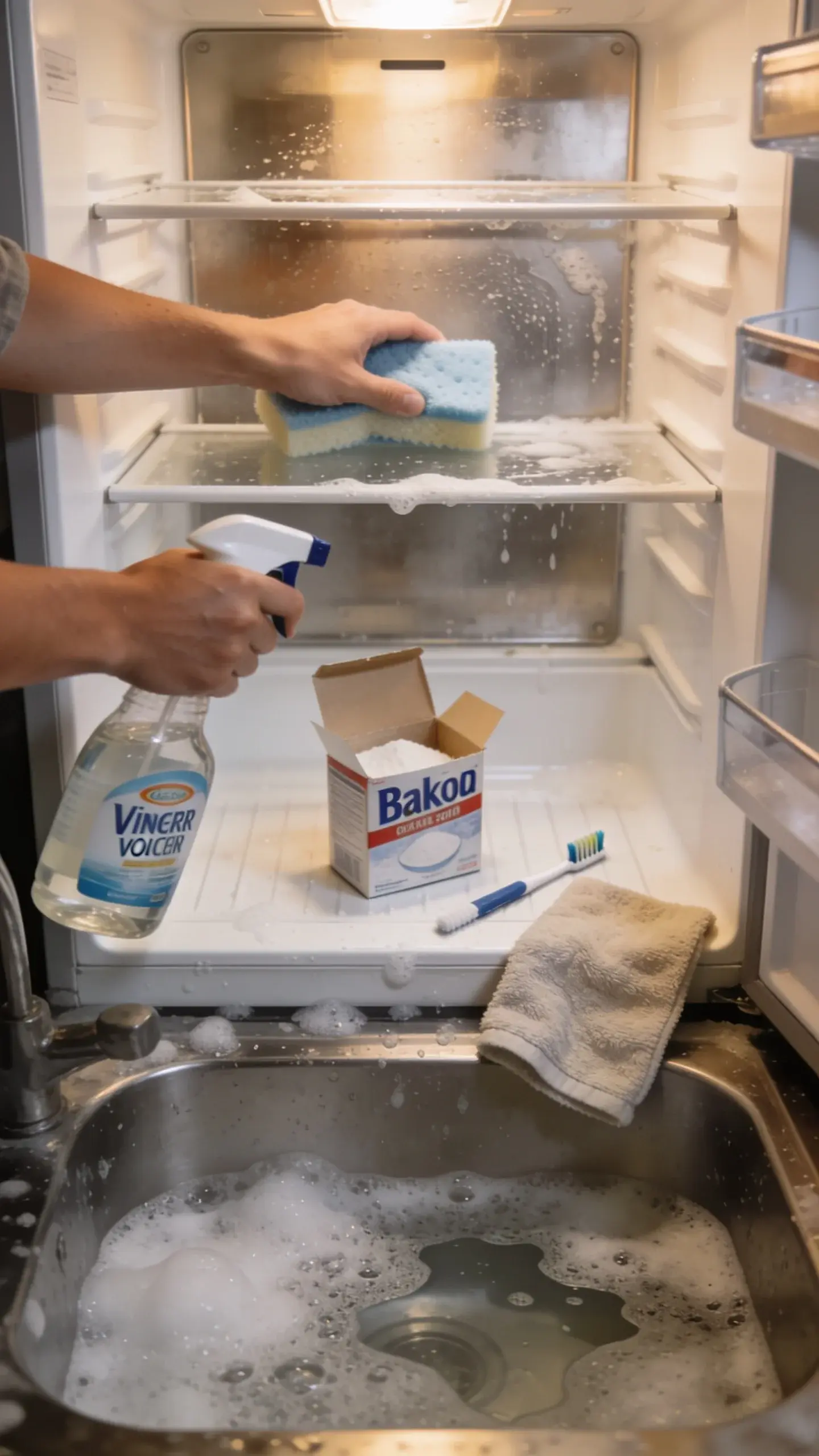
You don’t need harsh chemicals. Your fridge holds food, not car parts.
- Baking soda solution: 2 tablespoons baking soda + 1 quart warm water. Great for deodorizing and gentle scrubbing.
- Soap solution: A few drops of dish soap in warm water for greasy messes.
- Vinegar spray (optional): 1:1 white vinegar and water for mineral spots and general freshening. Don’t mix vinegar with bleach—ever.
What To Avoid
Skip bleach and strong disinfectant sprays inside the fridge. They linger, smell intense, and can touch your food. No thanks.
Scrub The Interior Like A Pro
Start at the top and work down so drips don’t mess up clean areas. Wipe walls, ceiling, back panel, and seams where gunk hides.
- Wipe with your chosen solution using a soft sponge or microfiber.
- Detail the seals (that rubber door gasket) with a soft brush or an old toothbrush. Food crumbs love this spot.
- Rinse with clean water on a cloth to remove residue.
- Dry thoroughly with a towel to prevent musty smells.
Don’t Forget The Drain Hole
Most fridges have a tiny drain at the back to handle condensation. If it clogs, hello swampy smell. Use a cotton swab or pipe cleaner to clear it, then flush with a little warm water.
Wash Shelves, Drawers, And Racks Separately
Give them a bath in the sink or tub.
- Soak in warm soapy water for 10–15 minutes.
- Use baking soda paste (3 parts soda, 1 part water) for stuck-on sauces and mystery stickiness.
- Rinse and air-dry or towel-dry completely before reinstalling.
Glass + Hot Water = Nope
Again, avoid shocking cold glass with hot water. Let it warm up first. Broken shelves are expensive and annoying.
Eliminate Odors At The Source
A clean fridge should smell like…nothing. If stink lingers, target it.
- Deodorize with baking soda: Place an open box on a middle shelf. Replace every 1–3 months.
- Coffee grounds or charcoal: Put a small bowl of fresh grounds or activated charcoal inside for 24–48 hours to neutralize tough odors.
- Lemon trick: Wipe surfaces with a little diluted lemon juice for a fresh finish. Smells nice, doesn’t overpower.
If The Smell Still Fights Back
Remove the drip pan (usually behind the grille at the bottom) and clean it with soapy water. That stagnant moisture can reek. Also check for a rogue onion rolling under the fridge—happens more than you’d think.
Reorganize To Prevent Future Funk
Smart layout keeps spills in check and makes you use food before it dies a tragic, slimy death.
- Designate zones: Dairy on a middle shelf, raw meat on the lowest shelf in a tray, condiments in the door.
- Use clear bins: Group snacks, sauces, and produce. Bins catch drips and clean easily.
- First In, First Out (FIFO): Slide older items to the front. New stuff goes in the back. Restaurant-level efficiency at home.
- Keep produce dry: Line crispers with a paper towel to absorb moisture and reduce rot.
Temperature And Humidity Sweet Spots
– Main compartment: 37–40°F (3–4°C)
– Freezer: 0°F (-18°C)
– Crisper drawers: High humidity for leafy greens, low humidity for fruits. Your produce will last longer, IMO.
Clean The Outside And The Hidden Bits
A fresh exterior makes the whole kitchen feel cleaner.
- Wipe doors and handles with soapy water or a gentle cleaner. Handles are germ central.
- Stainless steel? Use a microfiber cloth and go with the grain. Buff with a tiny drop of mineral oil for a streak-free shine.
- Vacuum condenser coils (behind or under the fridge) every 6–12 months. Cleaner coils = better efficiency and lower energy bills.
Level It And Check The Seal
If the door doesn’t close snugly, cold air leaks and smells can worsen. Test with a dollar bill—if it slides out easily, adjust the door or replace the gasket.
Maintenance Habits That Keep Smells Away
Consistency beats deep-cleaning panic.
- Weekly: Quick check for spills and science projects.
- Monthly: Wipe shelves and bins, swap baking soda if needed.
- Seasonally: Full clean, coil vacuum, drip pan check.
- Immediately: Contain raw meats in a tray and close containers tightly. Spills happen—don’t let them marinate.
FAQ
Can I use bleach to sanitize my fridge?
You can, but I don’t recommend it for routine cleaning. Bleach fumes linger, and residue can contact food. A baking soda or mild soap solution handles most messes. If you must disinfect after raw meat spills, rinse thoroughly and air out the fridge before restocking.
Why does my fridge still smell after cleaning?
Check the drip pan, door gaskets, and the rear drain. Those hide odor-causing gunk. Also replace your baking soda, and try a bowl of activated charcoal for 48 hours. If the smell persists, look under and behind the fridge for a hidden spill or produce escapee.
How often should I deep-clean my refrigerator?
Aim for every 3 months. Do quick wipe-downs weekly and a mini-purge before grocery day. Small habits beat heroic cleanups, FYI.
Is vinegar safe for all fridge parts?
Yes, in a diluted mix. Avoid soaking rubber gaskets, and rinse surfaces so the vinegar scent doesn’t stick around. For stubborn mineral spots or sticky residue, vinegar shines (pun intended).
What’s the best way to store leftovers to avoid odors?
Use airtight glass containers and label with the date. Keep pungent foods (like onions or marinated meats) double-sealed. Store them away from the fan area so the smell doesn’t circulate like it’s on tour.
Do I need special fridge deodorizers?
Not really. Baking soda, coffee grounds, or activated charcoal work great. If you like store-bought deodorizers, go for it—but the real win comes from regular cleaning and organized storage.
Wrap-Up: A Fresh Fridge Is A Happy Fridge
You purged, scrubbed, deodorized, and reorganized—nicely done. Keep temps in check, label leftovers, and do quick weekly cleanups to stay ahead of funk. Your food will taste better, your kitchen will smell cleaner, and opening the fridge won’t feel like a jump scare anymore.

I’ve spent 10+ years in dog training, digging into what makes dogs (and their humans) tick. At Smart Dog Learning, I share my no-nonsense, fun approach to training so you can enjoy life with a well-behaved, happy pup—no boring lectures, just practical results 😉