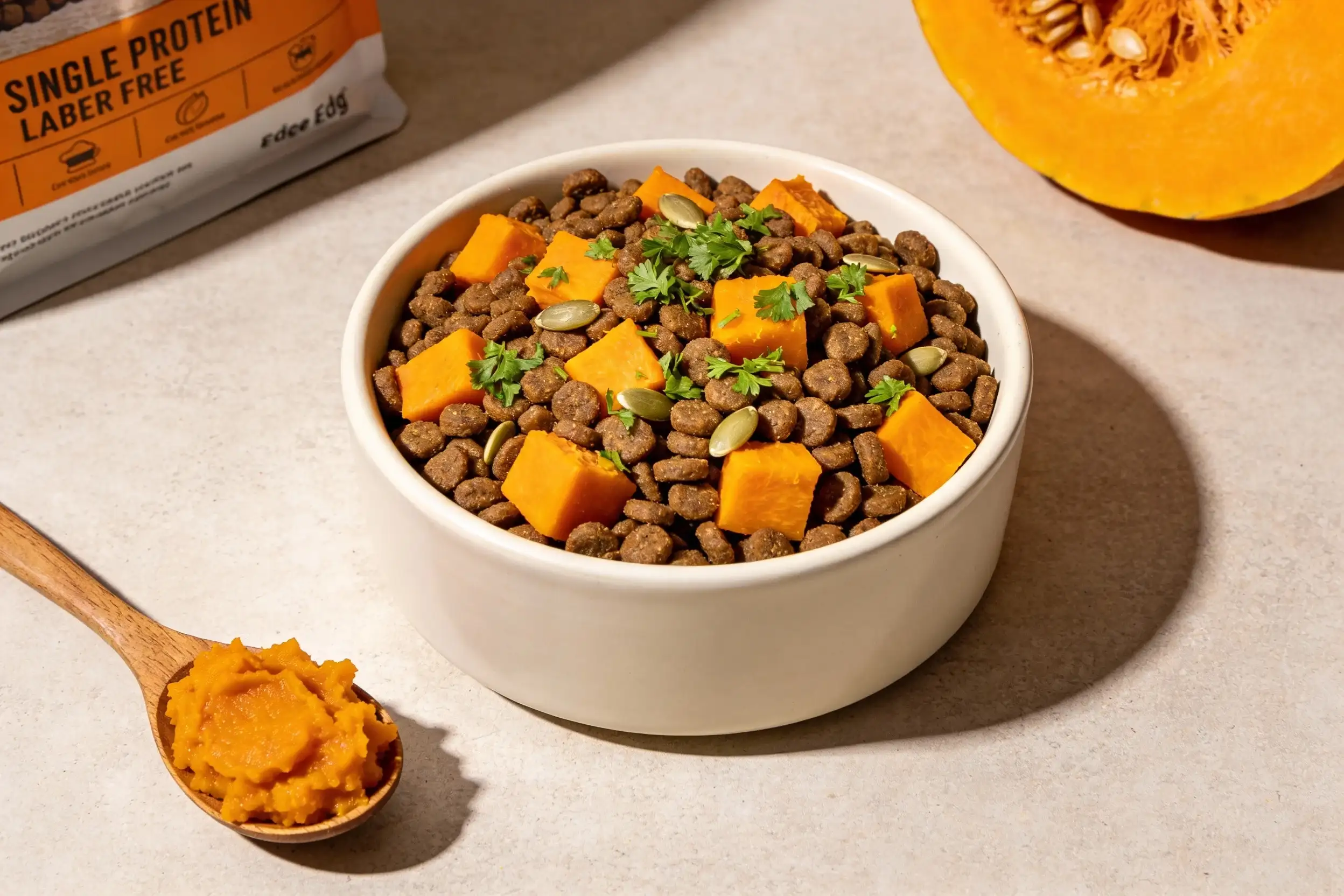
The Secret to Perfect This Allergy-Friendly Dog Food With Pumpkin Is Easy On Digestion
Your dog’s tummy drama doesn’t need to be a weekly cliffhanger. If you’re tired of mystery rashes, endless scratching, and “surprise” carpet messes, I’ve got a simple switch that helps: an allergy-friendly dog food with pumpkin. It’s gentle, it’s tasty (apparently), and it can calm chaos in the bowl and in the belly. Let’s break down why this combo works and how to pick a good one without needing a PhD in pet nutrition.
Why Pumpkin Plays So Nicely With Sensitive Stomachs
Pumpkin isn’t just a fall aesthetic. It’s a quiet powerhouse for digestion. The magic comes from its fiber balance, which helps firm loose stools and soften hard ones—yes, both. That’s why your vet suggests pumpkin when things go sideways.
Pumpkin also brings natural prebiotics to the party. That means it feeds the good gut bacteria that help break down food more efficiently. Translation: less gas, less bloat, and fewer “why does it smell like that?” moments.
Key benefits of pumpkin
- Gentle fiber: Supports regular bowel movements without harsh laxative effects.
- Prebiotic support: Feeds beneficial gut microbes for smoother digestion.
- Low fat, nutrient-dense: Offers vitamins A, C, E, plus potassium for overall health.
What Makes a Dog Food “Allergy-Friendly” Anyway?
Allergy-friendly isn’t a regulated term, FYI, so you need to read labels like a detective. You want fewer variables and clear protein sources. Dogs often react to the protein—not grains—so focus there first.
Look for limited-ingredient formulas that use a single animal protein and a simple carb. Pumpkin fits the carb slot beautifully. Avoid the kitchen-sink approach with 12 proteins and “natural flavor” mystery sauce.
Common culprits to avoid
- Chicken and beef: The most common protein allergens for dogs.
- Dairy and eggs: Sneaky additions that can trigger itching or GI upset.
- Multiple proteins: Harder to pinpoint what triggers a reaction.
- Artificial colors and preservatives: Zero nutritional value, potential irritants.
Ingredients That Actually Help (Not Hype)
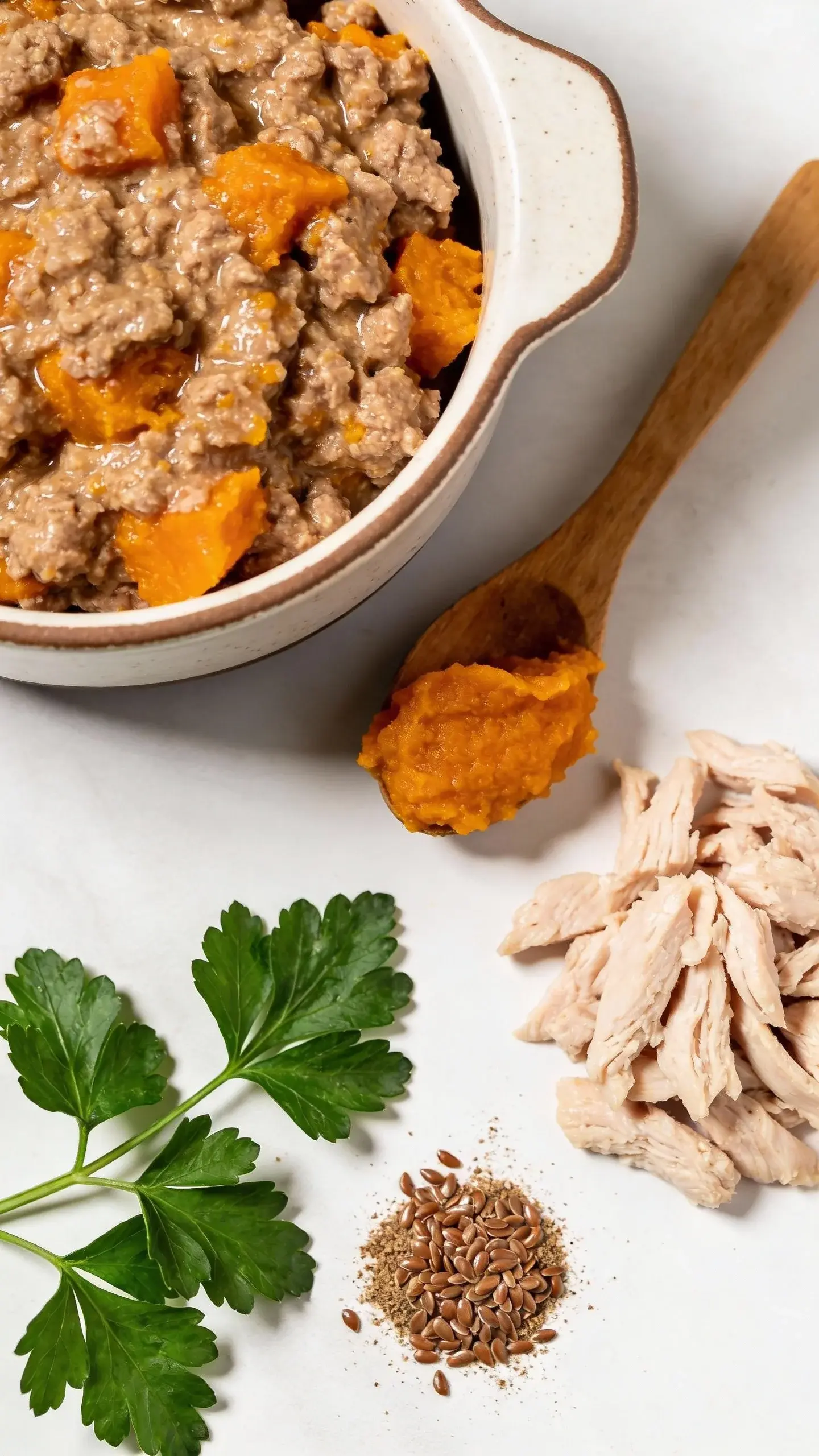
When you shop for allergy-friendly food with pumpkin, keep your checklist simple and strict. Your dog’s tummy will thank you, and your floors will too.
- Single-source protein: Turkey, salmon, duck, or lamb. Pick one and stick to it.
- Pumpkin: Listed clearly, not just “vegetable fiber.” The closer to the top of the list, the better.
- Digestible carbs: Sweet potato, rice, oats—easy on the gut, steady on energy.
- Omega-3s (fish oil or flax): Calm skin inflammation and support gut health.
- Probiotics: Named strains like Lactobacillus or Bifidobacterium, with guaranteed CFUs.
Red flags on the label
- “Meat by-product” without a specific source
- Vague “natural flavors” with no protein specified
- Five or more proteins in one recipe (chaos mode)
How Pumpkin Helps With Both Diarrhea and Constipation
It sounds contradictory, but it’s legit. Pumpkin contains both soluble and insoluble fiber. Soluble fiber absorbs water and helps firm loose stools. Insoluble fiber adds bulk and helps things move along when your dog’s system acts sluggish.
So if your dog alternates between “too fast” and “not at all,” pumpkin helps even things out. It’s the middle manager of fiber: not flashy, but the team runs better when it’s there.
Practical serving tips
- Dry food with pumpkin: Easy daily option with built-in fiber.
- Wet food toppers: Great for picky eaters and seniors.
- Pure pumpkin puree: Spoon a little on top; avoid pie filling with added sugar/spices.
Transition Without Drama: A Simple 7-Day Plan
Don’t do the “dump the old bag, start the new one” move. Your dog will revolt (and so will their intestines). Transition slowly and watch the poop. Yes, we all become poop inspectors at some point.
- Days 1–2: 75% old food, 25% new.
- Days 3–4: 50/50 mix.
- Days 5–6: 25% old, 75% new.
- Day 7: 100% new food.
If stools get soft, slow down and linger at the previous step for a few days. IMO, patience beats carpet cleaner every time.
Real-World Signs It’s Working
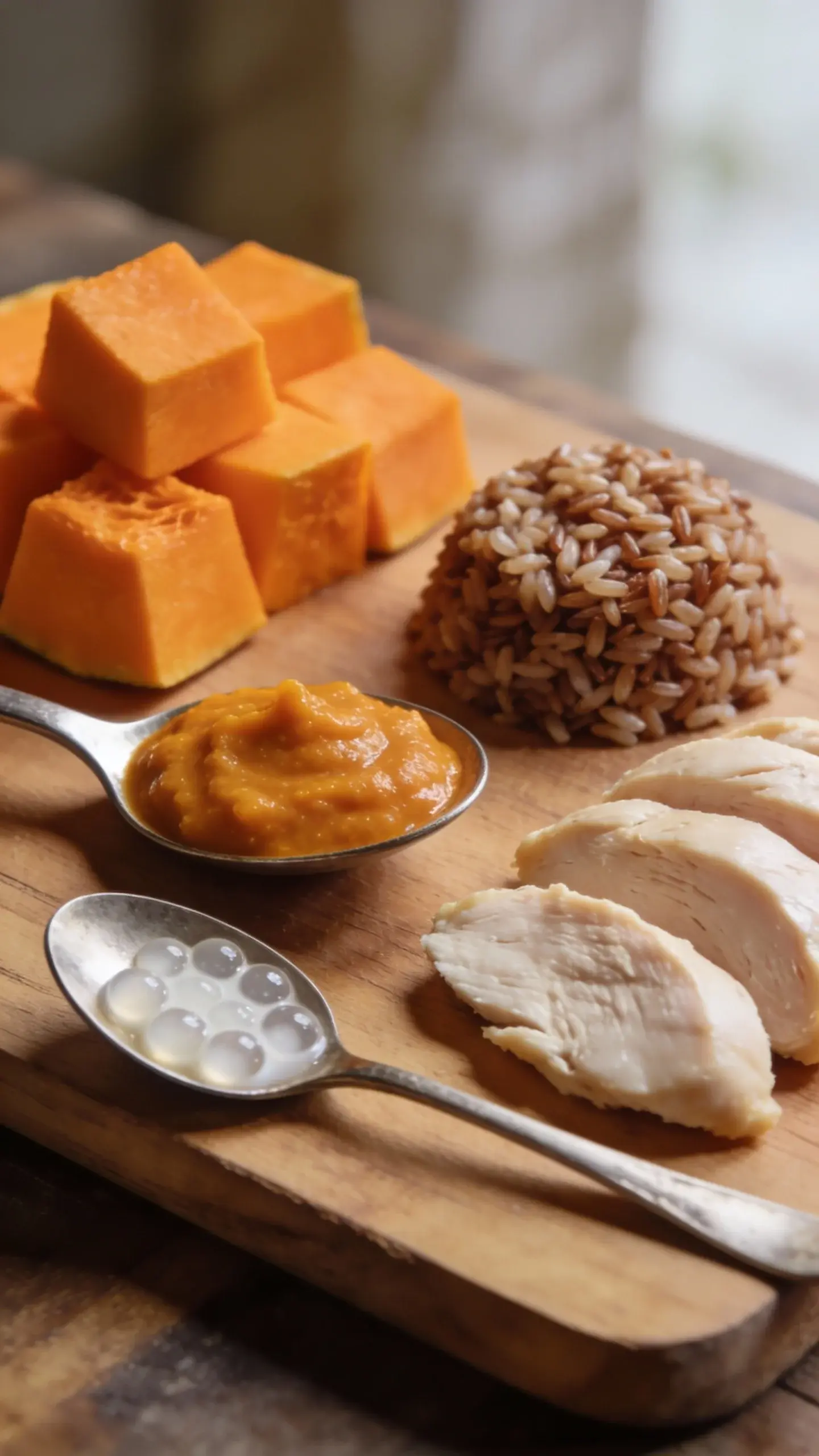
You’ll know you nailed the switch when daily life gets boring again (in a good way). Here’s what to watch for after 2–4 weeks:
- More consistent stools: Firm, formed, easy to pick up. The dream.
- Less itching and licking: Allergies calm as inflammation drops.
- Better breath and less gas: Balanced gut = fewer stink bombs.
- Happier mealtimes: They eat with enthusiasm, not hesitation.
Top Mistakes People Make (So You Don’t)
Let’s avoid the speed bumps. A few common errors can undo your good intentions.
- Switching too fast: Even great food backfires if you rush it.
- Adding too many extras: Treats and toppers can reintroduce allergens.
- Ignoring portion sizes: Pumpkin adds fiber but not many calories; balance the bowl.
- Assuming grain-free fixes everything: Protein allergies are more common than grain issues, FYI.
FAQ
Can I just add canned pumpkin to my dog’s current food?
Yes, as long as it’s pure pumpkin puree with no sugar or spices. Start with 1 teaspoon per 10 pounds of body weight per meal and adjust based on stool quality. If problems persist, consider a full switch to a limited-ingredient food that already includes pumpkin for balanced nutrition.
How fast will I see improvements?
For mild tummy issues, you might notice better stools within a few days. Skin and allergy improvements take longer—usually 3–8 weeks as inflammation settles and the gut microbiome adjusts. Be consistent, and don’t change multiple variables at once.
What protein should I choose if my dog has allergies?
Pick a protein your dog hasn’t eaten before, like salmon, turkey, duck, or rabbit. Stick with that single protein for at least 8–12 weeks. If symptoms improve, you likely found a winner. IMO, salmon plus pumpkin hits the sweet spot for many sensitive pups.
Is grain-free better for allergies?
Not automatically. Many dogs tolerate grains like rice and oats just fine. Most food allergies in dogs involve proteins like chicken or beef. Choose grain-free only if your dog truly reacts to specific grains, and balance the diet with quality carbs like sweet potato and pumpkin.
Can puppies or seniors eat pumpkin-inclusive diets?
Usually yes, but choose age-appropriate formulas. Puppies need higher protein and specific minerals for growth, while seniors benefit from joint support and easily digestible recipes. Always confirm the food meets AAFCO standards for your dog’s life stage.
Should I add probiotics too?
If the food includes named probiotic strains with guaranteed CFUs, you’re set. If not, a probiotic supplement can help during transitions or after antibiotics. Look for dog-specific products with Lactobacillus and Bifidobacterium strains.
The Bottom Line
If your dog’s stomach has a flair for drama, an allergy-friendly food with pumpkin can restore peace. Keep it simple: single-source protein, real pumpkin, digestible carbs, and a slow transition. Watch the poop (yes, really), dial back the extras, and give it time. Your dog gets comfort, you get fewer 3 a.m. panic walks—everyone wins. And hey, if a humble orange squash becomes your secret weapon? I’m not mad about it.

I’ve spent 10+ years in dog training, digging into what makes dogs (and their humans) tick. At Smart Dog Learning, I share my no-nonsense, fun approach to training so you can enjoy life with a well-behaved, happy pup—no boring lectures, just practical results 😉