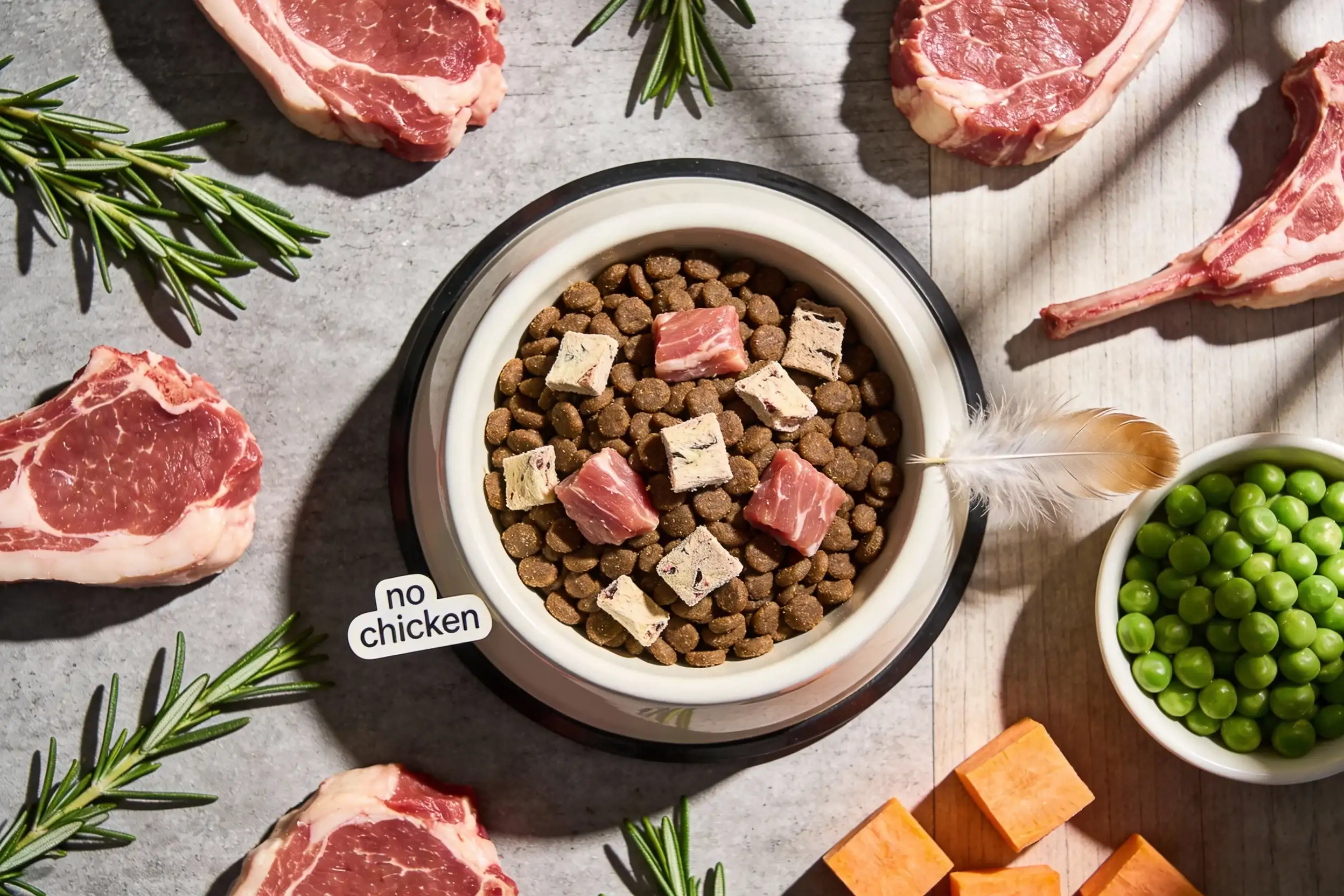
Allergy-Friendly Dog Food With Lamb For Dogs With Chicken Allergies Done Right
Your dog loves dinner time, but chicken makes them itchy, gassy, or rashy? You’re not imagining it—chicken ranks high on the list of canine food allergens. The good news: lamb-based, allergy-friendly diets can bring sweet relief. Let’s talk smart swaps, what labels actually mean, and how to pick a lamb formula that won’t sneak in chicken by “flavor.”
Why Lamb Makes Sense for Chicken-Sensitive Dogs
Lamb often works as a solid alternative protein when chicken causes chaos. Many dogs haven’t eaten much lamb historically, so their immune systems haven’t flagged it as a problem. It’s also rich, tasty, and typically easy to digest.
But here’s the catch: not all “lamb” foods are truly chicken-free. Some brands add chicken fat, chicken meal, or vague “poultry by-products.” Always read the ingredients line by line. If you see chicken anywhere, move on.
Spotting the Signs of a Chicken Allergy
Chicken allergies don’t always scream “emergency.” They sneak in with annoying symptoms that hang around. You might see:
- Itchy skin and paws—especially licking or chewing at feet
- Ear issues—recurring infections or head shaking
- Stomach drama—soft stools, gas, or vomiting after meals
- Red, flaky skin—hot spots or rashes
If those pop up consistently after chicken-based meals, you’ve got your clue. FYI, true allergies involve the immune system. Sensitivities or intolerances can look similar but behave differently. Either way, your dog doesn’t care what it’s called—they just want relief.
How to Choose a Lamb-Based Food That’s Actually Allergy-Friendly
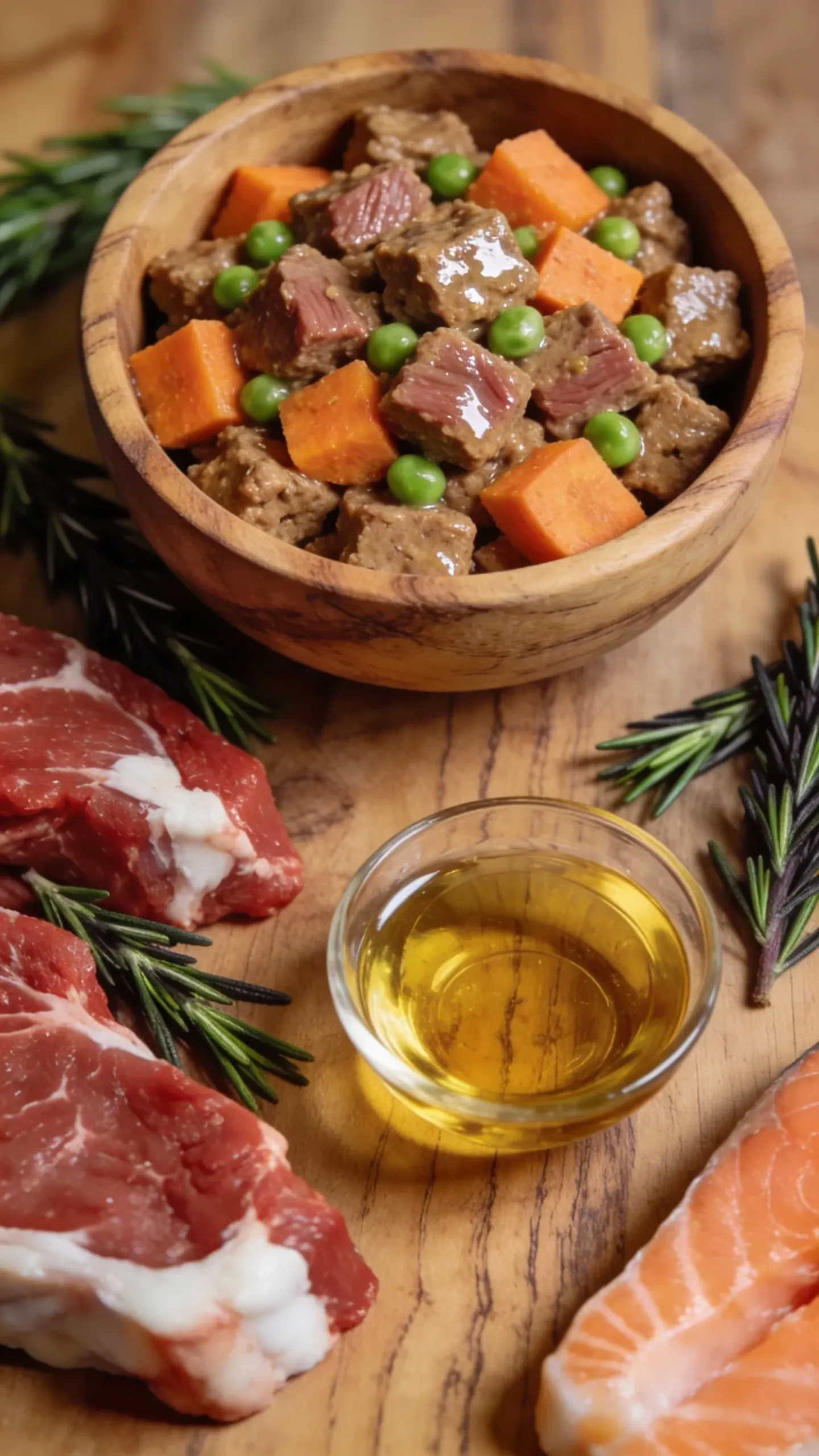
Picking the right bag or can matters. Labels can mislead, so let’s de-code them.
Look for “Limited Ingredient” or “Single Protein”
These formulas keep things simple so you can pinpoint what works. Ideally, the protein comes from lamb only.
Ingredients to Avoid
Scan the fine print for sneaky add-ins:
- Chicken fat, chicken meal, poultry by-product meal
- Eggs or “animal digest” (vague = risky)
- Flavorings that don’t specify the source
If the brand uses a shared facility with chicken formulas, your dog might react to cross-contamination. IMO, it’s rare but not impossible. Sensitive pups notice everything.
Quality Markers That Matter
You want more than “chicken-free.” Aim for:
- AAFCO nutritional adequacy statement for your dog’s life stage
- Named meats—“lamb” or “lamb meal,” not “meat meal”
- Digestible carbs like rice, oatmeal, or sweet potato
- Added omega-3s (fish oil or algae oil) for skin support
Lamb Options: Kibble, Canned, Fresh, and Beyond
Not every dog thrives on the same format. Let their stomach—and your schedule—decide.
Dry Kibble
Kibble makes life easy and affordable. Choose a lamb-limited ingredient formula that lists lamb or lamb meal first. Avoid mixed-protein blends.
Canned/Wet Food
Great for picky eaters or dogs who need extra moisture. The texture can soothe tummy troubles. Check for gums and thickeners if your dog has sensitive digestion.
Fresh or Gently Cooked
These diets use fewer fillers and often simpler recipes. They can help during elimination trials. Downside: pricier and require refrigeration. Upside: your dog will look at you like you’re a five-star chef.
Raw Diets
Some owners swear by raw for allergies. If you go raw, pick reputable brands and handle food safety like a hawk. Raw isn’t magic—quality and balance still matter.
Transitioning Without the Tummy Turmoil
Switching foods too fast can turn your living room into a gas chamber. Transition slowly over 7–10 days:
- Day 1–3: 25% new lamb food, 75% old food
- Day 4–6: 50/50 mix
- Day 7–9: 75% new, 25% old
- Day 10: 100% new
Add a probiotic or a little plain pumpkin if stools go soft. If your dog still reacts, check the label again for hidden chicken or other allergens. Sometimes it’s not the lamb—it’s the extras.
What About Grains, Peas, and Other Hot Topics?
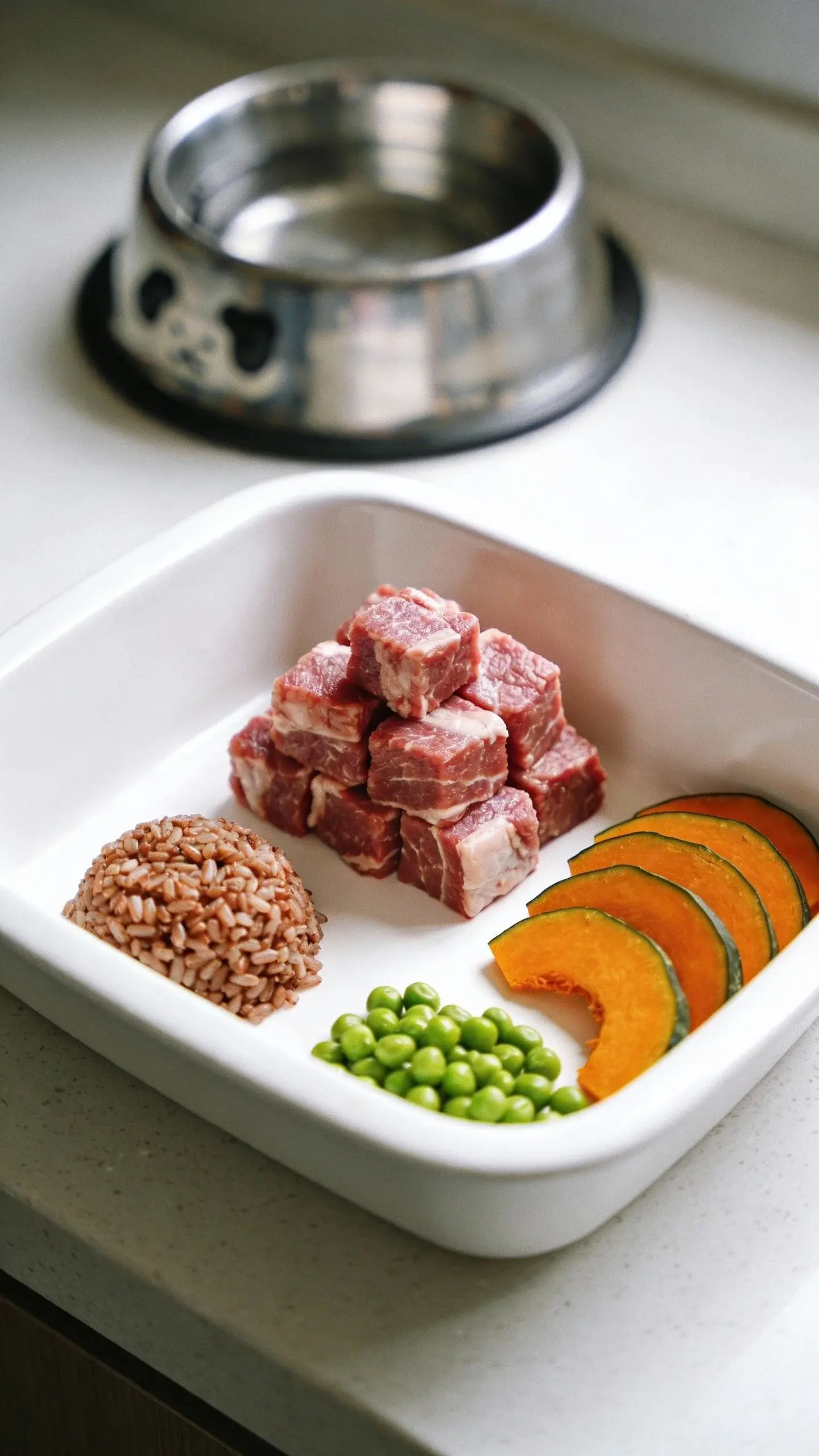
This debate gets spicy. Here’s the simple version:
- Grains: Many dogs digest rice and oats well. Grain-free isn’t automatically better for allergies.
- Peas/legumes: Fine for many dogs, but some don’t tolerate them. If your dog gets gassy on pea-heavy diets, try a grain-inclusive lamb option.
- Fish oil: Great addition for skin and coat. If chicken triggers your dog, choose fish or algae oil, not chicken fat.
FYI, talk to your vet if you want to explore grain-free diets and heart health concerns—they’ll help you choose wisely.
Elimination Diets: When You Need Clear Answers
If you’re not sure what’s causing the problem, run an elimination diet for 8–12 weeks. Feed a single protein and carb your dog hasn’t eaten before—lamb and rice often works. No treats, no table scraps, no “just a bite.” Yes, it’s hard. Yes, it’s worth it.
When to Consider Prescription or Hydrolyzed Diets
If your dog reacts to multiple proteins, ask your vet about hydrolyzed diets. They break proteins into tiny fragments the immune system ignores. Not as “foodie,” but they can calm things fast.
Smart Shopping: Reading Labels Like a Pro
You can dodge most allergy landmines by reading smarter. Quick checklist:
- Protein: Lamb or lamb meal as the first ingredient
- Zero chicken: No chicken, no poultry, no eggs, no “animal” mystery ingredients
- Simple carbs: Rice, potatoes, oats, or sweet potato
- Skin support: Omega-3s from fish oil or algae oil
- Transparency: Clear sourcing and a customer service team that answers questions
IMO, if a brand won’t confirm cross-contamination policies, keep shopping.
FAQ
Can my dog be allergic to lamb too?
Yes, but it’s less common than chicken. If your dog reacts to lamb, try another novel protein like venison, duck, or rabbit. Work with your vet to choose a good elimination diet and rule out environmental allergies, which can mimic food reactions.
Is chicken fat safe if my dog’s allergic to chicken?
Sometimes, but not always. Chicken fat contains little protein, which triggers the allergy. That said, trace proteins can hang around, and ultra-sensitive dogs can react. If your dog flares easily, avoid it.
How long until I see improvement after switching to lamb?
Give it 6–8 weeks for skin to calm down and hair to regrow. Stomach issues often improve within days. Stick to the plan—no cheats—so you can judge the food accurately.
Do I need grain-free if my dog has a chicken allergy?
Nope. Chicken allergies involve protein, not grains. Choose grain-free only if your dog specifically struggles with grains. Many dogs do great on lamb and rice.
What treats can I use during an elimination diet?
Use single-ingredient lamb treats or bake homemade ones with your allowed ingredients. Or skip treats and use the kibble as rewards. One sneaky chicken-flavored biscuit can reset the clock—don’t ask how I learned that.
Should I add supplements for skin health?
Omega-3s help a lot. Look for fish oil or algae oil and start with small doses to avoid loose stools. A good probiotic can also support digestion while the gut calms down.
Conclusion
If chicken turns your dog into an itchy, gassy gremlin, lamb can be a game-changer. Choose a true single-protein, chicken-free formula, transition slowly, and give it time to work. Keep labels honest, your treats consistent, and your sense of humor intact. Your dog will thank you—with clear skin, happy guts, and ridiculous zoomies.

I’ve spent 10+ years in dog training, digging into what makes dogs (and their humans) tick. At Smart Dog Learning, I share my no-nonsense, fun approach to training so you can enjoy life with a well-behaved, happy pup—no boring lectures, just practical results 😉