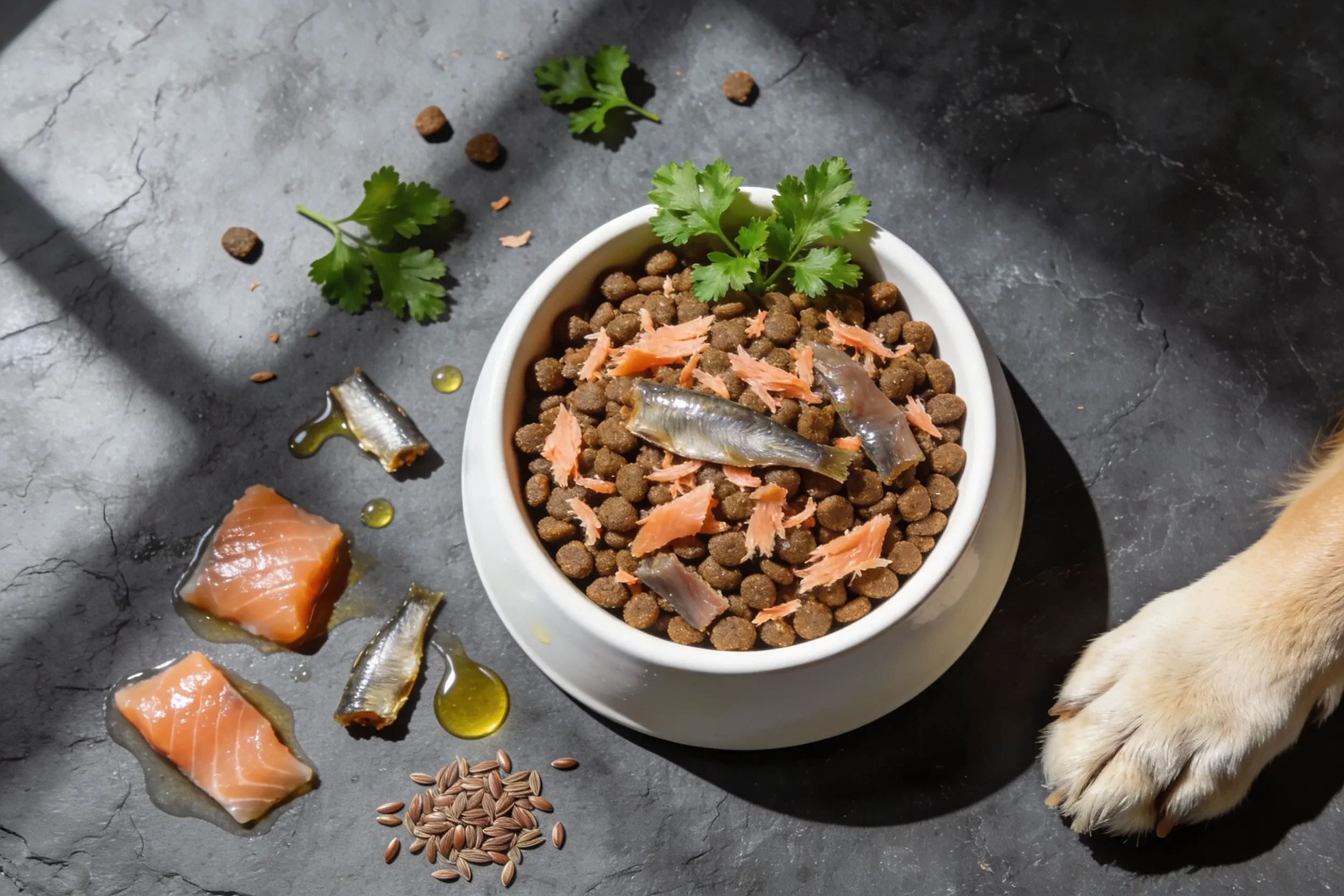
Allergy-Friendly Dog Food With Fish For Skin And Coat Health Made Simple
Your dog won’t stop scratching, the fur looks dull, and you’re starting to wonder if you live with a canine cactus. Good news: diet often plays the hero here. Many pups with skin issues thrive on fish-based, allergy-friendly formulas that soothe the itch and boost shine. Let’s talk fish, allergies, and how to feed your best bud like the glossy-coated legend they are.
Why Fish Works Wonders for Skin and Coat
Fish brings two heavy-hitting benefits to the bowl: protein that most dogs tolerate well and fats that calm cranky skin. Omega-3s (EPA and DHA) act like tiny firefighters that reduce inflammation. That means less scratching and fewer hot spots.
You also get a big upgrade in coat quality. Those essential fatty acids nourish hair follicles and help rebuild the skin barrier. Translation: your dog’s fur gets softer, shinier, and way less flaky. And yes, you might finally retire that lint roller army.
Top Fish Choices
- Salmon: Rich in omega-3s, great for sensitive skin, widely available.
- Whitefish (cod, haddock, pollock): Leaner option for pups that gain weight easily.
- Trout: Similar benefits to salmon, often gentler on stomachs.
- Sardine/Anchovy: Smaller fish with naturally lower mercury levels and excellent nutrient density.
Allergies vs. Sensitivities: What’s Actually Bugging Your Dog?
Here’s the kicker: most “allergies” people blame on grains actually come from proteins like chicken or beef. Dogs can develop sensitivities to common proteins over time. Fish gives you a new protein source that your dog’s immune system probably hasn’t flagged.
Allergy-friendly dog food usually means it avoids common triggers and cuts out filler ingredients. You want clear labels, minimal junk, and a single protein source. If a bag says “salmon” on the front but lists chicken fat halfway down the ingredients, hard pass.
Signs Your Dog Might Benefit from Fish-Based Food
- Frequent scratching, licking paws, or nibbling at the tail base
- Red, irritated skin or recurring hot spots
- Dull coat, dandruff, or musty skin smell that returns quickly after baths
- Soft stool or gassy belly after “normal” food
Reading Labels Like a Pro (Without Needing a PhD)
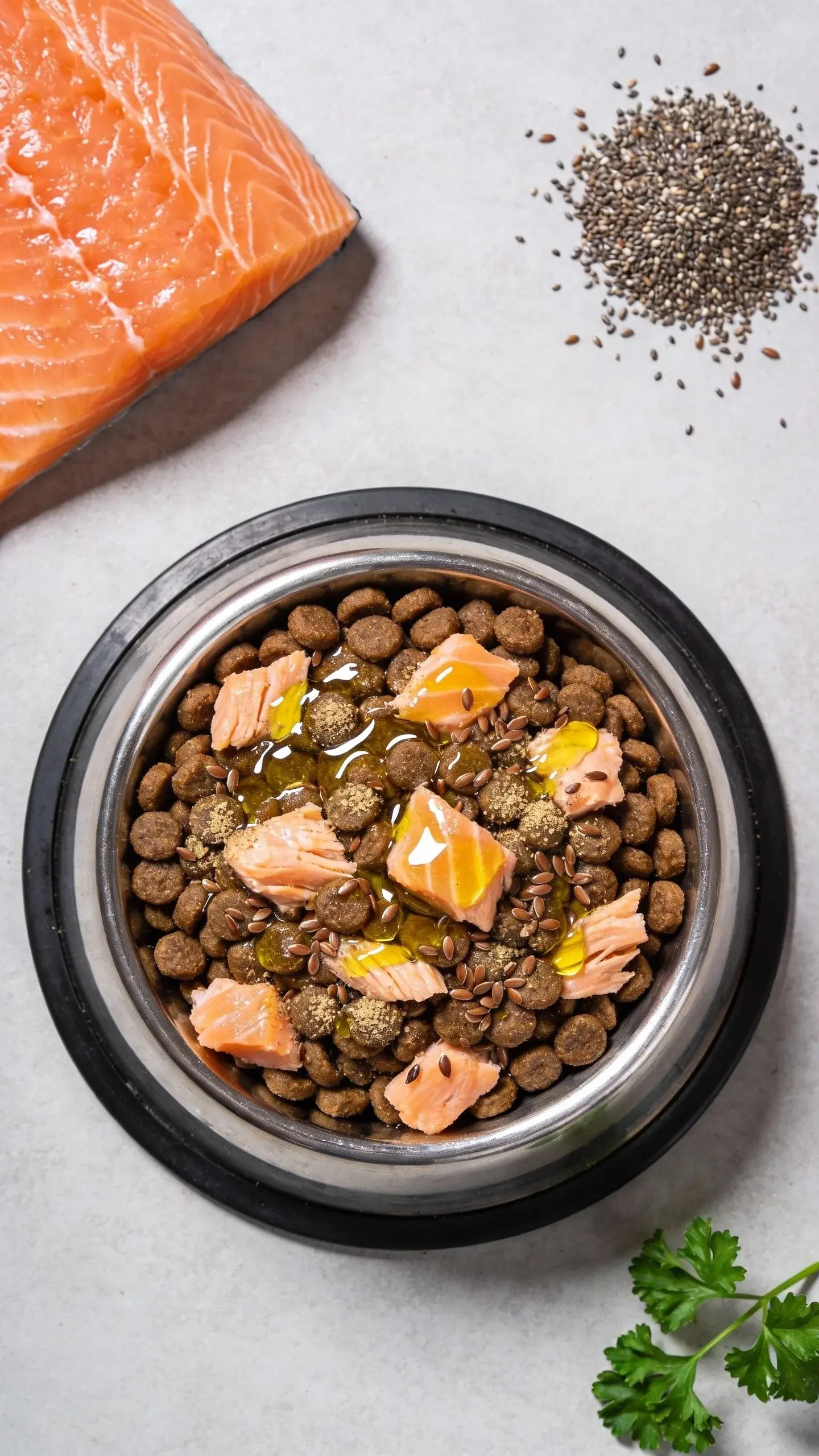
The front of the bag sells you the dream. The ingredient list tells the truth. You want clean, straightforward ingredients with fish at the top.
Look for:
- Single-source animal protein: Salmon, trout, or whitefish as ingredient #1.
- Named fats: Salmon oil or fish oil beats vague “animal fat.”
- Digestibility helpers: Prebiotics (chicory root), probiotics, pumpkin, or sweet potato.
- Added zinc, biotin, and vitamin E: Support skin barrier and coat health.
Skip or question:
- “Meat by-product” with no species listed (mystery meat is not a vibe)
- Long lists of artificial colors or flavors
- Chicken or beef sneaking in as “flavor” or fat source
- Excessive pea proteins or fillers that bump up protein numbers artificially
Dry vs. Wet vs. Fresh: Which Format Helps Skin Best?
You can get results with any format, but a few details matter more than texture. Hydration supports skin and digestion, so wet or fresh diets often help sensitive dogs. Kibble can work great if it uses high-quality fish and added fish oil.
Quick breakdown:
- Kibble: Convenient and budget-friendly. Choose one with real fish and added omega-3s.
- Wet food: Higher moisture, usually more palatable for picky eaters.
- Fresh/frozen: Often cleaner ingredient lists and higher omega retention. Pricey but effective.
What About Raw?
Raw fish can carry parasites, so most raw feeders use flash-frozen options or stick to cooked fish add-ins. If you try raw, work with a vet or nutritionist to balance the diet. IMO, lightly cooked fish offers similar benefits with fewer headaches.
Transitioning Without Tummy Drama
No one enjoys the surprise of midnight diarrhea because you rushed the switch. Transition slowly so your dog’s gut can adjust.
Easy 7–10 day plan:
- Days 1–3: 25% new food, 75% old food
- Days 4–6: 50/50
- Days 7–9: 75% new, 25% old
- Day 10: 100% new food
Add a spoon of plain pumpkin or a dog-safe probiotic to keep stools solid. If your pup gets itchy flare-ups early on, stay the course for 4–6 weeks. Skin needs time to chill.
Smart Add-Ons for Extra Shine
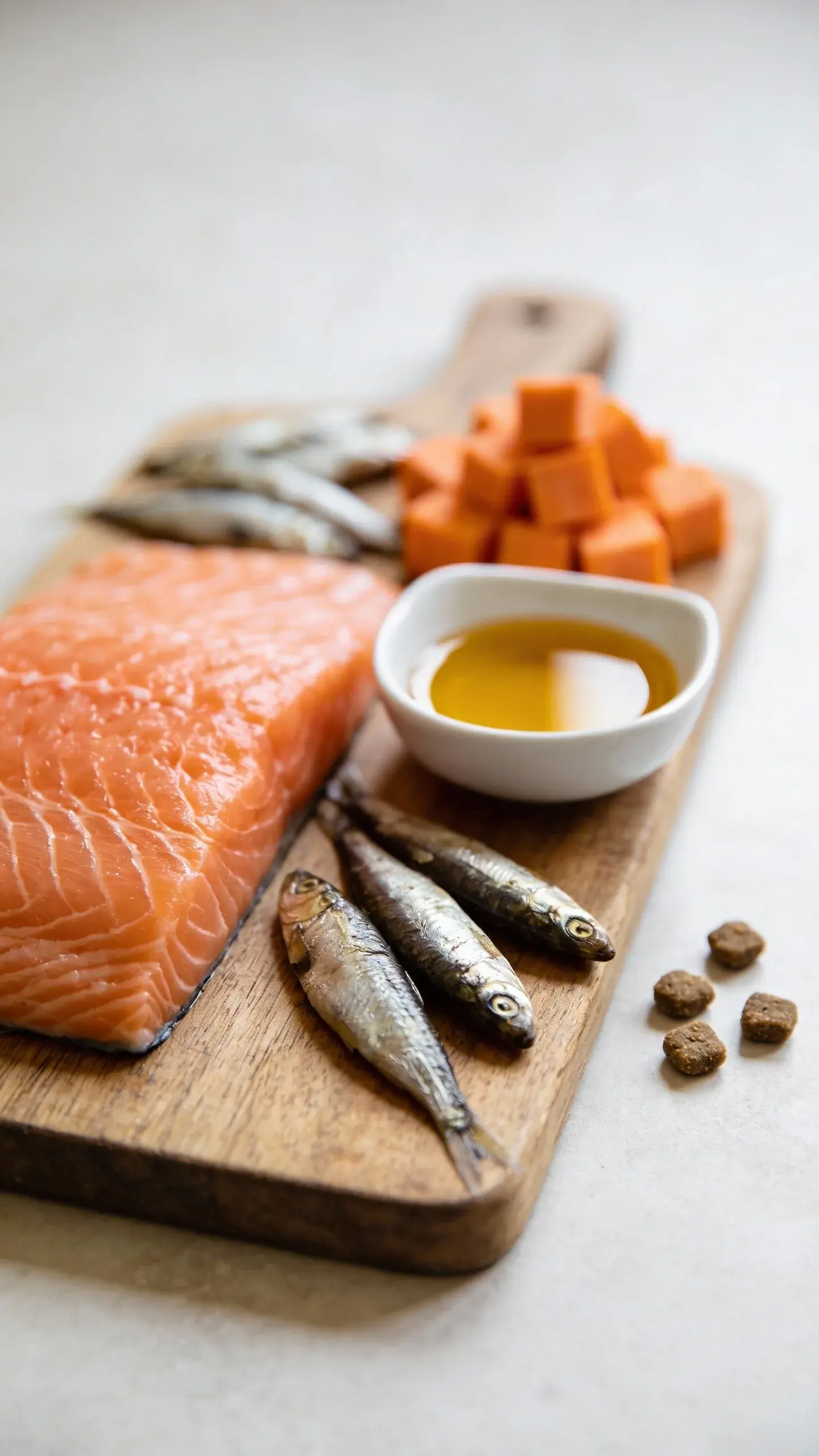
Supplements can turn “pretty good” results into “whoa, that glow.” Keep it simple and consistent.
- Fish oil (EPA/DHA): The MVP for inflammation and shine. Dose based on your dog’s weight per product guidance.
- Algal oil: Plant-based omega-3 option if you want to avoid fish entirely.
- Biotin + zinc: Supports hair growth and skin barrier. Many allergy-friendly foods include these.
- Probiotics: Gut health ties directly to skin health. FYI, consistency beats high doses.
DIY Toppers That Won’t Break the Diet
- Cooked salmon or sardines (in water, no salt, no oil)
- Mashed sweet potato for fiber and beta-carotene
- Blueberries for antioxidants (also cute when dogs chomp them)
Common Mistakes (So You Don’t Make Them)
- Buying “salmon-flavored” food: Flavor isn’t protein. You need real fish as the main ingredient.
- Not checking for chicken fat: Some sensitive dogs react even to fats derived from chicken.
- Switching too fast: Gut rebellion happens. Slow and steady wins.
- Expecting overnight magic: Give it 4–8 weeks for full coat transformation.
- Ignoring treats: One random chicken jerky can undo your careful plan. Keep treats fish-based or limited-ingredient.
How to Choose a Truly Allergy-Friendly Fish Formula
When you compare brands, keep a short checklist. Your dog’s skin will thank you, and your vacuum might finally get a day off.
Quick checklist:
- Single fish protein listed first
- No chicken, beef, dairy, or eggs if your dog reacts to them
- Added omega-3s from fish oil or algae
- Grain-free or grain-inclusive based on your dog’s needs (both can be allergy-friendly)
- Clear sourcing and transparent labeling
- AAFCO statement for your dog’s life stage
Grain-Free vs. Grain-Inclusive
Despite the hype, grains don’t automatically cause allergies. Many dogs digest oats, brown rice, or barley just fine. Focus on your dog’s actual triggers, not internet wars. IMO, pick the formula that keeps stools firm and the itch away.
FAQ
How long until I see improvements in my dog’s skin and coat?
Most dogs show less itching within 2–3 weeks, with bigger coat changes by 6–8 weeks. Nails and coat texture take time because they grow slowly. Stick with the plan and take weekly photos to track progress.
Can I use fish oil instead of switching foods?
You can, and many dogs benefit from a quality fish oil. But if your dog reacts to a protein in their current food, oil alone won’t fix that. Best results usually come from a fish-based formula plus a proper omega-3 boost.
What if my dog is allergic to fish?
It happens, but it’s less common than chicken or beef allergies. If fish triggers symptoms, try a novel protein like duck, venison, or rabbit, or a hydrolyzed protein diet your vet recommends. The goal stays the same: reduce inflammation and avoid known triggers.
Will fish food make my dog’s breath smell fishy?
Maybe a little, especially right after meals. Choose foods with clean fish sources and add dental chews or brush regularly. That solves 90% of fish-breath drama.
Is canned fish safe as a topper?
Yes, if you pick low-sodium options packed in water, like sardines or salmon. Avoid added seasonings, onions, or garlic. Start with small amounts to avoid tummy upsets.
Do I need a vet’s approval before switching?
If your dog has severe allergies, chronic ear infections, or GI issues, loop in your vet. They can help you choose between a limited-ingredient, novel protein, or hydrolyzed diet. Otherwise, a careful transition to a high-quality fish formula works fine for most dogs.
Conclusion
Fish-based, allergy-friendly dog food can calm itchy skin, boost coat shine, and make your dog look like they walked out of a shampoo commercial. Focus on a single, real fish protein, clean labels, and steady omega-3s. Transition slowly, keep treats consistent, and give it time. Your dog gets comfy skin, you get fewer vet visits and vacuum sessions. Everyone wins.

I’ve spent 10+ years in dog training, digging into what makes dogs (and their humans) tick. At Smart Dog Learning, I share my no-nonsense, fun approach to training so you can enjoy life with a well-behaved, happy pup—no boring lectures, just practical results 😉