

How to Make a Calming Dog Spray with Chamomile & Lavender
Your dog melts into a puddle of worry at every thunder rumble, doorbell ding, or Tuesday afternoon breeze? You’re not alone. Instead of white-knuckling through every meltdown, let’s make a soothing, dog-safe spray with chamomile and lavender that you can spritz on beds, collars, and blankets. It’s simple, affordable, and smells like a spa day for canines. Ready to brew calm?
Why a DIY Calming Spray Works (and When to Use It)
Let’s set expectations: a calming spray won’t transform a nervous Nellie into a Zen master overnight. But it can take the edge off and help your dog relax faster. Think of it like background music—nice on its own, powerful when combined with training.
Use your calming spray:
- Before stress triggers: vet visits, travel, fireworks, grooming.
- During training: pair with calm behaviors and rewards.
- For bedtime routines: spritz the bed or crate to signal chill time.
Small steps, consistent use, and some patience can work wonders. FYI: if your dog’s anxiety looks serious (destructive behavior, nonstop pacing, heavy panting), talk to your vet too.
Ingredients That Actually Help: Chamomile & Lavender

Chamomile and lavender bring the calm without the drama. The trick? Use them correctly.
Chamomile: The Gentle Comfort
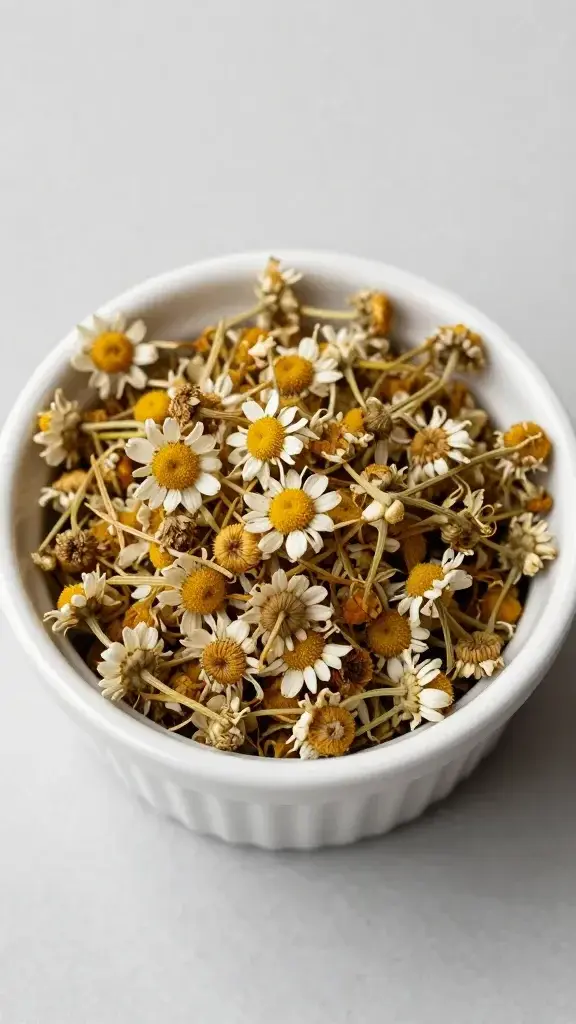
Chamomile has a light, apple-like scent and a soothing effect. You can use:
- Strong chamomile tea: easy and gentle for most dogs.
- Chamomile tincture (alcohol-free): potent, but use sparingly.
Chamomile works beautifully for general relaxation and mild nerves. It’s also kind to sensitive noses.
Lavender: The Chill Superstar
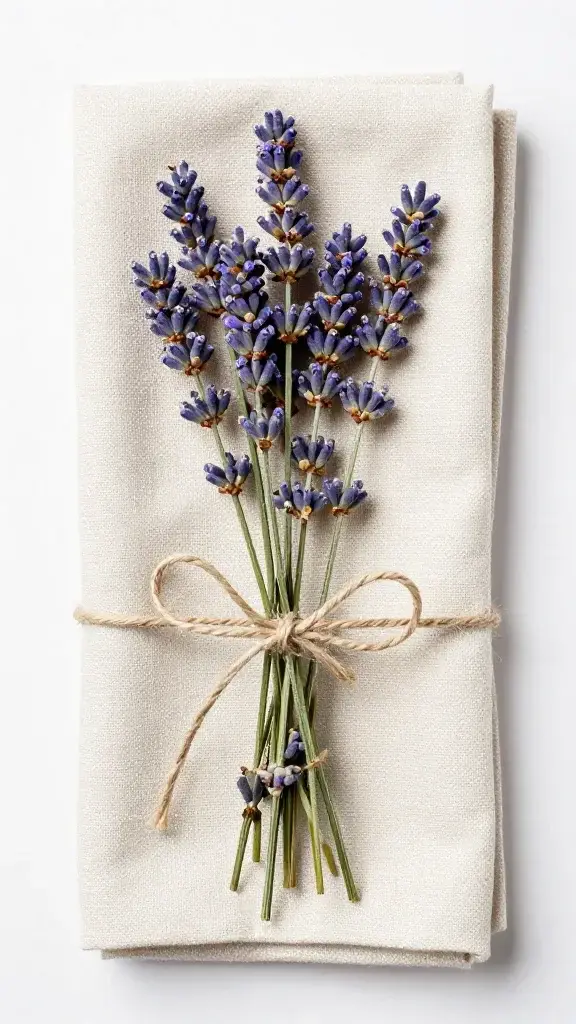
Lavender helps with stress and restlessness. But listen closely: never use undiluted essential oils on pets. Dogs have super noses and can get overwhelmed fast.
- Lavender hydrosol (aka floral water): pet-safe, already diluted, perfect for sprays.
- Lavender essential oil: use only a teeny amount, properly diluted (more on that below).
IMO, hydrosol makes life easier and safer for beginners.
What You’ll Need (Simple, Promise)
Gather these items and you’re halfway done:
- 1 clean 4–8 oz spray bottle (glass or PET plastic)
- Distilled water (prevents funky growth)
- Lavender hydrosol or lavender essential oil
- Chamomile tea (2–3 bags) or chamomile hydrosol
- Optional: preservative like potassium sorbate or Leucidal if you want it to last longer
- Optional: solubilizer (Polysorbate 20) if you use essential oils
- Funnel, spoon, label (yes, label it—future you will forget what’s in the bottle)
No solubilizer? Stick with hydrosols and tea. They blend easily and stay gentle.
Two Easy Recipes (Pick Your Comfort Level)
Choose your adventure. One is ultra-simple, the other gives you more control over scent.
Recipe A: Super-Gentle Hydrosol + Tea Blend
This one smells delicate and works well for daily use.
- Brew strong chamomile tea: steep 2–3 tea bags in 1 cup hot water for 10 minutes. Cool completely.
- Mix your base: add 1/2 cup chamomile tea + 1/2 cup lavender hydrosol to your spray bottle.
- Top off with distilled water if needed to fill your bottle.
- Optional preservative: add per the label instructions to extend shelf life. Without it, store in the fridge and use within 1–2 weeks.
- Shake gently and label your bottle.
Smell test: if it’s too floral, add a bit more water.
Recipe B: Essential Oil (Ultra-Low Dose) + Water
Use this only if you have a solubilizer and you’re comfortable measuring tiny amounts.
- Add solubilizer: In a small cup, mix 3–5 drops lavender essential oil with 1/2–1 tsp Polysorbate 20 until clear.
- Combine with base: pour into your spray bottle and fill with 4–8 oz distilled water.
- Optional: add 1/4–1/2 cup chamomile tea for extra softness (reduce water accordingly).
- Shake well and label.
Keep EO concentration extremely low (roughly 0.05–0.1%). Dogs smell everything times a thousand. Less is more—seriously.
How to Use It Without Annoying Your Dog
Dogs hate surprise spritzes to the face. Fair. Here’s the calmer approach:
- Spray items, not dogs: beds, blankets, bandanas, crates, car seats.
- Let it dry for a minute before your dog snuggles in.
- Start small: 1–2 spritzes, then see how your dog reacts.
- Associate with positives: pair the scent with treats, chews, or quiet time.
You can also mist your hands lightly and smooth them over your dog’s back—if they seem into it. If they sneeze, walk away, or avoid the area, back off and dilute more.
Timing Tips That Make a Difference
Use it 10–15 minutes before the stressful event. For fireworks or storms, spritz a cozy space in advance and add white noise. For car rides, spray the seat or travel crate and combine with a frozen lick mat. For bedtime, build a routine: dim lights, calm voice, spritz, cuddle, done.
Safety First: What Not to Do
Let’s keep noses happy and vets unbothered:
- Do not spray near face or directly into fur. Think “environmental scent,” not perfume.
- Avoid undiluted essential oils, diffusers blasting the whole house, or heavy fragrances.
- Skip if your dog has asthma, seizures, or respiratory issues unless your vet says yes.
- Watch for sensitivities: sneezing, rubbing the face, leaving the room, or skin redness means stop and dilute more.
- Keep it away from cats if you use essential oils. Cats process them differently—nope, not the same rules.
- Patch test the scent: spritz a blanket and offer it—let your dog choose. Consent matters, even with smells.
FYI: hydrosols and teas usually cause fewer issues than essential oils. They’re my go-to.
Make It Last: Storage, Shelf Life, and Labeling
Water-based sprays grow stuff if you ignore them. Don’t.
- Fridge it if your spray includes tea and no preservative; use within 1–2 weeks.
- With a preservative, room temp is okay for 2–3 months. Follow the preservative’s instructions for dosing.
- Keep it out of sunlight and heat—light degrades botanicals fast.
- Label everything: ingredients and date. Future you will thank you.
If it smells funky or looks cloudy (and not just from the solubilizer), toss and remake. It costs pennies.
Level-Up Add-Ins (Optional, But Fun)
Want to customize? Keep it simple and safe:
- Valerian tea: strong scent, but calming for some dogs. Use sparingly; it can smell like gym socks.
- Rose hydrosol: softens the scent profile and adds a gentle floral note.
- Glycerin (1–2%): adds slip if you plan to hand-smooth over fur; don’t overdo it.
Avoid citrus oils, tea tree, eucalyptus, or anything “energizing.” Wrong vibe for a chill spray, and many aren’t pet-friendly.
Pair It With Training for Best Results
A calm spray helps, but behavior training seals the deal.
- Desensitization: play thunder/firework sounds at low volume while your dog relaxes in the spritzed bed; pair with treats.
- Counterconditioning: every time the doorbell rings, toss treats on the sprayed mat.
- Relaxation protocol: teach “settle” on a mat; use your calming scent as a cue.
Smell becomes part of the routine—like a signal that says, “Hey buddy, we chill now.”
FAQ
Can I spray this directly on my dog?
You can mist your hands and lightly stroke their back if your dog likes it, but I recommend spraying bedding, bandanas, or crates instead. Dogs dislike sudden sprays and can inhale droplets. Keep it environmental and gentle.
Is lavender safe for dogs?
In low concentrations and used properly, yes. Stick to hydrosols or very diluted essential oil with a solubilizer. Never use undiluted oils, and stop immediately if your dog shows any discomfort. When in doubt, ask your vet.
What if my dog has allergies or sensitive skin?
Go extra mild: use chamomile tea + distilled water only, or a chamomile hydrosol. Patch test by offering a sprayed blanket and watching their reaction. Redness, excessive sneezing, or avoidance means you should dilute more or skip it.
How often can I use the spray?
1–3 times a day works for most dogs, especially around stressful events. Keep the amount light and consistent rather than heavy and occasional. If your dog seems bothered, reduce frequency.
Can I use this around cats too?
If you’re using hydrosols and teas only, you’re generally fine around cats. If your spray includes essential oils, keep it away from cats entirely. Their livers don’t process many essential oil compounds well.
Will it fix separation anxiety?
A spray won’t fix deep-seated anxiety alone. It can help your dog settle, but you’ll need a training plan: gradual departures, enrichment, and possibly vet support. Think of the spray as the ambiance, not the therapy.
Wrap-Up: Calm in a Bottle (Almost)
You don’t need a pricey product to give your dog a little peace. With chamomile, lavender, and a few smart steps, you can craft a safe, soothing spray that fits right into your routine. Keep it light, watch your dog’s cues, and pair it with training. IMO, that combo turns chaos into cozy a whole lot faster.
Printable Recipe Card
Want just the essential recipe details without scrolling through the article? Get our printable recipe card with just the ingredients and instructions.

I’ve spent 10+ years in dog training, digging into what makes dogs (and their humans) tick. At Smart Dog Learning, I share my no-nonsense, fun approach to training so you can enjoy life with a well-behaved, happy pup—no boring lectures, just practical results 😉