How to Make Toothpaste for Dogs with Baking Soda & Parsley
Dog breath got you leaning back like you’re dodging a dodgeball? You’re not alone. The good news: you can make a simple, safe toothpaste at home with baking soda and parsley that actually helps. It’s cheap, quick, and your pup won’t roll their eyes at the taste (probably). Grab a bowl, a spoon, and some green stuff—let’s clean those chompers.
Why DIY Dog Toothpaste Beats Store-Bought (Sometimes)
Store-bought dog toothpaste works great, but not every pup vibes with the flavors or ingredients. DIY lets you control exactly what goes in your dog’s mouth. If your dog has sensitive gums, allergies, or you just like keeping things simple, this route makes sense.
Also, you can make small batches so it stays fresh. You avoid weird fillers and save money. And IMO, anything that gets you to brush your dog’s teeth more often counts as a win.
The Simple Formula: Baking Soda + Parsley
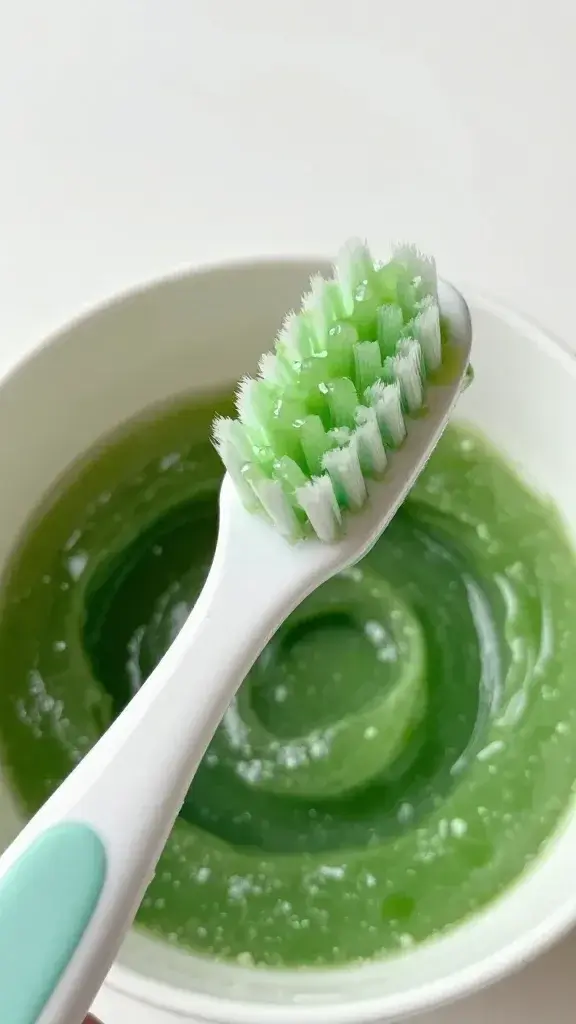
Let’s talk about the stars of the show.
Baking soda (sodium bicarbonate): It gently scrubs plaque and neutralizes odors. Dogs don’t swallow much of it if you use a tiny amount and rinse/ wipe afterward.
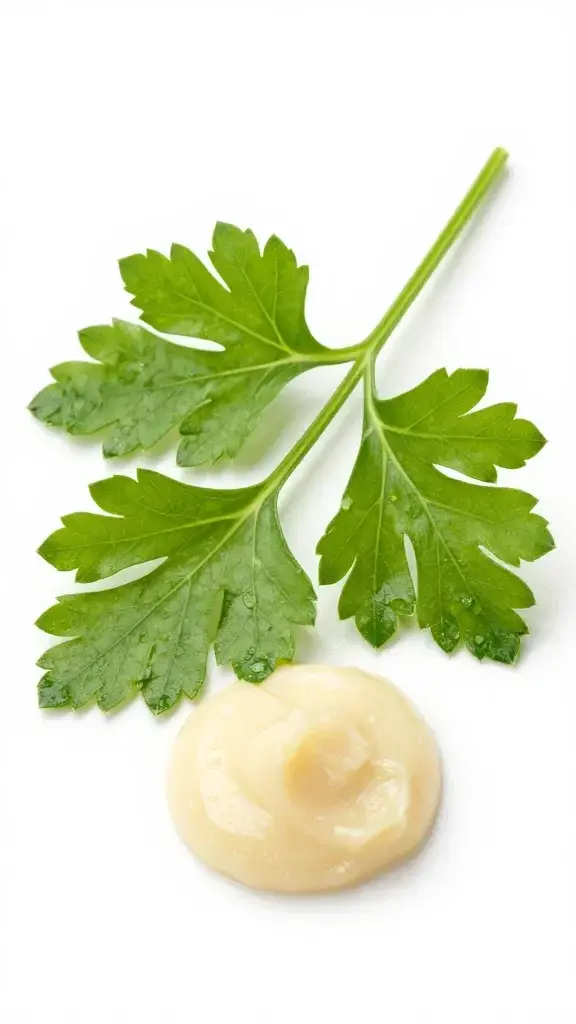
Parsley: This leafy hero helps freshen breath. It offers a mild antimicrobial boost and a lot of chlorophyll, which can help with odors. Curly or flat-leaf works.
Important note: You’re not making minty human paste here. Human toothpaste can contain xylitol and fluoride—both dangerous for dogs. So keep human paste far, far away from the dog bowl, FYI.
What You’ll Need
You won’t need a lab coat or a stand mixer. Just:
- 1 teaspoon baking soda
- 1 tablespoon finely chopped fresh parsley (or 1 teaspoon dried)
- 2–3 teaspoons liquid to thin (choose one: water, low-sodium chicken broth, or coconut oil)
- Optional add-ins: 1 teaspoon plain unsweetened yogurt, a pinch of turmeric, or a drop of dog-safe fish oil
- Small bowl and spoon
- Dog toothbrush or finger brush (a soft kids’ brush works in a pinch)
- Clean cloth or gauze for wiping
Quick safety check: No xylitol, no essential oils, and nothing sweetened. If your dog has kidney, heart, or GI issues, ask your vet before trying a new dental routine.
Step-by-Step: Mix, Brush, Reward
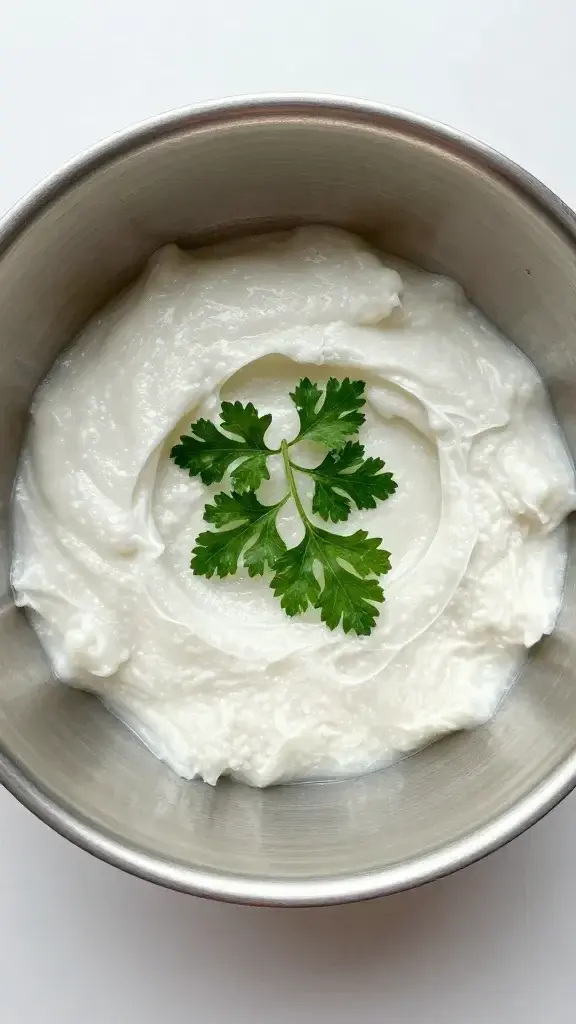
Okay, let’s build this. It takes like five minutes.
- Chop the parsley. Go fine. Think confetti. You want it to blend in, not drape off the toothbrush like a salad.
- Combine baking soda + parsley. Start with 1 tsp baking soda and 1 tbsp parsley in a small bowl.
- Add your liquid. Stir in 2 tsp water or broth, or 2 tsp softened coconut oil. Aim for a spreadable paste.
- Optional upgrades. A teaspoon of yogurt can make it creamier and more enticing. A pinch of turmeric adds anti-inflammatory vibes (and a yellow tint—don’t panic). One drop of fish oil? Chef’s kiss for flavor.
- Test a tiny taste. Let your dog lick a dab from your finger. If they approve, you’re golden.
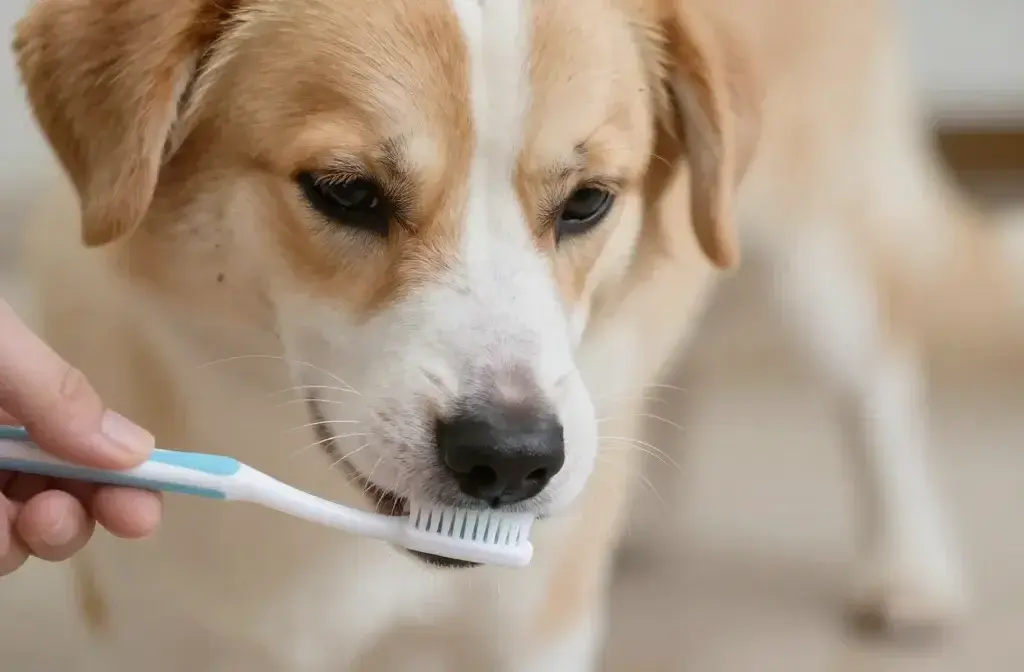
- Brush gently. Lift the lip and brush in small circles along the gumline. Focus on the outer surfaces—those collect the most plaque.
- Wipe and praise. Use a damp cloth to wipe away excess paste. Then go overboard with praise and a small treat.
Pro tip: Keep the brushing low-drama. Short sessions beat wrestling matches. Aim for 30–60 seconds per session at first.
The Right Ratios and Variations
You can tweak the recipe based on your dog’s preferences.
Gentle Gums Version
If your dog’s gums bleed easily or they’re new to brushing:
- 1/2 teaspoon baking soda
- 1 tablespoon parsley
- 2–3 teaspoons water or coconut oil
Less abrasive, more soothing.
Flavor-Forward Version
Got a picky taste tester?
- 1 teaspoon baking soda
- 1 teaspoon dried parsley
- 2 teaspoons low-sodium chicken broth
- 1 teaspoon plain unsweetened yogurt
Dogs love broth. Yogurt keeps it from being too runny.
Storage and Shelf Life
Use fresh, small batches. This isn’t a long-term fridge item. Fresh parsley + moisture = meh after a day or two.
- Water-based paste: Use within 24–48 hours, store covered in the fridge.
- Coconut oil base: Keeps 3–5 days in the fridge because oil resists spoilage better.
If it smells off or looks weird, toss it. Don’t be a hero.
How Often Should You Brush?
Daily brushing wins. If that sounds like a fever dream, aim for 3–4 times per week. Consistency beats intensity.
Why it matters: Plaque hardens into tartar in about 48–72 hours. Once tartar sets, only a pro dental cleaning removes it. Your mission: disrupt plaque before it hardens.
Shortcuts for Busy Humans
No time to brush today? Try:
- Wipe teeth with a gauze pad dipped in your paste.
- Let your dog lick a tiny dab off a chew toy, then brush tomorrow.
- Pair brushing with a nightly routine—after dinner walk, before couch time.
Is that perfect? No. But we’re here for progress, not perfection.
Safety Tips You Actually Need
I know, rules. But these matter.
- Don’t overdo baking soda. It’s safe in tiny amounts for brushing, but not for snacking. Use a pea-sized amount per session for small dogs, dime-sized for large.
- Avoid essential oils and strong herbs. Peppermint oil and tea tree oil can harm dogs. If in doubt, skip it.
- Skip salt, sweeteners, and alcohol. Sounds obvious, but I’ve seen things.
- Watch for signs of irritation. Red gums, drooling, or pawing at the mouth? Stop and talk to your vet.
- Don’t ignore bad breath that won’t quit. Persistent stink can signal gum disease, infection, or GI issues.
When to Call the Vet
If you see:
- Brown tartar bands along the gumline
- Loose or chipped teeth
- Bleeding that doesn’t stop after a day or two of gentle brushing
- Dropping food, avoiding chew toys, or pawing at the face
That’s pro territory. DIY can maintain dental health, but it can’t fix advanced disease, IMO.
Make Brushing a Game (Because Dogs Love Fun)
You can sell your dog on this. Here’s how:
- Go slow. Start by letting them lick the brush and paste for a few days. Then add a couple of gentle swipes.
- Mark the moment. Use a cheerful “brush time!” cue and reward after. Routine makes it predictable.
- Use high-value rewards. A tiny bit of cooked chicken or a favorite chew right after brushing makes it worth it.
- Pick your battles. Tackle the upper molars and canines first—they collect the most gunk.
And yes, baby talk helps. Don’t @ me.
FAQs
Is baking soda safe for dogs in toothpaste?
Yes, in very small amounts for brushing, not eating. You’re using a pea- to dime-sized smear and wiping excess. Don’t let your dog lick tablespoons of the stuff. If your dog has kidney or sodium-restricted issues, check with your vet first.
Can I use dried parsley instead of fresh?
Absolutely. Dried parsley works fine and lasts longer in the pantry. Use about one-third the amount (it’s more concentrated). Rehydrate it in a few drops of warm water for a minute to soften the texture.
What if my dog hates the taste?
Switch the liquid to low-sodium chicken or beef broth. Add a dab of plain yogurt or a drop of fish oil to boost the flavor. Start by letting them lick the paste off the brush for a week, then gradually introduce brushing. Bribery—sorry, “positive reinforcement”—works.
How long should I brush each time?
Shoot for 1–2 minutes total, but start smaller. Thirty seconds beats nothing, every time. Focus on the outer surfaces of the back teeth and canines—those zones make the biggest difference.
Can this replace professional dental cleanings?
Nope. It helps prevent plaque and freshen breath, but it won’t remove hardened tartar. Your vet still handles deep cleanings when needed. DIY paste + regular brushing can reduce how often you need pro cleanings, which your wallet will appreciate, FYI.
Is coconut oil necessary?
Not at all. It just makes a thicker, tastier paste and can help some dogs accept brushing. Water or broth works fine if you’d rather keep things lean and simple.
Conclusion
You don’t need a fancy tube or a minty lab experiment to keep your dog’s teeth clean. A little baking soda, a handful of parsley, and a few minutes a day can seriously upgrade your pup’s breath and oral health. Keep batches small, brush gently, and make it a routine your dog enjoys. Do that, and you’ll both smile more—yes, even your dog.

I’ve spent 10+ years in dog training, digging into what makes dogs (and their humans) tick. At Smart Dog Learning, I share my no-nonsense, fun approach to training so you can enjoy life with a well-behaved, happy pup—no boring lectures, just practical results 😉