
How to Make Homemade Dog Deodorizing Spray with Baking Soda & Lavender
Your dog smells… like love, sunshine, and a suspicious hint of swamp. You want cuddles, not eau de wet fur. Luckily, you can make a simple deodorizing spray at home that freshens your pup without weird chemicals or mystery ingredients. It takes five minutes, costs pennies, and smells like a peaceful lavender nap. Let’s do this.
Why Make Your Own Dog Deodorizing Spray?
You know those store-bought sprays that claim “fresh meadow” vibes? Half the time they smell like a perfume counter crashed into a flower shop. Plus, many contain synthetic fragrances your dog doesn’t need anywhere near their nose.
With a homemade spray, you control everything. No alcohol, no dyes, no fake smells. Just safe, simple ingredients. And IMO, it works just as well—if not better—than the fancy stuff.
The Simple Ingredient Lineup
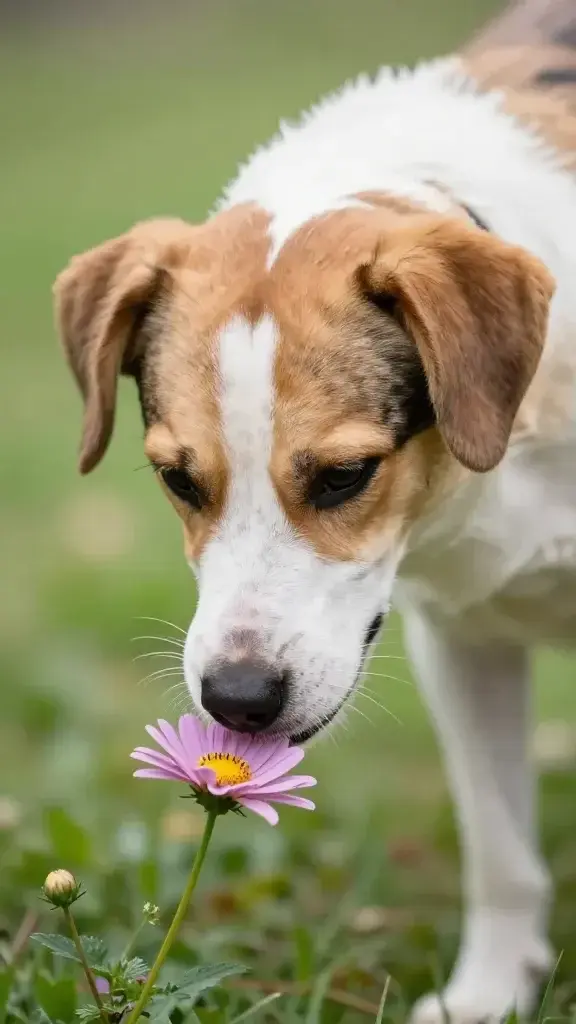
We’re keeping it minimal, because your dog doesn’t need a spa routine—just a freshening boost.
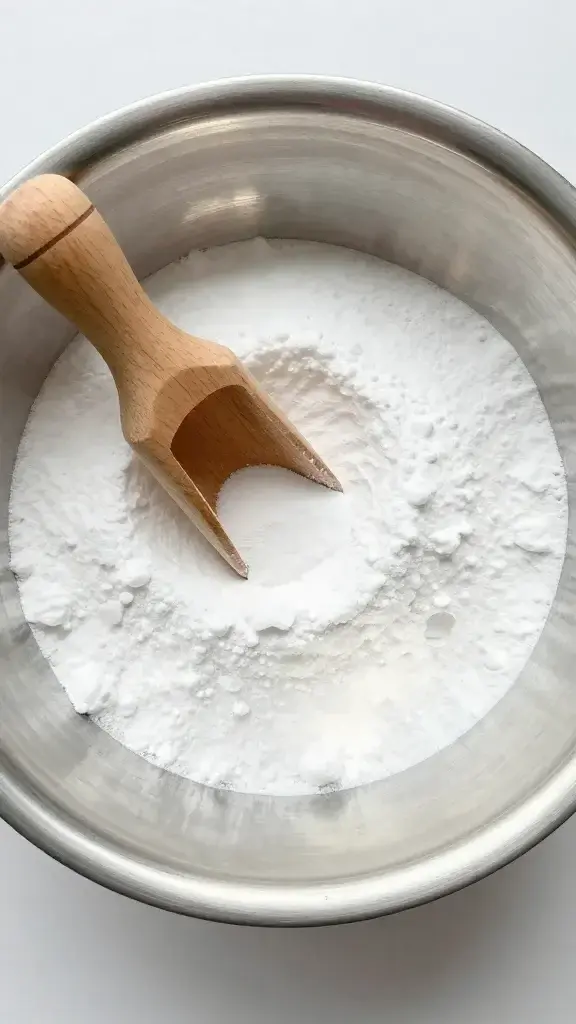
- Baking soda (sodium bicarbonate): Neutralizes odors without covering them up.
- Distilled water: Reduces mineral buildup and keeps the spray fresher.
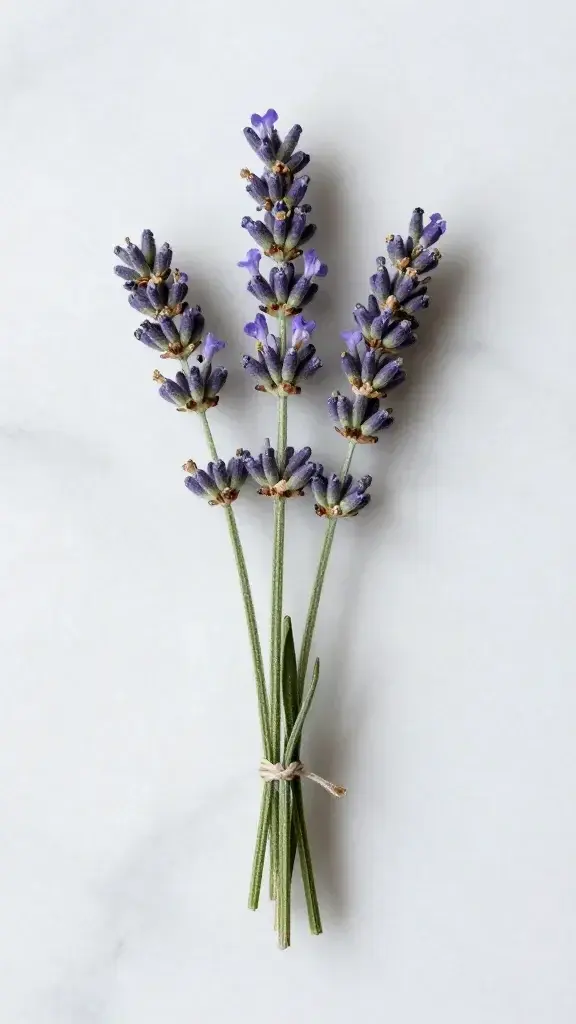
- Lavender essential oil: Pleasant scent, and many dogs tolerate it well in low amounts.
- Optional: Aloe vera juice or witch hazel (alcohol-free): Helps the scent disperse and can soothe skin. Use only if your dog tolerates it.
- Optional: Vegetable glycerin: Adds mild conditioning and helps bind scent.
Important: Essential oils can irritate pets if you overdo it. Use very small amounts and always avoid the face. If your dog has allergies, sensitive skin, or is pregnant, talk to your vet first.
Exact Recipe: Dog-Safe Deodorizing Spray
This makes about 8 ounces (240 ml), which fits a small spray bottle.
Ingredients
- 1 cup (240 ml) distilled water
- 1 teaspoon baking soda
- 2–3 drops lavender essential oil (true lavender, Lavandula angustifolia)
- Optional: 1 tablespoon aloe vera juice or alcohol-free witch hazel
- Optional: 1/2 teaspoon vegetable glycerin
Instructions
- Add the baking soda to your clean spray bottle.
- Pour in the distilled water. Swirl or shake until dissolved.
- Add 2–3 drops of lavender oil. Do not exceed this; more is not better with pets.
- Optional: Add aloe/witch hazel and glycerin, then shake again.
- Label the bottle. Store at room temp, away from sunlight.
FYI: The baking soda will settle over time. Shake before every use to re-disperse it.
How to Use It Without Annoying Your Dog
You want your dog to tolerate this and not sprint under the couch at first spritz.
Patch Test First
Spray a tiny amount on a small area of your dog’s back. Wait 24 hours. If you see redness, itching, or any irritation, skip the spray and rinse the area with water.
Proper Spritz Technique
- Take your dog outside or to a ventilated area.
- Lightly mist the coat from the neck back. Avoid face, eyes, nose, mouth, and genitals.
- Use your hands to ruffle the fur and distribute the spray.
- Let it air dry. No rinsing needed.
Frequency: 2–3 times per week max, or as needed. If your dog rolls in something unspeakable (looking at you, goose poop), do a proper bath first.
Baking Soda + Lavender: Why This Combo Works
Baking soda doesn’t just cover odor; it neutralizes acid and base compounds that cause stink. It’s mild, cheap, and safe in small amounts on fur.
Lavender brings a light, clean scent. It’s not overwhelmingly floral, and it tends to sit well with most people. Use only a drop or two, though—the dog’s nose is way more sensitive than yours. Think “whisper of lavender,” not “lavender punch to the face.”
Safety Notes on Essential Oils
- Stick to Lavandula angustifolia (true lavender). Avoid blends or “fragrance oils.”
- Do not use on puppies under 10–12 weeks, pregnant dogs, or dogs with respiratory issues unless your vet says yes.
- Never apply essential oils undiluted to skin or paws.
- If your dog licks excessively after spraying, rinse with water and reduce the amount next time.
Troubleshooting: When the Spray Doesn’t Seem to Work
Sometimes the stink fights back. Don’t panic—tweak the formula and routine.
Common Fixes
- Smell returns quickly: Your dog needs a bath. Use a gentle dog shampoo and fully dry the coat.
- Spray separates fast: Totally normal. Shake before each use.
- Skin seems dry: Add 1/2 teaspoon glycerin or skip the witch hazel.
- Dog hates the spray sound: Spritz the product into your hands and rub it into the coat.
- Still funky? Check ears, teeth, and skin folds. Odor can signal an infection or dental issue. If in doubt, call the vet.
Make It Last: Storage, Shelf Life, and Hygiene
Homemade products don’t have preservatives. That’s fine—just make smaller batches and refresh as needed.
- Shelf life: 2–3 weeks at room temperature; up to 4 weeks in the fridge.
- Smell check: If it smells “off” or changes color, toss it and make a new batch.
- Clean your bottle: Rinse with hot water and a little dish soap between refills. Let it dry fully.
- Label: Write the date and ingredients on the bottle. Future you will thank you.
Variations You Can Try (Carefully)
Not every dog vibes with lavender. Here are mild alternatives, but always test slowly.
- Chamomile hydrosol: Swap part of the water with chamomile hydrosol for a soft, apple-like scent.
- Rose hydrosol: Light floral note without essential oils. Great for sensitive pups.
- No scent version: Skip lavender entirely. Baking soda alone reduces odor nicely.
- Light coat conditioning: Add 1/4 teaspoon argan or fractionated coconut oil. Shake well and use sparingly to avoid greasiness.
IMO: Hydrosols give you a gentle scent with less risk than essential oils. If your dog has sensitive skin, start there.
Grooming Habits That Keep the Funk Away
A spray helps, but a good routine keeps your dog fresh long-term.
- Brush regularly: Remove dead hair and distribute natural oils. Matted fur holds stink.
- Dry after wet adventures: Damp fur breeds odors. Towel thoroughly and use a blow dryer on cool if needed.
- Clean bedding weekly: Hot wash, high heat dry. Otherwise, you’re just reapplying Eau de Dog Bed.
- Check diet: Sometimes skin and coat smells reflect what’s in the bowl. Your vet can help here.
- Ear and tooth care: Two major smell factories. Clean ears as directed by your vet and brush those chompers.
FAQ
Is lavender safe for dogs?
In very small, properly diluted amounts, many dogs tolerate true lavender (Lavandula angustifolia). Keep it away from the face, avoid use on puppies and pregnant dogs, and watch for any irritation or behavior changes. If you’re unsure, use a no-scent version with just baking soda and water.
Can I use this spray on cats too?
Skip the essential oils for cats. Their bodies process compounds differently, and many oils can cause issues. If you want a cat-safe freshener, use plain distilled water with a pinch of baking soda and test carefully, or try a pet-safe hydrosol with your vet’s approval.
Will this replace baths?
Nope. It’s a helpful between-baths refresher, not a total replacement. If your dog rolled in something awful or smells strongly, do a proper bath with dog shampoo and rinse thoroughly.
What if my dog licks the spray?
A couple of licks won’t usually cause problems with this low concentration, but don’t let them go to town on it. If your dog keeps licking the area, rinse with water and reduce the amount next time. Contact your vet if you notice vomiting, drooling, or lethargy.
Can I add more drops of lavender for a stronger smell?
Resist the urge. Your dog’s nose is way more sensitive than yours. More drops increase the risk of irritation and discomfort. If you want a stronger scent, try hydrosols or a second very light mist—not more essential oil.
Why use distilled water?
Distilled water reduces mineral buildup, which helps your spray last a bit longer and keeps the nozzle from clogging. Tap water can work in a pinch, but you may see separation or cloudiness faster.
Conclusion
You don’t need a fancy label to get a fresh-smelling dog—just a bottle, a spoonful of baking soda, and a couple drops of lavender. Keep the formula simple, go light on the scent, and use it as a quick refresh between baths. With a little shaking and a few spritzes, your pup can smell like “clean dog” instead of “mystery swamp.” Your couch (and your nose) will thank you.
Printable Recipe Card
Want just the essential recipe details without scrolling through the article? Get our printable recipe card with just the ingredients and instructions.

I’ve spent 10+ years in dog training, digging into what makes dogs (and their humans) tick. At Smart Dog Learning, I share my no-nonsense, fun approach to training so you can enjoy life with a well-behaved, happy pup—no boring lectures, just practical results 😉