
How to Make a Natural Flea Spray for Dogs with Apple Cider Vinegar & Lemon
Fleas don’t pay rent, yet they treat your dog like an all-you-can-eat buffet. If you want to fight back without dousing your pup in chemicals, you’re in the right spot. Apple cider vinegar and lemon can help you make a simple, fresh-smelling spray that supports a flea-free life. It won’t replace your vet’s advice, but it can give you a gentle, budget-friendly boost.
Why Go Natural in the First Place?
Conventional flea products work, but they can smell harsh and cost a small fortune. Natural sprays give you control over ingredients and keep things gentle. Plus, you probably already have most of what you need in your kitchen.
Do natural options solve everything? Nope. You’ll get best results when you combine a natural spray with basic flea control habits like cleaning, regular grooming, and yard maintenance. Think of this spray as a supportive sidekick, not a lone superhero.
How ACV and Lemon Help (Without the Hype)
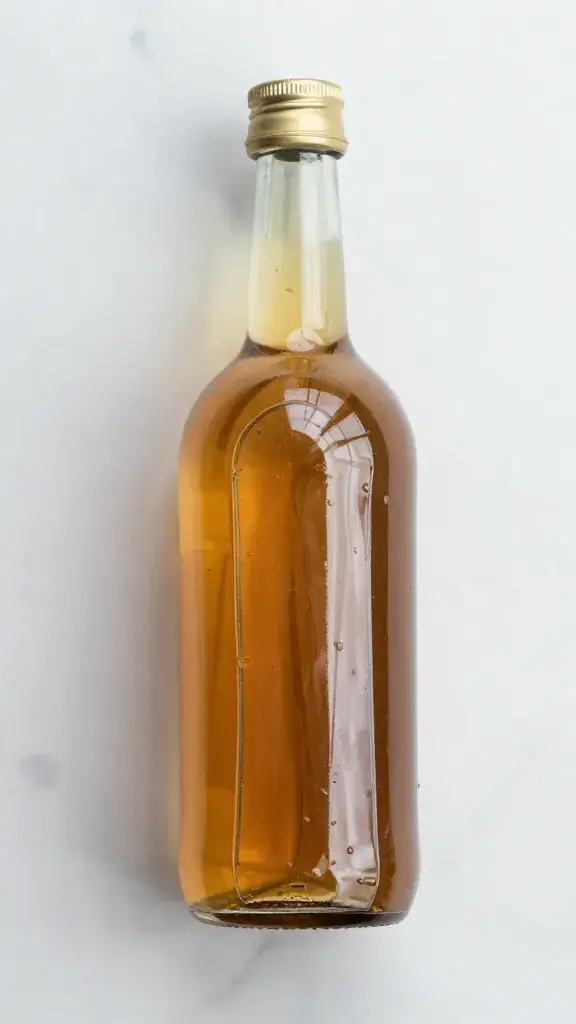
Apple cider vinegar (ACV) brings acidity that fleas hate. It won’t kill fleas on contact like a pesticide, but it can make your dog’s coat less hospitable. Lemon adds a citrus punch with limonene compounds that fleas dislike, and it helps neutralize that vinegar smell.
What this spray can do:
- Help deter fleas from hanging around your dog’s coat
- Freshen your dog between baths
- Support a broader flea-prevention plan
What it can’t do:
- Replace prescription flea treatments during severe infestations
- Cure flea allergies or hot spots
- Work if you use it once and forget about it (consistency matters)
What You’ll Need
Let’s keep it simple. Grab these basics:
- Raw, unfiltered apple cider vinegar (with “the mother” if possible)
- Fresh lemon (one large lemon works)
- Distilled or boiled-and-cooled water (reduces contamination)
- Spray bottle (fine mist works best)
- Optional: a few drops of dog-safe essential oil like lavender or cedarwood for scent; skip if your dog has sensitive skin
- Fine strainer or cheesecloth (for the lemon infusion)
Step-by-Step: Make the Spray

You’ll create a lemon-infused water first, then mix it with ACV. Easy project, big payoff.
Step 1: Make the Lemon Infusion
- Slice one lemon into thin rounds.
- Add slices to a small pot with 1 cup of water.
- Bring to a gentle simmer, then remove from heat.
- Cover and let it steep until the water cools completely (about 30–45 minutes).
- Strain out the solids so no pulp or seeds clog your spray bottle.
Step 2: Mix with ACV
For most dogs, use a 1:1 ratio of ACV to lemon infusion. If your dog has sensitive skin, start gentler.
- Standard mix: 1 cup ACV + 1 cup lemon infusion
- Sensitive skin: 1/2 cup ACV + 1 1/2 cups lemon infusion
If you want a scented boost, add 2–4 drops of dog-safe essential oil, total. Don’t go wild with oils—more is not better.
Step 3: Bottle It and Label It
Pour the mix into your spray bottle. Label it with the date so you remember when you made it. Store in the fridge and use within 1–2 weeks for freshness.
How to Use It (Without Annoying Your Dog)
Dogs don’t love surprise mists. Introduce the spray gently and make it a low-drama moment.
Patch Test First
Spritz a small area on your dog’s shoulder blade. Wait 24 hours. If you see redness, itching, or irritation, dilute more or skip the spray.
Spray Technique
- Shake the bottle before each use.
- Lightly mist your dog’s coat, avoiding eyes, nose, mouth, and any open skin.
- Focus on the neck, chest, belly, underarms, and base of the tail—flea hangout zones.
- Use your hand to distribute it through the coat. You want “evenly damp,” not soaked.
How Often?
- Daily during flea season or if you’re in a high-risk area
- Every other day for maintenance or indoor pups
- Before walks in tall grass or wooded areas
FYI: If your dog rolls in the grass right after, congrats—you just made a salad. Reapply lightly as needed.
Boost Your Results with Simple Habits

If fleas keep returning, you’re not cursed—you just need a multi-pronged approach. IMO, this is where people see the biggest difference.
Comb and Bathe
- Flea comb: Comb daily around the neck, behind ears, and base of tail. Dunk the comb in soapy water to trap fleas.
- Baths: Use a gentle dog shampoo weekly or biweekly. Add 1–2 tablespoons of ACV to the final rinse if your dog tolerates it.
Clean the House
- Vacuum carpets, rugs, and upholstery 2–3 times a week.
- Wash bedding (yours and your dog’s) in hot water weekly.
- Dry thoroughly—heat helps kill flea stages.
Yard Smarts
- Keep grass short and remove leaf piles.
- Limit wildlife attractants—no open pet food outside.
- Consider beneficial nematodes for outdoor flea control if your climate allows.
Know When to Call the Vet
Some infestations laugh at DIY sprays. If your dog shows signs of flea allergy dermatitis (constant scratching, hair loss, scabs), or you see lots of flea dirt and live fleas, loop in your vet. A short-term prescription product can break the cycle fast. Then you can return to natural maintenance without the chaos.
Also, skip this spray on puppies under 12 weeks, pregnant or nursing dogs, or dogs with skin conditions unless your vet says otherwise. Lemon and vinegar are mild, but they’re still acidic.
Troubleshooting: If Something Feels Off
Things not going as planned? It happens.
- Dog hates the spray bottle: Spray onto your hands, then rub through the coat. Or use a damp cloth.
- Skin looks irritated: Dilute further or stop. Consider plain distilled water with a tiny splash of ACV only.
- Smell is too vinegary: Add more lemon infusion or a couple drops of lavender. Or accept that your dog smells like a salad for a noble cause.
- No improvement after a week: Double down on cleaning, try daily flea combing, and consider a vet-grade product short-term.
FAQ
Will this spray kill fleas?
It won’t act like a chemical flea killer. It mainly repels and discourages fleas while you handle the bigger picture with cleaning, combing, and possibly a vet-approved treatment if needed. Think of it as a constant nudge saying, “Fleas, move along.”
Can I use white vinegar instead of apple cider vinegar?
You can, but ACV smells better and seems kinder on most dogs’ skin. White vinegar can work in a pinch, just dilute more and test carefully. If your dog gives you the “excuse me, I smell like pickles” look, you’ve been warned.
Is lemon safe for dogs?
Small amounts of lemon-infused water used topically are generally fine for most adult dogs. Don’t use lemon essential oil undiluted, and never let your dog lick or ingest concentrated lemon products. If your dog has sensitive skin, dilute more and monitor closely.
Can I spray it on my dog’s bed?
Yes. Lightly mist the bed and let it dry completely before your dog lies down. You can also add a splash to your laundry rinse for dog blankets. Just avoid soaking foam beds—moisture can linger and get funky fast.
What if my dog has hot spots or broken skin?
Skip vinegar and lemon on open or irritated skin. It stings, and your dog will not forgive you. Use a vet-approved soothing product and treat the underlying cause first. After healing, you can reintroduce a very diluted version if your vet okays it.
How long does the spray last once mixed?
About 1–2 weeks in the fridge. Citrus infusions don’t stay fresh forever, and you want to avoid any microbial weirdness. Make small batches and remake as needed.
Conclusion
You don’t need a chemistry degree to help keep fleas off your dog—just ACV, lemon, and a little consistency. This spray smells fresh, supports your broader flea-fighting plan, and gives you control over what touches your pup’s skin. Use it alongside smart cleaning and regular grooming, and you’ll make your home way less attractive to fleas. IMO, that’s a win for both you and your four-legged roommate.

I’ve spent 10+ years in dog training, digging into what makes dogs (and their humans) tick. At Smart Dog Learning, I share my no-nonsense, fun approach to training so you can enjoy life with a well-behaved, happy pup—no boring lectures, just practical results 😉