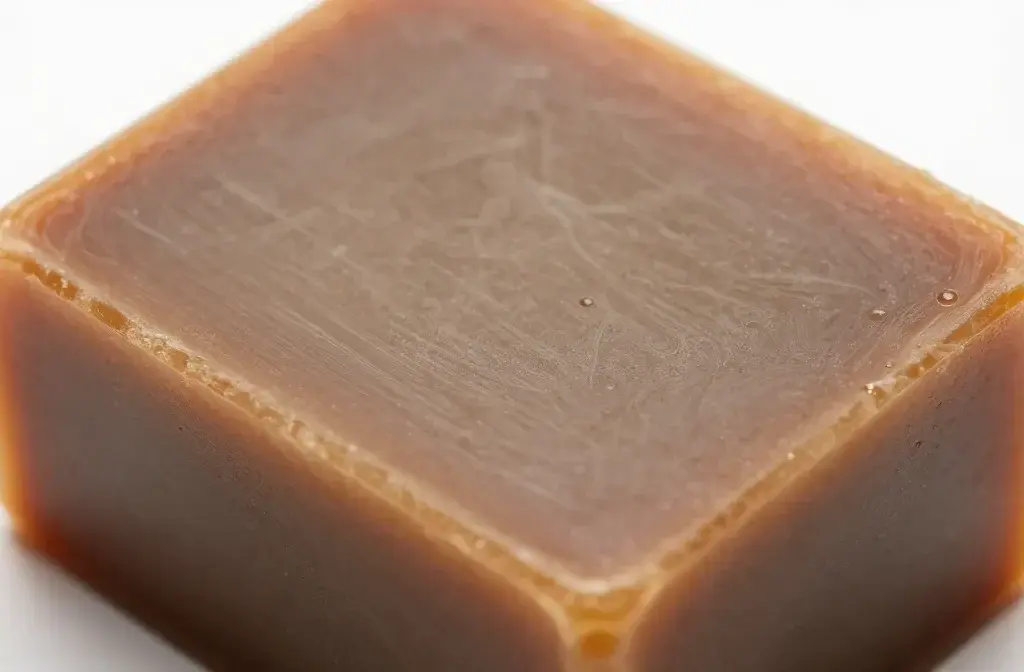
How to Make Dog-Safe Soap with Castile Soap & Essential Oils
Your dog rolls in something mysterious, and now your bathtub looks like a mud spa. You grab the nearest soap… and then panic because “Wait, is this safe for dogs?” Good question. Dogs have different skin pH and can react badly to random fragrances. The good news: you can make a gentle, dog-safe soap at home with castile soap and a few carefully chosen essential oils. Let’s keep bath time drama-free and pup-approved.
Why DIY Dog Soap Instead of Store-Bought?
You control exactly what touches your dog’s skin. No mystery “parfum,” no dyes, no sulfates that make sensitive pups itchy. You also save money and tweak the formula for your dog’s coat and needs.
Plus, castile soap cleans well without stripping natural oils. It’s simple, plant-based, and easy to customize. Also, it turns bath time into a smug “look what I made” moment. Win-win.
What Makes a Soap Dog-Safe?
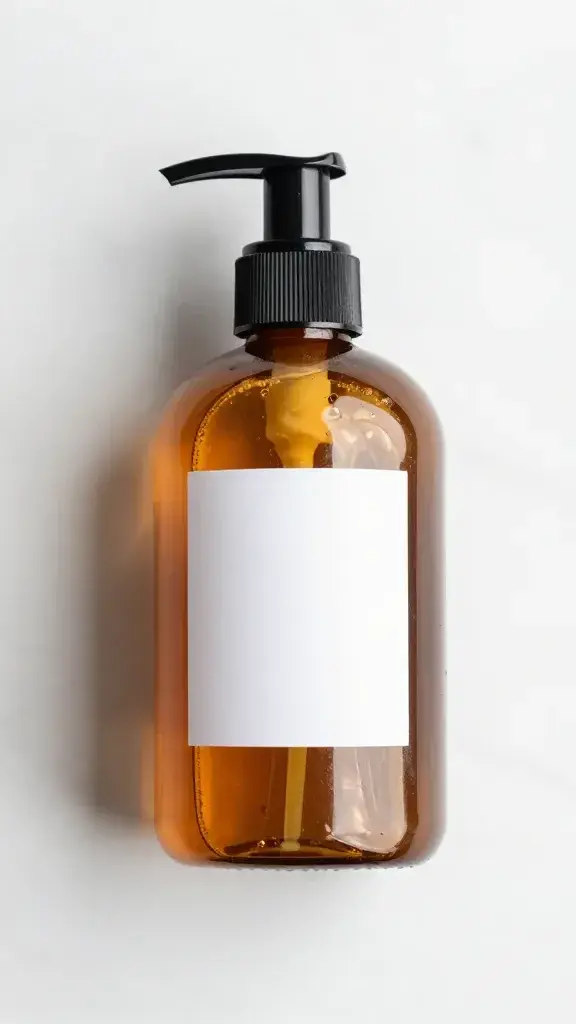
Dog-safe soap means gentle surfactants, minimal additives, and no harsh fragrances. Dogs have thinner skin than humans, so we keep formulas mild and pH-considerate. We also avoid ingredients that irritate the nose or tummy (because they’ll lick themselves, of course).
Key principles to follow:
- Use unscented liquid castile soap as the base.
- Dilute it with water or hydrosols—straight castile can feel too strong.
- Go extremely light on essential oils (or skip them for puppies, seniors, or sensitive dogs).
- Avoid toxic oils like tea tree (in most DIY contexts), clove, cinnamon, wintergreen, peppermint, eucalyptus globulus (high 1,8-cineole), and anything “hot” or strongly mentholated.
- Rinse thoroughly so no residue remains on the coat.
About pH and Dog Skin
Dogs often do best with products that don’t swing too alkaline or too acidic. Castile soap is alkaline by nature, but when you dilute it well and rinse completely, it works fine for most healthy dogs. If your pup has skin conditions, ask your vet for product guidance. IMO, less is more.
Safe Essential Oils (And Ones to Avoid)
Essential oils can help with odor and mild skin support—but you must respect their potency. We use them sparingly, like “one drop is plenty” levels.
Generally safer choices (dilute properly):
- Lavender (Lavandula angustifolia) – soothing and mild aroma
- Roman chamomile (Chamaemelum nobile) – gentle and calming
- Frankincense (Boswellia carterii) – earthy and grounding
- Cedarwood (Cedrus atlantica or Juniperus virginiana) – woodsy and balanced
Skip these (for real):
- Tea tree (Melaleuca alternifolia) in DIY—it’s easy to overdose
- Clove, cinnamon, oregano, thyme (hot oils)
- Wintergreen, birch (salicylates)
- Strong mentholated oils: eucalyptus globulus, peppermint
- Any “blend” you can’t verify for individual components
General Safety Rules for Oils
- Never apply undiluted oils to your dog—ever.
- Avoid oils for puppies under 6 months, pregnant dogs, dogs with seizure disorders, or cats in the home (feline livers don’t handle EOs well).
- Patch test on a small area the first time and watch for redness, scratching, or lethargy.
Simple Dog-Safe Castile Soap Recipe
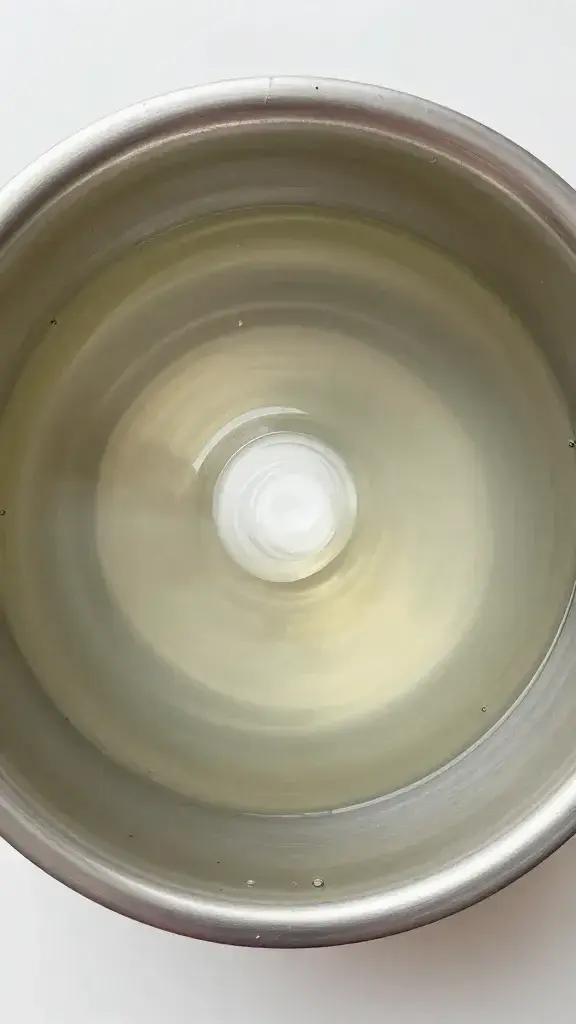
This base recipe makes a gentle wash you can tweak. It’s budget-friendly and quick. FYI, you can skip the essential oils entirely if your dog has sensitive skin.
What you’ll need:
- 1 cup unscented liquid castile soap
- 1 cup distilled water or chamomile hydrosol (for a gentle scent)
- 1 teaspoon vegetable glycerin (optional for extra slip and moisture)
- Up to 6 total drops approved essential oil (see section above)
- Clean bottle with a flip top or pump
How to make it:
- Pour the castile soap into your bottle.
- Add the distilled water or hydrosol. Tilt gently to combine—don’t shake like a cocktail unless you want a foam party.
- Add glycerin if using. Swirl again.
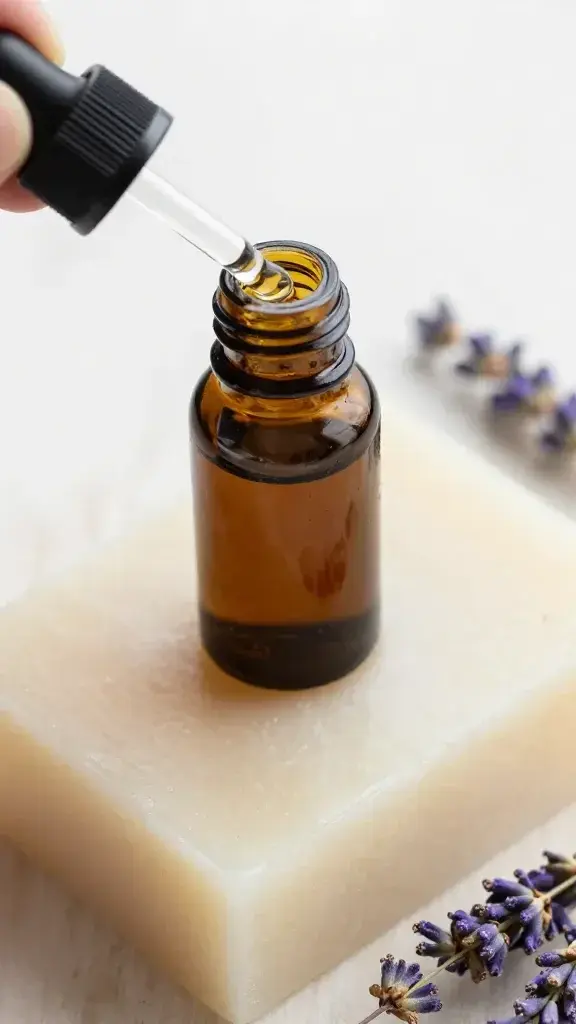
- For scent: add up to 6 drops total essential oil per 2 cups finished soap. That’s a very low dilution on purpose.
- Label the bottle with date and ingredients.
How to use it:
- Wet your dog thoroughly with lukewarm water.
- Apply a small amount of soap and work into the coat. Avoid eyes, nose, and inside ears.
- Rinse, rinse, and rinse again until water runs clear and the coat feels clean, not slippery.
- Towel dry and give belly rubs as payment.
Optional Add-Ins (Use Wisely)
- Colloidal oatmeal (1-2 teaspoons per batch): comfort for itchy skin. Mix it into a paste with warm water first, then blend into your soap right before use.
- Aloe vera juice (1-2 tablespoons): soothing, but keep it fresh and refrigerate the final soap if you add this.
- Hydrosols like lavender or chamomile: milder than essential oils and dog-friendly when used lightly.
3 Easy Scent Profiles (Super Light!)
Rule of thumb: Keep total essential oils under 6 drops per 2 cups soap. Less is fine.
- Calm Pup: 4 drops lavender + 2 drops Roman chamomile
- Woodsy Fresh: 3 drops cedarwood + 2 drops frankincense + 1 drop lavender
- Unscented Hero: zero drops—great for sensitive skin or frequent baths
When to Go Unscented
If your dog has allergies, itchy skin, or you bathe them often, skip essential oils entirely. Dogs already smell the world in HD; they don’t need perfume. IMO, unscented works best for most pups.
Bath Day Workflow That Actually Works
You know how your dog suddenly becomes a track star when the water turns on? Let’s set you up for success.
- Brush first to remove loose hair and tangles—less soap, better clean.
- Use lukewarm water. If it feels hot on your wrist, it’s too hot for your dog.
- Soap from the neck down, save the head for last, and use a damp cloth for the face.
- Massage the skin with your fingertips to lift dirt. It’s basically a spa day.
- Rinse thoroughly—residue causes itchiness and dull coat.
- Dry well and keep your pup warm until fully dry.
How Often Should You Bathe?
Most dogs do well with a bath every 4-8 weeks. Active, outdoorsy pups might need more, but don’t overdo it—too many baths can strip oils and cause flaky skin. If your dog smells funky between baths, try wiping with a damp cloth or a diluted hydrosol spritz.
Storage, Shelf Life, and Safety
Homemade soap doesn’t contain heavy preservatives, so treat it like fresh food for your bathroom.
- Store in a cool, dark place. Keep the bottle closed tightly.
- Use within 1-2 months if you added water or hydrosols. If you used only castile and oils, you can keep it up to 3-4 months.
- Refrigerate if you added aloe, oatmeal, or anything perishable. Use within 2-3 weeks.
- Watch for changes in smell, texture, or color—when in doubt, toss it.
Patch Testing and First-Time Use
Before the full bath, put a small amount of diluted soap on a small area, wait 24 hours, and watch for redness or irritation. If you see anything off—itching, hives, lethargy—stop and rinse with water. Consult your vet if symptoms persist.
Troubleshooting: Common Issues and Easy Fixes
Coat feels sticky after rinsing? You used too much soap or didn’t rinse long enough. Use less next time and rinse thoroughly.
Dog starts itching after bath? Possible sensitivity. Switch to unscented, skip optional add-ins, and dilute the soap more.
Soap seems too watery? That’s normal with dilution. Use a foaming pump to make it feel luxurious without thickening agents.
Strong scent lingers? You used too many drops of essential oil. Cut the EO amount in half (or zero).
When to Call the Vet
If your dog has hot spots, chronic itching, hair loss, infections, or any skin condition, ask your vet before changing products. DIY soap is great for healthy skin, but medical issues need pro help. FYI, your vet may recommend medicated shampoos you shouldn’t replace with DIY.
FAQs
Can I use regular human shampoo or baby shampoo on my dog?
You can in a pinch, but I don’t recommend it. Human products often target a different pH and include fragrances that can irritate dogs. A simple castile-based wash stays gentler and cleaner ingredient-wise.
Is tea tree oil safe for dogs if I use only a tiny amount?
I’d skip it in DIY. The margin between “helpful” and “harmful” can get too narrow with tea tree, and dogs can react if they lick it. Choose lavender or chamomile instead—they’re gentler and easier to dose safely.
What if my dog has fleas?
This soap won’t replace a true flea treatment. It can help remove some fleas during the bath, but you still need a vet-approved prevention plan and environmental cleaning. Soap + good rinsing + a flea comb works as a temporary assist.
Can I make a big batch and store it?
Make small batches if you include water, hydrosols, or aloe. They reduce shelf life. If you want a longer-lasting bottle, keep it simple: castile + very light essential oil (or none), and add water right before use.
My dog hates baths—any tips?
Keep things calm and fast. Use a nonslip mat, prep treats for positive reinforcement, and keep water pressure low. A rinse cup works better than a sprayer for anxious pups.
Will essential oils make my dog smell like a candle shop?
Not if you use them correctly. We’re talking faint-whisper-level scent, not “holiday candle aisle.” If you smell it strongly on the coat after rinsing, you used too much.
Conclusion
Making dog-safe soap with castile and a few smart add-ins gives you control, saves cash, and keeps your pup’s skin happy. Keep the formula simple, dilute well, and go super light (or totally off) on essential oils. Your dog stays clean, comfy, and adorable—and your bathroom smells like victory instead of mystery swamp. IMO, that’s a solid upgrade for bath day.
I’ve spent 10+ years in dog training, digging into what makes dogs (and their humans) tick. At Smart Dog Learning, I share my no-nonsense, fun approach to training so you can enjoy life with a well-behaved, happy pup—no boring lectures, just practical results 😉