How to Make DIY Dog Shampoo with Oatmeal, Aloe Vera & Coconut Oil
Your dog smells like a wet sock and looks at you with those “help me, human” eyes. You want a gentle, skin-soothing wash that won’t strip their coat or make them itchy. Good news: you can whip up a DIY dog shampoo with oatmeal, aloe vera, and coconut oil in under 10 minutes. It’s affordable, pet-safe when used correctly, and yes—you’ll feel ridiculously proud of yourself.
Why Make Your Own Dog Shampoo?
You control the ingredients. No mystery chemicals, no harsh detergents, no overpowering perfume that makes your dog smell like a department store. Just simple, skin-friendly stuff.
Plus, oatmeal calms irritation, aloe vera hydrates, and coconut oil adds shine and softness. Dogs with sensitive skin often do better with gentle, homemade formulas. Also, IMO, mixing up your own shampoo feels like a tiny victory in adulting.
What Each Ingredient Actually Does
Let’s break it down so you know why these aren’t just trendy pantry items.
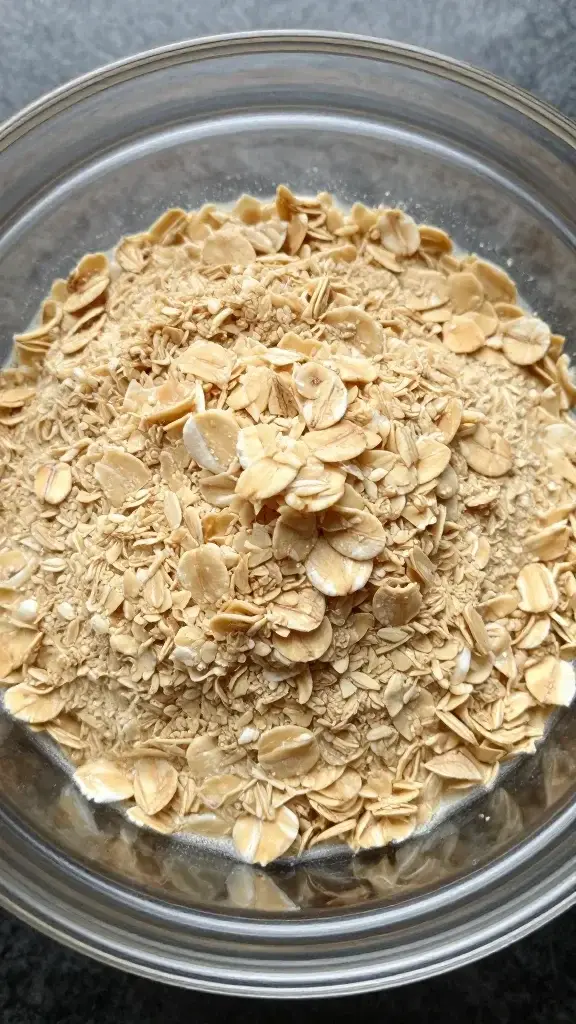
Oatmeal (colloidal or ground)
– Soothes itchy, inflamed skin thanks to beta-glucans and avenanthramides.
– Forms a light protective barrier that locks in moisture.
– Use colloidal oatmeal (finely ground) for best results. If you grind your own oats, blitz them to a powder that dissolves in water.
Aloe Vera
– Hydrates and cools the skin—great for hot spots and dryness.
– Look for pure, additive-free aloe gel (no alcohol, no artificial colors, no lidocaine/benzocaine).
– Helps balance pH when used with mild surfactants.
Coconut Oil
– Adds slip and shine, softens the coat, and can help with flakiness.
– Use fractionated coconut oil if you want a lighter feel; otherwise, melt regular coconut oil before mixing.
– A little goes a long way—too much can leave the coat greasy.
What About the Clean Part? (Choosing a Gentle Base)
Dogs need a cleanser to actually remove dirt and oils. You have two good options:
- Castile soap (unscented, diluted): Natural and effective. You must dilute it well and balance with soothing ingredients.
- Dog-safe, unscented shampoo base: Easiest option if you can find it online; usually already pH-balanced for pets.
FYI: Dog skin prefers a pH around 6.5–7.5. Many human shampoos skew too acidic. Stick with unscented, pet-friendly bases or diluted castile to keep things balanced.
Simple DIY Dog Shampoo Recipe
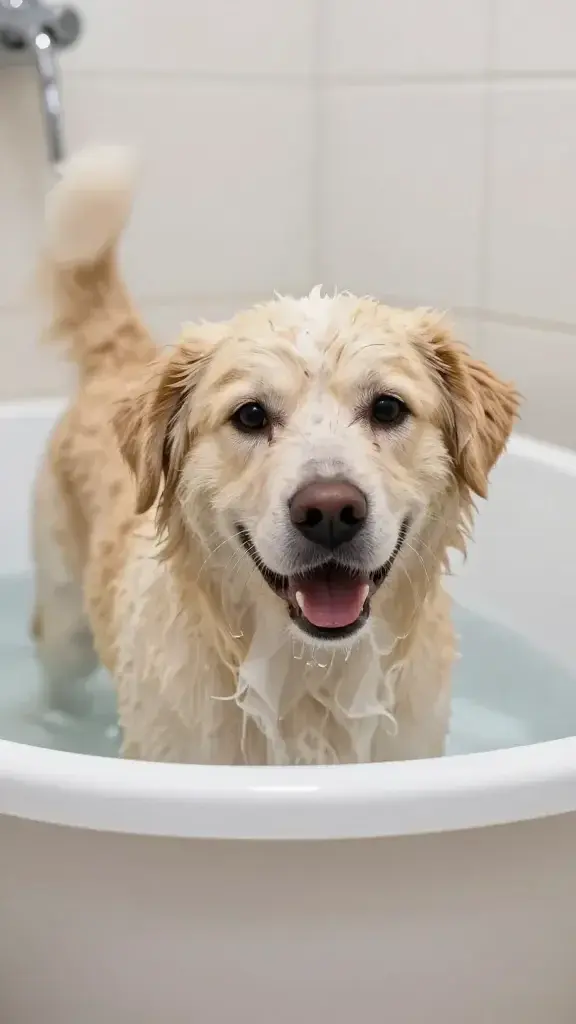
This makes about 12–14 oz, enough for a few baths (depending on your floof’s size).
Ingredients
– 1 cup warm water
– 1/3 cup unscented liquid castile soap (or pet-safe shampoo base)
– 1/2 cup colloidal oatmeal (or very finely ground oats)
– 2 tablespoons pure aloe vera gel
– 1–2 teaspoons melted coconut oil (or 1 tsp fractionated coconut oil)
– Optional: 1 teaspoon vegetable glycerin for extra moisture
Tools
– Blender or whisk
– Fine mesh strainer (optional but helpful)
– Squeeze bottle or jar with a lid
Instructions
- Grind the oats if needed until powdery. Test by stirring a teaspoon into warm water—it should cloud the water with minimal grit.
- Mix the base: In a bowl, combine warm water and castile soap. Stir gently to avoid too much foam.
- Add the soothing stuff: Whisk in aloe gel, coconut oil, and glycerin (if using). Blend lightly for a smooth mixture.
- Add oatmeal last: Sprinkle while whisking to prevent clumps. Strain if gritty.
- Bottle it and label with the date. Shake before each use.
Storage: Keep in the fridge up to 2 weeks. It’s a natural mix with water and food-like ingredients—don’t push it. If it smells off or separates weirdly, toss and make a fresh batch.
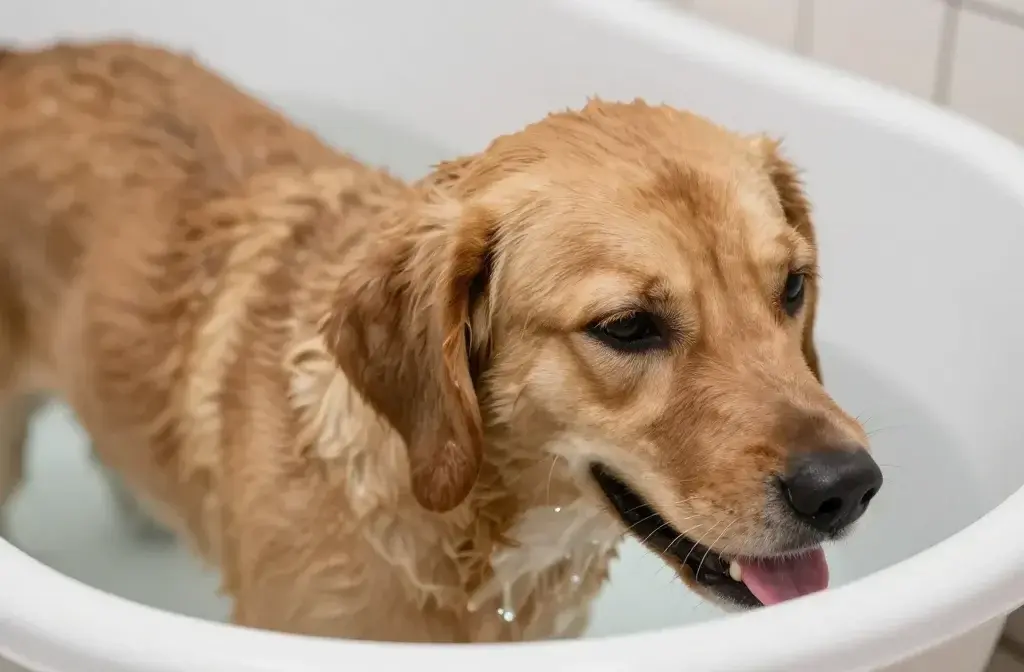
How to Use It (Without Wrestling a Slippery Otter)
Bath time doesn’t need drama. Set yourself up right.
Prep Your Pup
– Brush out tangles and loose fur. Shampoo works better on detangled coats.
– Place a nonslip mat or towel in the tub.
– Use lukewarm water. Too hot = irritation. Too cold = betrayal.
Wash Routine
- Wet thoroughly—down to the skin. Most people under-wet their dog.
- Apply shampoo: Start at the neck and work toward the tail. Save the face for last with a damp cloth.
- Massage 2–3 minutes: Focus on itchy areas, belly, armpits, and paws.
- Rinse like a pro: Rinse until water runs clear, then rinse again. Residue causes itchiness.
- Dry gently: Towel pat, then use low heat if your dog tolerates a dryer.
Frequency: Bathe every 4–6 weeks for most dogs. More often if they roll in mysterious “perfumes,” less often for double-coated breeds unless truly dirty.
Customization: Tweak It for Your Dog
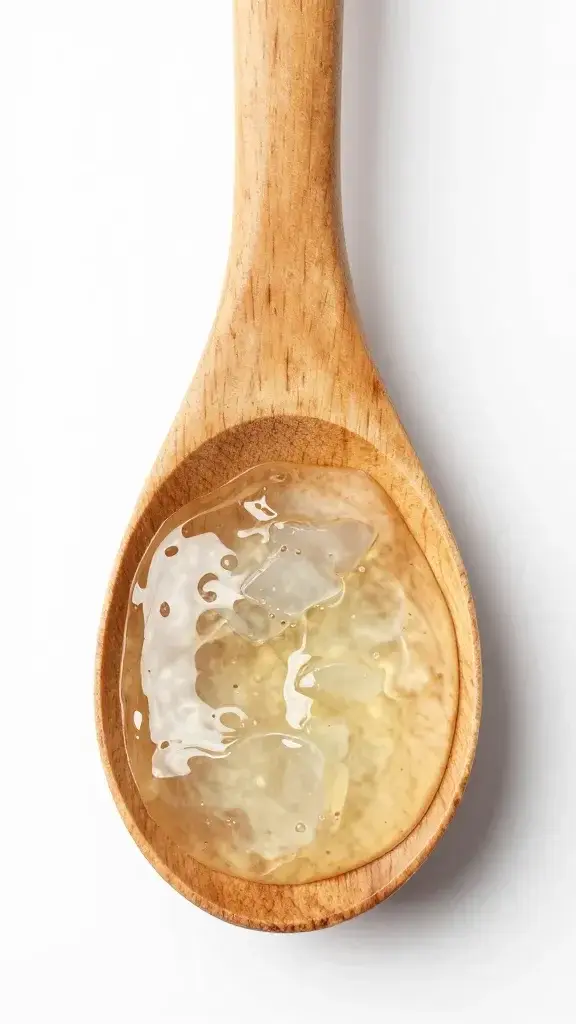
Every coat and skin type needs a slightly different balance. Adjust thoughtfully.
For Dry, Flaky Skin
– Add 1 extra teaspoon glycerin.
– Use fractionated coconut oil instead of regular to avoid heaviness.
– Follow with a light rinse of diluted aloe water (1 tsp aloe in 1 cup water), then a final quick water rinse.
For Oily Coats
– Reduce coconut oil to 1/2–1 teaspoon.
– Increase castile soap slightly (up to 1/2 cup) and add more water to maintain consistency.
– Rinse extra thoroughly.
For Sensitive or Allergy-Prone Dogs
– Patch test first: apply a small amount on the belly, wait 24 hours.
– Skip glycerin and keep the formula simple: water + pet-safe base + oatmeal + aloe.
– Avoid essential oils. Yes, even “gentle” ones. Many are not dog-safe and can irritate skin or cause toxicity if licked.
Common Mistakes to Avoid
– Overdoing the oil: You’ll get a greasy coat that traps dirt. Use small amounts.
– Using human shampoo: Different pH, more fragrance—often too harsh.
– Not rinsing enough: Residue = itch, flakes, and hot spots.
– Adding essential oils: Tempting, but risky. Dogs can’t handle many oils we consider safe.
– Skipping storage rules: Natural mixes can spoil. Small batches win.
When to Call the Vet Instead
DIY shampoo helps with mild itchiness or dry skin. But if your dog has persistent redness, hair loss, funky smells, scabs, or constant scratching, see your vet. You might need medicated shampoo for yeast, bacteria, or allergies. No homemade mix beats a targeted treatment for real skin conditions—IMO, pair DIY care with professional guidance when needed.
FAQs
Can I use this shampoo on puppies?
Yes, with care. Use a very mild dilution, avoid the face, and rinse thoroughly. Puppies have delicate skin, so keep baths short and infrequent. If your pup has sensitive skin or you’re unsure, choose a vet-approved puppy shampoo instead.
Is oatmeal safe for dogs with grain allergies?
Most dogs tolerate oats well, but true grain allergies exist. If your dog has known grain sensitivities, skip the oatmeal and lean on aloe plus a pet-safe base. Patch test first and watch for redness or itching after bathing.
Can I add essential oils like lavender?
I wouldn’t. Many essential oils irritate skin or cause issues if a dog licks them. Dogs also have super-sensitive noses, so fragrance that seems “light” to you can overwhelm them. If you want a scent, choose a pet-formulated product that’s safety-tested.
What if my dog has fleas?
This shampoo can help soothe the skin, but it won’t solve a flea infestation. Use vet-recommended flea prevention and treat your environment (bedding, carpets, yard). You can still bathe with this mix for comfort, but don’t rely on it as flea control.
How long does the shampoo last?
About 1–2 weeks in the fridge. Shake before each use. If it smells sour, separates oddly, or grows any mystery floaters, toss it and make a fresh batch. Small batches stay safer and work better.
Can I store it at room temperature?
Not ideal. Water + natural ingredients = spoilage risk. Keep it chilled. If you need shelf-stable, buy a preservative system and research proper usage rates—or use a commercial pet-safe base with preservatives already included.
Final Thoughts
You don’t need a chemistry degree to make a gentle, effective dog shampoo. With oatmeal, aloe, and coconut oil, you’ll soothe itchy skin, clean the coat, and keep things simple and budget-friendly. Try the base recipe, tweak it for your dog, and keep batches small and fresh. Your pup gets a shiny, comfy coat, and you get bragging rights—win-win.
Printable Recipe Card
Want just the essential recipe details without scrolling through the article? Get our printable recipe card with just the ingredients and instructions.
I’ve spent 10+ years in dog training, digging into what makes dogs (and their humans) tick. At Smart Dog Learning, I share my no-nonsense, fun approach to training so you can enjoy life with a well-behaved, happy pup—no boring lectures, just practical results 😉