
7 Puppy Care Tips Every Golden Retriever Owner Should Know
Golden Retrievers don’t come with a manual, but they might as well. These fluffy golden tornadoes bring joy, hair, and chaos in equal measure. You want a happy, healthy pup who grows into the world’s best adventure buddy? Let’s skip the fluff and get straight into the practical stuff you’ll actually use.
Start Strong with Smart Socialization
Your Golden will meet the world with a wag, but you still need to guide those first impressions. Expose your puppy to different people, dogs, sounds, surfaces, and places between 8–16 weeks. Keep sessions short and positive. Treats, praise, repeat.
How to Make Socialization Easy
- Puppy playdates: Pair with vaccinated, gentle dogs. One-on-one beats a chaotic dog park.
- Noise training: Play recordings of thunderstorms, fireworks, and traffic at low volume while you feed.
- Touch tolerance: Practice gentle handling—ears, paws, tail—so vet visits don’t become WWE events.
House Training Without Tears (Yours or Theirs)
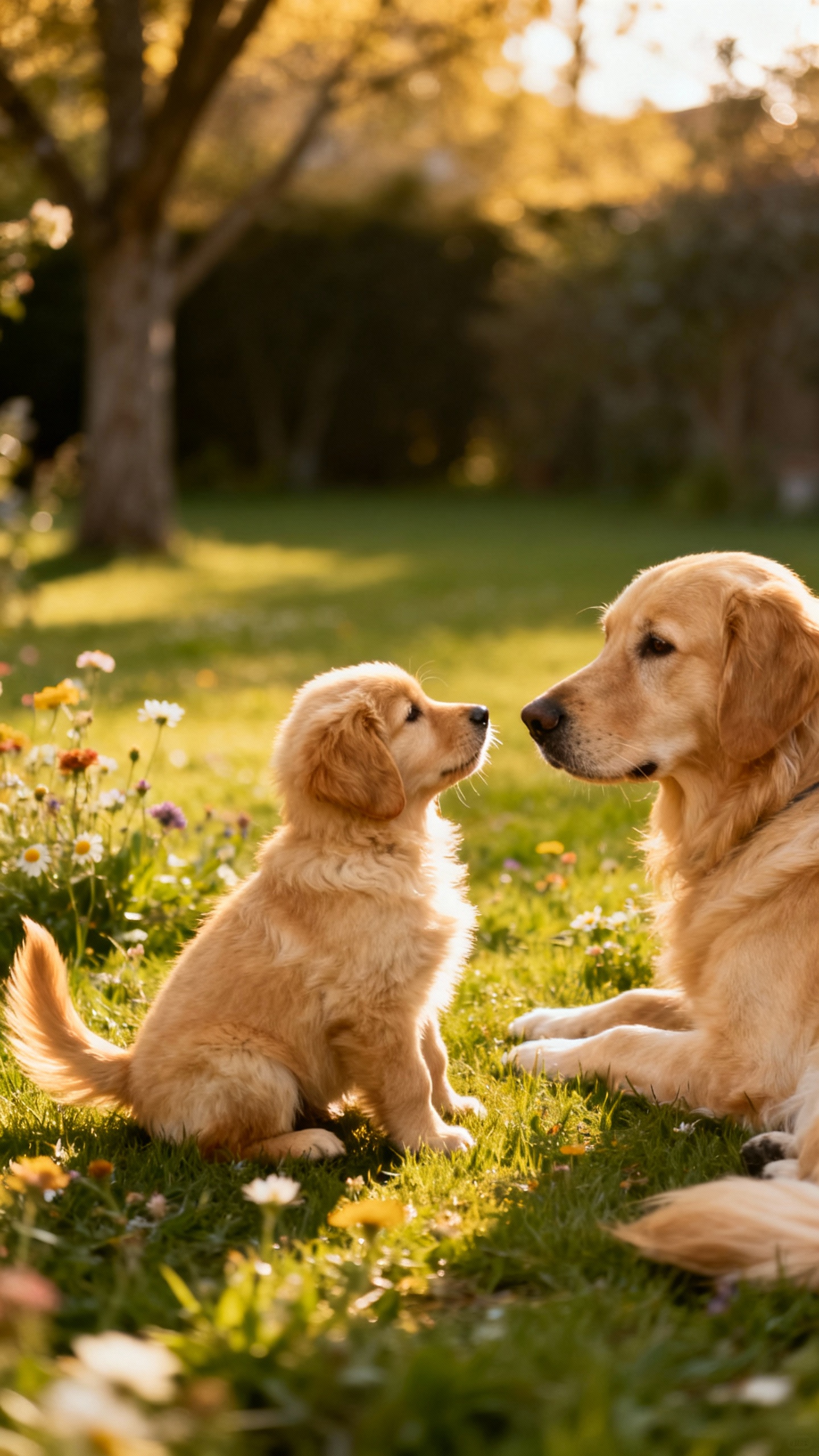
Puppies don’t come potty-trained. Shocking, I know. Set a schedule and stick to it like your sanity depends on it.
Your Golden Potty Plan
- Crate train: Right-sized crates help puppies learn to “hold it.” Crate equals calm, safe nap zone.
- Take them out: First thing in the morning, after eating, after play, after naps, and before bed.
- Pick a spot: Same grass patch every time. Give a cue like “Go potty,” then party when they do.
- Accidents happen: Clean with enzyme cleaner. Skip scolding—confusion doesn’t teach.
Feeding a Golden Stomach (AKA A Void That Knows No Bottom)
Goldens act like they’re starving 24/7. Don’t fall for it. Balanced nutrition matters, especially for a large-breed puppy with fast-growing joints.
What to Feed and How Much
- Choose a large-breed puppy formula: It controls calcium and phosphorus for healthy bone growth.
- Stick to a schedule: 3 meals/day until 6 months, then 2 meals/day. No free-feeding.
- Measure food: Follow the bag’s starting point, then adjust based on body condition, not the “I’m starving” eyes.
- Mind the extras: Treats = max 10% of daily calories. Carrots, green beans, and training treats work great.
Watch Out for Bloat
Large breeds can develop gastric dilatation-volvulus (GDV). FYI, it’s serious. Use a slow-feeder bowl, avoid hard exercise 60 minutes before and after meals, and feed two smaller meals instead of one big one.
Training: Brains Before Brawn

Golden Retrievers love pleasing you. Use that. Train early, keep it positive, and make it fun. You train the behavior you want—or the chaos you’ll regret. Your call.
Core Cues Every Golden Should Nail
- Name recognition: Say their name once. When they look, mark and treat. Build focus first.
- Come: Start on leash. Reward heavily. Make yourself more interesting than squirrels. Yes, it’s possible.
- Sit, down, stay: Short sessions, 3–5 minutes, 2–3 times/day. End before they quit on you.
- Leave it/drop it: Goldens hoover everything. These cues? Life-savers.
Chewing and Biting (Because Teething Is Real)
Redirect puppy biting to appropriate toys. Offer frozen wet washcloths or puppy-safe chew toys during teething. If they chomp your hand, say “Ouch,” withdraw attention, then re-engage with a toy. IMO, squeaky toys are the ultimate distraction.
Exercise: Tired Brain, Happy Pup
Goldens need activity, but you don’t want to overdo it while their joints develop. Think smart, low-impact play and mental workouts.
How Much Is Enough?
- 5-minute rule: About 5 minutes of structured exercise per month of age, up to twice a day. So a 4-month-old gets ~20 minutes per session.
- Avoid high-impact jumps: No long runs, repetitive fetch on hard surfaces, or stair marathons until growth plates close (~12–18 months).
- Mix it up: Sniffy walks, gentle fetch on grass, puzzle toys, and training games.
Brain Games Goldens Love
- Scatter feeding in the yard—let that nose work.
- Snuffle mats and puzzle feeders.
- Hide-and-seek with you or a favorite toy.
- Short trick sessions: spin, touch, bow—cute and tiring.
Grooming: Manage the Fluff Before It Manages You
Golden hair migrates. It’s a lifestyle. You won’t beat it, but you can stay ahead of it with a solid routine.
Weekly Grooming Checklist
- Brushing: Use a slicker brush and undercoat rake 2–4 times/week. More during shedding seasons (spring/fall).
- Bathing: Every 4–6 weeks or as needed. Rinse thoroughly—leftover shampoo can irritate skin.
- Ears: Clean weekly with a dog-safe ear cleaner. Goldens love water and get ear gunk easily.
- Nails: Trim every 2–3 weeks. If you hear tap-dancing on hardwood, you waited too long.
- Teeth: Brush several times a week. Dental chews help, but brushing wins.
Coat Care Don’ts
- Don’t shave the coat: Their double coat regulates temperature and protects skin.
- Don’t ignore mats: Check behind ears, under collar, and pants area. Mats multiply when wet.
Health Basics You Shouldn’t Wing
Goldens, as a breed, face a few common health concerns. You can’t control genetics, but you can stack the odds in your pup’s favor.
Vet Care Timeline
- Vaccines: Core shots typically at 8, 12, and 16 weeks. Ask about local risks (e.g., leptospirosis, Lyme).
- Deworming and fecal checks: Puppies often carry parasites. Not glamorous, but necessary.
- Spay/neuter timing: Many vets recommend waiting until growth plates close in large breeds. Discuss your dog’s activity and lifestyle for the best timing.
- Hip/elbow health: Keep them lean. Excess weight hurts joints. Talk supplements like omega-3s with your vet.
Red Flags to Watch
- Persistent limping or stiffness after play.
- Recurring ear infections or head shaking.
- Itchy skin, hot spots, or hair loss.
- Lethargy, vomiting, or diarrhea that lasts more than a day.
Build a Routine You Can Actually Keep
Consistency beats perfection, every time. Goldens thrive when they know what happens next.
Sample Daily Rhythm
- Morning: Potty, short training, breakfast, calm chew time.
- Midday: Potty, play, nap (for both of you, ideally).
- Afternoon: Walk or brain game, socialization outing.
- Evening: Dinner, gentle play, grooming touch-up, potty, crate bedtime.
FYI: Routines aren’t prison. They free up your brain because the puppy knows the script.
FAQ
When can my Golden Retriever puppy go on real walks?
After your vet clears vaccines—usually around 16 weeks—you can start neighborhood walks. Keep them short and sniffy. Before that, carry your pup in public places or stick to safe, low-dog-traffic areas at home.
How do I stop my Golden from jumping on guests?
Teach an incompatible behavior like sit. Reward sits like it’s the best thing you’ve ever seen. Ask guests to ignore jumping, then greet only when all four paws stay on the floor. Consistency wins, IMO.
What’s the best chew for a teething Golden puppy?
Choose puppy-safe rubber chews, frozen Kongs with a smear of yogurt or wet food, and soft nylon chews. Avoid cooked bones and anything that doesn’t pass the “thumbnail test” (if you can’t dent it with your nail, it can crack a tooth).
My Golden eats everything outside. Help?
Teach “leave it” and reinforce it daily. Use a leash on walks to prevent scavenging and reward check-ins. Offer a stuffed toy or chew right after walks to satisfy that foraging itch in a safe way.
Should I worry about hip dysplasia?
Stay proactive. Keep your pup lean, avoid repetitive high-impact exercise, and stick to controlled growth with a large-breed puppy diet. Ask your vet about screening when your dog is older and whether joint supplements fit your situation.
How much shedding should I expect?
Short answer: a lot. Longer answer: routine brushing, good nutrition, and regular baths reduce tumbleweeds. During spring and fall, double your brushing sessions and keep a lint roller in every room. You’ll thank me later.
Conclusion
Golden Retriever puppies are joy wrapped in fur and mischief. With smart socialization, solid training, the right food, sensible exercise, and a grooming routine, you’ll raise a confident, healthy companion. Keep it consistent, keep it fun, and don’t forget to laugh when your “good boy” steals a sock mid-zoomie. That’s the Golden life, IMO.
I’ve spent 10+ years in dog training, digging into what makes dogs (and their humans) tick. At Smart Dog Learning, I share my no-nonsense, fun approach to training so you can enjoy life with a well-behaved, happy pup—no boring lectures, just practical results 😉