
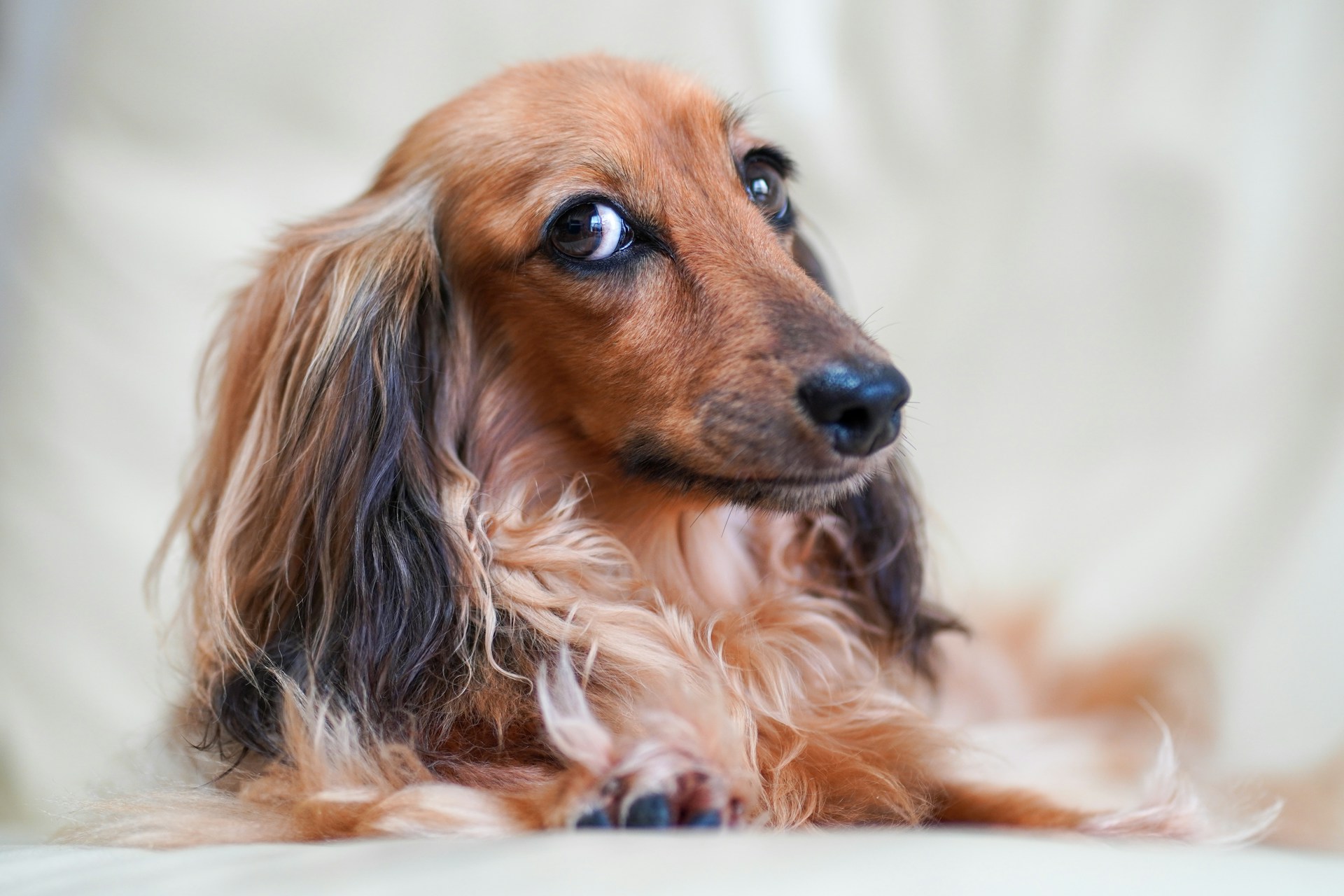
6 House-Training Steps That Work for Dachshunds
Dachshunds are adorable little hot dogs with big opinions—and even bigger bladders than you’d expect. House-training them doesn’t have to turn into a turf war, but you’ll need a plan. This breed is smart, stubborn, and easily offended by rain, wind, or the concept of “outside.” Ready to outsmart your stubborn sausage? Let’s do this.
Why Dachshunds Can Be Tough (But Totally Trainable)
Dachshunds were bred to hunt independently, which means they think for themselves. Translation: they don’t automatically care what you want unless you make it worth their while. Add short legs and a belly that hates wet grass, and you get a dog who’d rather “go” indoors if you let them.
The good news? Consistency, timing, and rewards turn this into a win. You’ll build a routine that makes going outside their favorite thing.
Step 1: Set a Routine They Can’t Mess With
Dogs love patterns. Dachshunds worship them. Create a schedule and stick to it like it’s your new religion.
- Take them out first thing in the morning, after meals, after naps, after play, and before bed.
- Feed at the same times daily so you can predict potty windows.
- Use the same door and same spot every time. Predictability speeds learning.
Timing Matters
Young pups need a potty break about every 2–3 hours. Adults can usually hold it longer, but don’t push it. IMO, it’s better to go out too often than clean a rug at 2 a.m.
Step 2: Pick a Potty Spot and Make It Magical
You need one designated outdoor bathroom. The smell tells your dog what to do without a lecture.
- Go to the same patch of grass or gravel every time.
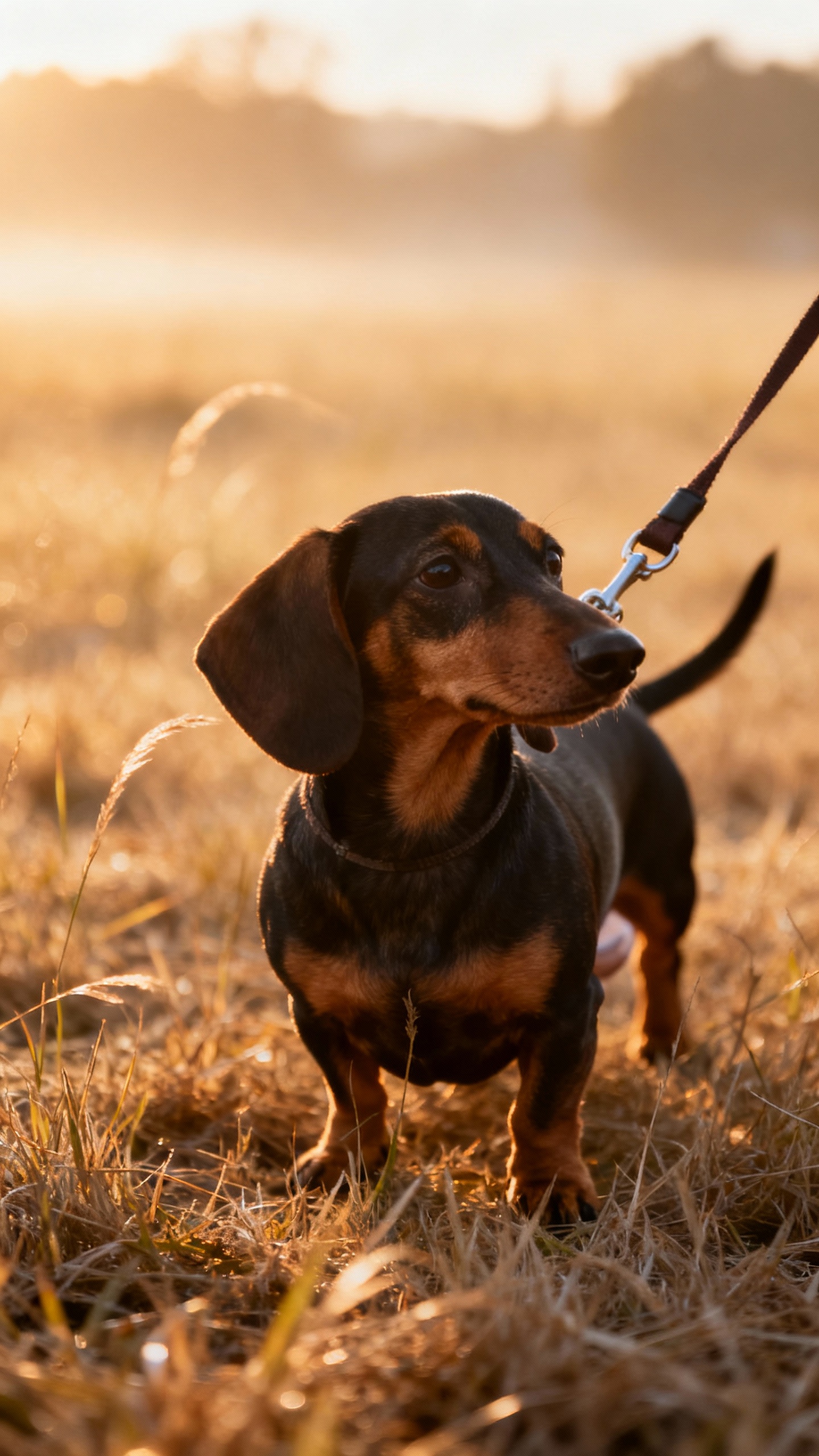
- Keep them on leash so they focus on business, not squirrels.
- Stand still and wait quietly. No chatting. No play.
When they start going, say your cue—something simple like “go potty.” When they finish, throw a party.
What Counts as a Party?
Use high-value rewards: tiny bits of chicken, cheese, or a favorite treat. Praise like you just won the lottery. Dachshunds work for pay—FYI, hugs don’t count as currency.
Step 3: Crate-Train Like a Pro
Crates help prevent accidents and teach bladder control. Think of it as a tiny den, not Dachshund jail.
- Size matters: they should stand up, turn around, and lie down comfortably—no extra room for a bathroom at the back.
- Make it cozy: soft bedding, a safe chew toy, and calm vibes.
- Never use the crate as punishment. It’s their chill zone.
Take them straight from the crate to the potty spot. Reward immediately. Consistency here is everything.
What If They Cry?
First, take them out for a quick, no-nonsense potty break. No playing. If they don’t go, back to the crate for 10–15 minutes, then try again. Don’t reinforce drama, but do honor real needs.
Step 4: Supervise Like a Helicopter (for Now)
Freedom comes later. Right now, you want zero unsupervised wandering and zero secret pee corners.
- Use baby gates or a playpen to keep them in the same room as you.
- Leash them indoors if needed so you always know where they are.
- Watch for sniffing, circling, or sudden sneaking off—those are your early warning signs.
Catch them mid-squat? Interrupt gently with a cheerful “outside!” and hustle to the spot. Reward if they finish outside. No yelling. They’ll just learn to hide better.
Step 5: Reward Like a Strategy, Not a Guess
Rewards teach what you want, not just what you like. Be precise.
- Pay immediately after they finish. Delay kills the connection.
- Use super-tasty treats—the kind you’d guard at a party.
- Fade treats slowly once habits stick, but keep praise forever.
Potty Word + Routine = Speed
Say your cue when they start, not before. After a week or two, they’ll understand the assignment. You’ll say “go potty,” and your dachshund will clock in like a tiny, efficient employee. We love to see it.
Step 6: Manage Accidents Like a Scientist
Accidents happen. Handle them with zero drama and a good cleaner.
- Blame your timing, not your dog.
- Use an enzymatic cleaner to erase odors so they don’t get a “bathroom here” memo.
- Increase structure if accidents spike: more frequent breaks, tighter supervision.
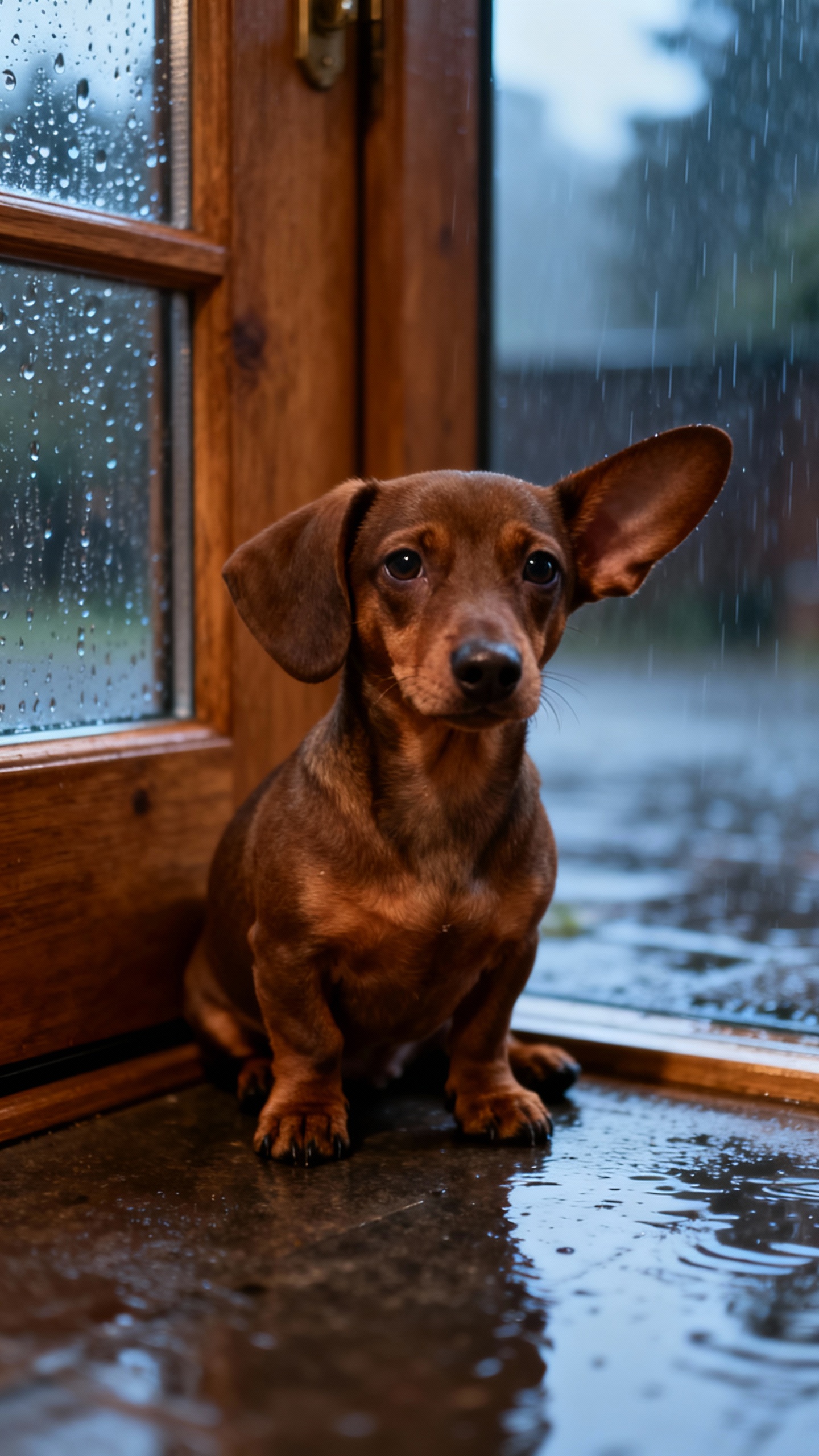
Rain, Snow, and Other Dachshund Insults
Short legs + wet grass = mutiny. Outfit your dog with a coat, clear a small patch of grass, and keep trips short and rewarding. If they refuse outside, do a quick crate reset for 10–15 minutes, then try again. Don’t give up and let them go inside “just this once.” Dachshunds remember loopholes forever.
Optional Tools That Help (A Lot)
Sometimes you need backup. No shame.
- Bells by the door: teach them to ring to go out. Tap the bell with their paw or nose before every trip. Reward when they use it properly.
- Leash timer: set reminders on your phone to keep breaks consistent.
- Grass potty mat on a balcony: handy for apartments—but still guide them to it and reward like crazy.
What About Pee Pads?
IMO, pee pads can confuse dachshunds because they feel like “indoor bathroom = allowed.” If you must use them, place them in a consistent location and plan to transition outdoors gradually.
Milestones and Expectations
Let’s set realistic expectations so you don’t declare defeat at week two.
- Week 1–2: Frequent trips, lots of treats, accidents still possible.
- Week 3–4: Fewer accidents, better signals, crate routine smooths out.
- Month 2–3: Reliable with your schedule, may hold it through the night.
- Adult dachshunds: Can learn fast, but habits take a few weeks to cement.
Remember: progress isn’t linear. Weather, stress, or a schedule change can cause setbacks. Just tighten the routine and keep going.
Troubleshooting: When Your Doxie Plays You
Some dachshunds try to milk outside time for sniff-safaris. Nice try, buddy.
- Business first: if they don’t go in 5 minutes, back inside and try again soon.
- Play after potty: unlock fun time only after they finish. That way, outside = potty + party.
- Track patterns: keep a quick log for a few days to spot reliable times.
If you see sudden accidents in a previously trained dog, rule out medical issues like UTIs. Short trip to the vet beats weeks of frustration.
FAQs
How long does it take to house-train a dachshund?
Most see solid progress in 3–6 weeks with consistent routines. Full reliability can take a couple of months, especially with weather drama or schedule changes. Keep the structure tight, and don’t skip the rewards.
Should I punish accidents?
Nope. Punishment just teaches your dog to hide it. Interrupt gently if you catch them mid-accident, head outside, and reward if they finish there. Then clean with an enzyme cleaner and adjust your timing.
What if my dachshund refuses to go in the rain?
Use a coat, clear a small area of grass, and keep trips short and rewarding. You can also use an umbrella and stand still. If they balk, back to the crate for a short break, then try again. Consistency beats weather tantrums, IMO.
Can I use pee pads permanently?
You can, but it can make outdoor training slower. If you want outdoor reliability, treat pee pads as a stepping stone. Move the pad closer to the door over time, then outside to a covered spot, and finally to grass.
How do I know when they “get it”?
You’ll see fewer accidents, they’ll head to the door or their spot, and they’ll go quickly after you give the cue. They’ll also start holding it between breaks. Keep rewarding randomly to maintain the habit.
Is crate training necessary?
Not mandatory, but very helpful—especially with dachshunds. It prevents sneaky accidents and helps build a predictable rhythm. Used correctly, most dogs love their crate.
Conclusion
You can absolutely house-train a dachshund without losing your mind—or your carpets. Build a consistent routine, pick a potty spot, crate smart, supervise like a hawk, and reward like you mean it. Expect some stubbornness and a little drama, but stay calm and consistent. Your tiny detective will crack the case of “where to go” faster than you think.

I’ve spent 10+ years in dog training, digging into what makes dogs (and their humans) tick. At Smart Dog Learning, I share my no-nonsense, fun approach to training so you can enjoy life with a well-behaved, happy pup—no boring lectures, just practical results 😉