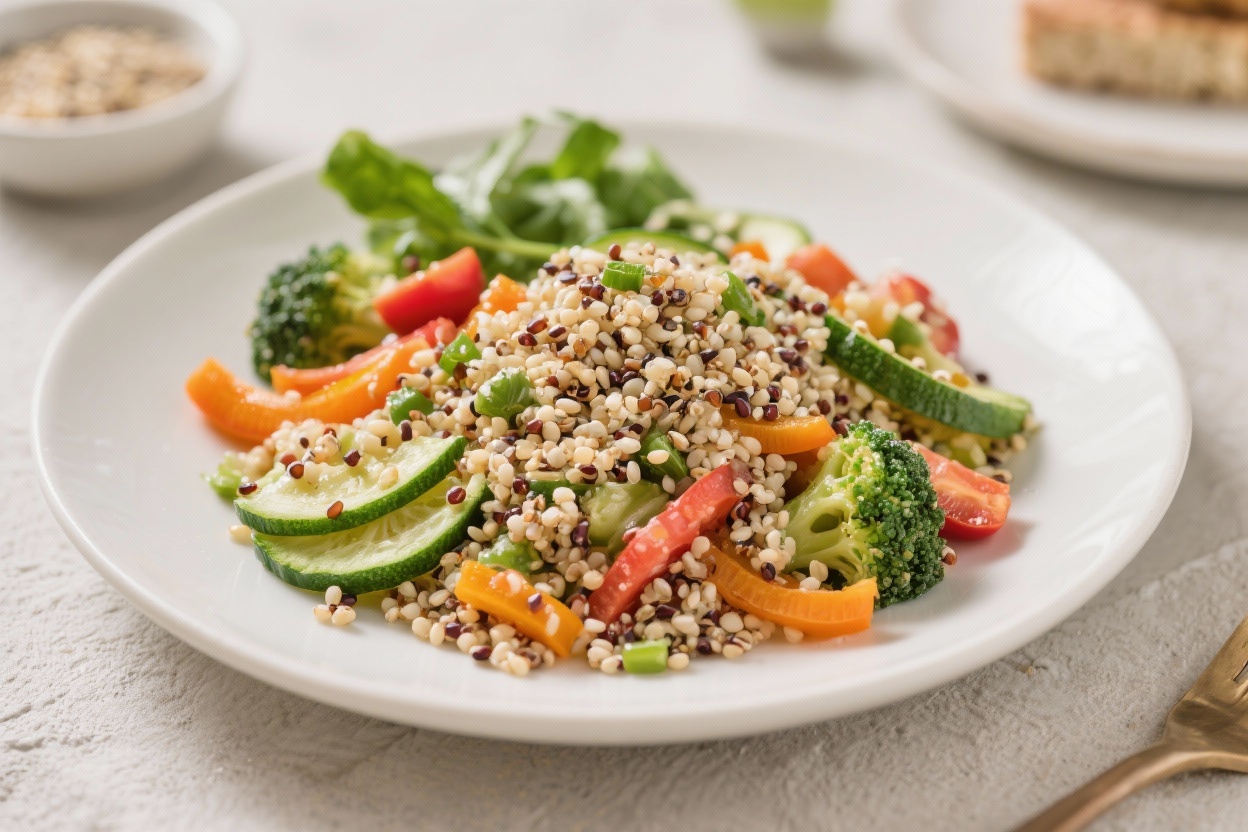
Dog Food With Quinoa and Vegetables for Balanced Nutrition – A Simple, Homemade Recipe
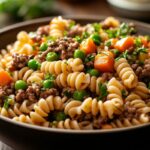
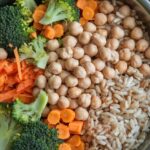
Quinoa and vegetables can make a wholesome, balanced meal for your dog when prepared the right way. This recipe is gentle on the stomach, easy to batch-cook, and full of real-food nutrients. It’s a great option if you want to cut down on fillers and focus on clean ingredients.
Best of all, it’s flexible—perfect for dogs with sensitivities or picky eaters. Always check with your vet before making big changes to your dog’s diet.
What Makes This Special
This homemade mix uses quinoa as a complete protein source, which isn’t common in many homemade dog meals. It’s naturally gluten-free and easy to digest.
Paired with lean protein and dog-safe vegetables, it delivers a nice balance of protein, fiber, vitamins, and healthy fats. You get control over the ingredients, and your dog gets a fresh, tasty meal.
Ingredients
- 1 cup uncooked quinoa, thoroughly rinsed
- 1.5 pounds lean ground turkey or chicken (or 2 cups cooked, shredded chicken)
- 2 cups low-sodium chicken broth (or water)
- 1 cup finely chopped carrots
- 1 cup chopped green beans (fresh or frozen)
- 1 cup chopped spinach or kale (stems removed)
- 1/2 cup peas (fresh or frozen)
- 1 tablespoon olive oil (or salmon oil for omega-3s)
- 1 large egg (optional, for extra protein and nutrients)
- Calcium source (such as a vet-recommended calcium supplement or finely ground eggshell powder)
- Optional add-ins: 1/2 teaspoon turmeric, a sprinkle of parsley, or a vet-approved multivitamin designed for homemade diets
Important: Avoid onions, garlic, excessive salt, and seasonings. Stick to dog-safe ingredients only.
Step-by-Step Instructions
- Rinse the quinoa well. Place it in a fine mesh strainer and rinse under cold water for 30–60 seconds to remove bitterness.
- Cook the quinoa. Add quinoa and broth (or water) to a pot at about a 1:2 ratio.
Bring to a boil, then reduce to low, cover, and simmer for 15 minutes until fluffy. Set aside.
- Brown the protein. In a large skillet, warm the olive oil over medium heat. Add the ground turkey or chicken and cook through, breaking it up with a spatula.
Drain any excess fat.
- Soften the vegetables. Add carrots and green beans to the skillet. Cook for 5–7 minutes until tender. Stir in peas and spinach for the last 2–3 minutes until wilted and bright.
- Combine everything. In a large bowl or pot, mix the cooked quinoa, meat, and vegetables.
If using an egg, scramble it in a separate pan and stir it into the mixture while still warm.
- Add supplements. Once the mixture has cooled to warm (not hot), mix in your calcium source and any vet-approved supplements. Follow the dosage on the product label.
- Cool and portion. Let the food cool completely. Portion into daily servings based on your dog’s size and needs.
- Serve appropriately. Start by mixing a little with your dog’s current food and increase gradually over 3–5 days to avoid stomach upset.
Storage Instructions
- Refrigerator: Store in airtight containers for up to 4 days.
- Freezer: Freeze in meal-sized portions for up to 2 months.
Thaw overnight in the fridge.
- Reheating: Warm gently on the stove or in the microwave until just warm, not hot. Add a splash of water or broth if it looks dry.
- Food safety: Discard any leftovers that sat at room temperature for more than 2 hours.
Health Benefits
- Balanced macronutrients: Lean meat provides protein and essential amino acids; quinoa adds complete plant protein and complex carbs for energy.
- Digestive support: Vegetables offer fiber to support regular bowel movements and a healthy gut.
- Micronutrients: Carrots supply beta-carotene; spinach adds iron and folate; green beans bring vitamins A, C, and K.
- Healthy fats: Olive or salmon oil supports skin, coat, and joint health with omega fatty acids.
- Lower sodium and additives: Making it at home helps you avoid excess salt, fillers, and artificial flavors.
Common Mistakes to Avoid
- Skipping calcium. Homemade dog food often lacks calcium unless you add it. Use a vet-recommended supplement.
- Using seasonings. Avoid garlic, onion, excess salt, and spicy ingredients.
Keep it simple and dog-safe.
- Overcooking greens. Lightly wilt spinach or kale to keep nutrients intact and texture appealing.
- Not rinsing quinoa. Unrinsed quinoa can taste bitter and upset sensitive stomachs.
- Wrong portion sizes. Overfeeding can lead to weight gain. Measure meals based on your dog’s weight, age, and activity level.
Variations You Can Try
- Protein swap: Use lean beef, white fish, or eggs. Choose one primary protein at a time to watch for sensitivities.
- Alternative carbs: Replace some quinoa with brown rice, barley, or sweet potato if your vet approves.
- Veggie mix-ins: Try zucchini, pumpkin, or broccoli (finely chopped and cooked).
Introduce new veggies slowly.
- Omega boost: Add a little canned sardine (in water, no salt) once or twice a week for extra omega-3s.
- Bone broth: Use low-sodium, onion-free bone broth instead of water for extra flavor and hydration.
FAQ
How much should I feed my dog?
As a general starting point, feed about 2–3% of your dog’s body weight per day, split into two meals. For example, a 25-pound dog might eat 8–12 ounces daily. Adjust based on activity, age, and body condition, and confirm with your vet.
Is quinoa safe for all dogs?
Most dogs tolerate quinoa well when cooked and rinsed properly.
If your dog has a sensitive stomach or a history of food reactions, introduce it slowly and watch for signs like itching, gas, or loose stools.
Do I still need a supplement?
Yes. A calcium source is essential, and many homemade diets benefit from a balanced multivitamin designed for dogs. Your vet or a board-certified veterinary nutritionist can recommend the right products and dosages.
Can I make this recipe grain-free?
Quinoa is technically a seed, not a grain, but if you need to avoid it, try sweet potato or pumpkin as the carb source.
Always confirm big diet changes with your vet, especially for dogs with health conditions.
Can I feed this to puppies?
Puppies have higher nutrient needs and require precise calcium-to-phosphorus ratios. This recipe can be adapted for puppies, but only under guidance from your vet or a veterinary nutritionist to ensure proper growth.
How long can I keep it in the fridge?
Up to 4 days in an airtight container. For longer storage, freeze portions and thaw as needed.
Can I use canned vegetables?
Use fresh or frozen when possible.
If you use canned, choose no-salt-added options and rinse them well to reduce sodium.
What if my dog is allergic to chicken or turkey?
Swap for lean beef, lamb, or white fish. Introduce one new protein at a time and monitor your dog’s response.
In Conclusion
Dog Food with Quinoa and Vegetables is a simple, flexible way to serve balanced, homemade meals. With lean protein, fiber-rich veggies, and the right supplements, it can support steady energy, a healthy coat, and good digestion.
Start small, measure portions, and check in with your vet for personalized guidance. Your dog gets real food, and you get peace of mind knowing exactly what’s in the bowl.
Printable Recipe Card
Want just the essential recipe details without scrolling through the article? Get our printable recipe card with just the ingredients and instructions.

I’ve spent 10+ years in dog training, digging into what makes dogs (and their humans) tick. At Smart Dog Learning, I share my no-nonsense, fun approach to training so you can enjoy life with a well-behaved, happy pup—no boring lectures, just practical results 😉