
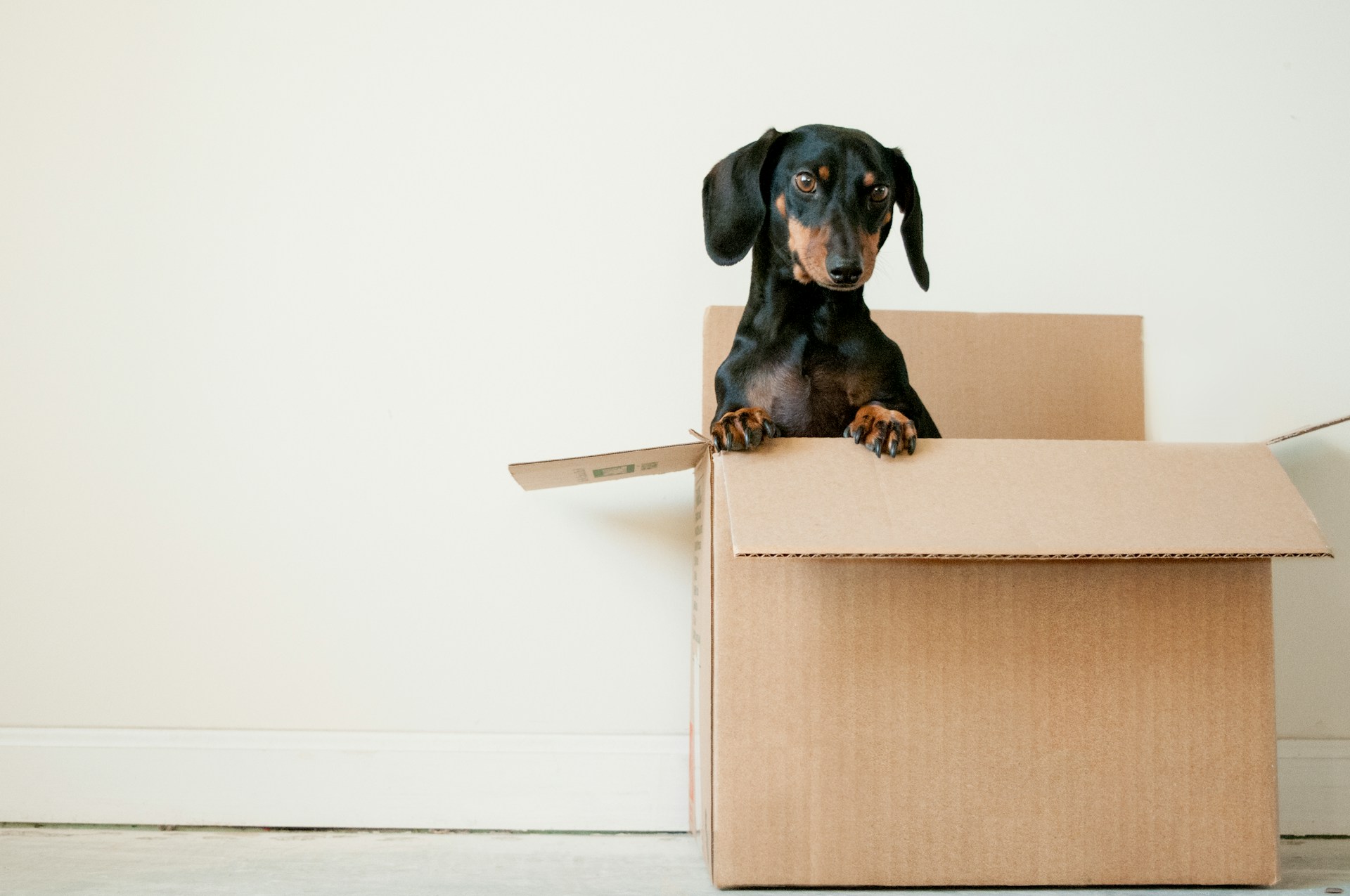
5 Dachshund Puppy Training Tips To Manage Their Stubborn Streak
Dachshund puppies are tiny comedians with big opinions. They know what they want, and spoiler: it’s usually not what you want. If your little sausage is giving you side-eye during training, you’re not alone.
The good news? You can outsmart that stubborn streak with consistency, humor, and a pocket full of treats.
Know What You’re Working With: The Dachshund Mindset
Dachshunds were bred to hunt badgers. That means a brave heart, sharp nose, and an independent brain that says, “I’ve got this, human.” They don’t resist because they’re “bad.” They resist because they believe their idea might be better.
So step one: respect the breed. You’re not training a golden retriever. You’re negotiating with a brilliant, low-riding lawyer who cross-examines your every request.
Tip #1: Make Training Feel Like a Game
Dachshunds live for fun.
If training feels boring or repetitive, they clock out fast. Turn every lesson into a short, high-energy game.
- Use tiny, tasty rewards: chicken, cheese, or store-bought training treats. Rotate flavors to keep things exciting.
- Keep sessions short: 3–5 minutes, 3–5 times per day.
Quit while they still want more.
- Celebrate big: Yes, use your happy voice. Act like they solved a complex math equation when they sit.
Power Tip: Create a “training party” vibe
Pick a cue like “Ready?” to signal it’s game time. Smile, move, praise.
If you look bored, your pup will mirror that. IMO, enthusiasm beats any fancy technique.
Tip #2: Out-Stubborn the Stubborn with Consistency
You can’t wrestle a Dachshund into obedience. You can, however, outlast them with calm consistency.
Rules only work if they always apply.
- One cue, one meaning: If “Down” means lie down, don’t use it to get off the couch. Pick different words.
- Don’t repeat cues: Say “Sit” once. If nothing happens, reset with a lure or step back and try again.
- Daily practice: Sprinkle obedience into everyday life—sit before meals, wait at doors, check-ins on walks.
What to do when they ignore you
If your pup tunes you out, lower the difficulty:
- Move to a quieter room.
- Use better treats.
- Make your reward timing faster.
FYI, “stubborn” often means “confused” or “underpaid.”
Tip #3: Harness Their Nose and Instincts
You won’t erase a Dachshund’s prey drive.
You’ll win by channeling it. Give them jobs that use their super-sniffer and problem-solving brain.
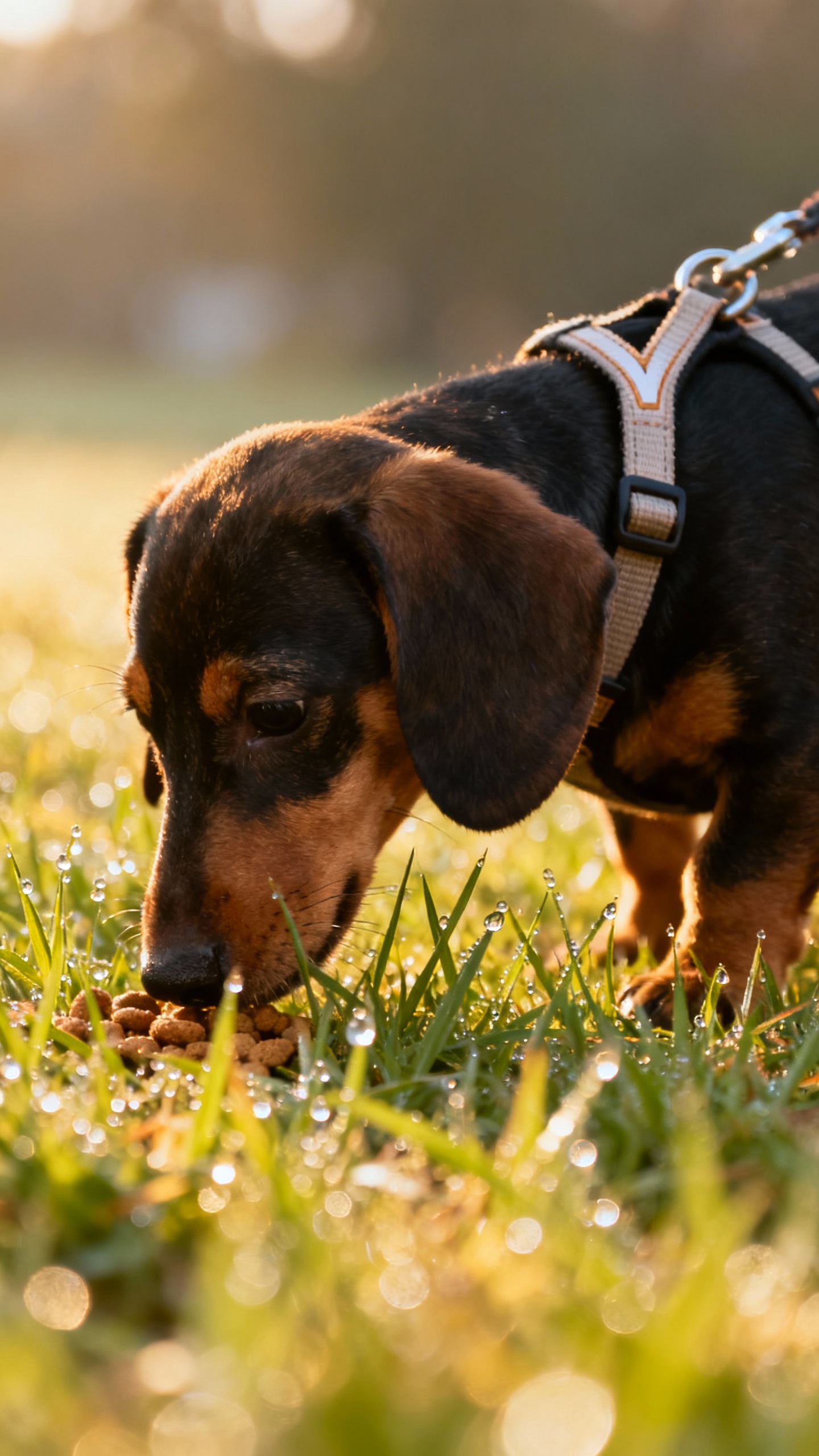
- Scatter feeding: Toss kibble in the grass and let them hunt for it. Cheap and effective enrichment.
- Sniff walks: Let them explore for a few minutes before you ask for focused walking.
A sniff break reduces pulling and whining.
- Find-it games: Hide treats or a favorite toy and say “Find it!” Build difficulty slowly.
Training move: “Work to earn”
Ask for a simple cue (sit, touch, down) before access to resources: meals, toys, couch, yard. You turn everyday life into training reps without extra time.
Tip #4: Reward What You Like, Ignore What You Don’t
Dachshunds love attention—good or bad. You’ll accidentally reinforce whining or barking if you react every time.
Reward calm and compliance like it’s your job.
- Catch the good stuff: Treat or praise when you see quiet lying down, eye contact, or coming to check in.
- Use a marker word: Say “Yes!” the instant they do the behavior, then deliver the reward. Your timing matters.
- Strategic ignoring: If they bark for attention, look away and wait for a second of quiet. Then mark and reward the silence.
When to interrupt, not ignore
If the behavior could rehearse into a habit (like door-dashing or couch acrobatics), calmly interrupt and redirect:
- Leash on in the house to prevent sprinting to the door.
- Baby gates to block forbidden zones.
- Crate or playpen for downtime after high-energy bursts.
Tip #5: Nail the Essentials Early: Potty, Crate, and Alone Time
Let’s talk foundations.
You’ll save yourself so much frustration if you lock in the basics from day one.
Potty training shortcuts
- Take them out constantly: After waking, eating, playing, and every 30–60 minutes.
- Use one potty spot: The smell helps them learn faster.
- Reward outside only: Treat within 2 seconds of finishing. No delayed celebrations indoors.
- Supervise or contain: Tether to you or use a playpen to prevent silent accidents.
Crate = cozy den
- Feed meals in the crate with the door open at first.
- Short sessions with a stuffed Kong build positive vibes.
- Never use the crate as punishment. It’s their spa, not jail.
Prevent separation drama
Practice mini departures.
Grab keys, step out for 30 seconds, return casually. Build up slowly. You’ll thank yourself when you can leave the house without a dachshund opera.
Tip #6: Teach “Settle” and “Place” to Tame the Zoomies
A reliable “settle” cues your pup to relax on a mat or bed.
It gives their busy brain a clear off-switch.
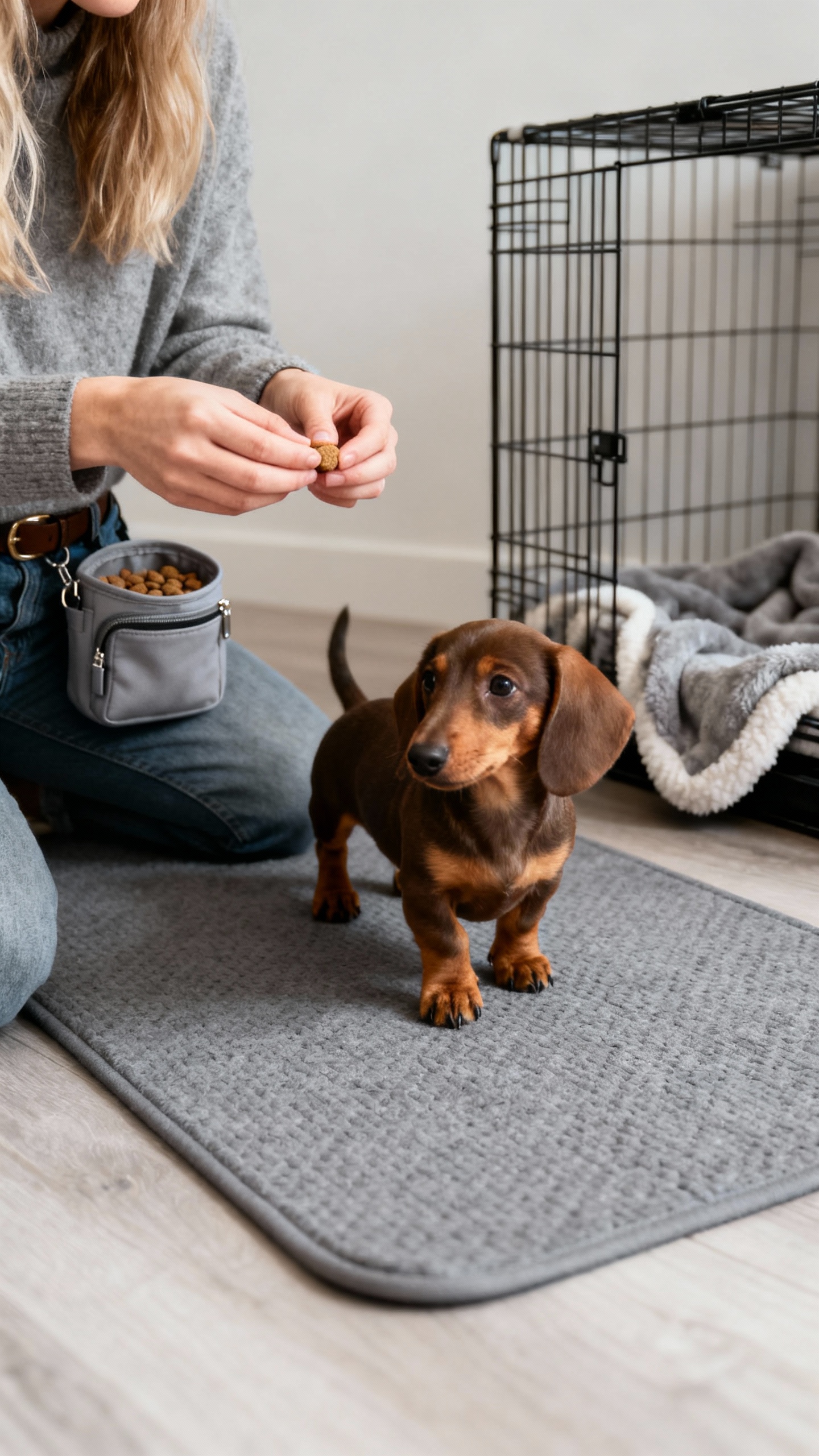
- Start simple: Toss a treat onto the mat. When they step on it, say “Yes!” and feed another treat on the mat.
- Add duration: Reward for staying there longer—one second, then three, then five.
- Add your cue: Say “Place” right before they step on the mat. Slowly phase out the lure.
Why this works
Dachshunds often get labeled “wild” because they don’t know how to shut down.
Teaching a default chill spot helps them self-regulate. It also keeps their nose off your charcuterie board, which is a win for everyone.
Tip #7: Be Fair About Difficulty and Distractions
If your pup nails “sit” in the kitchen but blows you off at the park, that’s normal. You need a training ladder.
- Start in a quiet room.
- Add mild distractions (TV on, people moving).
- Move to the yard.
- Then the sidewalk.
- Finally, busy environments (parks, pet stores).
If they fail three times in a row, you leveled up too fast.
Drop down a step. IMO, success snowballs when you protect your win rate.
Common Mistakes to Avoid
- Overlong sessions: Mental fatigue = “stubborn.” Keep it short and sweet.
- Weak rewards: Kibble might not cut it outside. Upgrade to chicken for tough environments.
- Inconsistent rules: Couch today, banished tomorrow?
Confusion breeds pushback.
- Skipping enrichment: A bored Dachshund invents chaos. Daily sniffing and puzzle time matter.
FAQ
How do I stop my Dachshund puppy from barking at everything?
Give them a job before they invent one. Start with controlled windows of “quiet” training—reward silence when they notice a trigger but don’t bark.
Add a cue like “Thank you” after one or two barks, then redirect to a mat or a sniffy treat scatter. Meet their needs first: potty, exercise, and enrichment reduce alert barking dramatically.
Are Dachshunds hard to potty train?
They can be, mostly because they’re small and sneaky. Tight supervision, frequent outdoor trips, and instant rewards make the difference.
Use an enzymatic cleaner for accidents and prevent free-roaming until you’ve had several clean weeks. Consistency wins here more than anything.
What’s the best leash setup for a Dachshund puppy?
Use a well-fitted harness that avoids pressure on the neck—look for Y-shaped designs. Pair it with a 4–6 foot leash and keep pockets of tiny treats for rewarding loose-leash moments.
Start in low-distraction areas, and let them sniff before asking for focus. A tired nose equals a cooperative walker.
How many training sessions should I do per day?
Aim for 3–5 mini sessions of 3–5 minutes each. Sprinkle micro-reps into daily life—sit before meals, wait at doors, check-ins on walks.
Tiny bursts beat marathon sessions every time and keep that stubborn streak from waking up.
Can I use a clicker with my Dachshund?
Absolutely. Many Dachshunds respond brilliantly to clicker training because the sound precisely marks the behavior. If the clicker feels awkward, use a crisp “Yes!” instead.
The key is timing: mark the instant they do the thing you want.
What should I do if my puppy refuses to come when called?
Make recall ridiculously rewarding and never use it to end fun. Start indoors with a happy “Come!” then run backward and shower them with treats and praise. Use a long line outside and pay jackpot rewards for fast responses.
Don’t call if you think they’ll ignore you—go get them and reset.
Conclusion
Dachshunds come with opinions, charisma, and a surprising talent for selective hearing. But with playful training, rock-solid consistency, and smart use of their instincts, you’ll turn that stubborn streak into cooperation. Keep sessions short, make rewards awesome, and celebrate every win.
Your little hot dog will learn fast—and you’ll both have a lot more fun along the way.
I’ve spent 10+ years in dog training, digging into what makes dogs (and their humans) tick. At Smart Dog Learning, I share my no-nonsense, fun approach to training so you can enjoy life with a well-behaved, happy pup—no boring lectures, just practical results 😉