6 Labrador Puppy Training Tips For A Happy, Obedient Dog
Puppy teeth on your shoelaces? Zoomies at 6 a.m.? Welcome to Labrador life.
The good news: Labs want to please you. The better news: you can shape that goofy energy into a well-mannered, happy companion with a few smart moves. Let’s get you both set up for wins (and fewer chewed phone chargers).
Start Training on Day One
You don’t need a diploma or a clicker arsenal.
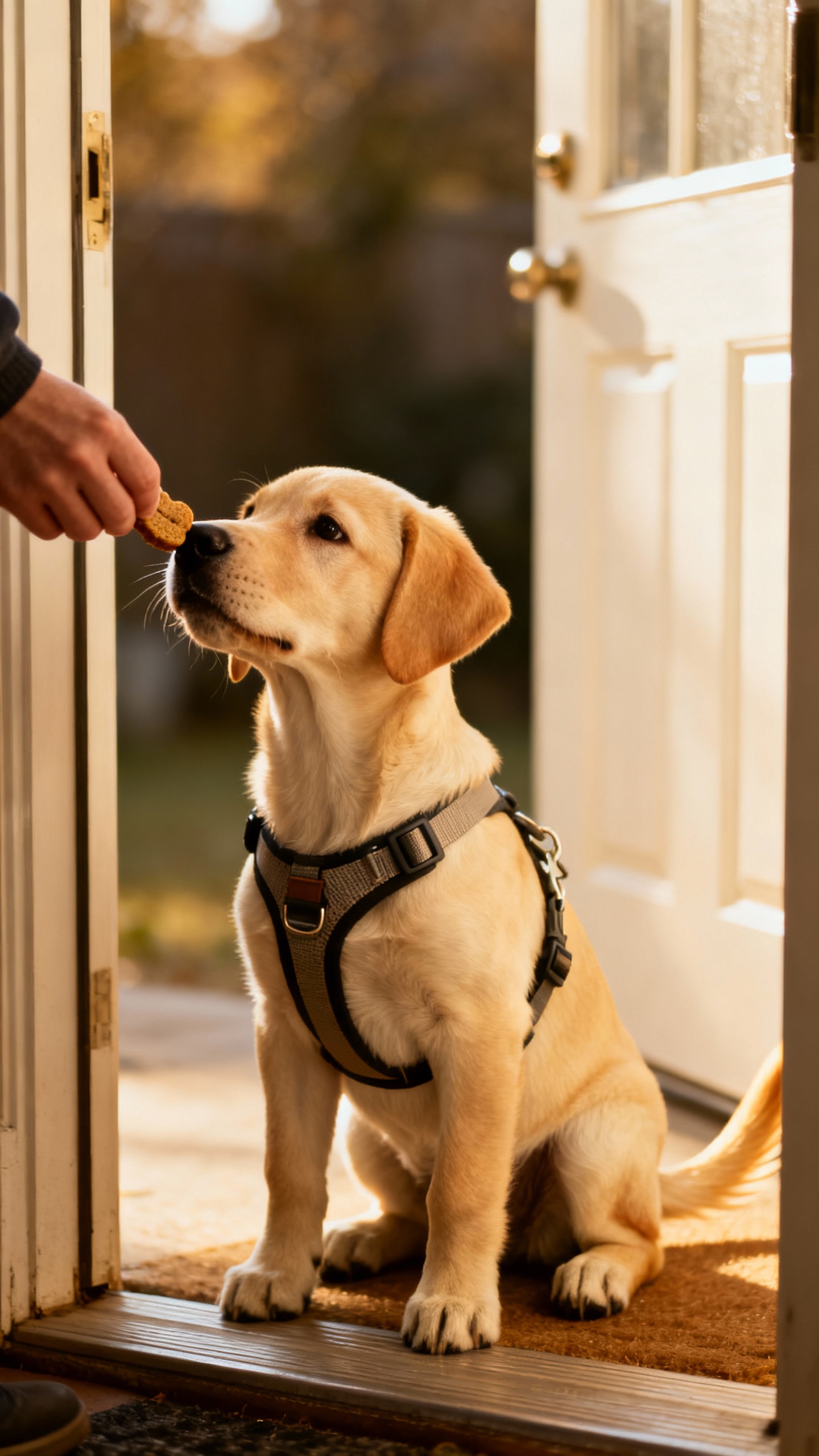
You need consistency, snacks, and timing. The moment your pup comes home, teach simple behaviors: name recognition, sit, and “come.”
- Name game: Say their name. When they look, mark it with “Yes!” and give a treat.Five reps, then break.
- Micro-sessions: Keep it 1–3 minutes. Labs learn fast but fry faster.
- Reward what you want: Pup sits? Treat.Pup stares politely? Treat. You’re building a habit bank.
Build an “Automatic Sit”
Stand still.
Wait. The second your Lab plops a butt down, say “Yes!” and reward. Do this at doors, before meals, and at crosswalks.
You’ll wire calm into everyday moments without nagging “sit” 400 times.
Crate and Potty Training: Your Sanity Savers
Crates aren’t jail. They’re a bedroom with a door. Use them to prevent bad habits and keep your house intact.
- Right size crate: Enough room to stand, turn, and lie down.Too big and you get a pee corner, FYI.
- Crate = awesome: Feed meals in it. Toss treats into it. Close the door for short naps, then out for a fun game.
- Night routine: Last potty break, quiet entry to crate, lights out.No drama, no speeches.
Potty Schedule That Works
After every nap, play session, and meal, go outside to the same spot. Say a cue (“Go potty”), wait silently, then praise and reward like they just won Wimbledon. Inside accidents?
Clean with enzymatic cleaner and move on. No scolding—your pup will only learn to hide it better.
Bitey Crocodile Phase: Manage, Don’t Rage
Lab puppies mouth. It’s like breathing to them.
You can save your sleeves with a few tactics.
- Redirect, don’t punish: When teeth land on skin, calmly swap in a tug toy or chew. Praise when they chomp the right thing.
- Use puppy-safe chews: Frozen Kongs, braided bully sticks, and rubber toys beat your wrists every time.
- Stop the game if it escalates: Stand up, cross arms, 10-second timeout. Then offer a toy and resume.
Teach Soft Mouth
Hand-feed some kibble.
If teeth scrape, say “Easy,” close your hand, and try again. Reward gentle lips. Repeat until you get soft-mouth vibes consistently.
It’s surprisingly fast with Labs.
Leash Manners Without the Sled Team
Your Lab pulls because moving forward works. Change the rules: pulling stops the world, loosening earns the stroll.
- Fit a front-clip harness for leverage and comfort.
- As soon as the leash tightens, stop. Plant your feet.Wait for the leash to slacken, mark “Yes,” and walk.
- Pay for position: treat by your left hip every few steps when they’re near you.
Patterned Walks That Click
Pick a cue spot like every mailbox or driveway. Ask for “sit,” then release with “Let’s go!” It adds rhythm and mental breaks, which reduce pulling. Also, let your Lab sniff—sniffing drains energy and keeps behavior sane, IMO.
Socialization: Curate, Don’t Chaos
Labs love everything.
That doesn’t mean everything loves them back. Socialization means calm, positive exposure, not a dog-park free-for-all.
- People and places: See hats, wheelchairs, kids on scooters, umbrellas, elevators. Treat for calm curiosity.
- Surfaces and sounds: Grates, gravel, hardwood, vacuums, doorbells, truck noises.Pair with snacks.
- Dog friends: Choose polite adult dogs or well-run puppy classes. Short, structured play beats mayhem.
Stress Check: The “Three C’s”
Watch for Curiosity (leaning in), Caution (hesitation), and Conflict (barking, freezing, or hiding). Stay at the curiosity zone.
If you see caution, add distance and treats. Conflict? Retreat and try an easier version later.
Teach the Big Three: Come, Drop, Leave It
These cues save socks, drones of backyard birds, and your sanity.
1) Reliable Recall (“Come!”)
– Start indoors.
Say “Puppy, come!” as you crouch. Reward like you’re a human snack machine. – Play ping-pong recalls with two people across the room. – Outside, add a long line. Pay huge: cheese, hot dogs, tug.
Never punish after a recall—ever.
2) Drop It
Trade, don’t chase. Offer a tasty treat near the mouth, say “Drop,” and reward when the item falls. Then give the item back sometimes so they don’t guard it.
Make it a fun negotiation, not a theft.
3) Leave It
Hold a treat in a closed fist. Pup sniffs and paws? Wait silently.
The second they back off, mark and reward from your other hand. Level up to dropped food, then sidewalk chicken bones (the final boss).
Mental Work: Tire the Brain, Not Just the Legs
A bored Lab will invent a DIY renovation. Use enrichment to channel that big Lab brain.
- Meal puzzles: Snuffle mats, Kongs, slow bowls.Ditch the plain bowl, FYI.
- Training games: 5-minute trick sessions: spin, touch, bow, settle on a mat.
- Nosework: Hide treats in boxes and let your detective go to work.
Calm on Cue
Teach “Place” on a dog bed. Lure them onto it, mark “Yes,” and feed a treat party between their paws. Add duration a few seconds at a time.
Use it during dinner, TV time, and when guests arrive. Golden.
Consistency: The Boring Secret Sauce
Everyone in the house needs the same rules. If you let jumping happen sometimes, you teach “try harder.” Set simple house rules and stick to them.
- No jumping: Ignore jumpers, reward sits.Guests play along or the pup stays on “Place.”
- Chew protocol: All shoes away, chews available. Don’t tempt fate.
- Daily rhythm: Potty, train, play, nap, repeat. Predictability reduces chaos, IMO.
FAQ
How long can my Labrador puppy hold their bladder?
A rough guide: age in months plus one equals hours they might hold it, up to about 4–5 hours in the day.
Night stretches can run longer. Still, take frequent breaks to prevent accidents and set up strong habits.
When do I start leash training?
Start inside immediately. Practice walking next to you with a loose leash and lots of small rewards.
Then graduate to the yard and quiet streets before tackling busy areas.
How do I stop my Lab from jumping on guests?
Pre-load your pup with “Place” or a sit at the door. Reward sits heavily and turn your back if paws leave the floor. Coach guests in advance: greet only when four-on-the-floor happens.
Is a clicker necessary?
Nope.
A clicker helps with timing, but a crisp “Yes!” works great. The key is marking the exact moment your pup gets it right, then rewarding fast.
What if my puppy ignores treats outside?
Lower the difficulty. Create distance from distractions and use higher-value rewards (chicken, cheese).
Keep sessions short, and end on a win to build momentum.
How much exercise does a Lab puppy need?
Think multiple short play and training bursts rather than marathon runs. Keep formal impact low while joints grow, but offer plenty of sniffing, puzzle feeding, and gentle fetch on soft ground.
Conclusion
Raise a Labrador with smart structure, and you’ll get a goofy, loyal teammate who listens even when life gets exciting. Start early, reward generously, and keep sessions tiny.
When in doubt, reset, simplify, and try again. You’ve got this—and your shoes might even survive.
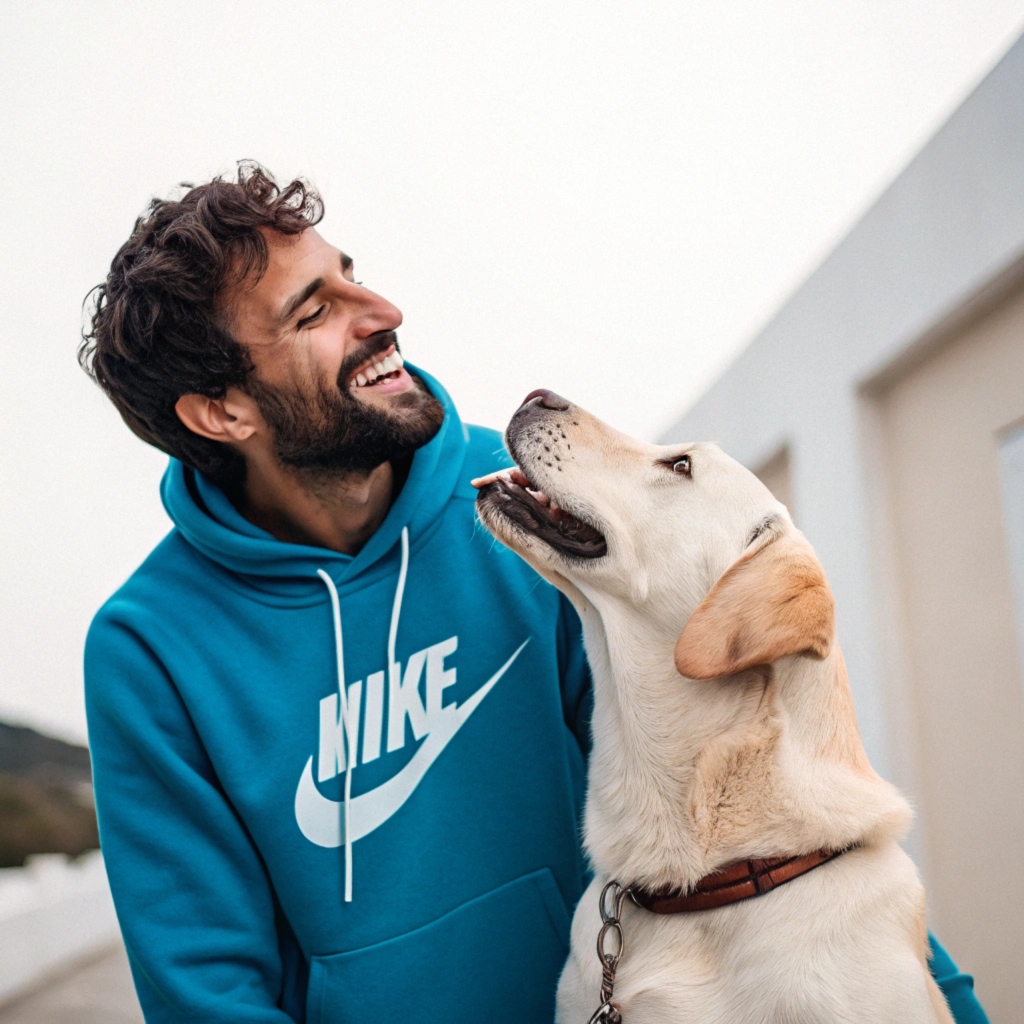
I’ve spent 10+ years in dog training, digging into what makes dogs (and their humans) tick. At Smart Dog Learning, I share my no-nonsense, fun approach to training so you can enjoy life with a well-behaved, happy pup—no boring lectures, just practical results 😉