5 French Bulldog Puppy Training Tips For A Well-behaved Companion
French Bulldog puppies come with big personalities packed into compact, wiggly bodies. They charm you fast—and then they chew your shoelaces faster. If you want that cuteness to grow into an easygoing, well-mannered sidekick, you need a plan.
Let’s skip the fluff and get into the training tips that actually work for Frenchies.
Start with the basics: routines, rules, and the right mindset
Consistency turns chaos into good habits. French Bulldogs thrive when you set clear expectations and follow them daily. The earlier you start, the easier everything becomes.
- Set a daily schedule: Feeding, potty breaks, play, and sleep should happen around the same time each day.
- Keep sessions short: 5–10 minutes works best—Frenchies get bored fast, and boredom equals shenanigans.
- Reward what you want: Mark good behavior with a cheerful “Yes!” and a treat.
Ignore or redirect the rest.
Why your attitude matters
Frenchies pick up on your vibe. Stay calm and positive, even when they decide the bath mat is a chew toy. They respond way better to encouragement than to scolding—IMO, that’s the secret sauce.
House training without the tears (yours or theirs)
Potty training a Frenchie isn’t hard, but it requires timing.
Their bladders are small, and their timing… unpredictable. You can handle this.
- Crate training = your best friend: A cozy crate helps with bladder control and prevents midnight messes. Size it so your puppy can stand, turn, and lie down—no puppy palaces.
- Take them out often: Right after waking, eating, playing, and every 2–3 hours.
Go to the same spot and use a cue like “Go potty.”
- Throw a party for success: Immediate praise and a tiny treat. Timing matters—reward within 2 seconds.
- Missed the mark?: Clean with enzymatic cleaner and move on. No scolding—your dog will just get sneaky.
Nighttime game plan
Limit water an hour before bed, take a late potty break, and set an alarm for one quick outing if needed the first couple weeks.
You’ll both sleep better soon.
Teach the essentials: sit, stay, come—without boring your pup
Your Frenchie isn’t trying to be stubborn; they’re just practical. If it doesn’t feel rewarding, they’ll opt out. Make training a game.
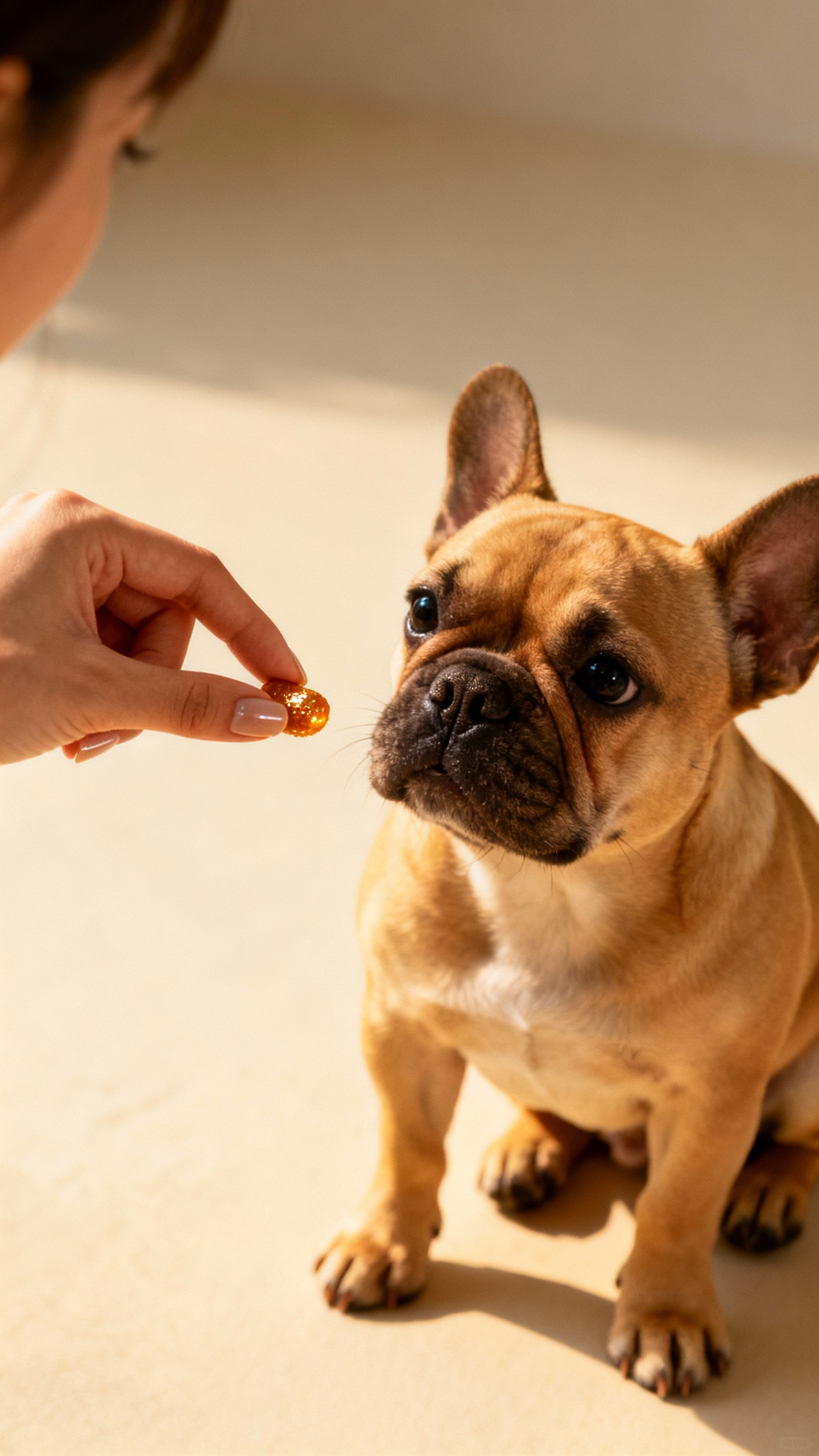
- Sit: Hold a treat above their nose and move it back.
As their bum hits the floor, say “Yes!” and treat.
- Stay: Ask for sit, open your palm like a stop sign, say “Stay,” hold one beat, then release with “Okay!” Build duration slowly.
- Come: Use a happy voice, crouch down, say their name + “Come,” and reward like you’re a vending machine of dreams.
Leash manners without the tug-of-war
Start indoors. Reward your puppy for walking at your side. If they pull, stop.
Be a statue until the leash loosens, then move again. It’s boring—but it works.
Socialization: confident, not chaotic
French Bulldogs can lean clingy. Smart socialization teaches them to handle new people, dogs, and environments without turning into a shadow or a diva.
- Quality over chaos: Short, positive exposures beat crowded dog parks.
Think: walking near a playground, sitting outside a cafe, meeting one calm dog at a time.
- Pair with treats: Every new sight or sound equals a snack. New garbage can? Treat.
Skateboard? Treat. You get it.
- Handle with care: Touch paws, ears, and mouth gently while feeding treats.
Your vet will thank you later.
Red flags to watch
If your puppy cowers, freezes, or barks nonstop, you pushed too far. Back up, decrease intensity, and try again. FYI, bravery grows in baby steps.
Break the big three: nipping, chewing, and jumping
Puppies explore with their mouths.
Your hands are not chew toys, and your guests don’t want paw prints on their white pants. Let’s fix it.
Nipping
When your Frenchie nips, say “Ouch!” in a neutral tone, pause play, and redirect to a toy. Reward when they chew the right thing.
Consistency wins here.
Chewing
Provide chew options: rubber toys, frozen Kongs, and safe teething sticks. Rotate toys to keep them interesting. If they grab contraband, trade for a treat and then offer a legal chew.
Jumping
No attention for jumping—none.
Turn sideways, look away, and wait. As soon as all paws hit the floor, mark and reward. Ask for “Sit” before greeting.
Simple, not easy.
Frenchie-specific care: train with their body in mind
French Bulldogs are adorable—but they’re also a bit… high-maintenance. Training must respect their physical needs.
- Short noses, short workouts: Avoid overheating. Keep training cool and short, especially in warm weather.
- Small rewards: Use pea-sized treats to protect their waistline.
These little tanks gain weight fast.
- Watch for fatigue: Snorting, excessive panting, or slowing down means break time. Hydrate and rest.
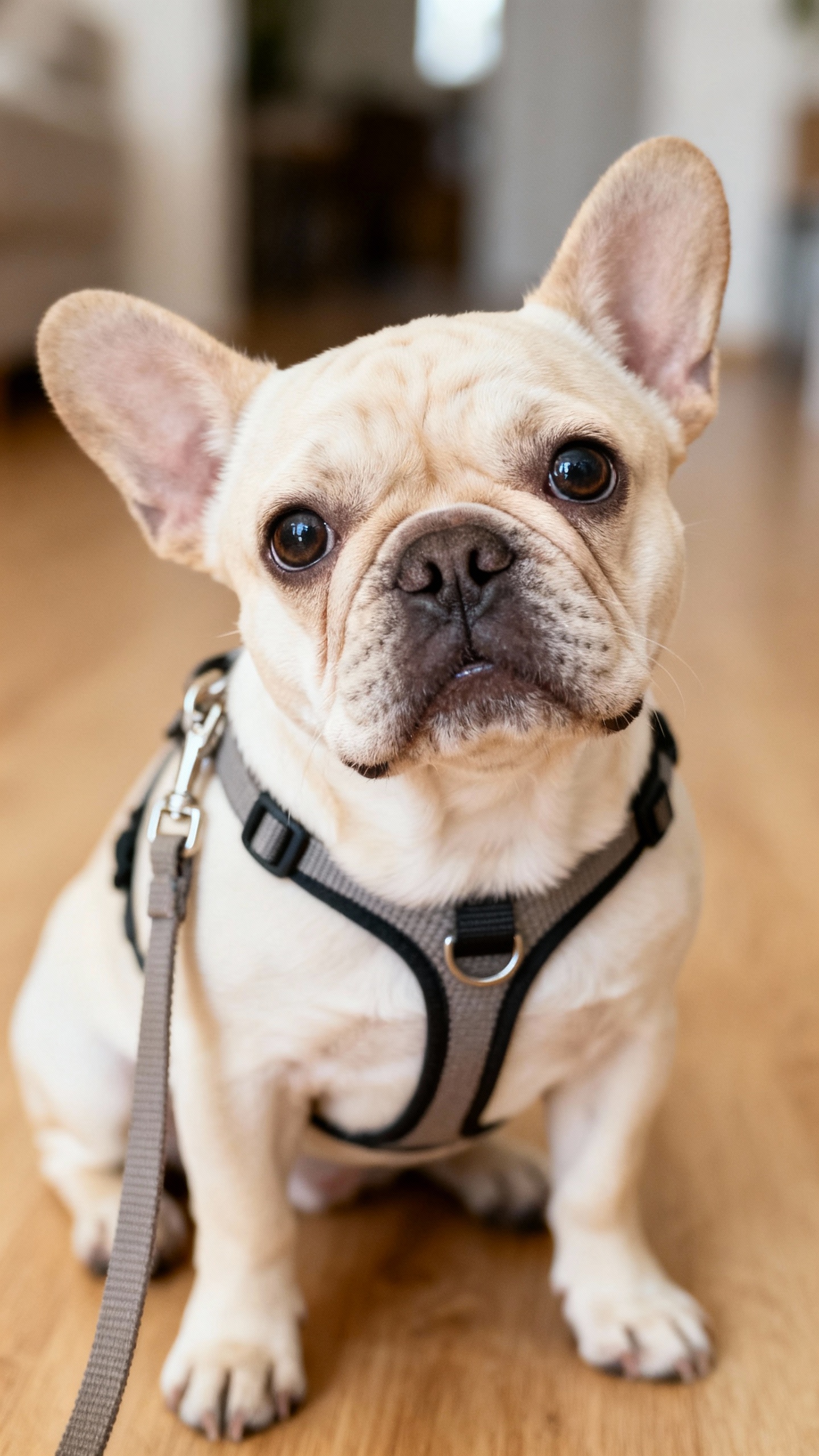
- Use harnesses: A front-clip harness protects their neck and reduces pulling. Collars can stress their airway.
Mental exercise beats mile-long runs
Frenchies love brain games.
Scatter-feed kibble, try simple puzzle toys, teach new tricks (spin, paw, touch). Tired brain = chill dog.
Make good behavior a lifestyle, not a course
Once your puppy knows the rules, apply them everywhere. Don’t let “sit” mean one thing in the kitchen and nothing at the front door.
Life rewards keep behaviors strong.
- Work for real-world stuff: Ask for a sit before meals, leashing up, couch time, or going outside.
- Randomize rewards: Treat sometimes, praise always. Variable reinforcement keeps them motivated.
- Keep practicing: A minute here, a minute there. Micro-sessions fit easily into your day.
When to get help
If you see resource guarding, intense fear, or nonstop barking, bring in a certified trainer who uses positive methods.
No shame—smart people outsource.
FAQ
How early should I start training my French Bulldog puppy?
Start the day you bring your puppy home. Keep it light: name recognition, potty routine, and a few simple cues. Their brain is a sponge, and early wins make everything easier.
What treats work best for training?
Use soft, tiny, high-value treats—think chicken, turkey, or store-bought training bites.
Break them into pea-sized pieces. Save the extra-delicious stuff for harder tasks or distractions.
How much exercise does a Frenchie puppy need?
Short, frequent play sessions throughout the day work best. Aim for several 5–10 minute walks or play bursts and add mental games.
Avoid long runs or heat—your Frenchie isn’t built for marathons.
My puppy ignores me outside. What do I do?
Dial down the distractions and boost the rewards. Practice in your living room, then your yard, then the quiet street.
Use tastier treats and a happy voice. If your recall isn’t solid indoors, it won’t happen outdoors—IMO, that’s just facts.
Is crate training cruel?
Not when you introduce it properly. Make the crate comfy with a soft mat and safe chew, feed meals in there, and never use it for punishment.
Most puppies learn to love their den.
How do I stop whining?
Figure out the cause (potty, boredom, attention-seeking). Meet the need if it’s legit, but don’t reward unnecessary whining with instant attention. Wait for a second of silence, then engage.
Timing matters a lot here.
Wrapping it up
Your French Bulldog puppy can grow into the chill, well-mannered buddy you imagined—with structure, tiny training bursts, and lots of rewards. Keep it positive, respect their physical limits, and turn good manners into daily habits. Do that, and you’ll have a compact comedian who listens when it counts—no bootcamp vibes required.
I’ve spent 10+ years in dog training, digging into what makes dogs (and their humans) tick. At Smart Dog Learning, I share my no-nonsense, fun approach to training so you can enjoy life with a well-behaved, happy pup—no boring lectures, just practical results 😉