
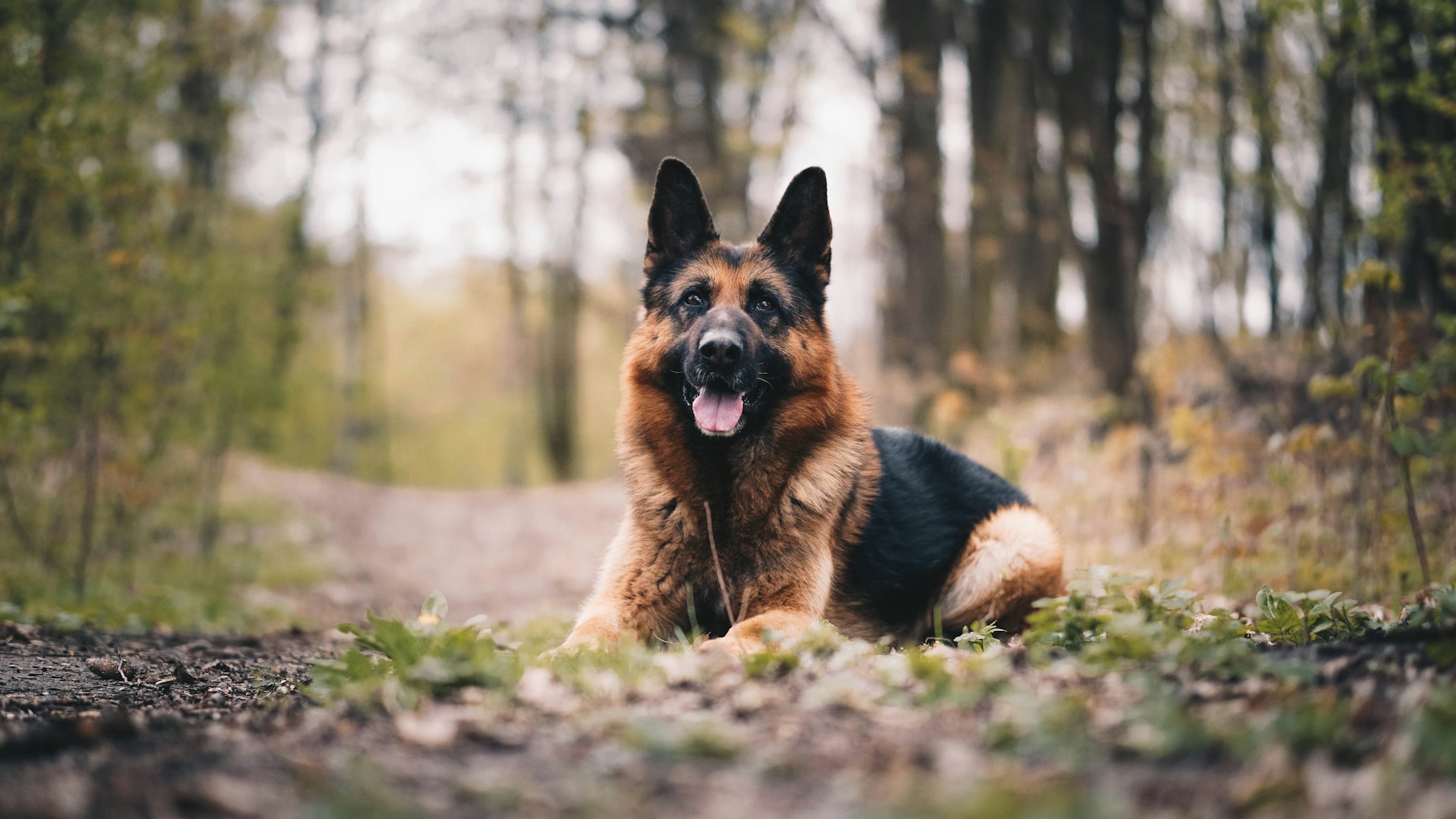
8 German Shepherd Puppy Training Tips To Raise A Confident Pup
Your German Shepherd puppy will grow into a powerhouse with a brain to match. That combo rocks—if you train it right. If you don’t, you’ll get 70 pounds of fur that steals socks, herds your guests, and argues about bedtime.
Let’s raise a confident, balanced GSD that listens, loves, and doesn’t chew your drywall, yeah?
Start Strong: Set Boundaries on Day One
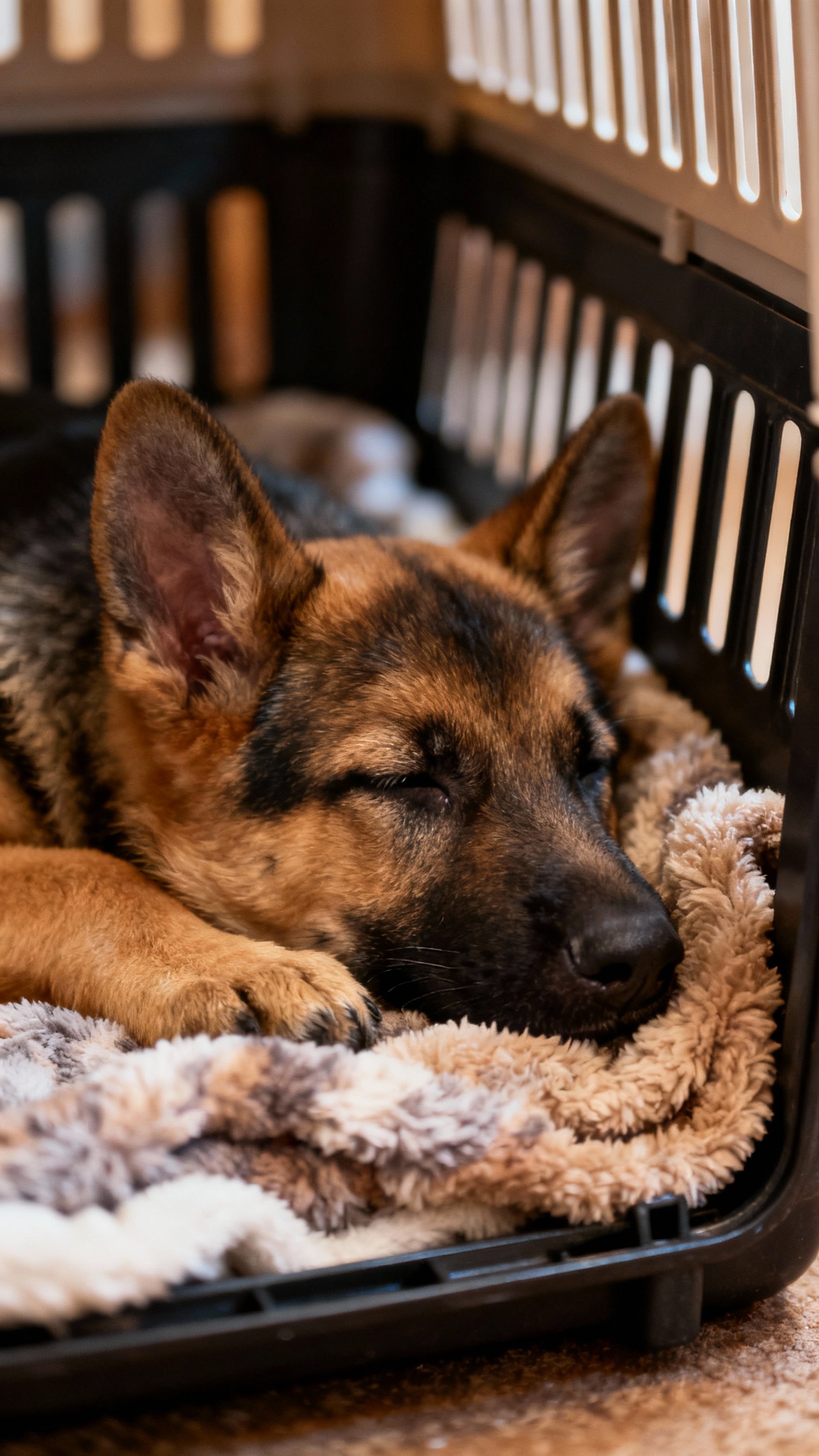
You bring the puppy home, and the temptation hits: let them run wild because they’re cute. Don’t. Confident dogs come from consistent boundaries. Decide where they sleep, where they potty, and what furniture they can use.
Stick to it like it’s your job—because it is. Use a crate and a playpen to shape the environment. That’s not mean; that’s safety and structure. Crates teach calm, bladder control, and self-soothing.
And yes, they help you sleep at night. Win-win.
House Rules That Keep You Sane
- Potty schedule: Out every 2–3 hours at first, plus after meals, naps, and play.
- Chew station: Approved toys only. Redirect everything else.
- Door manners: Sit before doors open.
No launching into the neighborhood.
Socialize Like a Pro (Without Overloading)
GSDs watch everything. That’s awesome until they decide skateboards are enemy aircraft. Socialize early and smart. Your goal: calm exposure, not chaos.
Introduce new sights, sounds, surfaces, and people at a pace your puppy can handle. Keep experiences short and positive. Pair new stuff with treats, play, and your calm voice.
If your pup looks overwhelmed—ears pinned, tail tucked, lots of lip licking—back off and slow down.
Smart Socialization Checklist
- Surfaces: Grass, tile, gravel, metal grates, stairs.
- Sounds: Vacuum, blender, traffic, thunder recordings.
- People: Hats, beards, glasses, kids (at a distance first).
- Movement: Bicycles, scooters, joggers, wheelchairs.
FYI: Skip the dog park early on. Choose one calm, vaccinated dog for short, structured playdates.
Make Training a Game (Because It Is)
GSD puppies love to work. You can harness that with short, fun sessions. Keep it 3–5 minutes, 3–5 times a day.
Use food, toys, or both. End on a win. Teach the basics first: name, “yes” marker, sit, down, place, recall, and leash manners.
Add flirt pole play and tug as rewards. You’ll build focus, confidence, and a pup who sees you as the best thing since chicken.
Commands That Build Confidence
- Name + “Yes”: Mark and reward eye contact. You’re teaching attention on cue.
- Place: Send to a mat or bed.
Teaches impulse control and chill time.
- Recall (“Come!”): Reward like you mean it. Coming to you always pays big.
- Loose leash: Reward at your side. No sled-dog vibes allowed.
IMO, your marker word (“yes”) is your superpower.
It bridges behavior to reward cleanly. Use it.
Prevent Bad Habits Before They Start
Your GSD will outsmart you if you let them rehearse nonsense. Management beats correction every time. Don’t let your pup practice jumping, mouthing, or counter surfing.
- Jumping: Teach “sit to say hi.” Reward four paws on the floor.
Turn away from jumping.
- Mouthing: Redirect to a toy. If they escalate, calmly pause play for 10–15 seconds.
- Chewing: Rotate chew toys. Use bitter sprays on tempting furniture.
- Digging/barking: Meet their needs first—exercise, enrichment, and rest.
Then train alternatives.
Enrichment That Burns Brain Fuel
- Snuffle mats and scatter feeding
- Kongs and puzzle feeders (freeze them to increase difficulty)
- Short sniffy walks where your pup leads with their nose
When a GSD’s brain feels satisfied, the furniture survives. Science-ish.
Build Resilience With Structured Challenges
Confident pups don’t crumble at novelty. Set up safe micro-challenges to build that resilience. Think: easy obstacles and mild frustrations that they can solve.
- Novel objects: Umbrella on the floor, wobble board, low step stools.
- Confidence courses: Walk over a tarp, under a chair “tunnel,” between broomstick “poles.”
- Problem-solving: Treat under a hand towel, simple cardboard box puzzles.
Cheer on effort, not perfection.
If your pup hesitates, you model calm curiosity—and reward every step toward the goal.
Exercise Smart, Not Hard
Yes, your GSD has gas in the tank. But over-exercising a puppy risks joints and growth plates. Choose age-appropriate activity and sprinkle in mental work.
- Rule of thumb: About 5 minutes of structured walking per month of age, twice a day.
- Free play: Short bursts on soft ground, with breaks.
- Skip: Long runs, repetitive fetch, and forced stairs early on.
- Do: Scent games, training sessions, tug with rules, gentle flirt pole.
Tired is good. Balanced is better.
A drained puppy can still learn bad habits. A fulfilled puppy chooses good ones.
Handle Like a Groomer and Vet Would
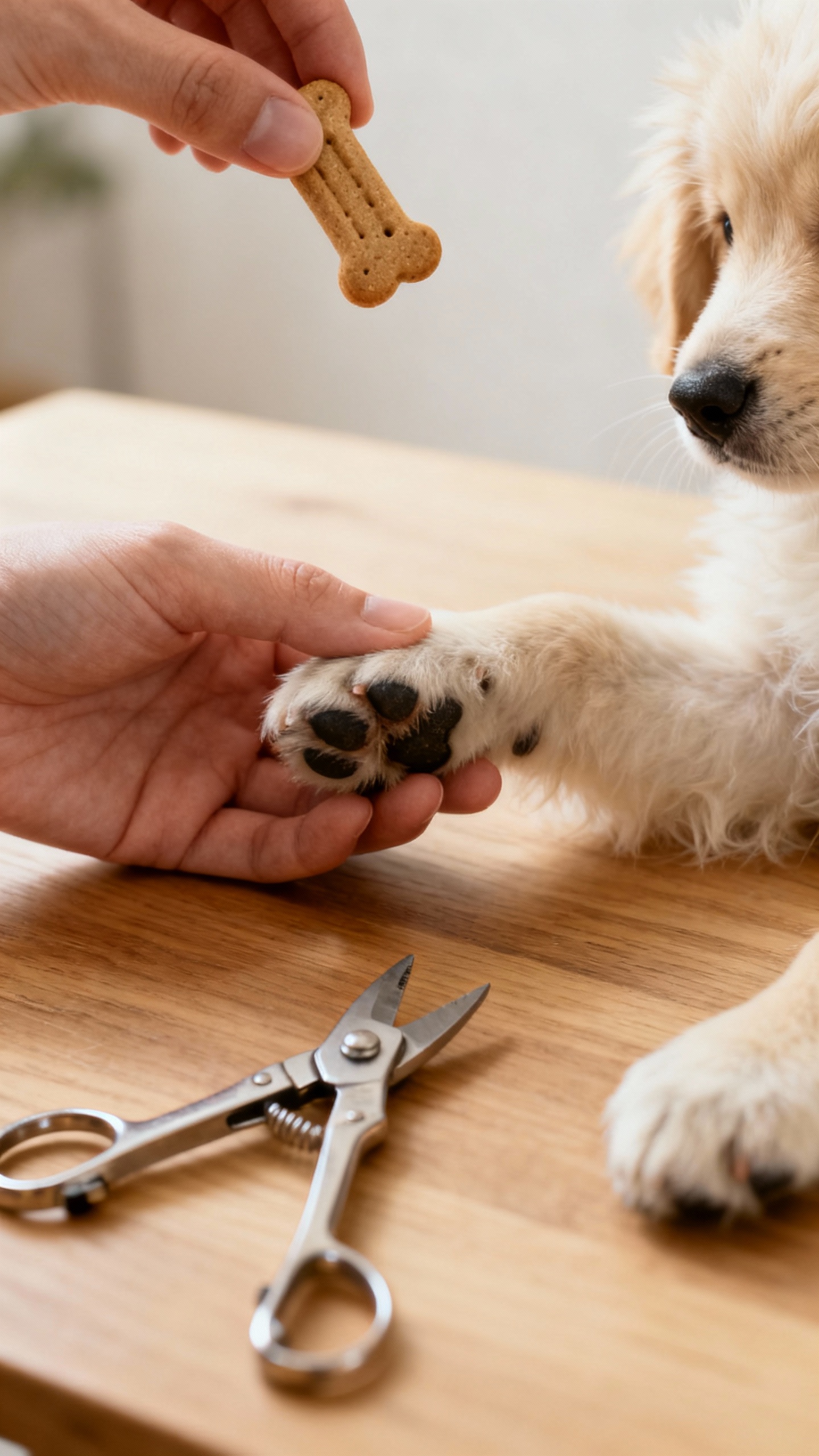
Confident dogs accept handling. Teach body handling early so vet visits don’t feel like alien abductions. Turn it into a daily ritual:
- Touch ears, paws, tail, and mouth—then treat.
- Hold the collar gently—then treat.
- Introduce nail clippers and toothbrushes slowly—treat even for sniffing them.
- Practice calm restraint for one second—release and reward.
You’re teaching, “Humans touch me; good things happen.” That pays off for life.
Be the Calm, Boring Leader
Your GSD reads your mood like a book. Reward calm.
Model calm. Be consistent. You don’t need to dominate your dog.
You need to guide them, predictably and patiently. Use a neutral tone when you correct. Reinforce what you like generously.
And yes, schedule naps. Overtired puppies act like tiny gremlins with teeth. IMO, a nap schedule solves half of “behavior problems.”
When to Get Help
If you see persistent fear, reactivity, or resource guarding, bring in a qualified, reward-based trainer.
Early help beats months of DIY frustration.
FAQs
When should I start training my German Shepherd puppy?
Start on day one. Keep sessions short and fun. Teach name, marker word, sit, down, place, and recall right away.
You build habits from the first minute your pup walks through the door.
How much exercise does a GSD puppy need?
Use short, age-appropriate walks, plenty of sniffing, and mental games. Avoid long runs or repetitive impact. Mix play, training, and rest.
If your puppy zooms then crashes hard and gets cranky, you probably overdid it.
What treats work best for training?
Use soft, pea-sized treats that your pup can swallow fast—chicken, turkey, cheese bits, or quality training treats. Rotate flavors to keep motivation high. For big wins like recall, escalate to a jackpot (several treats in a row or a favorite toy).
How do I stop nipping and biting?
Provide lots of chew outlets and redirect immediately to a toy.
Lower arousal with short breaks if your pup gets spicy. Reinforce calm sits for attention. Consistency beats lectures—your pup doesn’t speak “long speech.”
Is crate training necessary?
Necessary?
Maybe not. Incredibly useful? Absolutely.
Crates help with potty training, travel, vet recovery, and preventing chaos. Make it cozy, feed meals inside, and never use it as punishment.
When can I go to the dog park?
Wait until your pup completes vaccinations and has great recall and social skills. Dog parks can overwhelm young GSDs and reinforce bad habits.
Choose curated playdates with friendly, polite dogs first.
Conclusion
Raising a confident German Shepherd puppy means structure, smart socialization, playful training, and tons of calm consistency. Keep sessions short, wins frequent, and rules clear. Celebrate progress, pivot when needed, and ask for help early if things go sideways.
Do that, and you’ll end up with the dream: a courageous, chill, brilliantly trainable best friend—who also leaves your socks alone. Most days, anyway.
I’ve spent 10+ years in dog training, digging into what makes dogs (and their humans) tick. At Smart Dog Learning, I share my no-nonsense, fun approach to training so you can enjoy life with a well-behaved, happy pup—no boring lectures, just practical results 😉