8 First-Year Training Tips for New Rottweiler Owners
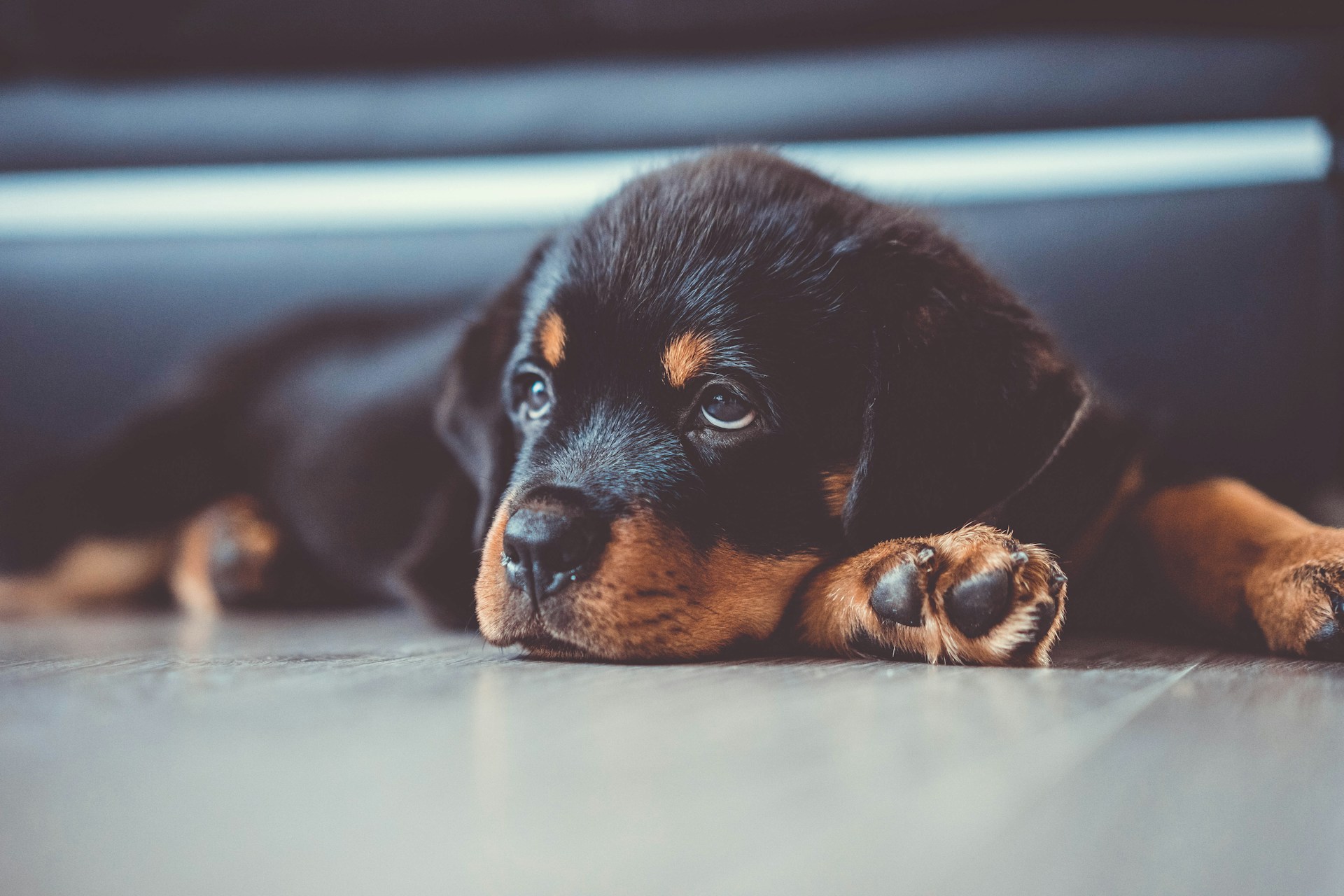
You brought home a Rottie pup, didn’t you? Congrats—and buckle up. These dogs mix teddy-bear cuddles with linebacker power, which is adorable until they bulldoze your coffee table. The first year makes or breaks your training foundation, so let’s set you up for a confident, well-mannered dog you can take anywhere.
Start With Structure on Day One
You don’t “wait until they’re older” with Rottweilers. You start now. Structure doesn’t mean boot camp; it means predictable routines and clear boundaries.
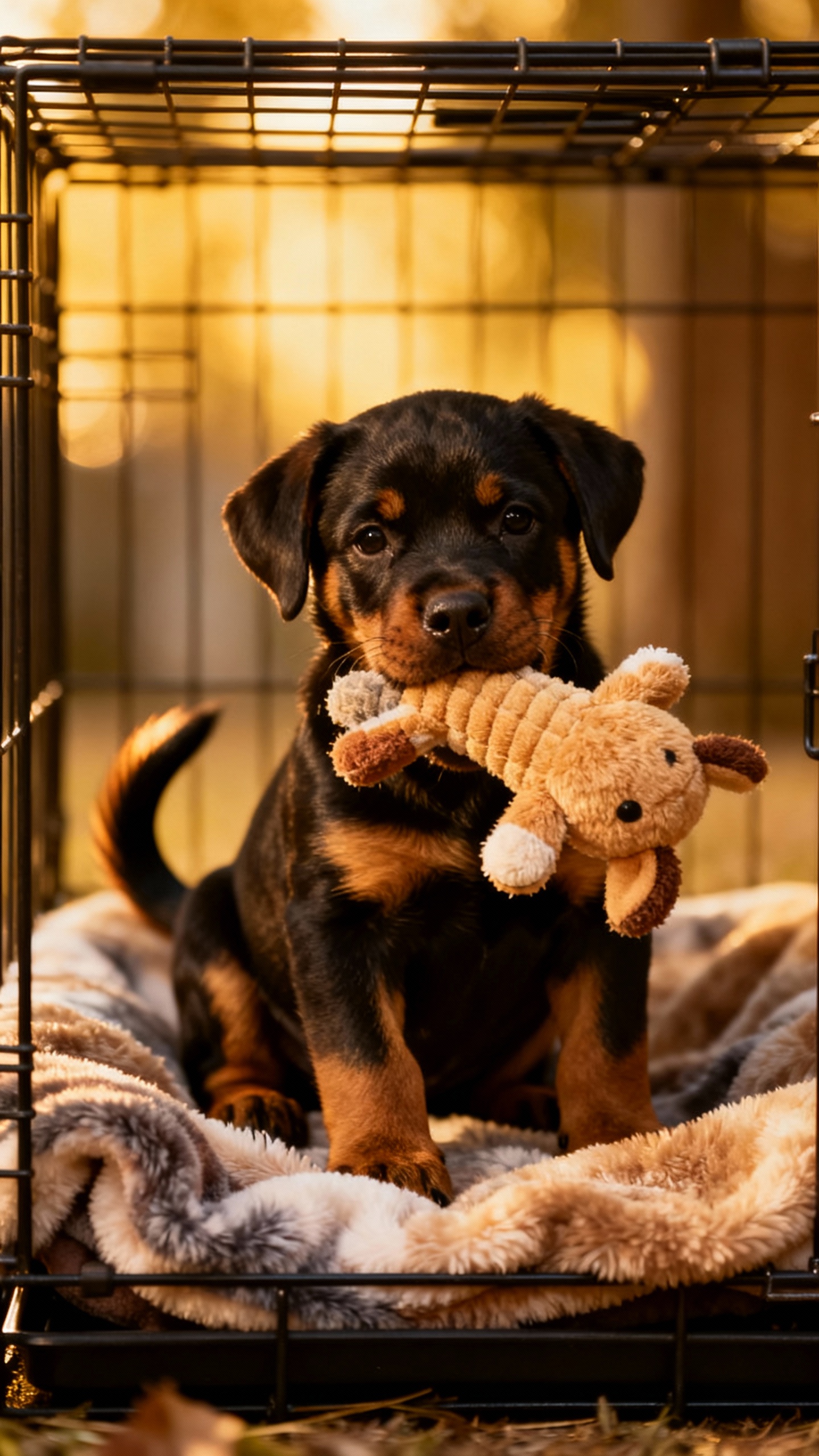
- Crate training: Make the crate a cozy den with treats and chews. Short sessions, frequent breaks.
- Potty schedule: Take them out after waking, playing, and eating. Praise like a maniac for outdoor success.
- House rules: Decide now—sofa or no sofa? Bedtime spot? Door manners? Then stick to it.
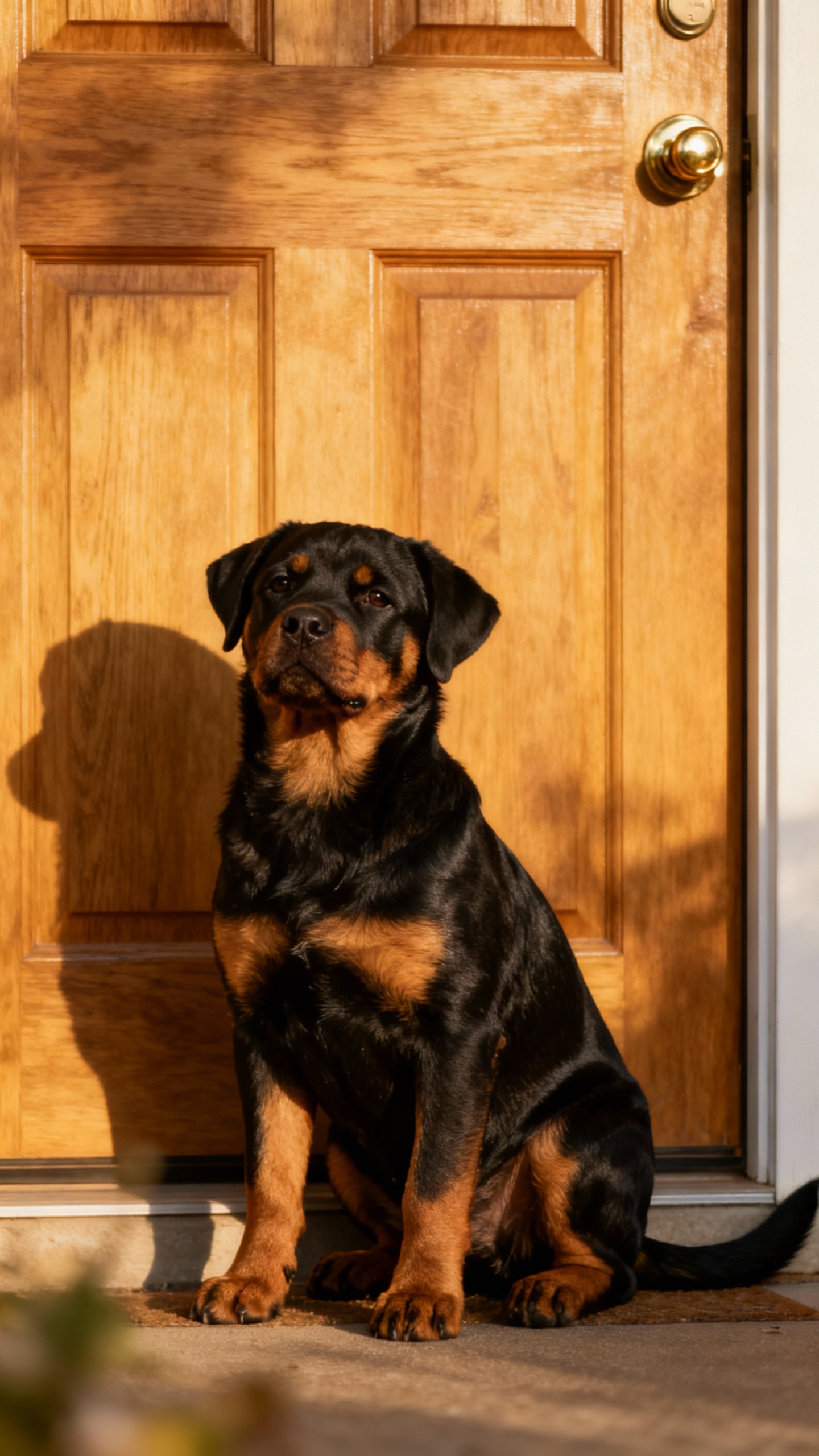
Pro Tip: The Calm Door Rule
Rotties get amped fast. Teach “sit” before doors open. Door only opens for a calm pup. You prevent door dashing and you reinforce impulse control daily.
Make Socialization a Full-Time Job (in a Smart Way)
Rottweilers mature into confident guardians. That’s great if you socialize well; not so great if you don’t. Aim for positive exposure to the world, not chaos.
- People variety: Hats, beards, wheelchairs, kids waving balloons—reward calm curiosity.
- Surfaces and sounds: Metal grates, wood floors, busy streets, vacuum cleaners. Treat and retreat.
- Dog etiquette: Controlled meet-ups with friendly, vaccinated dogs. Size variety helps.
What “Positive” Actually Means
You let the pup observe at a comfortable distance. You feed treats for calm. You leave before they spiral. Pressure never equals progress. IMO, quality beats quantity every time.
Nail the Core Commands Early
Yes, your Rottie can learn fast. No, that doesn’t mean they’ll obey during a squirrel rodeo unless you build it up.
- Sit and Down: Basics for impulse control. Use meals to practice.
- Stay: Start with 1-2 seconds and build. Distance later, not first.
- Here/Come: High-value treats only. Celebrate like they won the lottery.
- Leave it: Saves you from vet bills and mystery sidewalk snacks.
- Place: Send to a mat to settle. Lifesaver when guests arrive.
Training Sessions That Don’t Drag
Keep sessions under five minutes, two to four times a day. Stop on a win. You’ll get better engagement and fewer puppy tantrums.
Guide That Power: Leash and Bite Inhibition
Rottweilers pull with enthusiasm and nibble with enthusiasm. Let’s channel that.
- Harness up: Use a front-clip harness to discourage sled-dog vibes.
- Reward position: Treat next to your leg when the leash goes slack. Mark “yes” for perfect timing.
- Turn into the pull: If they surge ahead, change direction and reward when they reorient.
Bite Inhibition 101
Puppy teeth hurt, FYI. Redirect to a toy immediately. If they nail skin, freeze for two seconds, then resume play with a toy. You teach “gentle gets play, teeth end play.” Consistency matters more than drama.
Prevent Resource Guarding Before It Starts
Rotties often take pride in their stuff. You want “human approaches = good news.”
- Trade games: Offer a better item, say “trade,” then give the item back sometimes so they don’t panic.
- Bowl trust: Drop cheese into the bowl while they eat; don’t grab the bowl just to prove a point.
- Hands on means treats: Touch collar, feed treat, release. Make handling a party, not a wrestling match.
Red Flags
Stiff body, still tail, whale eye, low growl around food or toys—don’t punish it. Call a qualified trainer ASAP. Punishment hides warnings, it doesn’t fix the emotion.
Build Confidence Through Enrichment and Rest
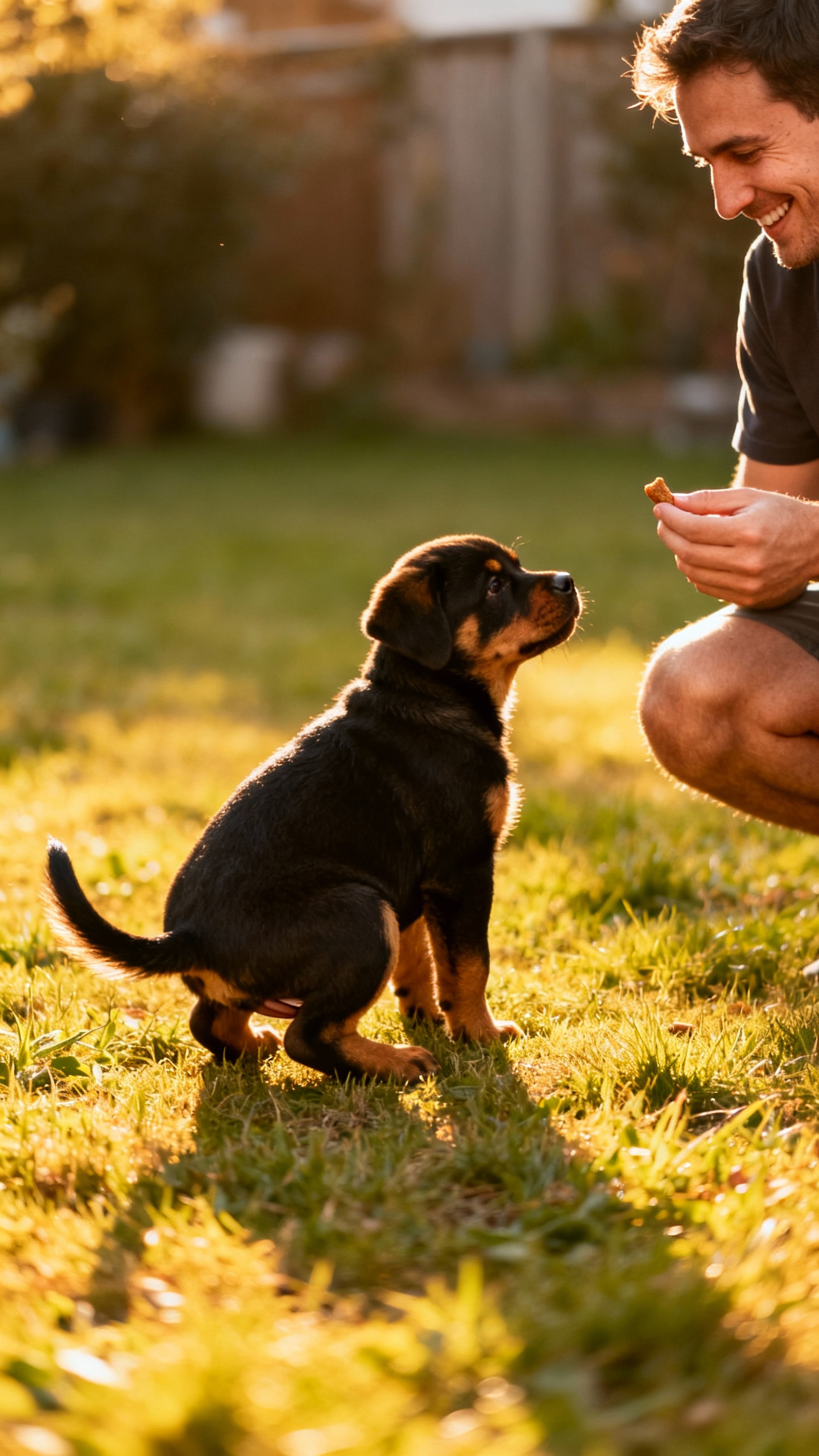
A bored Rottie invents hobbies. Like “redecorating.” Keep their brain busy and respect their downtime.
- Food puzzles: Kongs, snuffle mats, frozen toppers. Mental work tires them out safely.
- Short training games: Hide-and-seek recall, find-it with treats, touch/target games.
- Proper chew rotation: Rotate safe chews to keep things novel and save your furniture.
- Sleep: Puppies need 18–20 hours. Over-tired pups behave like gremlins.
Growth Plates and Exercise
Avoid repetitive high-impact stuff until about 18 months. Keep walks short and frequent. Choose gentle hills, soft surfaces, and controlled play sessions. Your adult dog’s joints will thank you.
Handle the Teenage Phase Like a Pro
Around 6–14 months, they pretend they forgot everything. Normal. Annoying. Fixable.
- Reinforce, don’t nag: Pay for good choices. Lower distractions to rebuild confidence.
- Up the management: Long line in open areas, baby gates at home, crate when you can’t supervise.
- Keep classes going: Group classes build focus around distractions and keep you accountable.
Impulse Control Games
Play “It’s Your Choice” with treats in your open palm. Pup only gets them when they back off. You’re teaching patience without lectures. IMO, this game changes everything.
Work With Their Natural Abilities
Rotties love jobs. Give them one or they’ll assign themselves “head of security.”
- Nosework: Easy to start, great for confidence and calm.
- Beginner obedience or rally: Structure plus teamwork equals magic.
- Carting or drafting: Traditional Rottie work—supervised and age-appropriate only.
Polite Guarding vs. Problem Guarding
A Rottie might notice strangers. That’s fine. You train a default “sit and watch me” instead of lunging or barking. Reward quiet attention. You want manners, not a security breach.
FAQs
How much exercise does a Rottweiler puppy need?
Think short, frequent bursts, not marathon sessions. Two to four 10–15 minute walks, plus sniffing and training games, works well. Avoid long runs and stairs sprints to protect growing joints.
When should I start formal training?
Immediately. Teach simple cues the first week and enroll in a positive-reinforcement puppy class as soon as vaccines allow. Early momentum makes everything easier later.
My Rottie barks at strangers—should I correct it?
Acknowledge, then redirect. Ask for a sit, reward eye contact, and create space. Correcting the bark without teaching an alternative can raise anxiety. Teach what to do, not just what not to do.
What treats work best for training?
Use soft, pea-sized treats your pup can swallow quickly: chicken, turkey, cheese, or commercial training treats. Reserve the “jackpot” stuff for recalls and tough distractions.
Can Rottweilers live with other pets?
Yes, with careful introductions and management. Advocate for your resident pets, supervise closely, and reward calm behavior. Slow intros beat heroic disasters every time.
How do I stop jumping on guests?
Pre-load your pup with a “place” cue before guests arrive. Reward four paws on the floor. If they launch, turn away and reset; don’t wrestle. Have guests toss treats to the mat to reinforce calm greetings.
Conclusion
Your first year with a Rottweiler sets the tone for the next decade. Build structure, socialize smart, and train daily in short, happy bursts. Give that big brain a job, manage the chaos, and laugh through the goofy phases. Do that, and you’ll raise a rock-solid companion who turns heads for the right reasons.
I’ve spent 10+ years in dog training, digging into what makes dogs (and their humans) tick. At Smart Dog Learning, I share my no-nonsense, fun approach to training so you can enjoy life with a well-behaved, happy pup—no boring lectures, just practical results 😉