
7 Grooming Rules Every Poodle Owner Must Follow
Poodles don’t wake up looking runway-ready. That crisp coat and teddy-bear face take work—consistent, smart grooming work. The good news? You can totally handle it, even if your poodle thinks grooming equals “spa day chaos.” Here’s the game plan to keep your fluffball clean, comfy, and ridiculously cute.
Know Your Poodle Coat (It’s Not Like Other Dogs)
Poodle hair grows continuously like human hair. It doesn’t shed much, so mats don’t fall out—they multiply if you ignore them. That means you need a routine, not a crisis-management strategy.
Three coat types you’ll see:
- Puppy coat: Soft, cottony, and deceptively innocent. It mats fast.
- Transition coat: Between 6–18 months, hair texture changes and tangles double. Fun!
- Adult coat: Curlier, denser, and easier to maintain with the right tools.
Why coat type matters
You’ll adjust tools and schedules for each stage. FYI, that transition coat phase makes even seasoned owners sweat. You’re not failing—your poodle’s hair is just dramatic.
Brush Like a Boss (Daily, Not “When You Remember”)
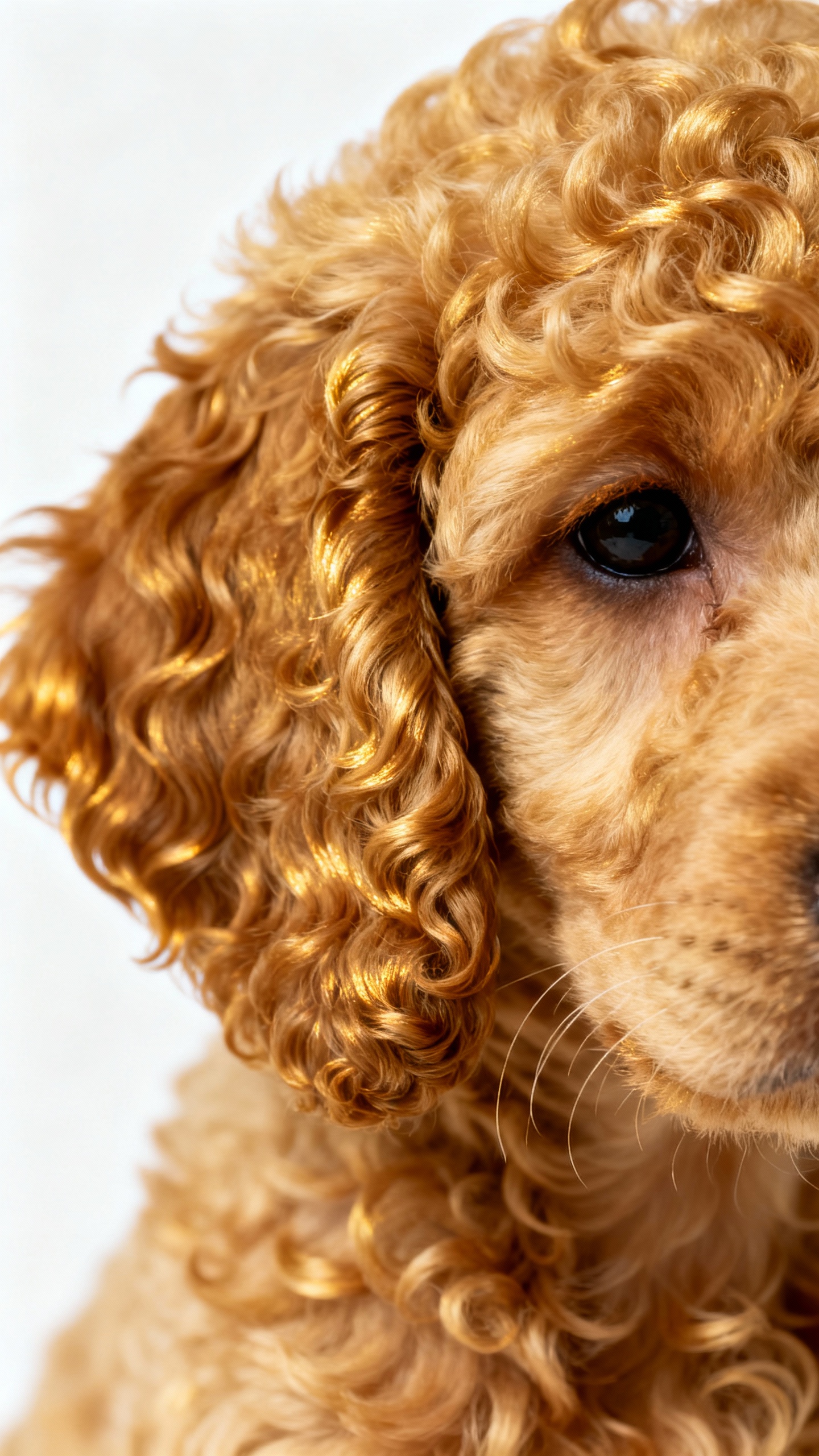
Brushing keeps mats away and distributes natural oils. Skip it for a few days and your poodle turns into Velcro.
Your core kit:
- Slicker brush: For daily detangling and curl separation.
- Metal comb: For finding sneaky knots behind ears, armpits, and tail base.
- Detangling spray: Makes brushing kinder and faster.
The line-brushing method
Work in layers from the skin outward. Part a small section, spritz, brush until the slicker glides, then confirm with the comb. Move on. Don’t just fluff the top—you’ll miss mats hiding underneath like tiny villains.
Bath and Blow-Dry: The Dynamic Duo
You can’t brush a dirty, matted coat effectively. And you shouldn’t clip a dirty coat either. So schedule bath and brush as a package deal.
Bath basics:
- Frequency: Every 3–4 weeks for most poodles; more if you keep a longer coat.
- Shampoo: Gentle, pH-balanced, preferably for curly coats. Rinse like you mean it.
- Conditioner: Non-greasy, adds slip for easier detangling.
Blow-dry rules:
- Use a high-velocity dryer if you can. It separates curls, lifts dirt, and speeds drying.
- Dry in sections while brushing. You’ll stretch the coat for a cleaner, more even trim.
- Keep the dryer moving. No hot spots. Your poodle’s skin will thank you.
Pro tip: pre-bath detangling
Remove obvious mats before the bath. Water tightens knots. If you bathe mats, they’ll fight back twice as hard.
Trim on a Schedule (Not “When They Can’t See Anymore”)
Even if you love a fluffy look, you still need regular trims. Hair grows fast, and face/feet/sanitary areas don’t care about fashion.
Typical schedules:
- Full groom: Every 4–6 weeks, depending on length and style.
- Maintenance trim: Face, feet, and sanitary every 2–3 weeks to stay fresh.
Must-maintain areas:
- Eyes: Trim or tidy hair to prevent irritation and tear staining.
- Feet: Neaten hair between pads; it reduces slipping and debris.
- Sanitary: Keep it clean. No explanation needed, IMO.
Choosing a style
Clips like puppy, lamb, or teddy keep life simple and adorable. Show trims look amazing but require Olympic-level maintenance. Be honest about your time.
Ear, Teeth, and Nail Care: The Unsexy Essentials
You can have the fluffiest coat in town, but if nails click like tap shoes and ears smell funky, you’ve lost the plot.
Ears:
- Clean weekly with a vet-approved ear solution.
- Dry well after baths; moisture invites infections.
- Plucking? Ask your vet or groomer. Some poodles need it; others do better with gentle trimming.
Nails:
- Trim every 1–2 weeks. Short, frequent trims keep quicks receding.
- Use a grinder if clippers make you nervous. Take it slow.
Teeth:
- Brush several times a week with dog-safe paste.
- Chews help, but they don’t replace brushing.
Red flags to catch early
Head shaking, paw licking, bad breath, brown tear stains, or face rubbing all signal “Please check me.” Grooming doubles as a health check—use it.
Tools Matter (Buy Once, Cry Once)
Cheap tools snag, scratch, and waste time. A few quality items will save your sanity.
Recommended basics:
- Slicker brush: Medium-firm pins, cushioned pad.
- Greyhound-style comb: Fine and coarse sides.
- High-velocity dryer: Game changer for coat quality.
- Clippers: Quiet, with guards or multiple blades; keep them cool and sharp.
- Safety shears: Rounded tips for face and paws.
- Nail grinder/clippers: Pick what you’ll actually use weekly.
Maintenance for your tools
Clean and disinfect blades and combs. Oil your clippers. Replace slickers when pins bend. Dull tools cause discomfort and ugly results.
Train the Grooming Mindset (Yours and Theirs)
You can’t out-muscle a poodle’s opinions. You can out-train them.
Make grooming a routine, not a surprise:
- Short, positive sessions daily: touch feet, handle ears, open the mouth, reward.
- Teach stand, chin rest, and “stay” on a non-slip mat.
- Pair tools with treats. Dryer on low + peanut butter? Suddenly, dryers rock.
Puppies need early reps
Start the day you bring them home. Let them meet the brush and dryer with zero pressure. FYI, good habits in month one beat heroics in year one.
Call in the Pros (Strategically)
Even if you groom at home, a pro groomer can set the coat up, fix symmetry, and spot skin issues. Think of it like a tune-up.
How to work with a groomer:
- Bring photos. Words like “short” mean different things to different people.
- Discuss your maintenance level honestly.
- Book recurring appointments, especially during coat change months.
Vet partnership matters
If skin, ear, or allergy issues keep recurring, loop in your vet. Grooming won’t cure allergies, but it can reduce flare-ups when you manage the basics well.
FAQs
How often should I brush my poodle?
Daily for longer coats, every other day for shorter clips. During the puppy-to-adult coat change, go daily no matter what. Your future self will applaud.
Can I bathe my poodle too often?
Yes, if you use harsh shampoos or skip conditioner. But with a gentle formula and proper drying, every 3–4 weeks works great. Groomers bathe poodles regularly for a reason.
Do I really need a high-velocity dryer?
If you want a mat-free, fluffy finish, IMO yes. It speeds drying, lifts dirt, and stretches curls for a cleaner cut. Towels alone won’t cut it.
Is shaving a poodle bad?
Not inherently. Very short clips can make maintenance easier, especially for active dogs or owners short on time. Just protect skin from sun and cold, and keep nails, ears, and teeth on schedule.
Should I pluck my poodle’s ear hair?
It depends. Some dogs tolerate plucking and stay cleaner; others get irritated. Ask your vet and try gentle trimming if plucking causes redness or discomfort.
What’s the best clip for beginners?
A lamb or teddy clip with a guard comb looks adorable and forgives minor errors. Keep it uniform, tidy the face/feet/sanitary, and call it a win.
Conclusion
Poodle grooming isn’t mystical—it’s consistent. Brush in lines, bathe and blow-dry properly, keep the face/feet/sanitary neat, and stay on top of ears, teeth, and nails. Invest in tools, train for calm sessions, and tag in a pro when needed. Do that, and your poodle will look sharp, feel comfy, and strut like they invented fabulous. FYI: they kind of did.

I’ve spent 10+ years in dog training, digging into what makes dogs (and their humans) tick. At Smart Dog Learning, I share my no-nonsense, fun approach to training so you can enjoy life with a well-behaved, happy pup—no boring lectures, just practical results 😉