
7 Golden Retriever Puppy Training Tips Every New Owner Should Know
Golden retriever puppy in the house? Congrats—you just adopted a fuzzy tornado with a heart of gold and teeth like tiny shark scissors. The good news: goldens want to please you.
The challenge: they’ll also eat your socks, your slippers, and maybe your drywall if you blink. Let’s set you up with simple, real-world training tips that actually work—no fluff, lots of fun.
Start Training on Day One (Yes, Really)
Don’t wait for “settling in.” Your puppy learns from minute one. Every interaction teaches them what gets your attention—so let’s make that work for you. Keep it insanely simple:
- Use their meals as training opportunities.
One kibble, one tiny behavior. Repeat.
- Teach their name as a cue: say the name once; when they glance at you, reward instantly.
- Keep sessions short: 3–5 minutes, several times a day. Puppies have TikTok-length attention spans.
A quick formula: puppy looks at you → mark (“Yes!”) → treat.
Do this a hundred times and you get a pup obsessed with checking in. You’ll thank yourself in two weeks.
What to teach first
- Focus/Name response: builds all future obedience.
- Sit and down: impulse-control basics.
- Come: for safety and sanity.
House Training Without the Drama
House training doesn’t require magic; it needs a clock, a leash, and consistency. Goldens want to do the right thing, but their bladder hasn’t read your carpet warranty. Follow this simple schedule:
- Out after waking, eating, playing, and every 60–90 minutes while awake.
- Leash your puppy for potty breaks so you can confirm they actually went.
- Use a consistent potty spot and a cue like “Go potty.” Praise like you just won a game show when they finish.
Crate help: crates speed up house training.
Size it so your puppy can stand, turn, and lie down—no walk-in closet vibes. If accidents happen, clean with an enzymatic cleaner so the scent doesn’t invite a sequel.
Common pitfalls to avoid
- Free-roaming too soon. Use baby gates and tethers.
- Scolding for accidents.
Redirect, don’t guilt-trip a baby dog.
- Letting them “potty” during play. Take them out, then reward calm potty, then play.
Socialization: Quality > Quantity
Socialization means controlled, positive exposure to the world. Not “drop your puppy into chaos and hope for the best.” Aim for calm and curious, not overwhelmed. Build a socialization checklist:
- People: hats, beards, kids with scooters, people carrying boxes.
- Surfaces: grass, tile, wood, grates, stairs (short and safe).
- Sounds: vacuums, doorbells, traffic—start quiet, pair with treats.
- Animals: vaccinated, friendly dogs; calm adult dogs; cats behind baby gates.
Keep sessions short and happy.
If your pup retreats or freezes, you went too far. Dial it back, add distance, and feed treats for looking and relaxing. IMO, aim for two new experiences per day, kept easy and fun.
Vet and grooming prep
Touch their paws, ears, tail, and mouth while feeding treats.
Simulate vet handling for 10 seconds, then reward. Introduce a soft brush and nail trimmer as props with peanut butter licks. You’ll make future vet visits boring (in a good way).
Bitey Crocodile Phase: How to Survive Puppy Nipping
They’re teething, they’re curious, and your fingers look like chew sticks.
You can’t “no” your way out of this—give them a legal outlet. Your go-to plan:
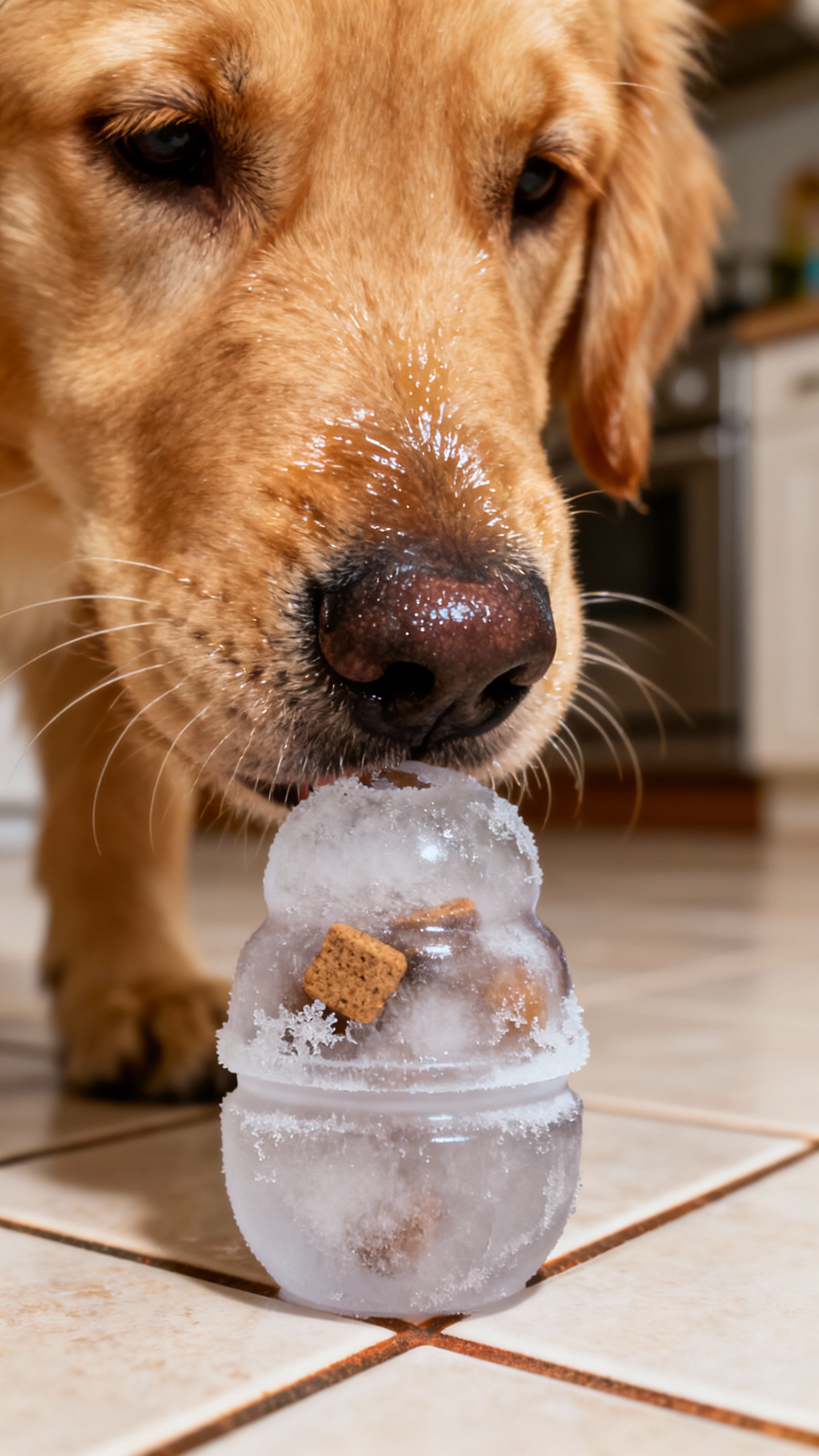
- Keep 2–3 chew options handy at all times: rubber toys, frozen Kongs, braided bully sticks (supervise).
- Redirect immediately: puppy chomps skin → calmly swap for chew → praise when they bite the toy.
- Use play breaks: if biting escalates, end play for 30–60 seconds. Return once they settle.
Pro tip: schedule a frozen chew after high-energy play. You’ll see biting drop because you met the need behind it.
Leash Manners Without a Battle
Pulling doesn’t mean your dog is “dominant.” It means walking speeds differ and the world smells incredible.
Teach that sticking close equals progress. Loose-leash basics:
- Start indoors. Reward at your left side for one step, then two, then five.
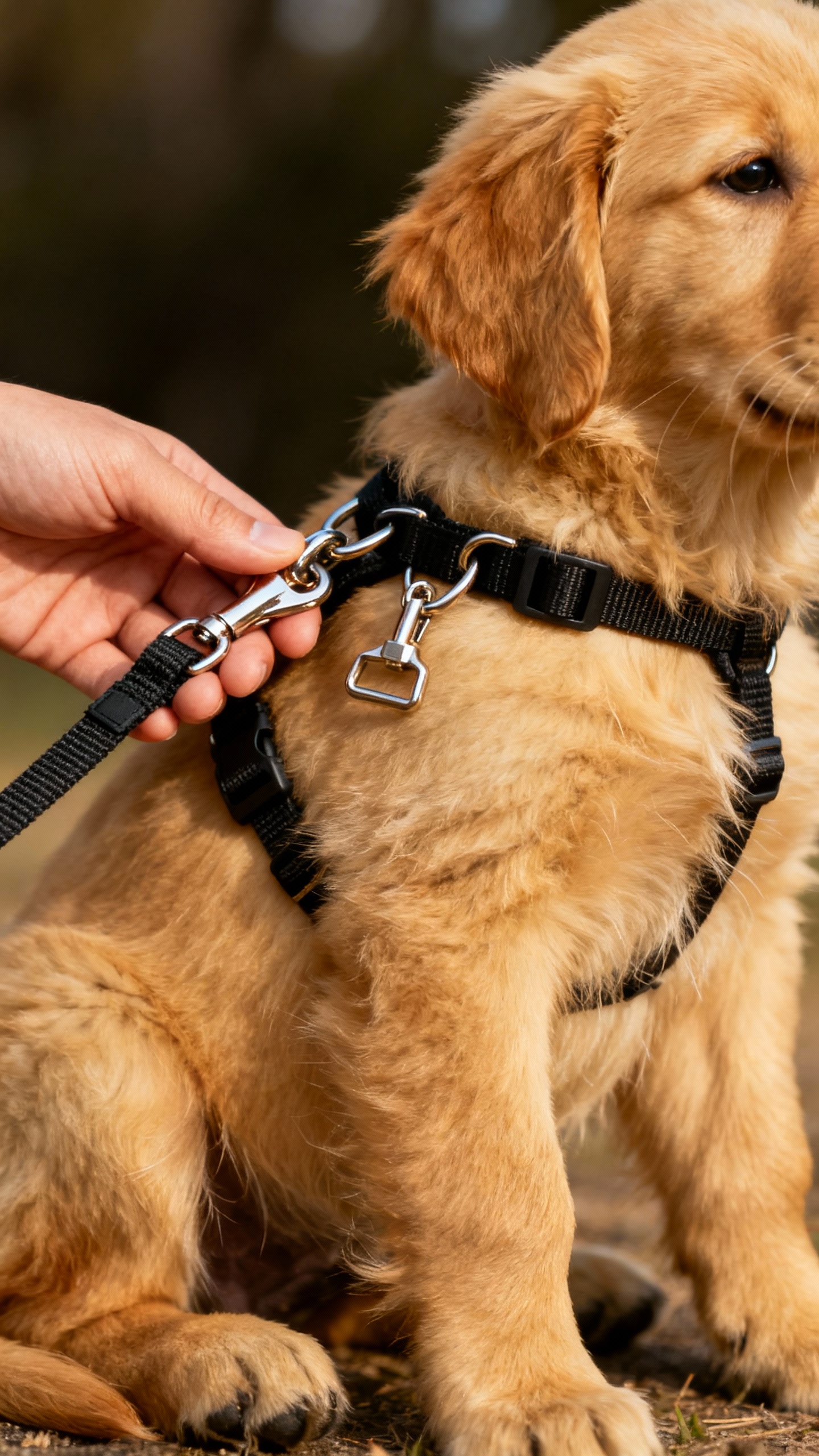
- Use a front-clip harness for control while training. It’s not cheating; it’s smart.
- Outside, use the “stop tree”: puppy pulls → you stop → they look back → “Yes!” → move forward.
Sniff breaks matter: build in sniffing as a reward.
Say “Go sniff!” and let them scan for 20–30 seconds. Work, then sniff. This turns walks into a fair deal both of you enjoy.
Handling distractions
- Practice “Let’s go” as a happy turn-away cue.
Pay it with treats at first.
- Train at off-peak times before upgrading to busy areas.
- Bring higher-value treats near squirrels and skateboards. Cheese beats pigeons sometimes. Sometimes.
Recall That Actually Works
A reliable “come” saves lives.
Make it the happiest party your dog attends. Set up the win:
- Pick a special word: “Here!” or “Come!” Use it only for recall.
- Start at home: say the word once, backpedal, and deliver a jackpot (5–7 small treats) when they arrive.
- Level up: longer distances, mild distractions, then fenced areas.
Golden rules for recall:
- Never recall for something your dog hates (bath, crate, leaving the park). Go get them instead.
- Pay every single recall early on. Yes, every one.
You’re building a reflex.
- Use chase games: run away after calling, clap, cheer, reward. Make it FUN.
Teach Calm Like It’s a Trick
Goldens run hot on enthusiasm. Teach them to switch off on cue.
You’ll get a dog who can chill at coffee shops, soccer games, and your couch. Three calm habits:
- Place/Bed: lure to a mat, down, then sprinkle treats for staying. Add a chew. Build duration.
- Settle on leash: during outings, reward eye contact and lying down.
Small payouts, big peace.
- Impulse control games: “Wait” at doors, food bowls, and curbs. Short, cheerful reps.
FYI: calm happens after exercise. Aim for a daily mix: sniff walks, short training, and one or two 5–10 minute play bursts.
Over-exercise a growing puppy and you risk joints; under-exercise and your sofa dies. Balance is king.
Positive Reinforcement Isn’t Spoiling—It’s Strategy
Rewards drive behavior. You reward what you want more of.
It’s not bribery; it’s teaching in your puppy’s language. Reward menu:
- Treats: tiny, soft, smelly. Rotate flavors to keep interest high.
- Life rewards: doors opening, leash unclipped, sniff time, fetch throws.
- Toys and play: tug as a paycheck for great focus.
How to fade food: once a behavior is solid in an easy location, start variable rewards. Sometimes food, sometimes toy, sometimes praise + life reward.
Keep the slot machine unpredictable and your dog stays invested. IMO, consistency beats intensity—train a little every day.
FAQ
When can I start training my golden retriever puppy?
Right away. You can begin on day one with name games, sit, and focus.
Keep it short and happy. Your puppy’s brain is wide open for learning, so set patterns you want for life.
How do I stop my puppy from jumping on people?
Teach an incompatible behavior: sit. Ask for a sit before greetings, and only let people pet when all four paws stay down.
If jumping happens, step back, wait for stillness, then reward. Consistency from every human your puppy meets makes this stick fast.
What treats should I use for training?
Use soft, pea-sized treats your puppy can gulp quickly—think chicken, cheese, or commercial training treats. Reserve the top-tier stuff for distractions or recall.
If your pup gets tummy upset, switch to boiled chicken or their kibble for easy sessions.
Is my golden getting enough exercise?
Puppies don’t need marathon runs. Aim for age-appropriate activity: short sniff walks, some fetch on soft ground, and mental workouts like training and food puzzles. If your pup turns into a land shark at night, add a structured sniff walk or a short training session before bedtime.
What about puppy classes—worth it?
Absolutely, if the class controls the chaos.
Look for small class sizes, positive methods, and structured play with frequent breaks. Classes build socialization and give you pro feedback in real time. Plus, homework keeps you consistent.
How do I handle crate whining?
Make the crate a cookie dispenser, not a jail cell.
Feed meals in the crate, give a stuffed Kong, and start with short doors-closed reps while you’re nearby. If whining starts, wait for a second of quiet before opening the door so you don’t accidentally reward the noise.
Conclusion
Raising a golden retriever puppy feels like juggling squeaky toys while someone hums the Jaws theme. But with simple daily training, smart socialization, and rewards your puppy loves, you’ll shape a biddable, joyful companion.
Start tiny, stay consistent, and keep it fun. You’ve got this—and your socks might even survive.
I’ve spent 10+ years in dog training, digging into what makes dogs (and their humans) tick. At Smart Dog Learning, I share my no-nonsense, fun approach to training so you can enjoy life with a well-behaved, happy pup—no boring lectures, just practical results 😉