
7 Common Behavior Problems in Siberian Huskies (And How to Fix Them)
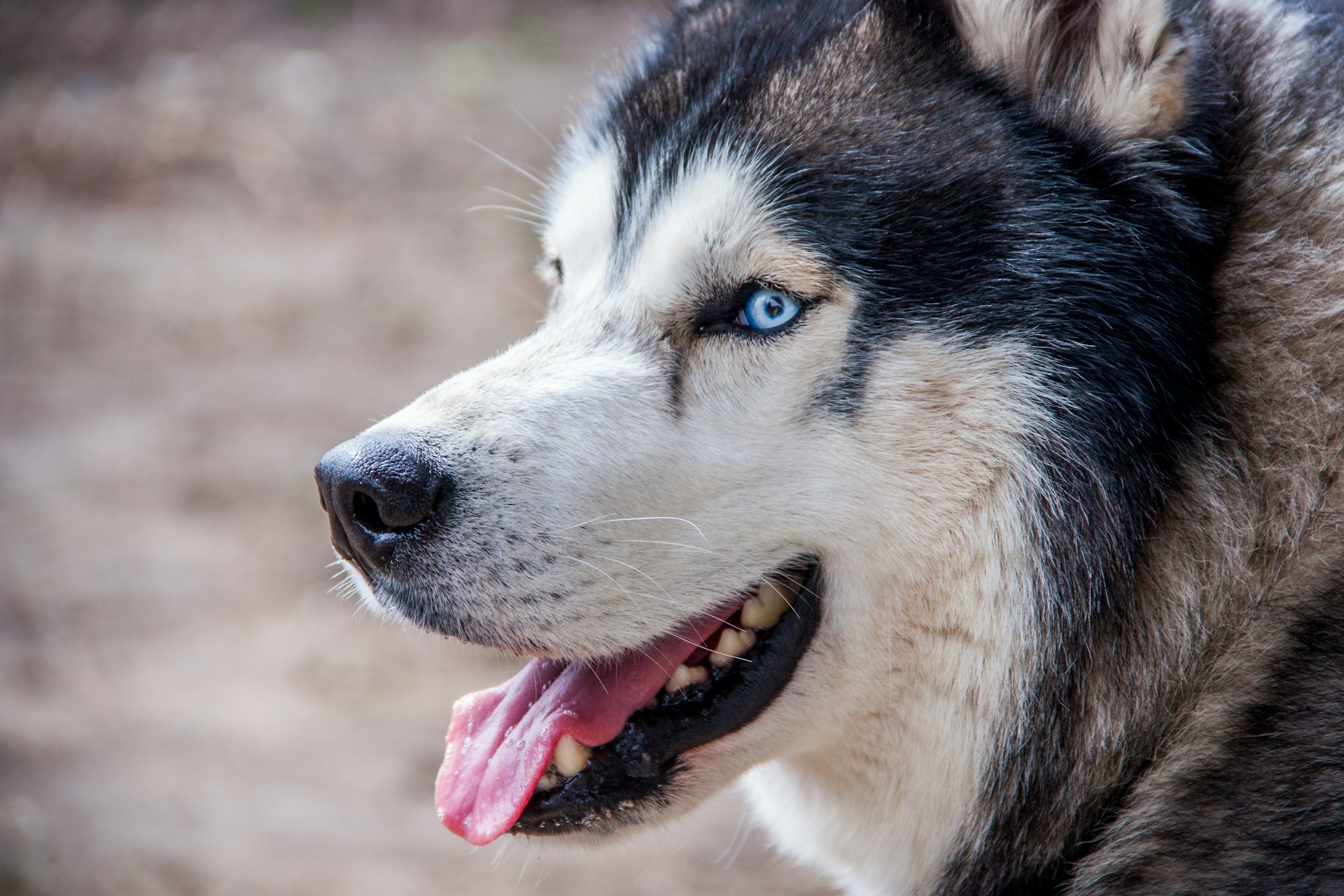
Siberian Huskies are gorgeous, goofy, and way too smart for their own good. They also come with quirks that can drive even patient owners up the wall. If your Husky acts like a furry tornado with opinions, you’re not alone. Let’s talk about the most common behavior problems—and how to fix them before you lose another shoe, fence panel, or ounce of sanity.
The Escape Artist Life
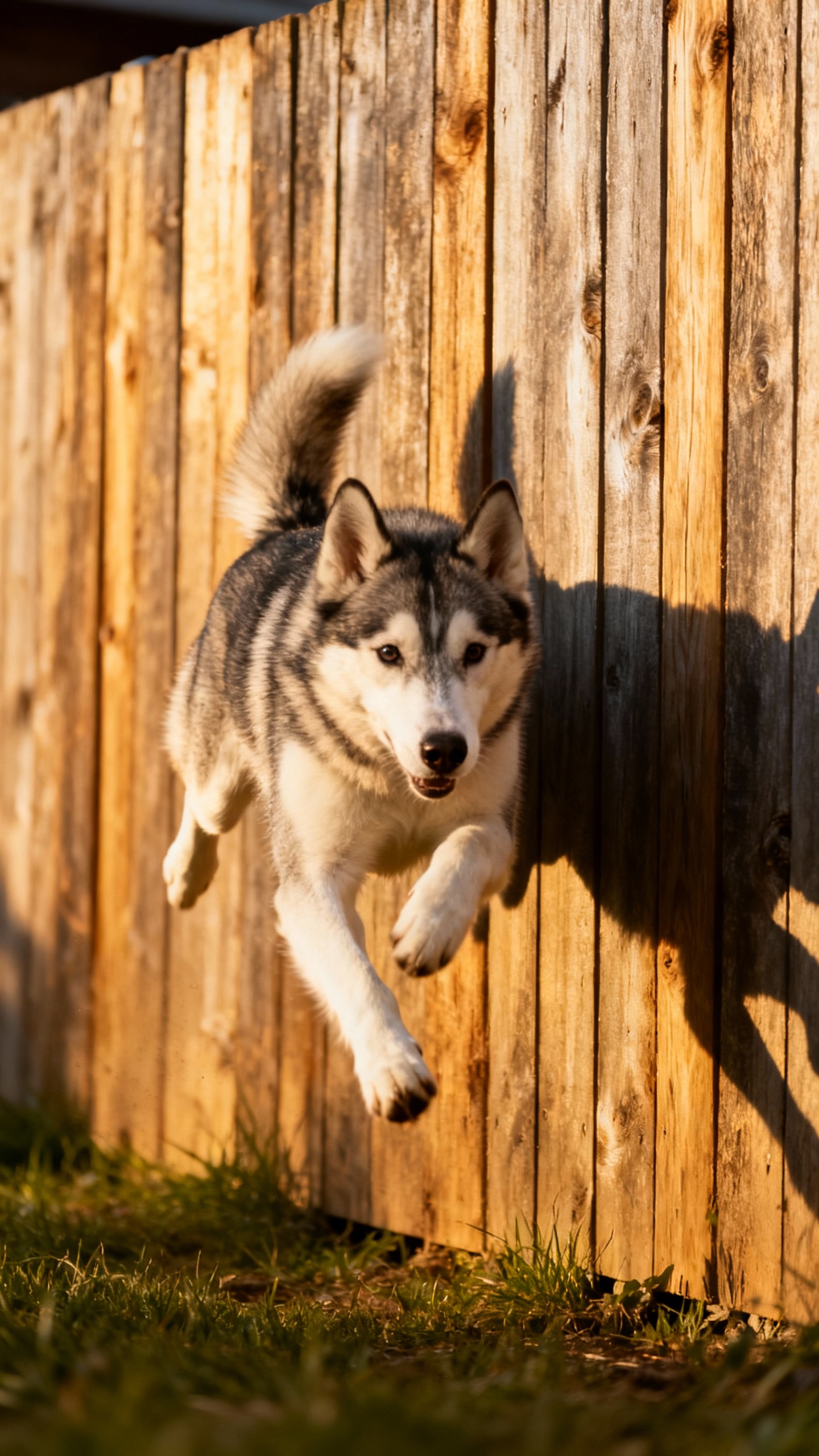
Huskies don’t just like to run—they live for it. If there’s a gap, a weak fence, or a door that doesn’t click, your Husky will find it. And yes, they can clear a six-foot fence if they’re motivated.
Fix it:
- Upgrade your fence: Minimum 6 feet, smooth surface, and no footholds. Consider a lean-in top or coyote rollers.
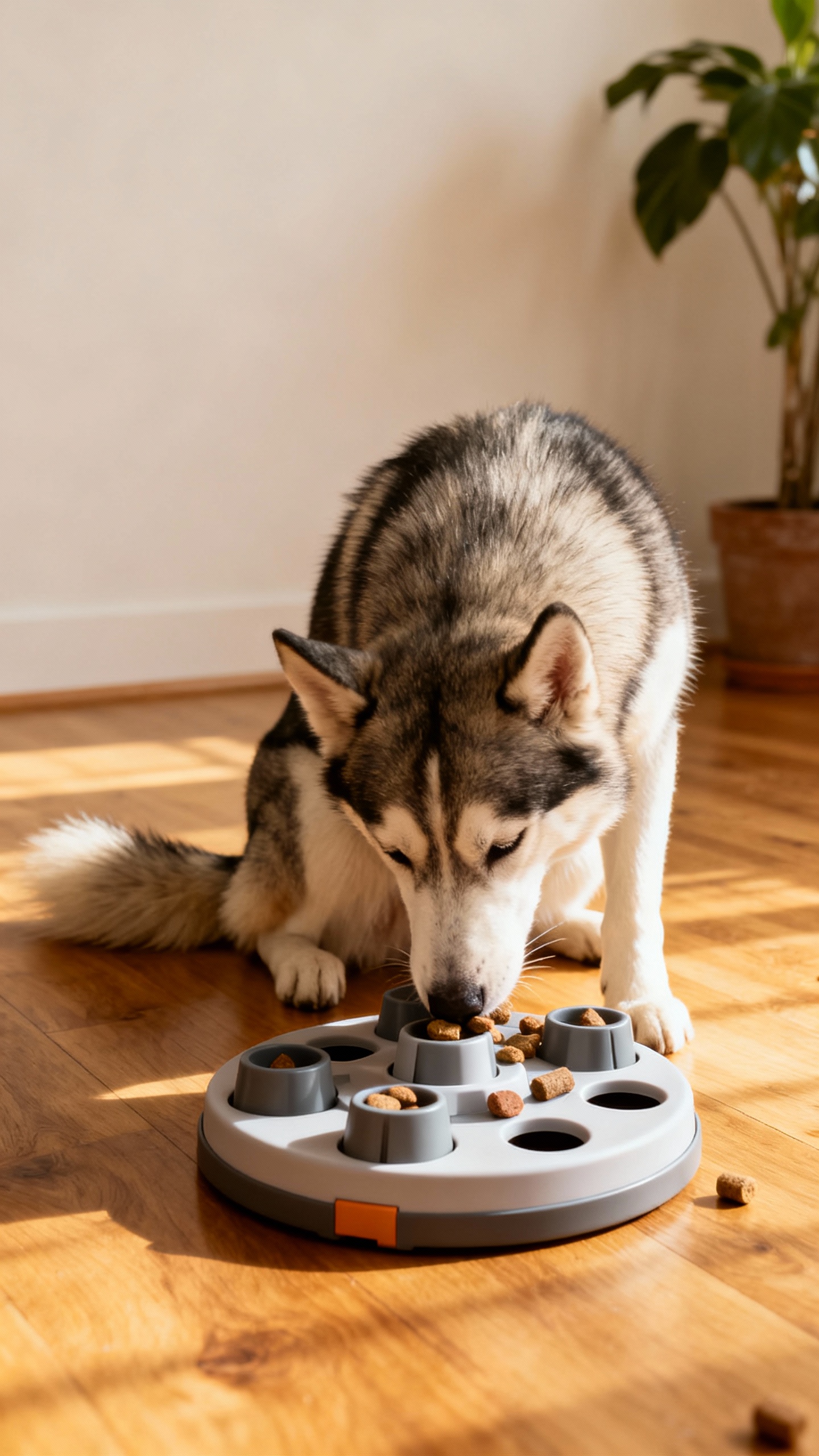
- Add mental drain: Long sniff walks, flirt pole games, and puzzle feeders cut the urge to bolt.
- Recall realism: Train recall, but be honest—most Huskies won’t be reliable off-leash. Long lines are your friend.
Training tip: “Check-in” game
Reward your dog every time they look back at you on walks. Mark with “Yes!” and give a treat. Build that habit so your Husky thinks keeping tabs on you equals payday.
The Scream-And-Howl Soundtrack
Huskies talk. And sing. And sometimes scream like an exorcism. They vocalize when bored, excited, or when you dare to deny them their fifth walk.
Fix it:
- Teach “quiet”: Mark and reward even a half-second pause in noise. Build up gradually.
- Increase enrichment: A tired Husky howls less. Rotate toys, use lick mats, and add scent games.
- Don’t reinforce demand howling: If your dog screams for attention, wait for silence before you engage. Yes, your neighbors will judge you. It’ll pass.
When it’s separation anxiety
If howling starts when you leave and stops when you return, work on very short departures, use a camera to monitor, and consider a certified trainer. Separation anxiety needs a plan, not just a noise complaint.
Destructive Chewing and Digging
Your Husky didn’t destroy the couch out of spite. They’re bored, teething, or redirecting energy into DIY home remodeling.
Fix it:
- Chew library: Rotate safe chews (rubber toys, frozen Kongs, yak chews). Use a “chew zone” like a pen or crate when unsupervised.
- Digging outlet: Create a designated dig pit. Bury toys. Make it clear: dig here, not there.
- Daily energy budget: Aim for 90–120 minutes of combined physical and mental work. Huskies need it, IMO.
Crate training without the drama
Make the crate a VIP lounge: feed meals in it, toss treats inside, and keep doors open at first. Never use it as punishment. Short, frequent sessions beat one long one.
Stubbornness (AKA Selective Listening)
Huskies understand you. They just choose the more interesting option—like that squirrel or the wind or the existential pull of freedom.
Fix it:
- Pay better: Use high-value rewards for training outside. Chicken > kibble when distractions hit.
- Keep sessions short: 3–5 minutes, multiple times a day. End on a win.
- Proof commands: Train sit, down, and stay in boring rooms first, then in the yard, then on walks.
Use choices to your advantage
Build cooperation: ask for a sit before leashing, a down before food, a touch before going outside. The world becomes a reward machine that you control. FYI, this works wonders.
Leash Pulling Like a Sled Dog
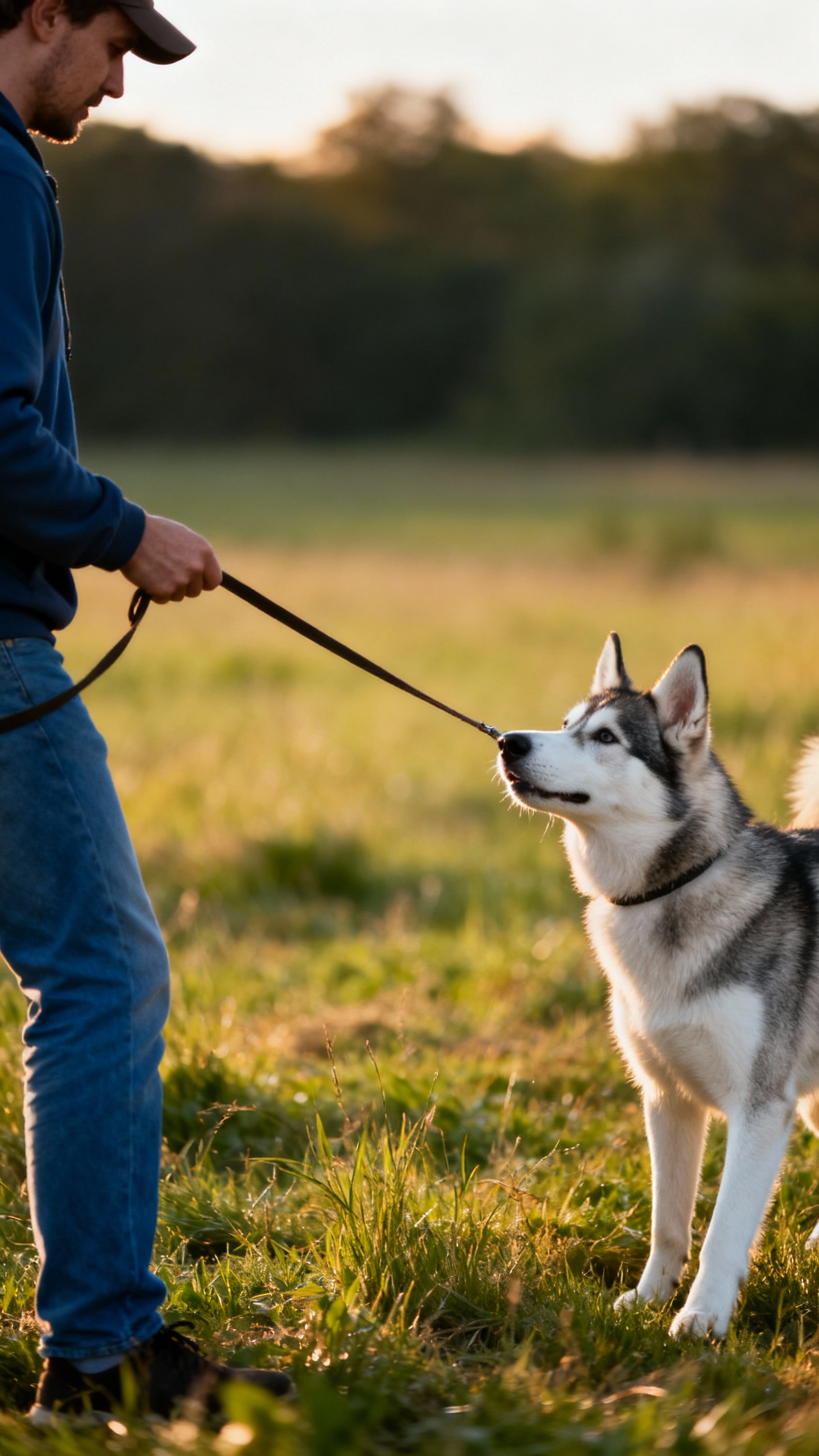
Newsflash: Huskies pull because we bred them to pull. You won’t erase that instinct, but you can guide it.
Fix it:
- Front-clip harness: It reduces pulling and protects the neck.
- “Be a tree” method: If they pull, you stop. When the leash loosens, move forward. Consistency wins.
- Reward position: Treat for walking at your side. Start in a hallway. Level up slowly.
- Give them an outlet: Try canicross or urban mushing on designated runs. Let them pull when it’s allowed.
Prey Drive and Small Animal Drama
Many Huskies see squirrels, cats, and sometimes small dogs as chaseable. That’s instinct, not malice.
Fix it:
- Management first: Use a sturdy leash and harness. No off-leash near wildlife.
- Engagement training: Teach a fast “look at me” and “let’s go” with high-value rewards.
- Pattern games: Practice predictable moves (e.g., “1-2-3-treat”) so your dog focuses on you when critters appear.
What about cats?
Some Huskies live peacefully with cats, others never will. Introduce slowly with barriers, keep the cat escape routes, and never trust the situation unsupervised until months of calm behavior prove otherwise.
Resource Guarding and Food Possessiveness
Guarding can show up as stiffening, growling, or snapping over food, toys, or stolen objects. Don’t scold the growl—that’s your early warning system.
Fix it:
- Trade up: Teach “drop it” by offering higher-value treats for the item. Say “drop,” treat, return the item sometimes.
- Hand-feeding reps: For food guarders, drop bonus treats in the bowl as they eat to build a “human approach = good stuff” association.
- Manage the environment: Pick up high-value items when guests visit. Prevent the problem rather than test it.
When to call a pro
If your dog air-snaps, guards space, or you feel unsafe, bring in a certified behavior professional. Faster fix, fewer scars. IMO, totally worth it.
Daily Game Plan That Actually Works
Let’s be real: Huskies need structure. Not military school—just a predictable rhythm.
Sample daily flow:
- Morning: 30–45 min brisk walk or jog + 5 min obedience.
- Midday: Puzzle feeder or sniff mat + short training game (recall or “touch”).
- Evening: Flirt pole or fetch sprint session + calm decompression walk + chew time.
Weekly extras:
- Nose work or tracking games
- Hiking with a weighted backpack (start light, vet-approved)
- Group classes for social time and impulse control
Training mindset
– Progress, not perfection.
– Reward what you like, manage what you don’t.
– Consistency beats intensity. Five minutes daily > one hour on Sunday.
FAQ
Are Huskies good for first-time dog owners?
Yes, if you love exercise, routine, and problem-solving. They challenge you, but they’re incredibly rewarding. If you prefer a low-maintenance couch buddy, maybe pick another breed.
How much exercise does a Husky really need?
Plan for 90–120 minutes daily, split between physical and mental work. Quality matters more than just distance—sniffing, training, and variety go a long way.
Can I trust a Husky off-leash?
Usually, no. Some individuals do great in safe, fenced areas or with years of training, but the breed’s prey drive and independence make off-leash risky. Use long lines and secure spaces.
Will neutering/spaying fix behavior issues?
It may reduce hormone-driven behaviors, but it won’t fix training gaps or unmet needs. You still need structure, exercise, and reinforcement-based training.
How do I stop my Husky from destroying the house when I’m gone?
Use a crate or gated area, provide a stuffed frozen Kong, and exercise before you leave. Start with short departures and build up. If panic sets in, consult a pro for separation anxiety.
Do Huskies get along with other dogs?
Often, yes. Many love dog friends, especially with good socialization. Supervise play, match energy levels, and advocate for breaks so fun doesn’t turn into chaos.
Conclusion
Huskies aren’t hard—just specific. Give them structure, outlets for that big brain and bigger engine, and clear rules that pay well. Do that, and the “problems” turn into quirks you can handle—and even love. And hey, when your Husky finally nails that recall past a squirrel? Frame the certificate. You earned it.

I’ve spent 10+ years in dog training, digging into what makes dogs (and their humans) tick. At Smart Dog Learning, I share my no-nonsense, fun approach to training so you can enjoy life with a well-behaved, happy pup—no boring lectures, just practical results 😉