
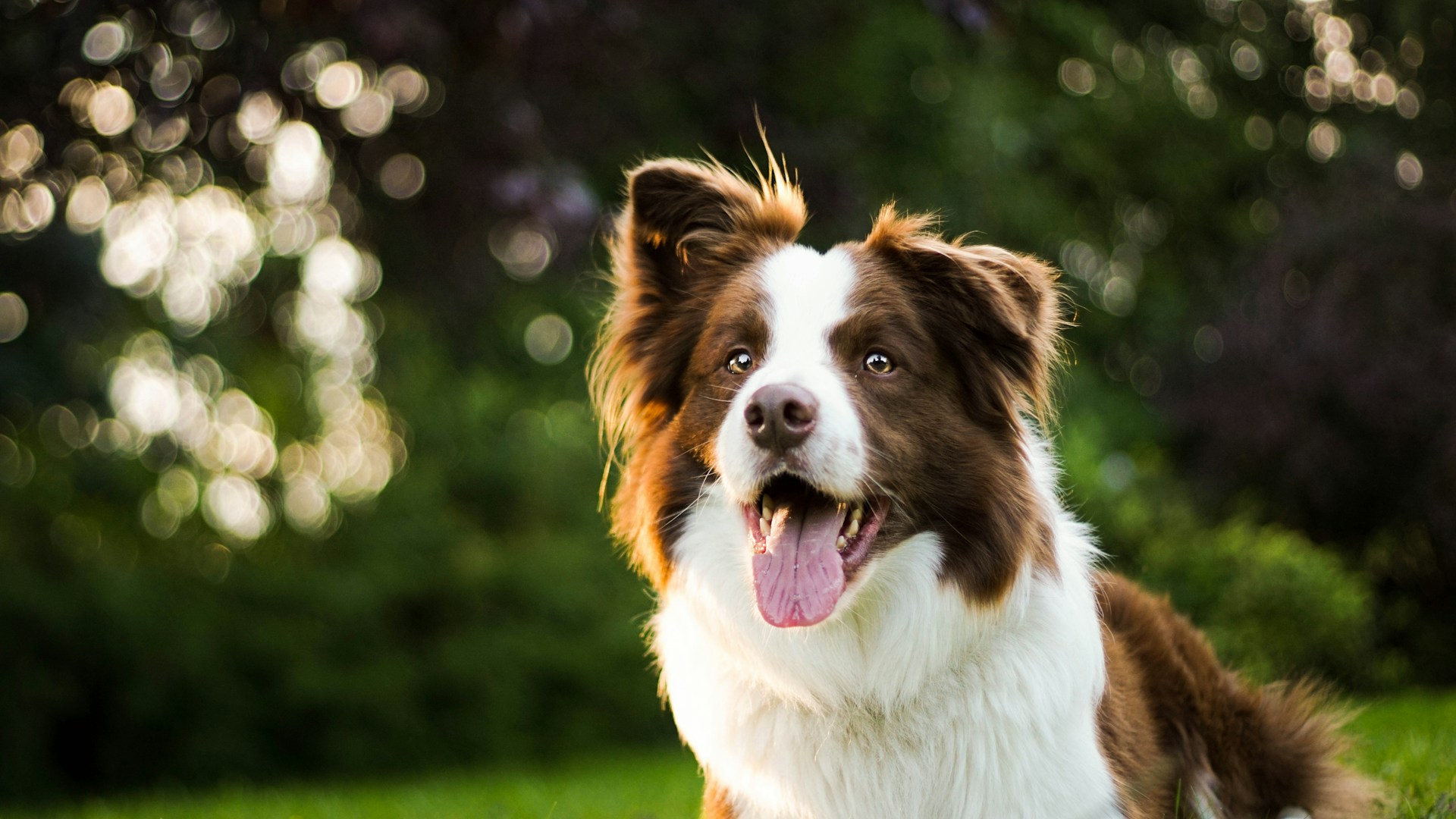
7 Border Collie Puppy Training Tips To Channel Their Energy
Your Border Collie puppy didn’t come with an off switch—and that’s kind of the point. These little geniuses pack more energy than a double espresso and more curiosity than your nosy neighbor. Good news: you can channel all that zoom into smart, fun habits.
Let’s turn chaos into cooperation and keep that tail wagging for the right reasons.
Understand What You’re Dealing With
Border Collies weren’t bred to lounge. They were bred to work—think decision-making, sprinting, stopping, and reacting in milliseconds. So when your puppy bites your shoelaces at 6 a.m., they’re not “being bad,” they’re telling you, “I need a job!” Key takeaway: Treat your puppy like a bright kid who finishes the test in five minutes.
You don’t punish the speed—you give them more interesting problems.

Energy Isn’t Just Physical
A tired mind equals a calm body. Mental work often drains Border Collies faster than long walks. Puzzle toys, training games, and scent work can do more in 15 minutes than a frustrating hour of fetch.
🍲 50 Printable Dog Food Recipes Your Pup Will Love
Skip the fillers and preservatives. Make healthy, homemade meals your dog will actually eat — using everyday ingredients you already trust. Vet-friendly, budget-friendly, and super easy to follow. 🐾
Perfect for picky eaters, senior dogs, and pups with sensitive stomachs. Make mealtime simple and nutritious again.
Get the Recipes Now 🐶Tip 1: Build a Daily Routine That Actually Satisfies Them
You don’t need an Olympic training plan, but you do need structure.
Aim for a mix of physical exercise, brain games, training, and downtime. Try this simple rhythm:
- Morning: Short training session (5–10 minutes) + brisk walk or tug.
- Midday: Puzzle feeder or snuffle mat + quick obedience refresh.
- Afternoon: Play session (fetch, flirt pole) with clear start/stop cues.
- Evening: Calm enrichment (lick mat, chew) + place training.
Pro tip: Short bursts beat marathon sessions. Border Collies love intensity, not monotony.
Tip 2: Teach “Off Switch” Behaviors Early
Your puppy won’t magically chill.
You must train calm. Start with a cozy “place” (mat, bed) and reward quiet settling.
How to Teach “Place”
- Guide your puppy onto the mat. Mark “yes” and treat.
- Feed a few treats while they stay on the mat.
- Release with a clear word like “free.”
- Gradually add time, distance, and distractions.
Goal: Your pup learns that relaxing earns rewards.
IMO, this skill saves your sanity.
Use Calming Enrichment
Offer safe chews, stuffed Kongs, or lick mats when you want quiet time. Chewing and licking help them self-soothe. It’s like a puppy spa day, minus the cucumber slices.
Tip 3: Make Brain Games a Daily Habit
Want a calm Border Collie?
Work the mind. Think scavenger hunts, puzzle toys, and training challenges. Great mental workouts:
- Find It: Hide treats around a room and cue your puppy to search.
- Shaping Games: Reward tiny steps toward a behavior (touch a box, step inside, lie down).
- Object Names: Start labeling toys with simple words.Yes, they can learn dozens—no need to flex, but FYI, they love it.
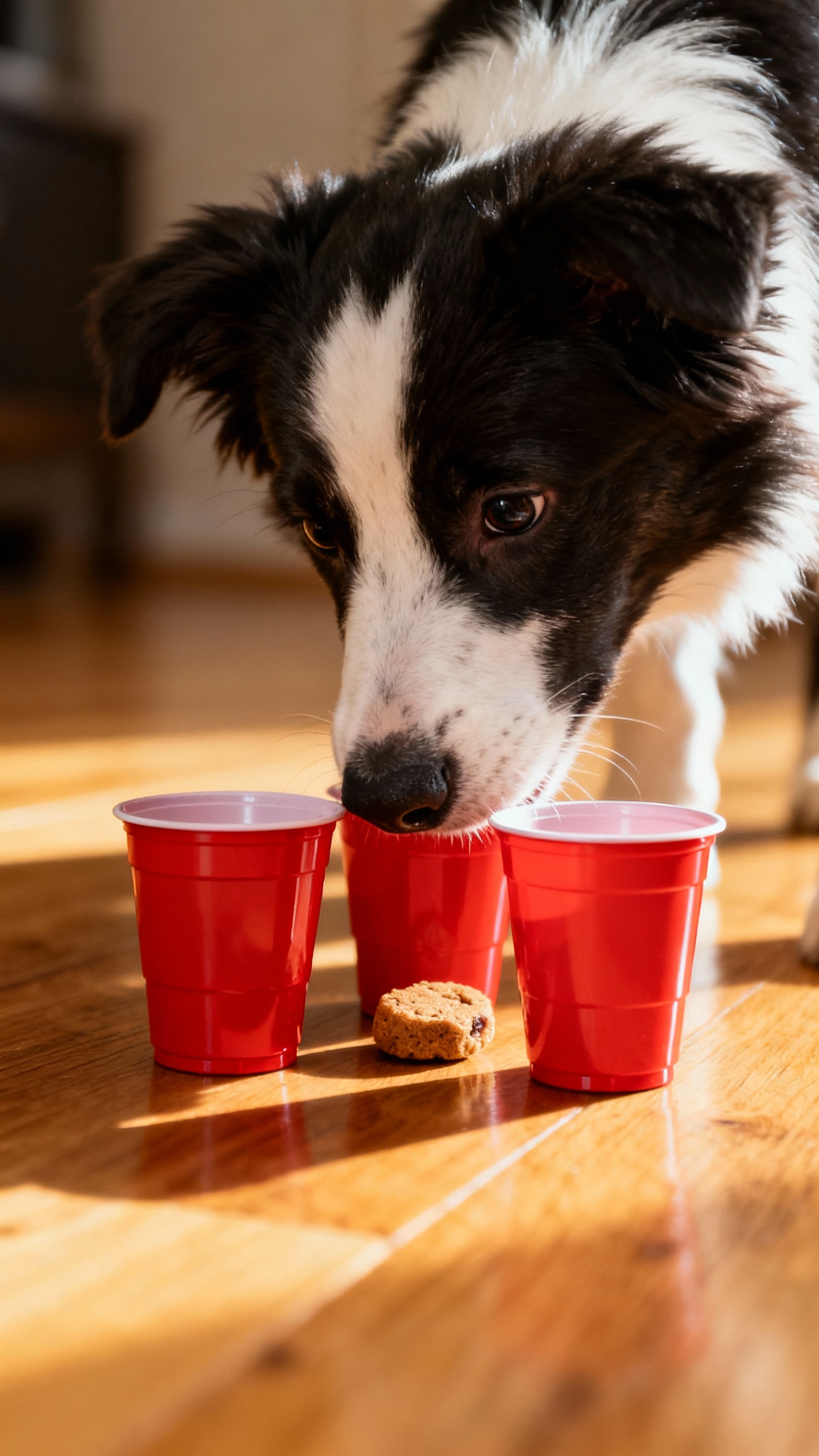
- Nosework: Put a treat under one of three cups and let them sniff it out.
Keep sessions short: 3–5 minutes, multiple times a day. Quit while your puppy still wants more.
Tip 4: Channel Herding Instincts Safely
That “chasing kids and nipping heels” thing? It’s herding behavior trying to escape.
Give it a safe outlet.
Games That Scratch the Itch
- Flirt Pole: Teach impulse control—“sit,” then chase; “drop,” then reset. Burn energy fast.
- Recall-to-Tug: Call your puppy excitedly, reward with tug, then release. This builds a rocket recall.
- Structured Fetch: Toss once, ask for a sit before throwing again.This builds control, not chaos.
Warning: If your puppy obsesses or can’t disengage, reduce intensity and add more obedience between reps.
Tip 5: Socialize Like a Pro (Without Meltdowns)
You want a confident, unflappable dog, not a frazzled over-thinker. Expose your puppy to new sights, sounds, and people at a level they can handle. Do it right:
- Short and sweet: One or two new things per outing.
- Choice matters: Let your puppy approach or hang back.Don’t force interactions.
- Reward curiosity: Treats for calm looks at skateboards, bikes, loud trucks.
- Puppy classes: Pick a trainer who uses positive reinforcement and controlled play.
IMO: Over-socialization (aka chaos exposure) creates stress, not confidence.
Tip 6: Obedience, But Make It Fun
Training bores smart dogs if you repeat sit-down-stay forever. Keep it playful and practical. Core skills to focus on:
- Recall: Make coming to you the best party.Use high-value treats and toss a jackpot occasionally.
- Loose Leash Walking: Reward position beside you. If they pull, stop. When they return, move forward again.
- Leave It/Drop: Teaches impulse control and saves socks everywhere.
- Settle/Place: Your calm command for cafes, guests, and Zoom calls.
Keep it brisk: 1–2 minutes, lots of reinforcement, end on a win.
Trick Training = Secret Weapon
Teach spin, bow, paw, back up, or perch work.
Tricks drain energy, boost coordination, and strengthen your bond. Also, they impress your friends. Win-win.
Tip 7: Plan for Growth Spurts and Zoomies
Puppy energy comes in waves.
Growth spurts can spike zoomies or crankiness. Adjust activity and keep training flexible. Smart adjustments:
- Shorter sessions on “wild child” days.
- More sniffing walks instead of endless fetch.
- Gentle enrichment when teething makes tug uncomfortable.
Remember: Calm isn’t linear.
You’ll get regression days. Stick to the plan; your consistency builds their consistency.
Skill Stacking: Combine Exercise, Training, and Calm
You don’t have extra hours; you just need smarter combos.
- Warm-up: 5 minutes of obedience.
- Workout: 10 minutes of fetch or flirt pole with sits between throws.
- Cool-down: Nosework or a snuffle mat.
- Recovery: “Place” with a chew.
That’s a full energy cycle in under 30 minutes. Chef’s kiss.
Common Mistakes to Avoid
- Endless fetch: You create a cardio monster who needs more and more to feel satisfied.
- Over-stimulation: Too many dog parks, too many hours.Choose quality interactions.
- Inconsistent rules: If “jumping is cute sometimes,” your puppy will jump always.
- Skipping mental work: Don’t neglect the brain—this breed thrives on problem-solving.
FAQs
How much exercise does a Border Collie puppy need?
Aim for several short sessions rather than one big marathon. Think 15–20 minutes of physical play a couple of times a day, plus multiple small training and enrichment breaks. You protect growing joints and still meet their needs.
When can I start agility or more intense sports?
Start with foundation skills immediately—body awareness, focus, targeting, and tunnels on the ground.
Save jumping and high-impact stuff until growth plates close, usually around 12–18 months. Your vet can guide you based on your pup’s development.
My puppy herds kids and nips heels. What do I do?
Redirect to structured games that mimic the thrill but add control, like flirt pole with rules and recall-to-tug.
Teach “leave it,” reinforce “come,” and give them a job during high-energy times. Don’t punish the instinct—channel it.
What are the best toys for mental stimulation?
Puzzle feeders, snuffle mats, Kongs, and treat balls all rock. Rotate toys every few days to keep novelty high.
For extra credit, use DIY puzzles—muffin tin with tennis balls over treats, or a folded towel “sushi roll.”
How do I stop over-arousal during play?
Build start/stop cues into every game. Ask for a sit before the toss, a “drop” before the next round, and a “settle” at the end. If your puppy spirals, switch to sniffing or a calm chew to reset.
Is a Border Collie okay in an apartment?
Yes—if you commit to daily brain work and structured exercise.
Many apartment Collies thrive because their humans plan routine, not random chaos. FYI: elevators and hallways become bonus socialization.
Conclusion
You won’t “wear out” a Border Collie puppy—you’ll guide them. Mix training, mental games, and smart play, and you’ll see the wild energy transform into incredible focus.
Keep it short, fun, and consistent, and your pup will become the teammate you dreamed of (with fewer shoe casualties, IMO).
I’ve spent 10+ years in dog training, digging into what makes dogs (and their humans) tick. At Smart Dog Learning, I share my no-nonsense, fun approach to training so you can enjoy life with a well-behaved, happy pup—no boring lectures, just practical results 😉