6 Husky Puppy Training Tips For Strong-willed Pups
Huskies look like snow wolves and act like stand-up comedians with endurance. They’re smart, athletic, and very sure they know better than you. Training a Husky puppy?
You’ll need consistency, creativity, and a sense of humor. Let’s skip the fluff and get into the good stuff that actually works with these strong-willed fluff missiles.
Know Your Husky: You’re Dealing With a Genius Escape Artist
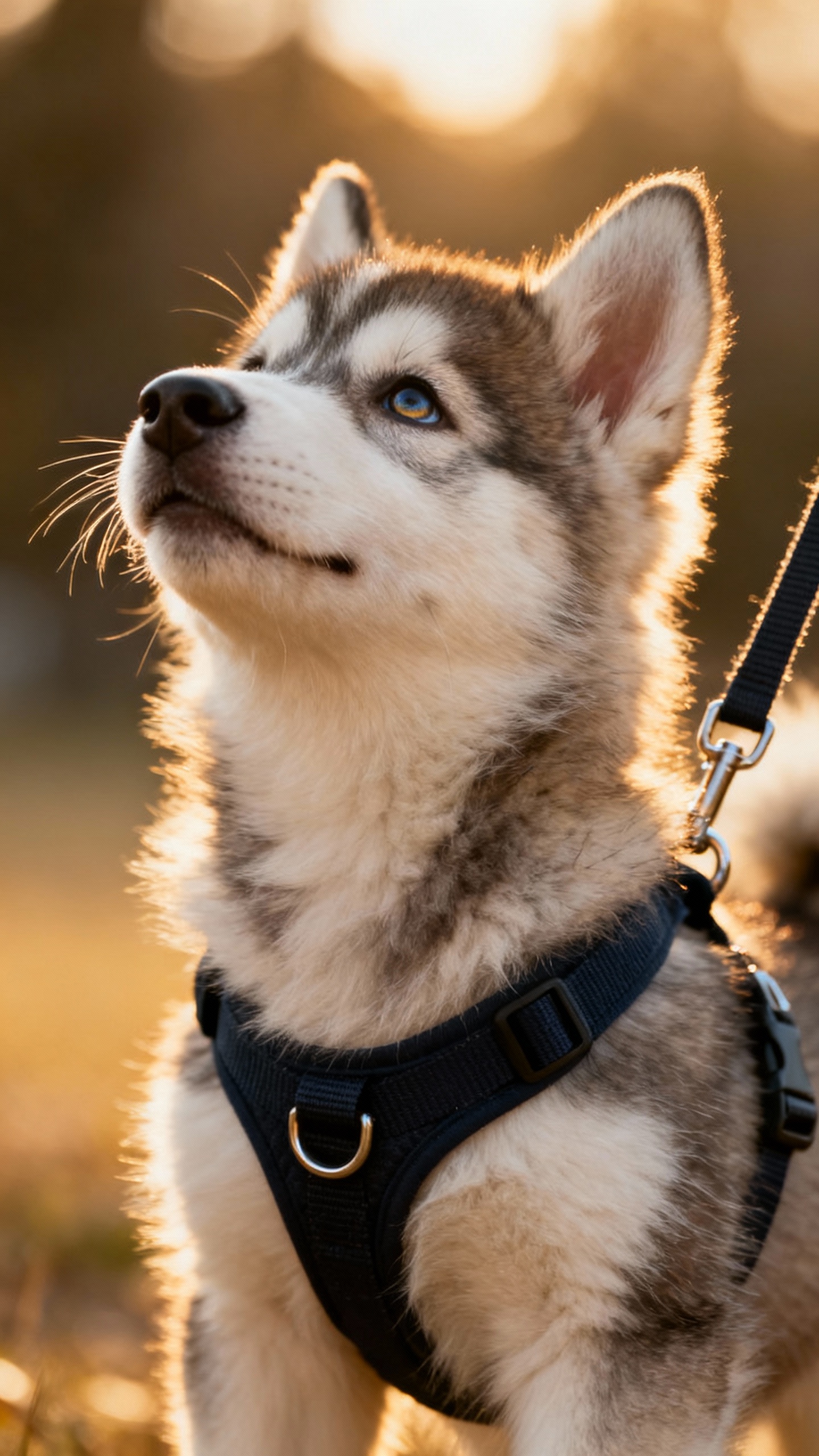
Huskies were bred to think independently and make decisions on the move. That’s awesome for sled teams and slightly chaotic for your living room.
Expect curiosity, confidence, and a “what’s in it for me?” approach to training. Translation: they don’t ignore you out of spite. They need a reason to listen.
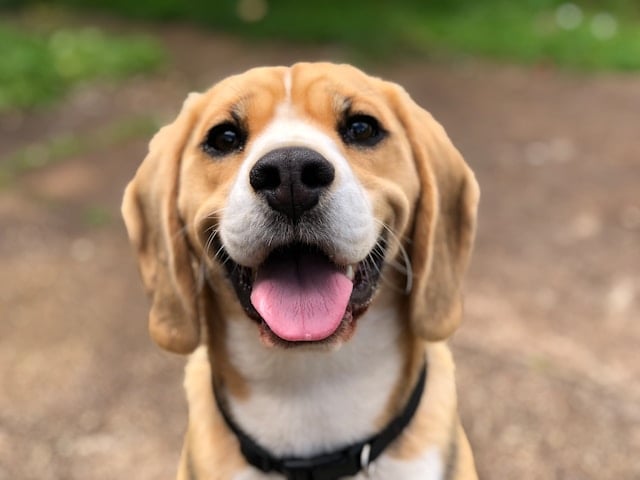
What motivates a Husky?
- Movement: short chase games, tug, recall for a sprint.
- Food: high-value treats (think chicken, cheese, freeze-dried meat).
- Variety: mix rewards so they don’t get bored.
Tip 1: Start With Structure (Day 1, not “someday”)
Set a routine for meals, potty breaks, sleep, and training snacks. Huskies thrive with predictable patterns because they immediately test boundaries.
🍲 50 Printable Dog Food Recipes Your Pup Will Love
Skip the fillers and preservatives. Make healthy, homemade meals your dog will actually eat — using everyday ingredients you already trust. Vet-friendly, budget-friendly, and super easy to follow. 🐾
Perfect for picky eaters, senior dogs, and pups with sensitive stomachs. Make mealtime simple and nutritious again.
Get the Recipes Now 🐶Remove the gray areas and they relax faster. Simple daily rhythm:
- Wake up → potty → short play → breakfast (earned with a couple sits/downs)
- Midday training burst (5-7 minutes) → puzzle toy → nap
- Evening exercise → recall practice → dinner
- Calm chew and crate time before bed
Crate training without the drama
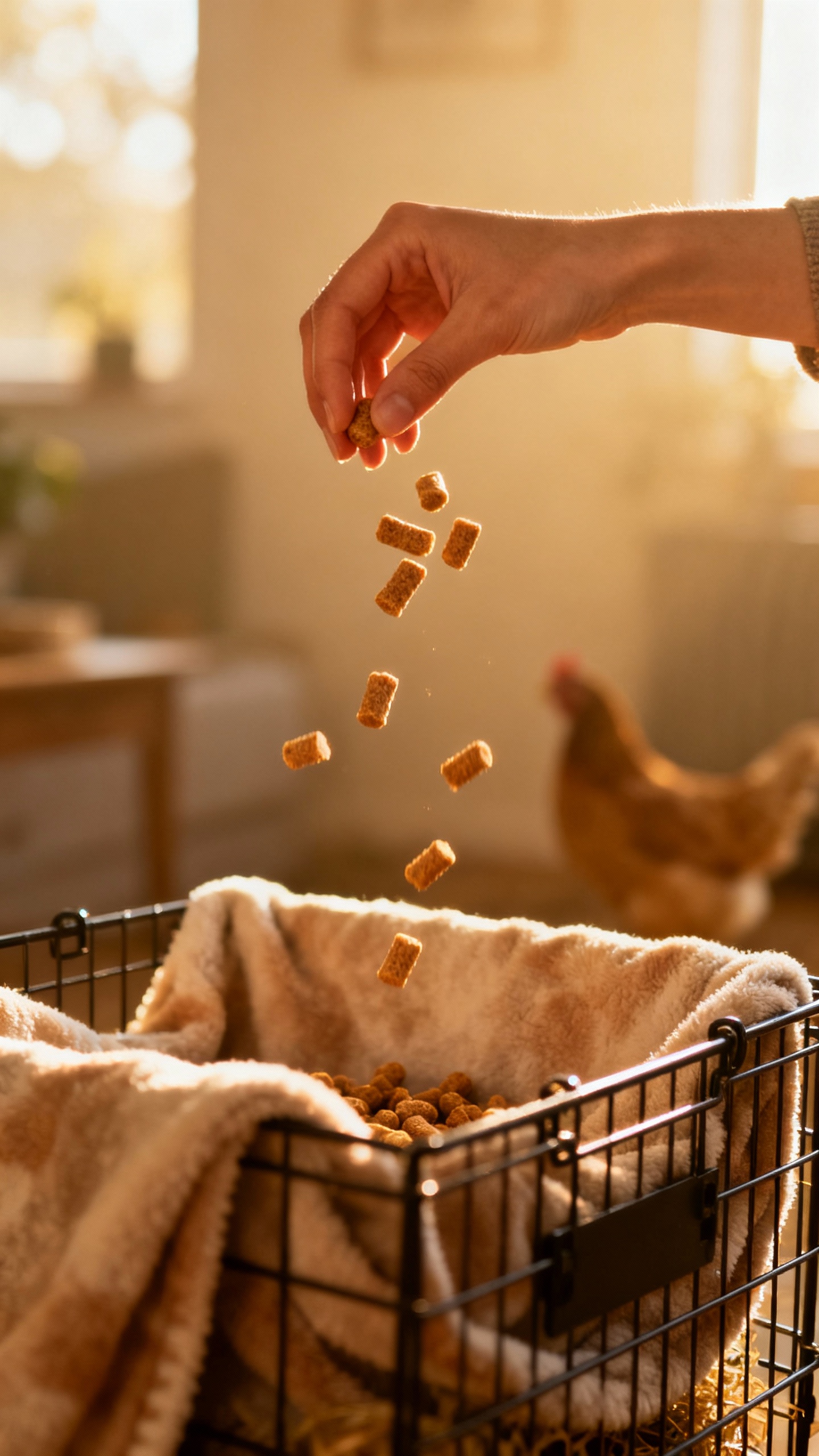
Feed meals in the crate, toss treats inside randomly, and keep the door open at first. Once they enter willingly, close the door for short sessions. Keep exits boring and entries exciting.
Tip 2: Make Training a Game (Because It Is)
Huskies tune out lectures.
Keep sessions short, upbeat, and competitive in a fun way. If your energy dips, so does theirs. Use the 3×3 rule:
- 3-minute sessions
- 3 times a day
- 3 reps per behavior “set,” then switch it up
Game ideas that actually work
- Rapid-fire sits: five sits in different spots for five tiny treats. Speed matters.
- Chase recall: jog away, call their name once, reward with tug or a sprint when they catch you.
- Find it: toss treats in grass or around the room to engage their nose and brain.
Tip 3: Nail Recall Early (Yes, even with a Husky)
Everyone says Huskies can’t have a solid recall.
False. You just need to make coming to you feel like winning a jackpot every time, especially at the start. How to build a rock-solid recall:
- Pick a special word (“Here!” or “To me!”) and don’t waste it.
- Use a long line outside so they can’t practice ignoring you.
- Call once, run the other way, throw a party when they reach you.
- Pay big: 3-5 treats, then release back to play. The release is part of the reward.
Recall killers to avoid
- Calling them only when fun ends (leash on, go home, bath time).
- Repeating the cue five times (teaches them to ignore the first four).
- Chasing them angrily.
You become the game… and you lose.
Tip 4: Channel the Chaos Into Exercise and Enrichment
A bored Husky becomes a demolition expert. You don’t need to run marathons, but you do need to meet both brain and body needs. Daily targets, IMO:
- Physical: 60–90 minutes total, split into two or three chunks (age-appropriate; for young pups, keep it soft on joints).
- Mental: 20–30 minutes of training, puzzles, snuffle mats, or scent games.
Indoor days that don’t wreck your sanity
- Frozen Kongs or lick mats after training.
- DIY scent trails using kibble from room to room.
- “Place” command with calm music for impulse control.
Tip 5: Be Unbreakably Consistent With Rules
Huskies audit your behavior like tiny lawyers. If jumping gets attention once, they’ll try it 100 times.
Choose rules you can enforce every single day and stick to them. Good house rules:
- Four paws on the floor = attention and treats. Jumping = invisible human.
- Chew this, not that. Swap forbidden items for approved chews without scolding.
- Door manners: sit → door opens.
No sit = door stays shut. Simple.
Use “Nothing For Free” without being a robot
Ask for a quick behavior before privileges: sit for leash on, down for food, eye contact for couch time. It builds respect without harshness.
FYI, it also makes them feel clever.
Tip 6: Socialize Like a Pro (But Avoid the Dog Park Trap)
Expose your Husky puppy to the world early and wisely. New surfaces, people, sounds, and calm dogs create confidence. Overwhelm creates reactivity, and that’s no fun for anyone. Smart socialization checklist:
- Different floors: tile, wood, gravel, metal grates.
- People with hats, beards, umbrellas, wheelchairs, kids (supervised).
- Controlled dog greetings with vaccinated, polite adults.
- Short car rides paired with treats to prevent motion anxiety.
Why I skip dog parks (especially for pups)
Unpredictable dogs, rough play, and no control.
Instead, do playdates with known dogs, puppy classes run by modern trainers, or group hikes on long lines. Safer, better learning.
Common Training Challenges (And Fast Fixes)
Problem: “Selective hearing” outside. Increase distance from distractions, use a long line, and pay bigger. Work closer to distractions over time. Problem: Mouthing like a land piranha. Redirect to a tug toy, reward calm mouths, and end play for 10 seconds when teeth touch skin.
Repeat. They learn fast. Problem: Digging craters. Give a designated dig zone (sandbox or corner of the yard). Bury toys there and praise digging only in that spot. Problem: Pulling like a freight train. Use a front-clip harness, change direction when the leash tightens, and reward at your side.
Keep sessions short and frequent.
Tools That Help (When Used Right)
Must-haves:
- Front-clip harness and 6-foot leash
- Long line (20–30 feet) for recall practice
- Treat pouch loaded with high-value goodies
- Crate or playpen for safe downtime
- Chews: bully sticks, Himalayan chews, sturdy rubber toys
Nice-to-haves:
- Snuffle mat and puzzle feeders
- Seatbelt harness for car rides
- Lick mats for chill time during grooming
FAQ
When should I start training a Husky puppy?
Day one. Keep it fun and simple: name recognition, sit, come, and handling. Puppies learn instantly, good or bad, so stack the deck with short, rewarding sessions.
How do I stop my Husky from running away?
Don’t give them chances to practice it.
Use a long line outdoors, build a powerful recall with massive rewards, and add impulse-control games like “wait” at doors. Also, secure your yard—Huskies jump and dig like it’s their job.
Are Huskies hard to train compared to other breeds?
They’re not “hard,” they’re independent. They question orders and need compelling reasons to comply.
Make training fast, valuable, and varied, and you’ll see how quickly they catch on. IMO, they’re brilliant—just not people-pleasers.
How much exercise does a Husky puppy need?
Plenty, but age-appropriate. For young pups, focus on short play bursts, soft-surface walks, and mental games rather than long runs.
As they grow, increase intensity. Overdoing it early can harm joints.
What treats work best for Husky training?
High-value, soft, and smelly. Think small pieces of chicken, cheese, or freeze-dried liver.
Rotate treats so they don’t get bored. FYI, kibble often won’t cut it outside with distractions.
Can I crate a Husky? Isn’t that cruel?
Crating isn’t cruel when you introduce it positively.
It provides safety, structure, and better sleep. Make it cozy, feed meals inside, and never use it as punishment.
Bringing It All Together
You’re not fighting your Husky’s spirit—you’re aiming it. Keep sessions short, rewards big, and rules consistent.
Mix brain games with physical outlets, socialize thoughtfully, and invest in recall like it’s gold (because it is). Do that, and your strong-willed pup turns into a dependable, hilarious adventure buddy. And hey, a little stubbornness keeps life interesting, right?
I’ve spent 10+ years in dog training, digging into what makes dogs (and their humans) tick. At Smart Dog Learning, I share my no-nonsense, fun approach to training so you can enjoy life with a well-behaved, happy pup—no boring lectures, just practical results 😉