

6 Daily Exercise Tips for High-Energy Border Collies
Border Collies aren’t “walk around the block” dogs. They’re turbo-charged brainiacs in fur who treat your living room like a practice field. If you don’t give them a job, they’ll invent one (like redecorating your couch). Good news: a smart daily exercise plan can turn all that energy into magic instead of mayhem.
Know Your Collie’s Energy Budget
You can’t out-jog a Border Collie, but you can out-think one. Aim for a mix of physical and mental work every day. Think sprints, puzzles, and focused training rather than a single endless run.
General guideline: Plan for 90–120 minutes of activity spread across the day. Split it into:
- High-intensity bursts for cardio and power
- Skill work for mental stimulation
- Calm decompression so they can actually relax
FYI, puppies and seniors need shorter sessions with more breaks. Overdoing it can cause injuries, and vet bills are the opposite of fun.
Tip 1: Start With Smart Warm-Ups
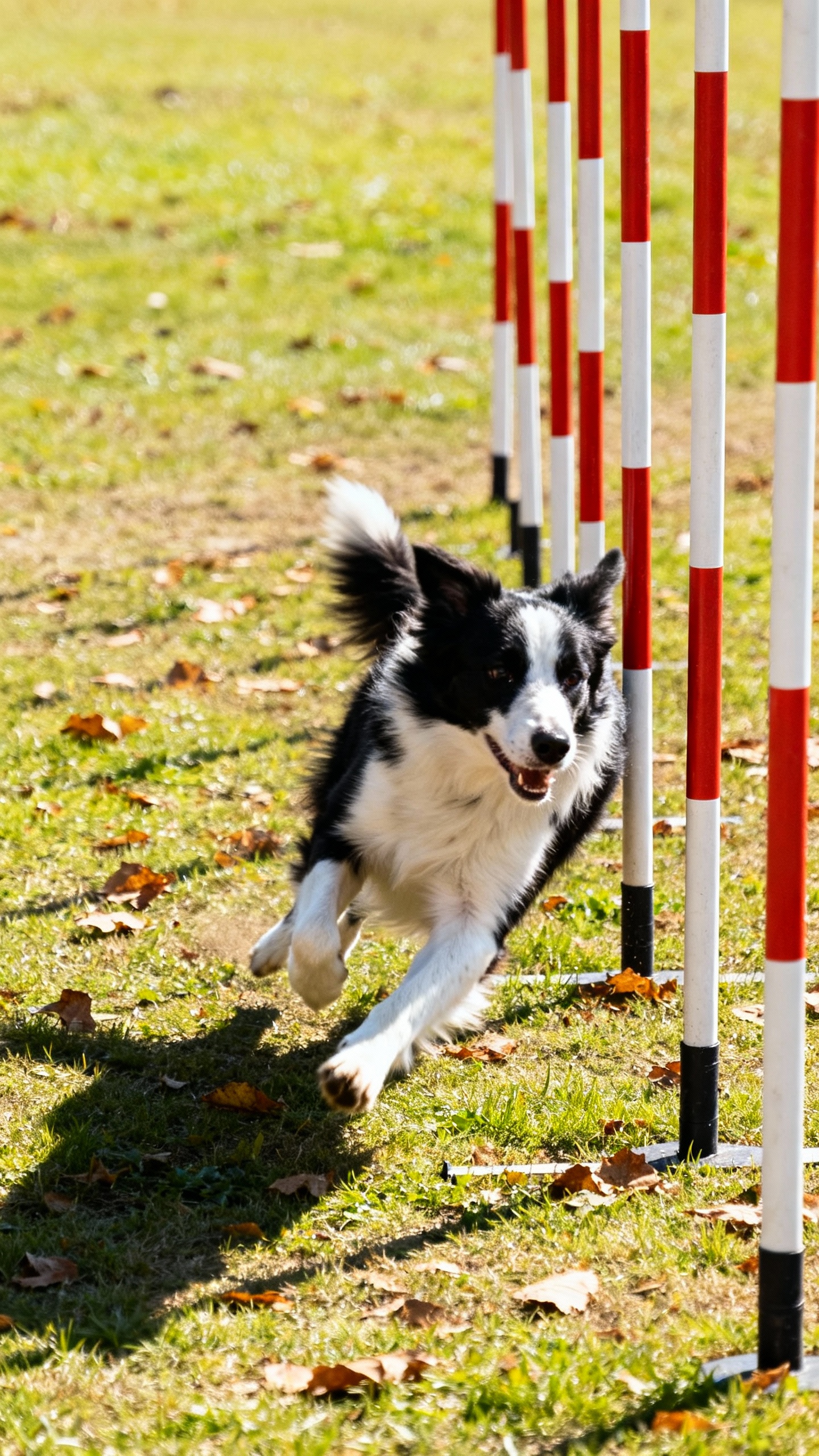
Don’t launch into full-speed fetch cold. A warm-up saves joints and prevents those awkward “my dog pulled something during zoomies” moments.
- 5–10 minutes brisk walk to get blood flowing
- Dynamic stretches like gentle figure-eights and backing up
- Target touches to wake up the brain and body
Quick Warm-Up Routine (5 minutes)
- 30–60 seconds of hand-targets
- 3–4 short “sit-stand-down” transitions
- Slow figure-eight around your legs twice per direction
- 2–3 restrained recalls for controlled excitement
IMO, this little routine prevents 80% of chaos later.
Tip 2: Trade Endless Fetch for Structured Sprints
No shade to fetch, but Border Collies can obsess. Control the reps and keep intensity high without frying their joints or brain.
Try this 15-minute sprint session:
- 3–5 ball or tug sprints of 10–20 seconds at full speed
- 30–60 seconds calm reset between reps in a sit or down
- 2 sets with a short sniff break between
Make Sprint Days Safer
- Use grass or turf to protect paws and shoulders
- Skip sharp direction changes if your dog is under-conditioned
- End before they spiral into adrenaline-screaming; leave them wanting more
Tip 3: Build a Daily “Brainwork” Block
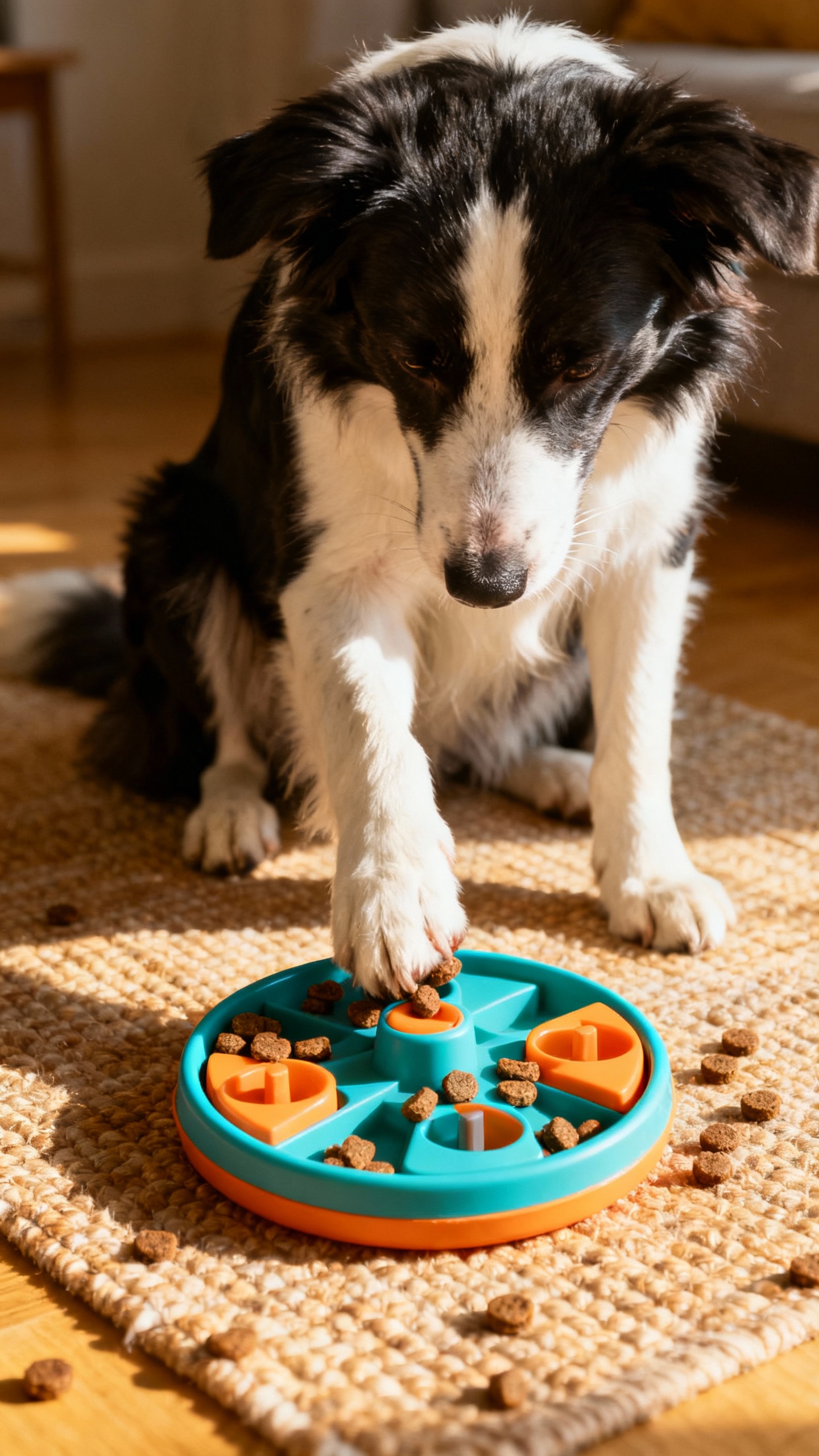
A tired Border Collie isn’t just panting—they’re satisfied. That comes from thinking. Ten minutes of mental work can beat 45 minutes of mindless running.
Rotate these simple brain games:
- Pattern training: Heel 5 steps, sit, spin, heel. Repeat. Looks fancy, drains energy fast.
- Object discrimination: Teach “ball” vs “rope” vs “disc.” Their brain will melt (in a good way).
- Impulse control: Send to a mat, release, and reload. It’s like emotional CrossFit.
- Nosework: Hide 5 treats in one room. Increase difficulty weekly.
Two Easy Food Puzzles (No Fancy Gear)
- Towel burrito: Roll treats into a towel so they must nudge and unroll.
- Muffin tin: Treats in cups, tennis balls on top. Simple, effective, surprisingly fun.
Tip 4: Learn to Love Structured Walks
Yes, walks matter, but make them purposeful. Your Collie needs more than “sniff and drag hooman.”
Try this 30-minute walk format:
- 10 minutes loose-leash heel with direction changes
- 10 minutes decompression sniffing on a longer line
- 10 minutes obedience interspersed with sits, downs, hand-targets, and place work
This combo teaches your dog to switch gears—hyped, focused, relaxed. That gear switching is the secret sauce.
Long-Line Safety FYI
- Use 15–20 ft biothane or nylon, not retractables
- Keep it off fingers to avoid rope burn
- Practice “check-ins” every 30–60 seconds
Tip 5: Add Agility Lite at Home
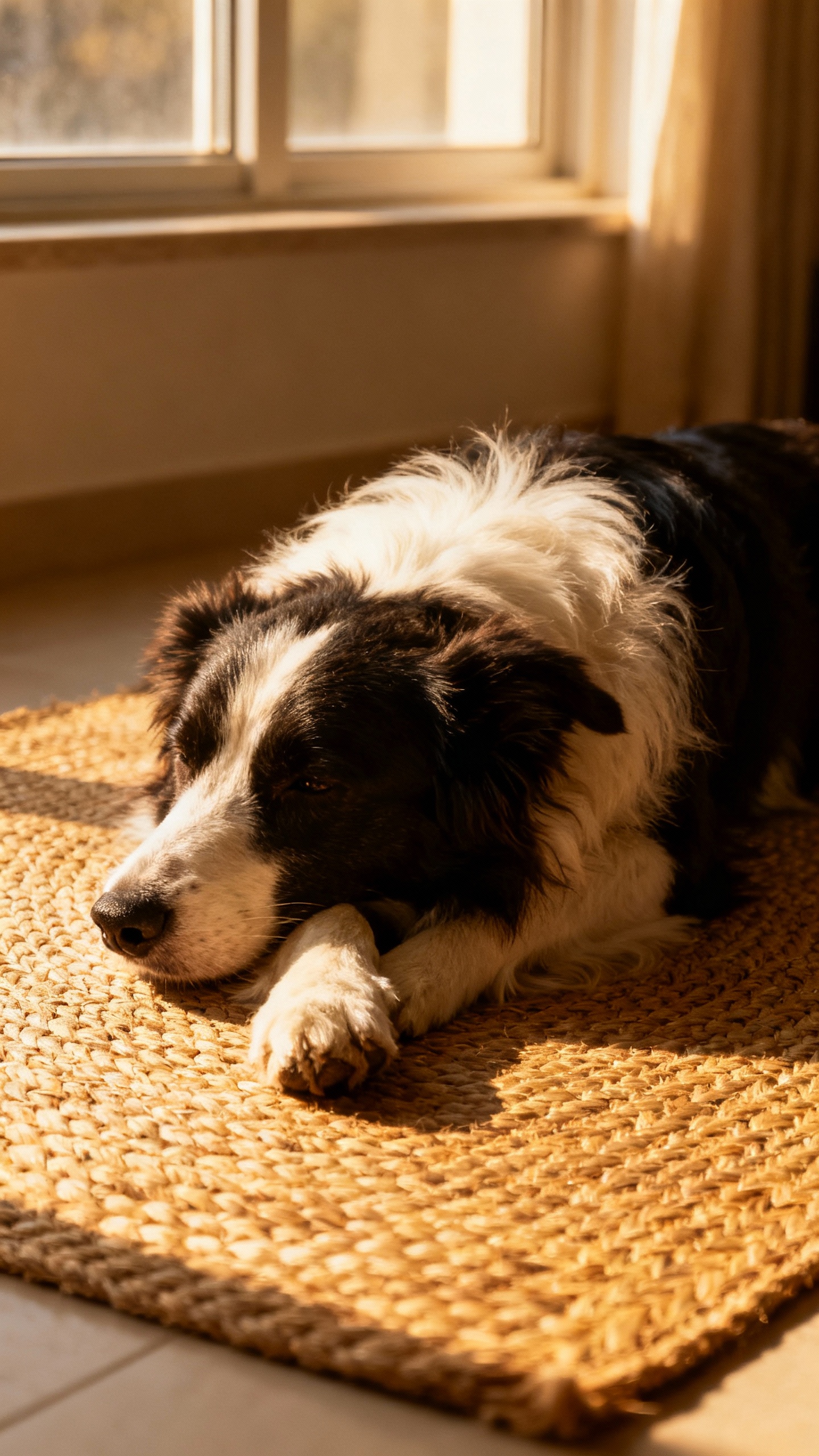
You don’t need a full course to build coordination and confidence. Use your living room like a budget agility gym.
Agility-lite ideas:
- DIY weave poles: Plastic cups or cones set in a line
- Cavaletti rails: Broomsticks or pool noodles on books for stepping patterns
- Balance work: Front paws on a stable cushion, hold for 5–10 seconds
- Tunnel: Blanket draped over chairs for a short crawl
Progression Plan (2–3 weeks)
- Week 1: Slow, single reps with lots of rewards
- Week 2: Add speed and distance gradually
- Week 3: Combine obstacles into a mini-sequence
Keep sessions under 10 minutes so excitement stays high and form stays clean.
Tip 6: Create a Real Off-Switch
Border Collies love to work. They also need to learn how to nap without your entire house turning into a chew toy. Teach a daily “settle” routine.
Try this 10-minute wind-down:
- Sniffing or licking task: Lick mat with yogurt or a frozen Kong
- Place cue: Send to a bed or mat for 2–5 minutes
- Calm petting only after they relax, not when they demand
IMO, the off-switch determines your long-term sanity more than any fetch session.
Weekly Structure That Actually Works
Want a blueprint? Use this as a starting point and tweak to your dog’s age and fitness.
- Mon/Wed/Fri: Sprints + brainwork + structured walk
- Tue/Thu: Agility-lite + longer decompression walk
- Sat: Trail hike or nosework field trip
- Sun: Active recovery: short walk, stretching, puzzle feeding
If your Collie looks wired at bedtime, add 10 minutes of nosework after dinner. If they seem stiff, cut sprint volume and sub in more brainwork. Easy.
Prevent Overload and Injuries
High-energy doesn’t mean indestructible. Watch for red flags so small issues don’t become big vet visits.
- Signs of over-arousal: zoomies that won’t end, blown recalls, frantic nipping
- Signs of injury: bunny-hopping, reluctance to jump, paw licking
- Surface matters: avoid constant hard pavement and tight turns
- Rest days count: soft-tissue recovery needs low-impact movement
FYI, young dogs’ growth plates stay vulnerable until 12–18 months. Keep jumping and repetitive impacts conservative until your vet gives the green light.
FAQ
How much daily exercise does a Border Collie need?
Most adult Border Collies thrive with 90–120 minutes total, split between physical and mental work. That doesn’t mean two hours of sprinting. Mix in training, nosework, and decompression to avoid creating a cardio monster who can run forever but never chill.
Is fetch bad for Border Collies?
Not bad, just incomplete. Endless fetch can build obsession and overuse injuries. Use fetch as a tool: short sprints, controlled releases, and breaks between reps. Swap in tug, scent games, and skill drills to balance their brain and body.
What if my Border Collie pulls on walks?
Teach structured walking with frequent direction changes, hand-targets, and reinforcement for slack leash. Use a front-clip harness while you train. Short, focused walk segments beat one long tug-of-war, and yes, you’ll see improvement in days if you stay consistent.
How do I tire out my Border Collie indoors?
Use 10-minute bursts: trick chains (spin, bow, leg weaves), nosework searches, and tug with clean outs. Add puzzle feeders and settle-on-a-mat work. Indoors can absolutely tire them out—especially their brain—without shredding your furniture.
Can my puppy do agility?
Yes, “agility-lite.” Keep jumps on the ground, focus on body awareness, confidence, and obedience foundations. No repetitive high-impact stuff until growth plates close. Think wobble boards, tunnels, and controlled footwork instead of height and speed.
How do I stop herding behavior toward kids or bikes?
Give that instinct a legal outlet: structured fetch, flirt pole with rules, and intense sniffing games. On walks, run heel work and pattern games past triggers. Reward focus on you, use distance, and build a rock-solid recall. Herding isn’t “bad”—it just needs boundaries.
Conclusion
Border Collies don’t just need “more exercise”—they need the right exercise. Blend sprints, brainwork, structured walks, and a real off-switch, and you’ll get a dog who works hard and actually relaxes afterward. Keep sessions short, purposeful, and fun. Do that, and your genius athlete becomes the best roommate you’ve ever had.
I’ve spent 10+ years in dog training, digging into what makes dogs (and their humans) tick. At Smart Dog Learning, I share my no-nonsense, fun approach to training so you can enjoy life with a well-behaved, happy pup—no boring lectures, just practical results 😉