6 Beagle Puppy Training Tips
Beagle puppy zoomies are adorable… until they lead straight into your laundry pile. You brought home a nose on legs, and that little detective now tracks crumbs, socks, and your patience. Good news: you can harness that energy and curiosity with smart training.
Even better news: it doesn’t need to be complicated—just consistent, fun, and very, very tasty.
Know Your Beagle: Train the Nose, Not the Robot
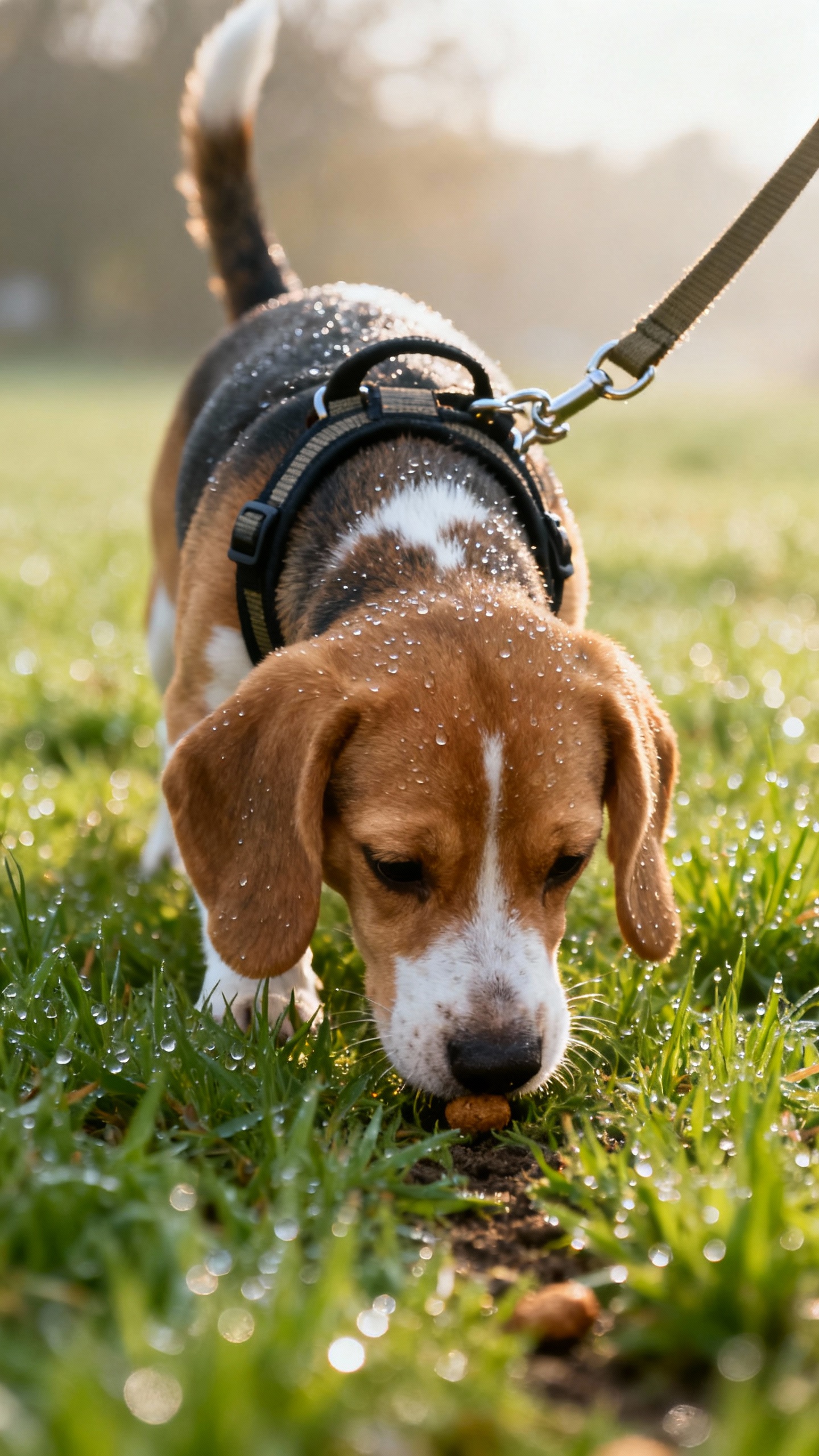
Beagles don’t ignore you because they’re stubborn; they just think the world smells more interesting than your words. You’re competing with a thousand scent channels. So, tip one: use their nose as your ally.
- High-value rewards: Use real motivation—tiny bits of chicken, cheese, or a favorite soft treat.
Kibble won’t cut it every time.
- Short, snappy sessions: 3–5 minutes, multiple times a day. Quit while they still want more.
- Sniff breaks: Reward good behavior with a “go sniff” cue. It’s like giving a gamer five minutes on their favorite level.
Breed Reality Check
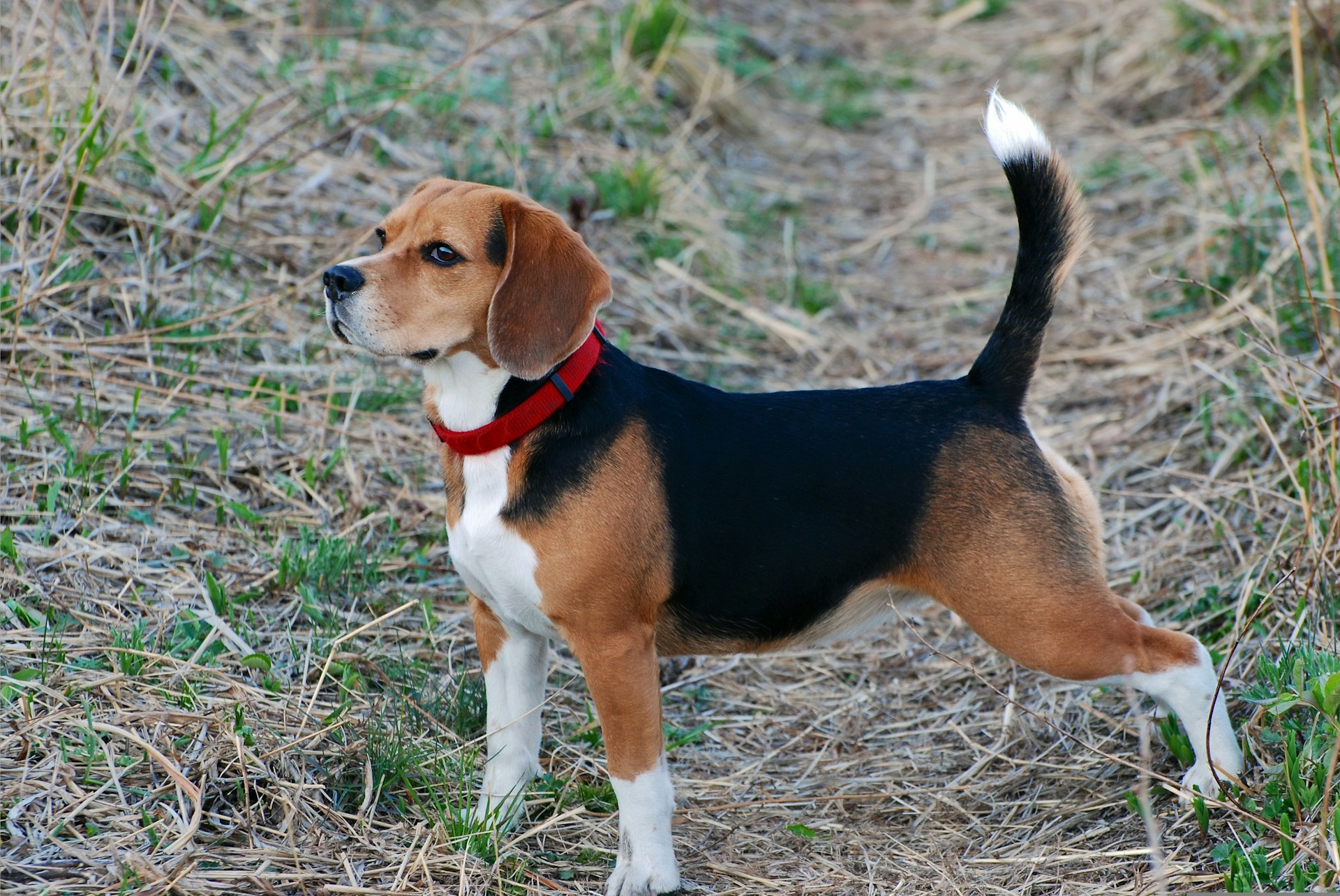
Beagles were born to track.
That nose overrides everything. Build training around scent games and you’ll get faster results with less frustration. IMO, a tired nose equals a relaxed puppy.
House Training That Actually Sticks
You want wins early. Beagle pups thrive on predictability.
Set up a routine that removes guesswork and reduces accidents.
- Crate train from day one: Right-sized crate, comfy bedding, and safe chew. Take them out after waking, playing, eating, and every 2–3 hours.
- Pick one potty spot: Same door, same patch of grass. Wait quietly, then mark success with a cheerful “Yes!” and a treat.
- Leash to potty: No wander time.
Potty first, party second.
- Accident protocol: Enzyme cleaner, no scolding. If they’re mid-pee, interrupt with a clap, scoop outside, then praise if they finish there.
Schedule Template
Try this rhythm for young pups:
- Wake → potty → 5 minutes of training → breakfast → potty
- Play/chew → potty → crate nap
- Repeat all day, and add a calm evening sniff walk
FYI: Consistency beats intensity every time.
Recall: Make “Come” the Best Word Ever
Beagles don’t “come” because you asked nicely. They come because it pays better than that delicious smell.
So yes, we bribe—strategically.
- Start indoors: Kneel, say the puppy’s name once, then “Come!” in a happy voice. Reward big. Release with “All done” and toss a treat away so they “reset.”
- Level up to a long line: Practice in a fenced yard with a 20–30 ft line.
Let them sniff, then call once. Guide only if needed. Reward like you’re a jackpot.
- Never poison the cue: Don’t use “Come” to end fun every time.
Sometimes call, reward, and send back to play. Sneaky, but effective.
Emergency Recall Cue
Create a special word you never use casually, like “Here-Here!” Pair it with premium treats only (think tiny bits of roast chicken). Practice sparingly.
One day, it’ll save you from a squirrel incident.
Leash Manners for the Scent-Obsessed
Loose-leash walking with a Beagle is a whole saga. Pulling works for them, so we teach a different strategy: pulling makes the fun stop; slack makes the fun start.
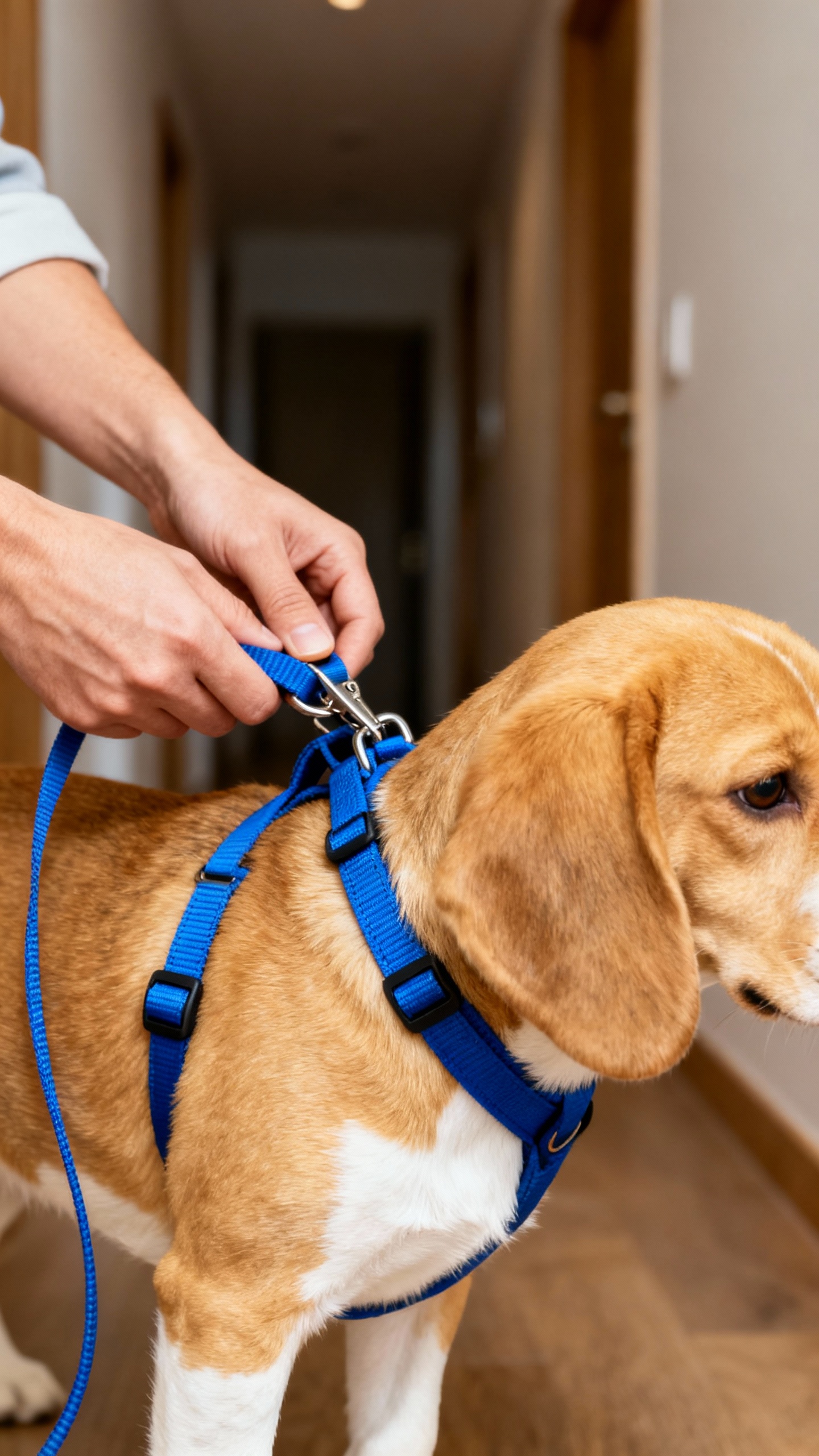
- Equipment: Use a front-clip harness. No prongs or choke collars—Beagle necks are sensitive and pulling is instinctual.
- Start at home: Reward any moment the leash goes slack.
Move when it’s loose, stop when it’s tight. Be a human stop sign.
- Sniff zones: Build in “sniff permissions.” Say “Go sniff!” when the leash is loose. You’re teaching them how to earn nose-time.
- Pattern games: Walk three steps, treat.
Turn, three steps, treat. It sounds silly, but it rewires habits fast.
When the Nose Locks On
If your pup “anchors” on a scent, don’t yank. Step back, call cheerfully, and sprinkle a tiny treat trail away from the scent.
Regain attention, then give a brief “go sniff” as a reward for returning. Fair trade, right?
Prevent Problem Behaviors Before They Start
Puppies chew, dig, bark, and taste-test everything because… they’re puppies. Let’s channel that chaos.
- Chewing: Offer 3–4 rotating chew options.
Freeze wet food or yogurt in a lick mat for crate time.
- Digging: Create a “legal” dig box with sand or soil. Hide toys and treats there. Redirect with a smile, not a lecture.
- Barking: Beagles vocalize.
Teach a “quiet” cue by marking silence. Also fix the reasons: boredom, lack of sniff time, or fenced-yard FOMO.
- Stealing: Manage the environment. Keep counters clear, use baby gates, and trade stolen items for treats.
No chase games unless you enjoy chaos.
Socialization Without Overwhelm
From 8–16 weeks, calmly introduce:
- Surfaces: grass, gravel, metal grates, carpet
- Sights/sounds: umbrellas, bikes, vacuums at a distance
- People/dogs: polite, neutral interactions—not a puppy mosh pit
Pair everything with food and space. If your puppy hesitates, create distance and slow down. Confidence > courage theatrics.
Teach the Big Four: Sit, Down, Stay, Leave It
Basic cues give you daily sanity tools.
Keep it upbeat and quick.
- Sit: Lure nose up, mark “Yes,” treat. Add the word when the motion looks automatic.
- Down: From sit, lure nose to floor between paws. Reward each inch closer.
Don’t push shoulders—beagles negotiate better with snacks.
- Stay: Ask for sit, show palm, say “Stay,” count to one, reward. Build time and distance slowly. Release with “Free!”
- Leave it: Present a treat in a closed fist.
When the puppy stops pestering, mark and reward from the other hand. Move to floor items with a leash for safety.
Real-Life Drills
Use these in daily routines:
- “Sit” for food bowl
- “Down” for grooming
- “Stay” at doors
- “Leave it” for dropped snacks and… mysterious sidewalk treasures
FYI: I’d bank more on “Leave it” than any other cue with a Beagle. That nose finds everything.
Make Training a Lifestyle, Not a Chore
You don’t need hour-long sessions.
You need habits that stack.
- Meal training: Use part of dinner for 5 minutes of cues and nose work.
- Sniffari walks: Slow-paced, exploratory walks that prioritize sniffing over mileage.
- Weekly brain games: Muffin tin with treats under tennis balls, rolled towel “sushi,” or hide-and-seek with a family member.
- Track progress: Jot quick notes. If recall dipped, you’ll know why—teenage phase, new distractions, or training gap.
IMO, consistent micro-training beats weekend marathons every time.
FAQ
How long can a Beagle puppy focus during training?
About 2–5 minutes, tops. Keep sessions short and stack them throughout the day.
When your pup starts staring into the void or sniffing the air, you’ve gone too long. End with an easy win and a treat.
When should I start socializing my Beagle puppy?
Start right away, as soon as your vet gives the green light for controlled exposure. You can safely do low-risk socialization at home and in your arms before full vaccinations.
Keep experiences positive, short, and paired with food.
What treats work best for Beagle training?
Soft, pea-sized bits of meat or cheese usually win. Rotate flavors to keep enthusiasm high. Save the best stuff for recall and tough distractions—your “salary” needs tiers.
How do I stop my Beagle from pulling on walks?
Use a front-clip harness, reward a loose leash every few steps, and add structured sniff breaks.
If the leash tightens, stop moving. Teach that calm, slack walking unlocks nose privileges. It’s economics, but fluffier.
Are Beagles too stubborn to train?
Nope.
They’re independent and scent-driven, which changes your approach, not your expectations. Align training with their nose and pay well. You’ll get sharp behaviors and a happy dog.
Can I ever trust my Beagle off-leash?
In safe, fenced areas—absolutely.
In open spaces, play it safe with a long line unless your recall is bulletproof around wildlife and food distractions. Their nose can override training in a heartbeat.
Conclusion
Beagle puppies bring comedy, chaos, and a masterclass in patience. Train the nose, pay generously, and keep sessions short and fun.
If you build routines and celebrate small wins, you’ll raise a sweet, responsive sidekick who still chases smells—but checks in with you first. Which, let’s be honest, is the Beagle version of perfection.
I’ve spent 10+ years in dog training, digging into what makes dogs (and their humans) tick. At Smart Dog Learning, I share my no-nonsense, fun approach to training so you can enjoy life with a well-behaved, happy pup—no boring lectures, just practical results 😉