

5 Rottweiler Puppy Training Tips To Build Early Discipline
Rottweiler puppy in the house? Buckle up. These little tanks come with jet engines and big feelings, and they learn ridiculously fast—good habits and bad ones.
The earlier you start shaping their manners, the easier your life gets. Think of it as installing the operating system before they figure out how to jailbreak the house.
Know Your Rottie: Brains, Brawn, and a Soft Spot for You
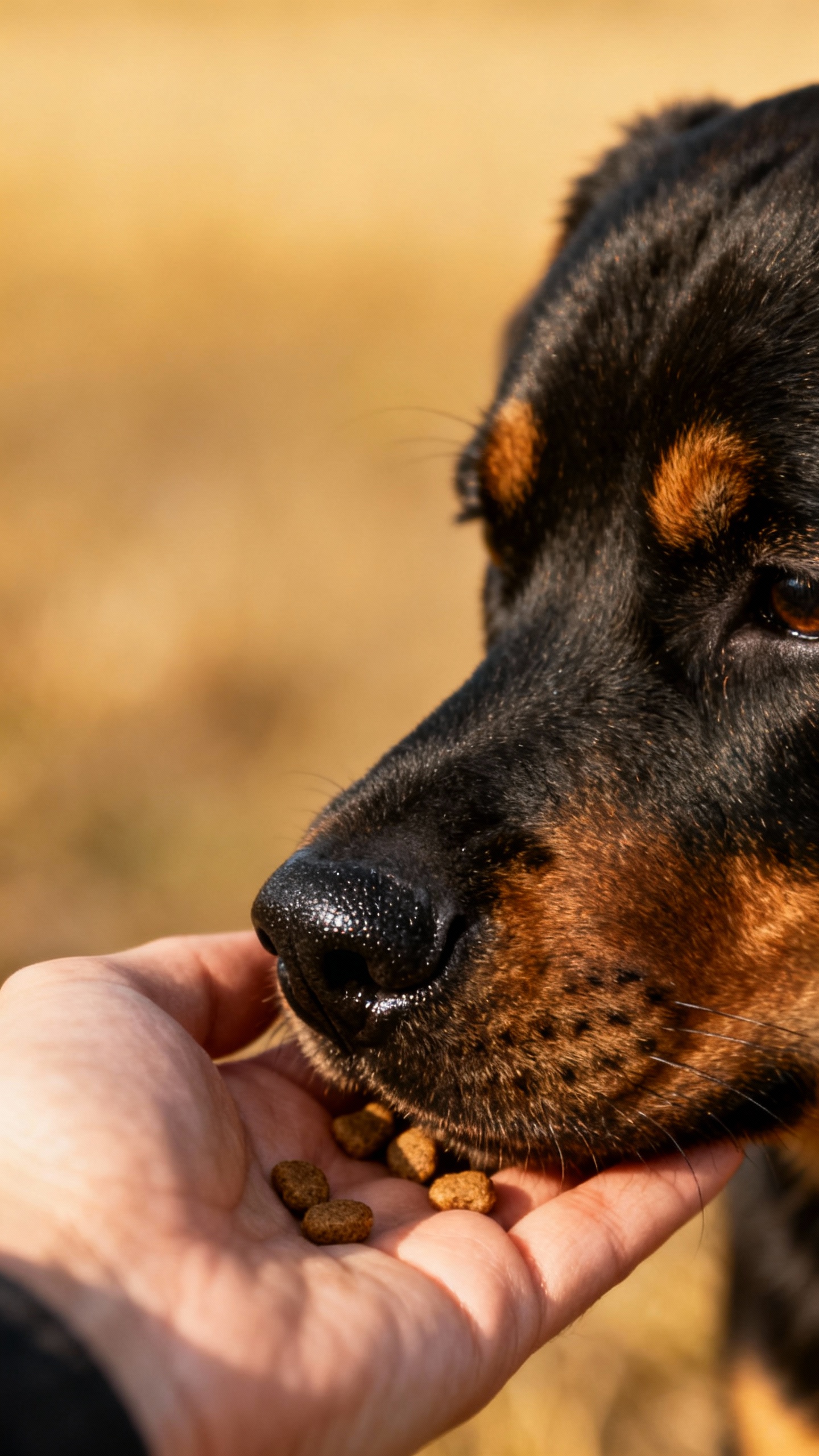
Rottweilers love structure, and they love their people. That combo makes training both easier and more important.
They’ll test boundaries because they’re smart, not because they’re “dominant” or “bad.” Key traits to remember:
- High intelligence: They pick up patterns fast—yours included.
- Strong bonding: They crave your attention, so use that as a reward.
- Protective instinct: Early socialization keeps it healthy, not overblown.
What “discipline” actually means
We’re not talking about punishment. Discipline = consistent rules + clear communication + fair consequences. Reward what you want. Redirect what you don’t. Easy to say, surprisingly doable to live—if you start now.
Tip 1: Establish a Routine That Trains for You
Routines quietly build discipline without a single lecture.
Set consistent times for meals, potty breaks, naps, play, and training. Your puppy will predict what’s next and relax into it. Try this simple daily flow:
- Wake → potty → calm affection
- Breakfast → 5–10 minutes of training
- Play → short walk (age-appropriate) → nap
- Midday potty → training game → chew time
- Dinner → training → structured play
- Evening wind-down → potty → bedtime
Crate = cozy den, not jail
Use the crate for naps and nighttime. Feed a few meals in there.
Toss in a safe chew. Close the door for short, calm intervals. You’re teaching self-soothing and impulse control—skills you’ll treasure when they hit the teenage phase.
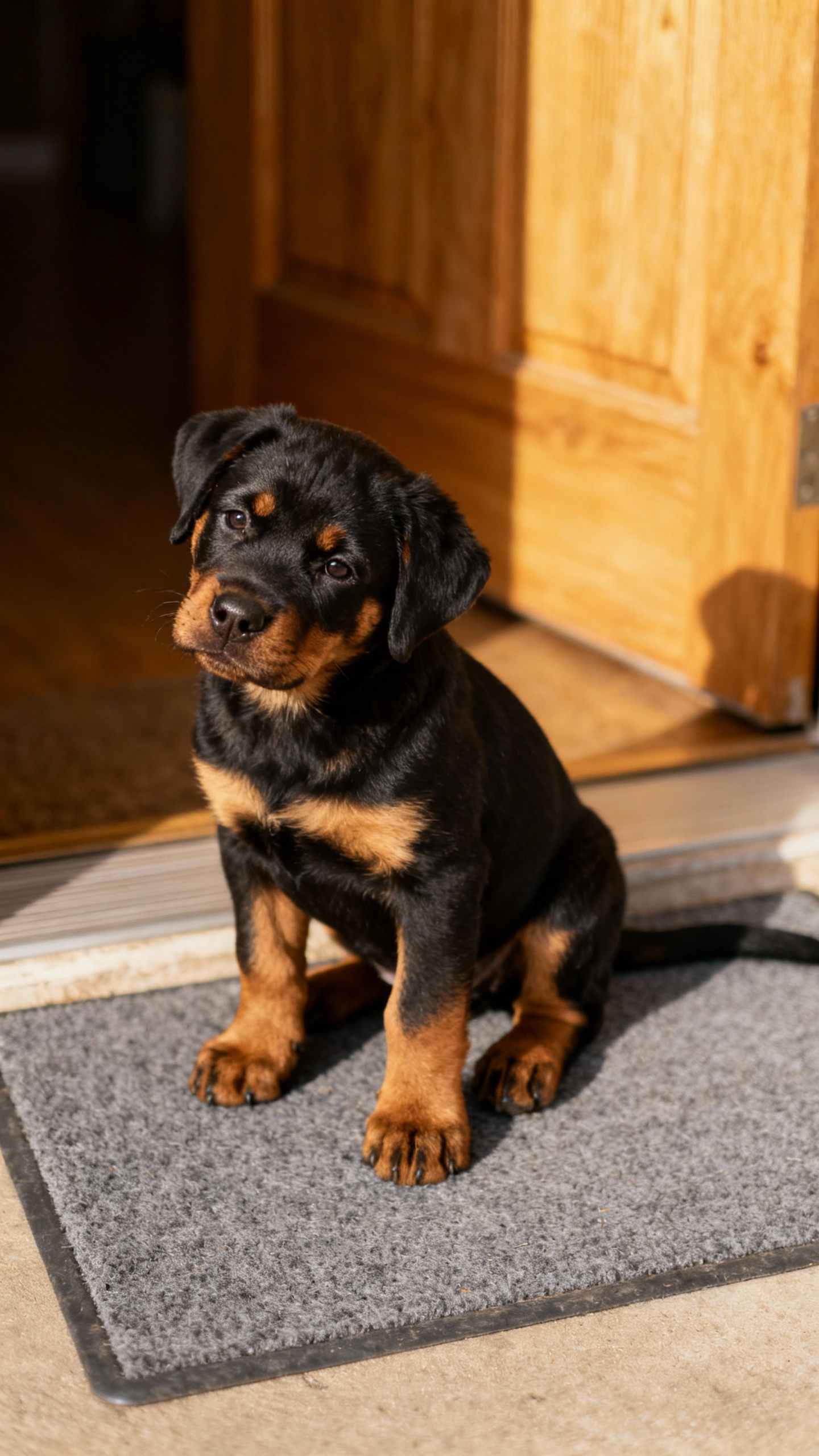
Tip 2: Teach the “Big Four” Early
Skip the circus tricks for now. Nail these essentials first, and everything else becomes easy.
- Name response: Say their name once.
When they look at you, mark with “Yes!” and reward. You’re building reflexive attention.
- Sit: Lure with a treat over the nose. Butt hits floor, “Yes!” and reward.
This becomes your default behavior for “please.”
- Down: From sit, lure to the floor. Reward calmness. This is your off-switch.
- Place/Mat: Send to a mat, reward stays.
Perfect for guests, deliveries, and saving your sanity.
Micro-sessions win
Keep training bursts to 3–5 minutes, 4–6 times a day. Stop while the puppy still wants more. FYI, quitting on a high note creates a training addict—in the best way.
Tip 3: Socialize Like It’s Your Part-Time Job
You’re not just collecting dog park selfies. Quality socialization = positive exposure to people, dogs, environments, sounds, and handling. Aim for calm curiosity, not chaos. Make a simple checklist:
- People: hats, sunglasses, kids, seniors, wheelchairs, delivery folks
- Dogs: friendly adults, calm puppies, different sizes (vaccination-safe)
- Places: vet, car rides, pet-friendly stores, sidewalks, parks
- Sensations: umbrellas, shopping carts, loud trucks, vacuum cleaners
How to do it right
Pair new things with treats and distance.
If your pup shows hesitation, back up and lower the intensity. Curiosity gets paid. Fear gets space. IMO, this single habit prevents most future reactivity.
Tip 4: Prevent Nipping and Mouthing Like a Pro
Puppy teeth feel like sewing needles for a reason—they’re supposed to teach bite control. You’ll teach it faster with consistency. Your go-to plan:
- Redirect: Teeth on skin?
Calm “Uh-uh,” then offer a chew toy or tug.
- Freeze and remove attention: If they escalate, stand up, turn away for 10–20 seconds.
- Reward soft mouths: Treat and praise when they lick or take food gently.
- Structured tug: Teach “Take it” and “Drop.” Control the game, control the excitement.
Handling drills
Touch paws, ears, tail, and collar daily. Treat with each touch. You’re prepping for vet visits and grooming, and you’re reinforcing that hands predict good things—not wrestling.
Tip 5: Leash Manners Before They’re 80 Pounds
If you let a 12-week-old drag you, guess what they’ll do at 12 months.
Start indoors where distractions are boring. Build it step-by-step:
- Introduce the collar and leash with treats.
- Mark and reward for walking by your side for 2–3 steps.
- Use turns to stay interesting: left, right, stop, start.
- When the leash tightens, stop. Wait. When your pup looks back or returns, “Yes!” and move forward.
Pro tip: Reward position, not speed.
If they forge, do a 180 like you just forgot your wallet. No yanking. No lectures.
Just make following you the easiest choice.
Tip 6: Impulse Control Games (That Feel Like Play)
You’re teaching your Rottie to choose calm over chaos. Make it fun.
- It’s Your Choice: Present open hand with treats. Reward only when your pup backs off.
This teaches “leave temptation to earn it.”
- Door Manners: Ask for sit before doors open. If they pop up, door closes. Door is the reward.
- Food Bowl Wait: Set the bowl down.
If they lunge, pick it up. Release with “Okay!” when they hold the sit.
Why this matters
Impulse control games hit three birds with one biscuit: focus, patience, and respect for boundaries. IMO, they’re the secret sauce for a calm adult Rottie.
Tip 7: Use Rewards Strategically, Fade Them Smartly
Treats work because they’re fast and clear.
But you want a dog who listens even when your pockets feel light. Level up your reward game:
- Start with high-value food for new behaviors or distractions.
- Mix in life rewards: going outside, greeting a friend, getting the ball.
- Switch to a variable schedule: sometimes food, sometimes praise, sometimes a game.
- Don’t fade the marker: Keep a crisp “Yes!” or click. It’s your superpower for clarity.
Common Mistakes to Dodge (So You Don’t Undo Your Work)
We’ve all done at least one of these. Consider this your gentle nudge.
- Inconsistent rules: Couch today, banishment tomorrow = confused puppy.
- Too much freedom too soon: Use baby gates and crates.
Freedom is earned, not assumed.
- Flooding during socialization: One chaotic dog park trip can set you back weeks.
- Training only when it’s convenient: Micro-sessions fit anywhere—waiting for coffee, during commercials, post-potty.
- Ignoring rest: Overtired puppies act feral. Naps are training, too.
FAQ
When should I start training my Rottweiler puppy?
Day one. Keep it gentle and fun, but start right away—name response, sit, crate comfort, potty routine.
Their learning window opens early, and you’ll thank yourself later.
How do I handle my puppy’s protective barking?
Acknowledge the alert—“Thank you”—then guide to a sit or place. Reward quiet. Close curtains, turn on white noise, and practice with staged triggers at a distance.
You’re teaching, “I’ve got it. You relax.”
What treats should I use for training?
Soft, pea-sized bits your pup can swallow fast: chicken, turkey, cheese, or commercial training treats. Rotate flavors.
For big distractions, raise the value. For easy reps, lower it. FYI, kibble works for simple drills at home.
Is punishment ever necessary?
You need consequences, not harshness.
Remove access to rewards, use brief time-outs, or reset the environment. Avoid yelling or physical corrections. They break trust and don’t teach the right answer.
How much exercise does a Rottie puppy need?
Short, age-appropriate bursts: several 5–10 minute play sessions, plus training and sniffy walks.
Avoid long runs or stairs marathons to protect growing joints. Mental work tires them out better than sprinting laps.
Can I train a Rottweiler if I’m a first-time owner?
Absolutely. Be consistent, keep sessions short, and get a reputable trainer for guidance.
Group puppy classes help you both. Think of the trainer as your coach, not your replacement.
Conclusion
Raise your Rottweiler with structure, not stress. Build daily routines, teach the Big Four, socialize with intention, and make impulse control a game.
Keep it upbeat, stay consistent, and don’t underestimate naps. Do that, and you’ll turn that zoomy little land hippo into a confident, well-mannered best friend—no drill sergeant vibes required.
I’ve spent 10+ years in dog training, digging into what makes dogs (and their humans) tick. At Smart Dog Learning, I share my no-nonsense, fun approach to training so you can enjoy life with a well-behaved, happy pup—no boring lectures, just practical results 😉